Tag: lifestyle

  • A Culture, Not Just a Court

    Padel isn’t just a sport. It’s a statement.

    At The Padel Side, we’ve created more than just a court—we’ve built a culture. A bold new playground where identity, grit, and community collide. This is where players don’t just show up—they choose their side with confidence and never look back.

    “Claim your court. Own your side.”
    It’s not just a tagline. It’s a mindset.
    Design Ethos

    Urban Industrial Soul

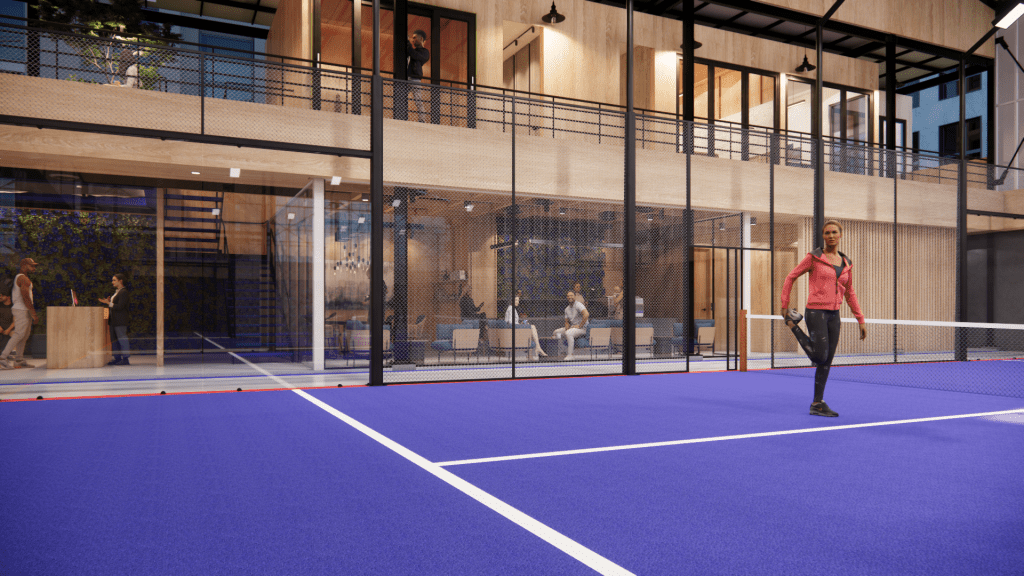
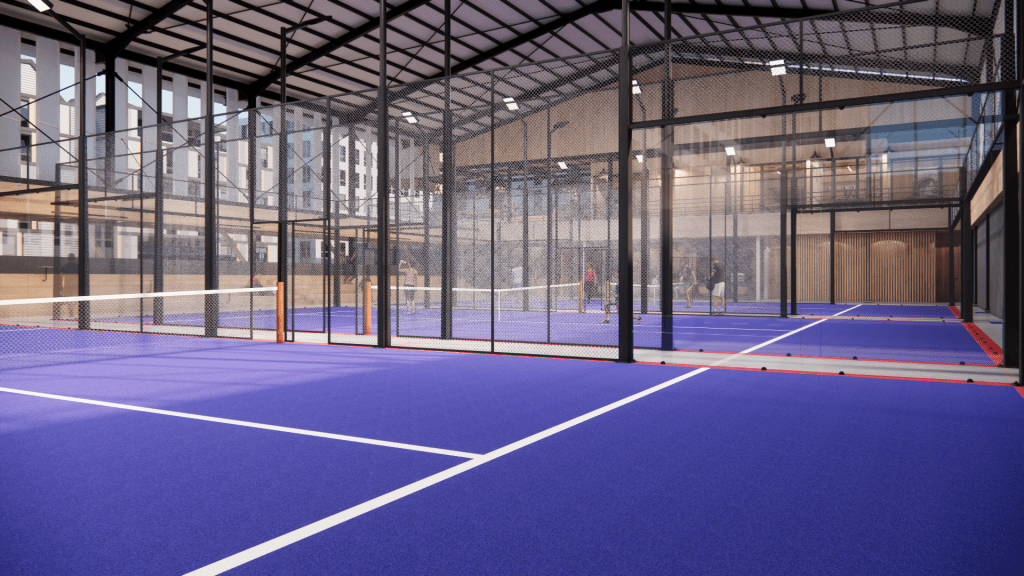
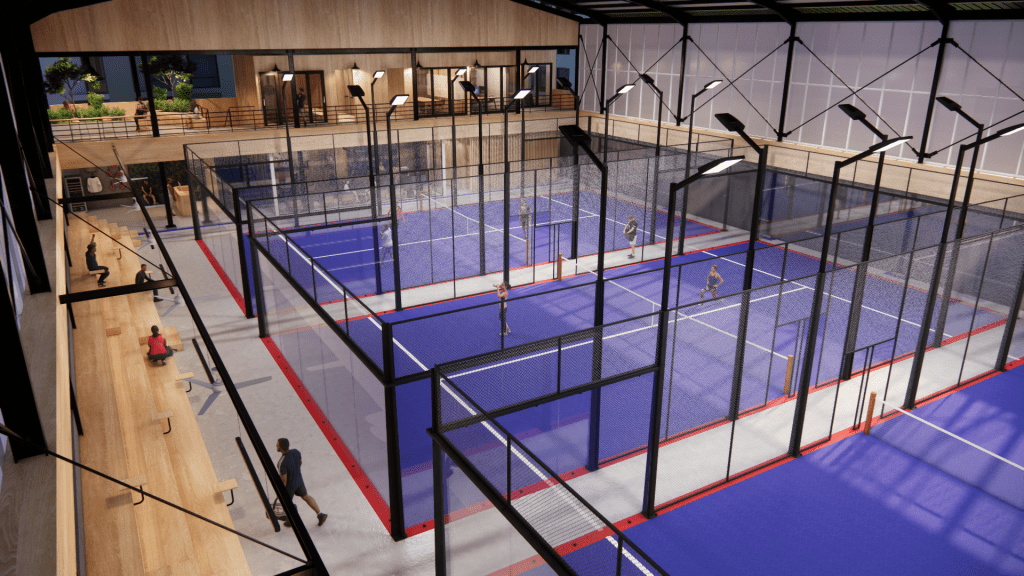
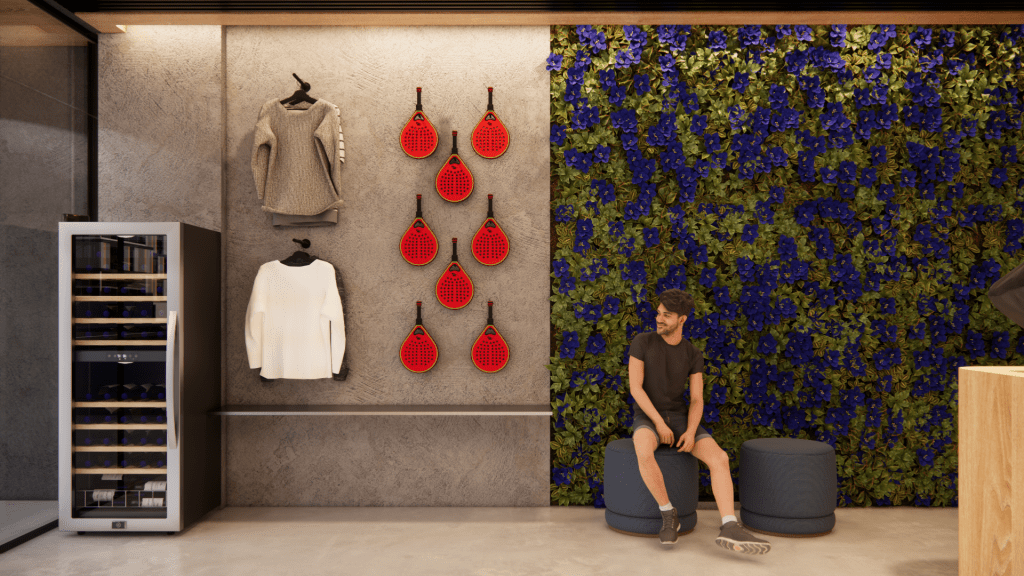
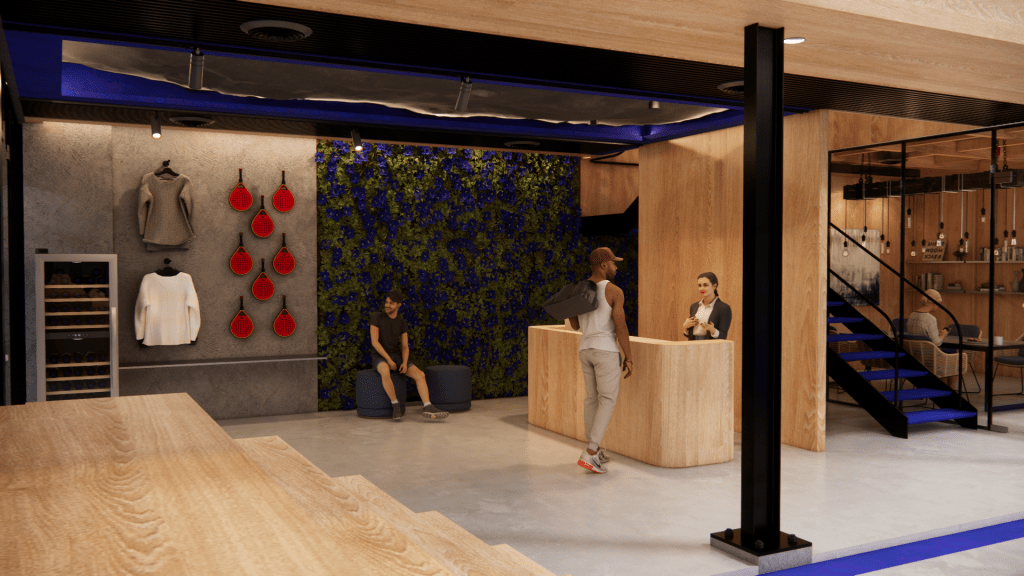
    Inspired by the backstreets of New York and the underground sports scene, The Padel Side wears its toughness with pride. Wrapped in raw concrete, black steel, and reclaimed wood, the space echoes the rhythm of Brooklyn lofts, street basketball courts, and stripped-down boxing gyms—reimagined with clean, modern lines. This is padel with an edge.

    Minimalist Structure, Maximal Energy

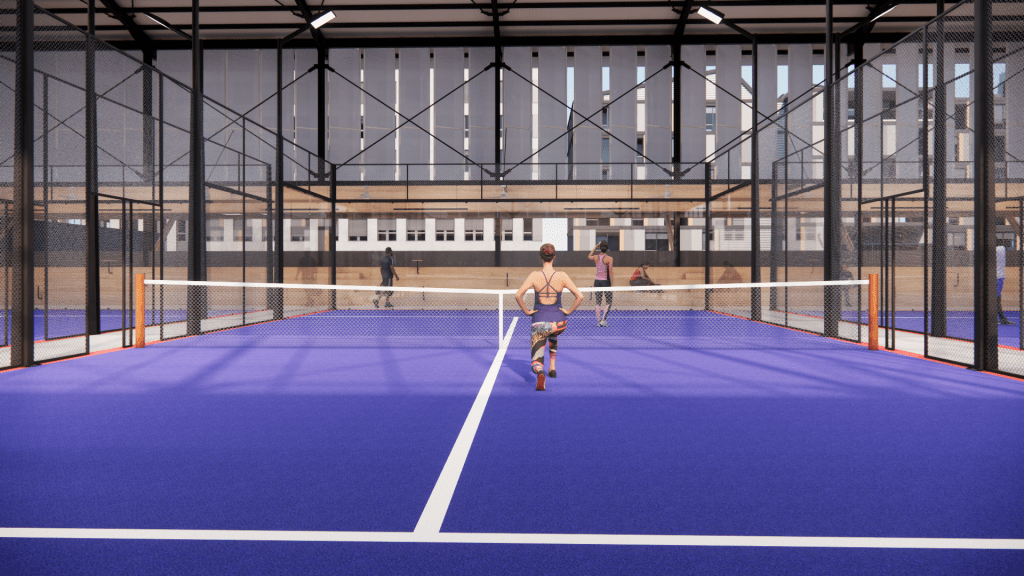
    Every detail is intentional. The layout is bold and open—not empty, but focused. It’s a quiet backdrop that lets the intensity of the game take center stage. The structure breathes. The silence between walls lets the sound of serves, cheers, and sneakers speak louder. This isn’t just a place to play—it’s a place to own your moment.

    Dark Elegance, Democratic Access

    Black steel meets warm wood. Premium doesn’t mean exclusive. While the design speaks in a language of sleek minimalism and deep tones, the vibe stays inclusive. You don’t need status to belong here—just your side. Because there’s padel… and then there’s The Dark Side.
    Architectural Key Elements

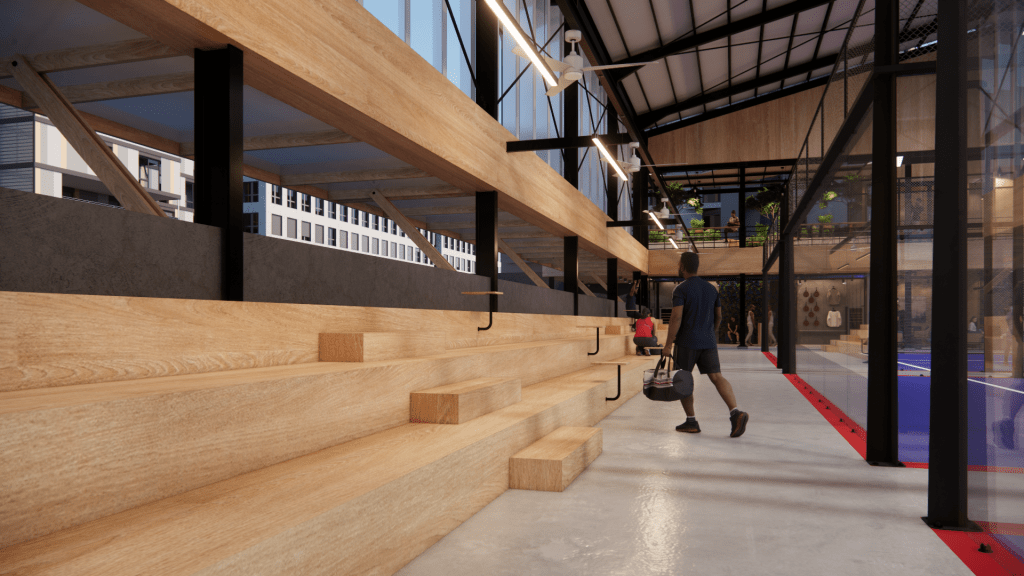
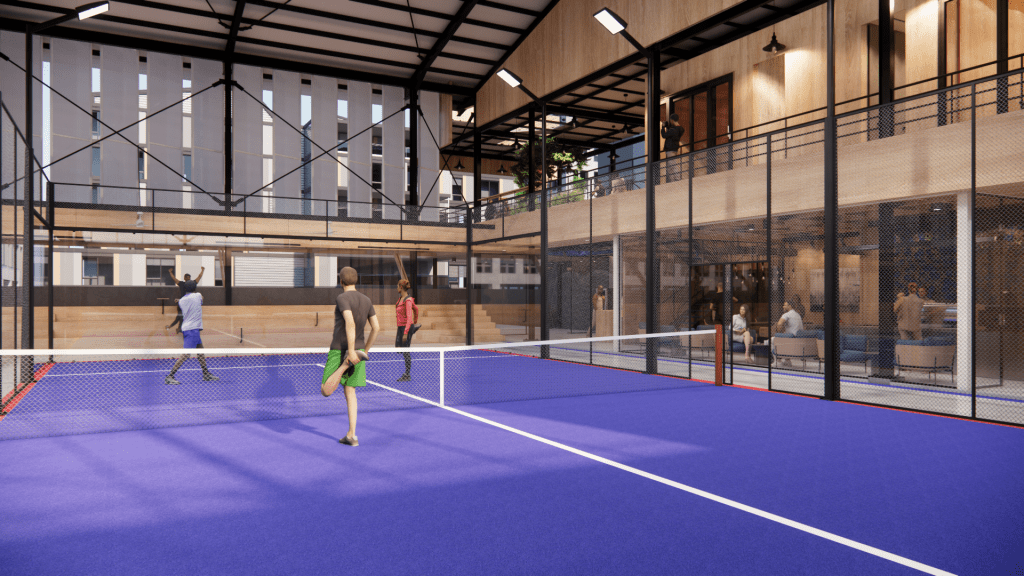
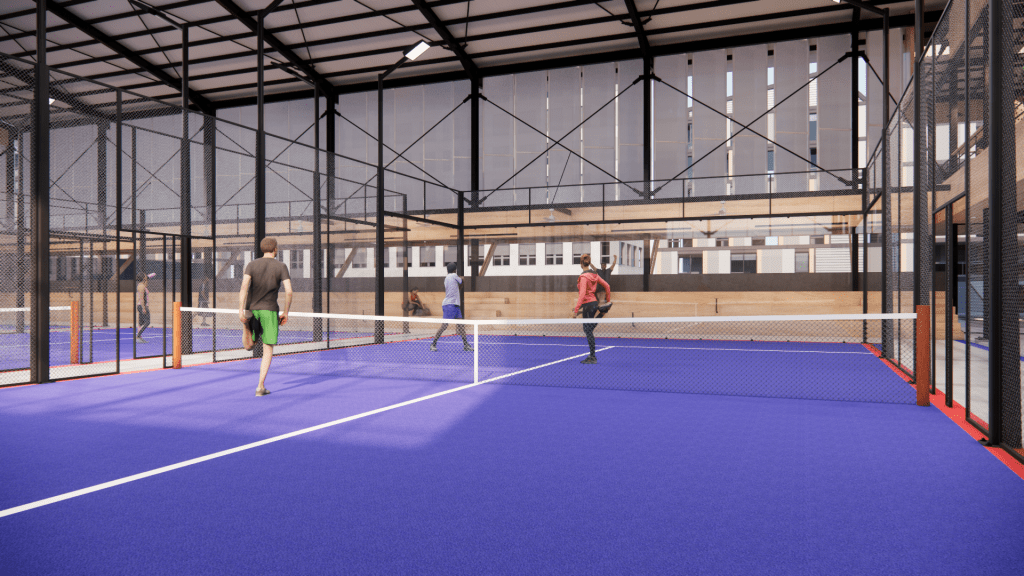
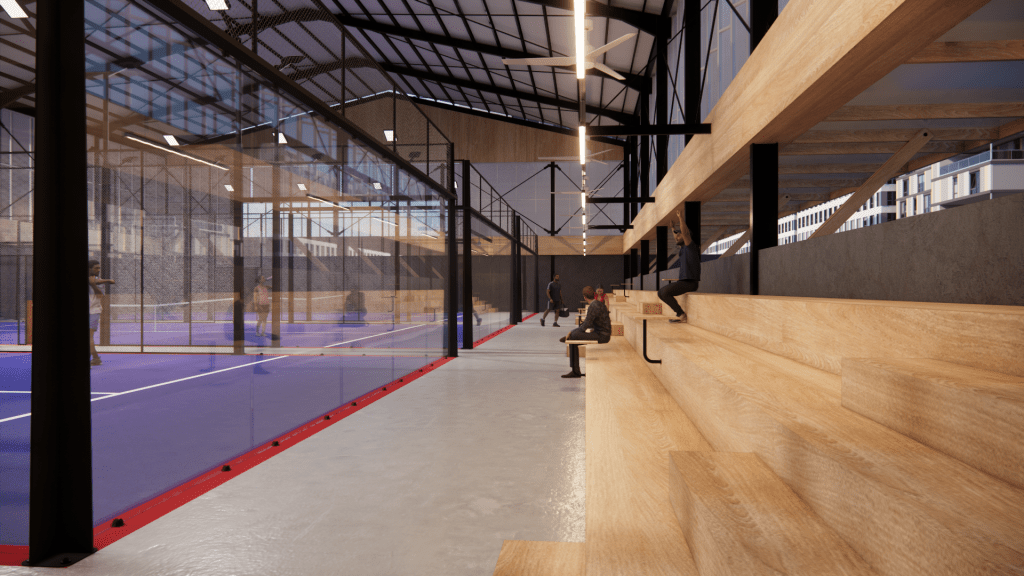
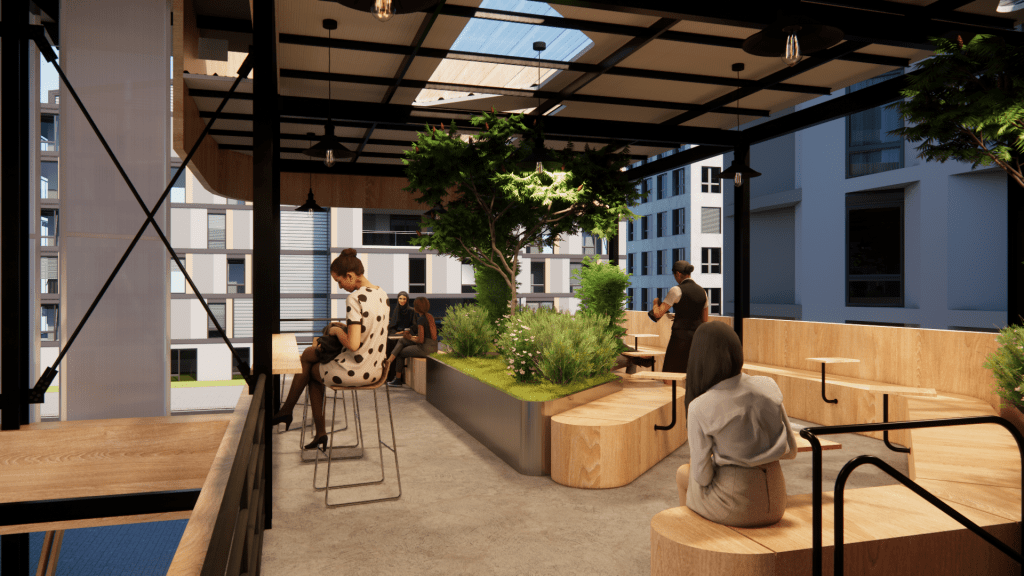
    • Exposed steel structures and trusses define the court’s backbone, channeling strength and transparency.
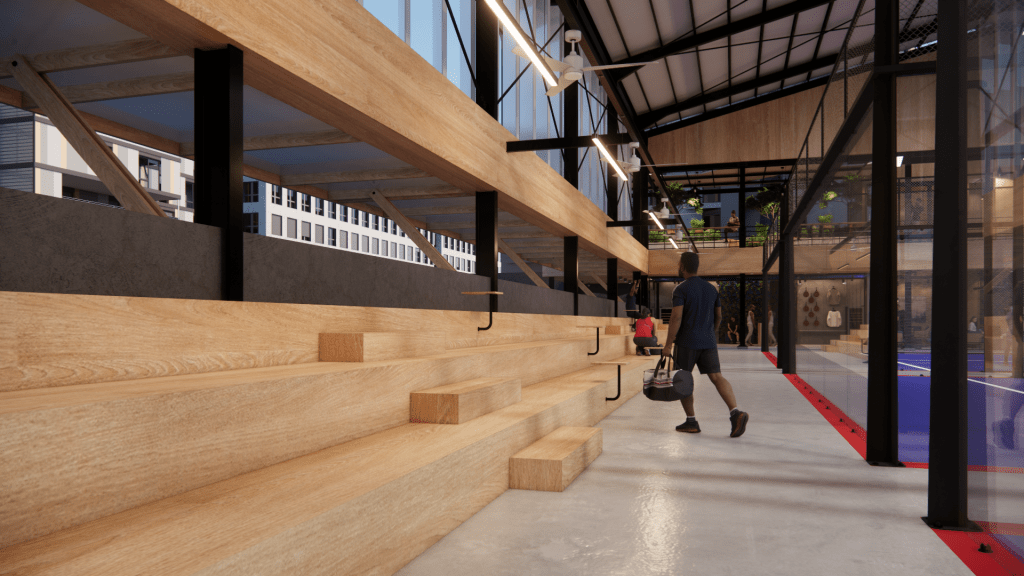
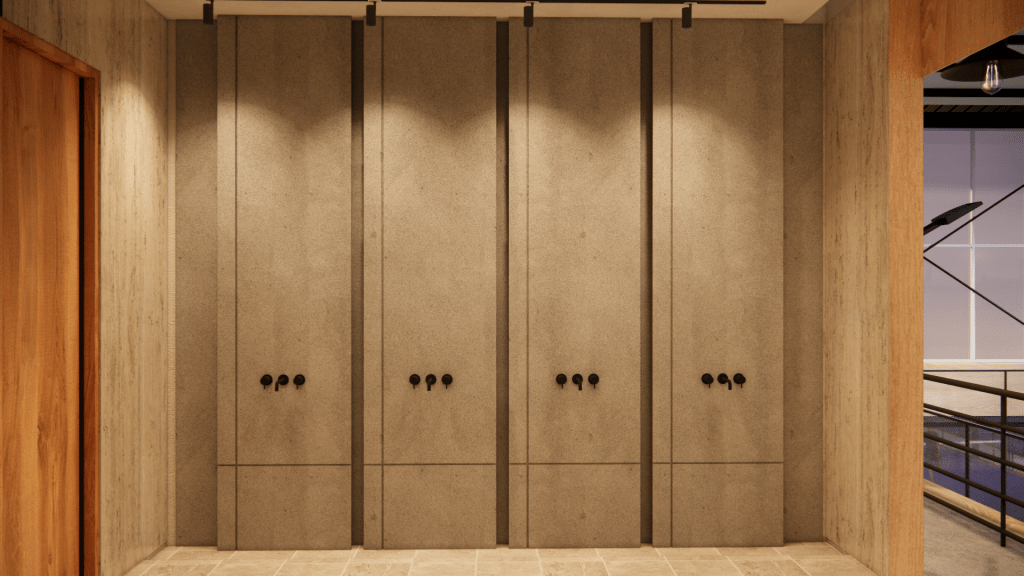
    • Raw concrete and polished cement floors hold the weight of movement, both industrial and honest.
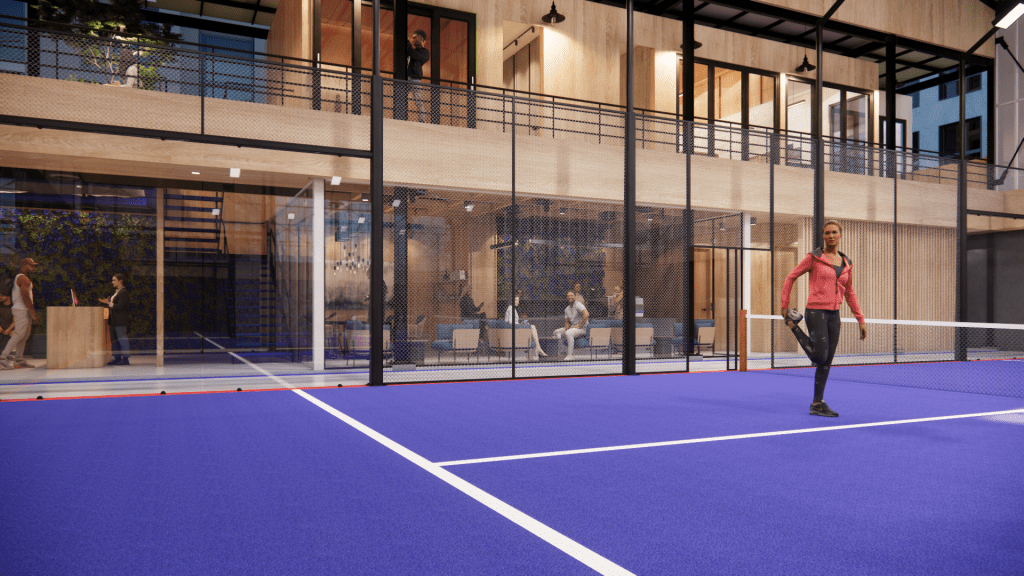
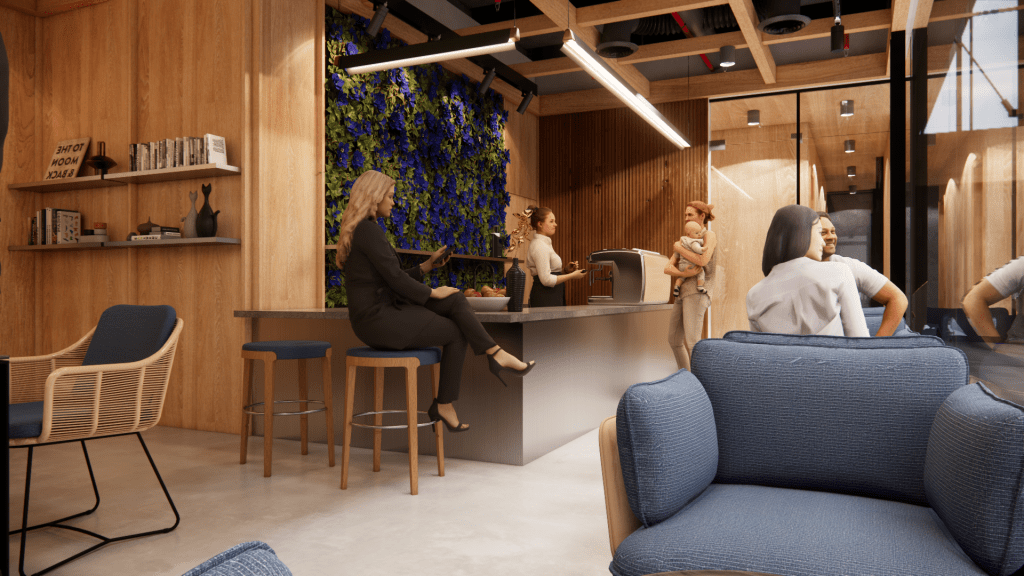
    • Vertical wooden slats partition space with rhythm and warmth—seen in interior walls, ceiling details, and the façade.
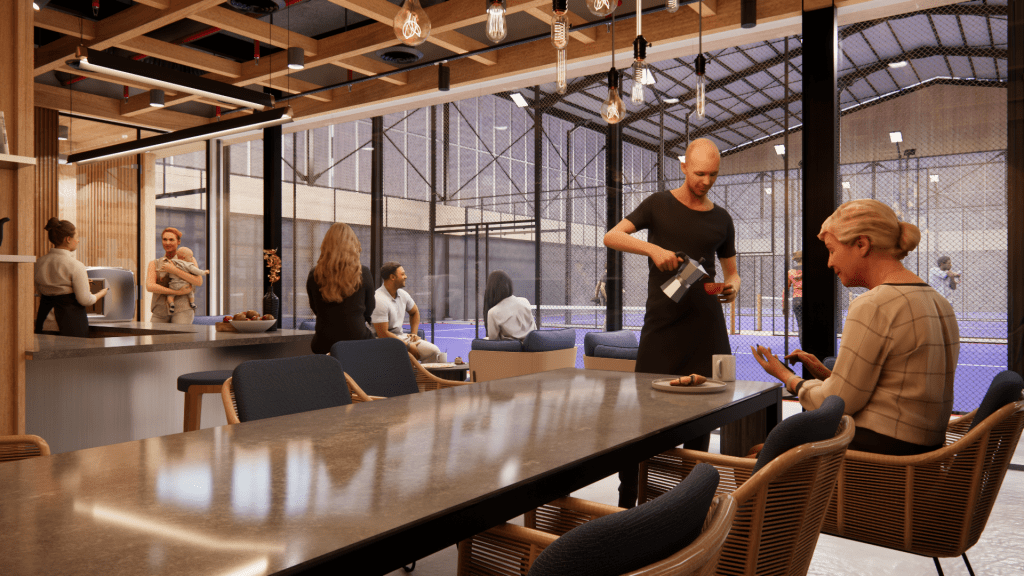
    • Warm ambient lighting washes the dark-toned interiors in a soft glow, setting the mood from dusk till late.
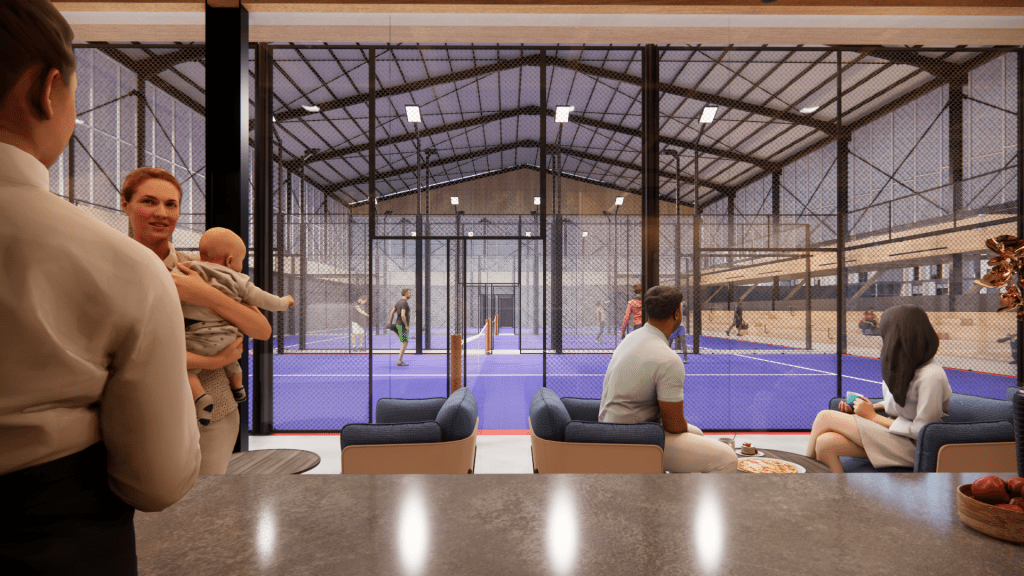
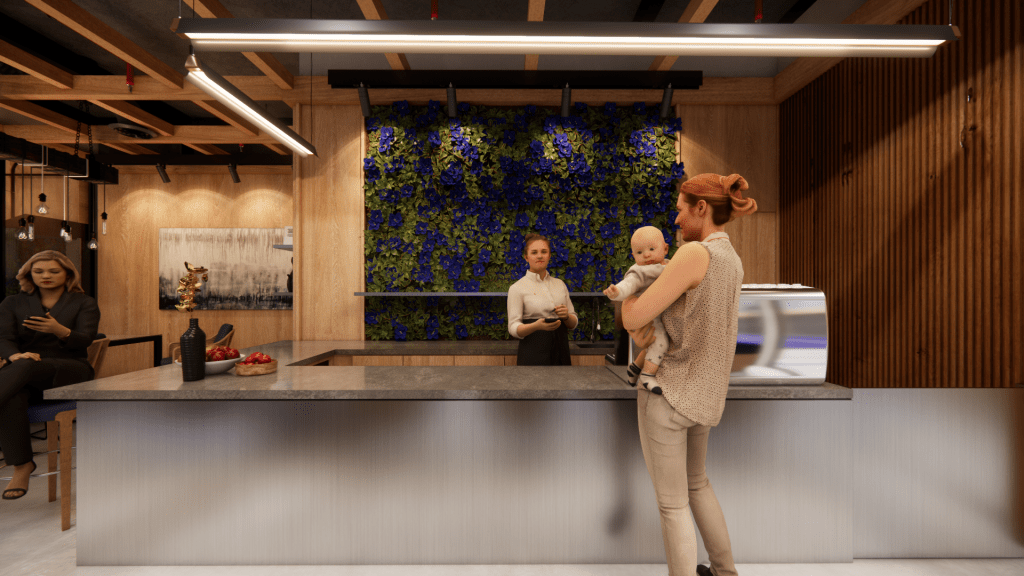
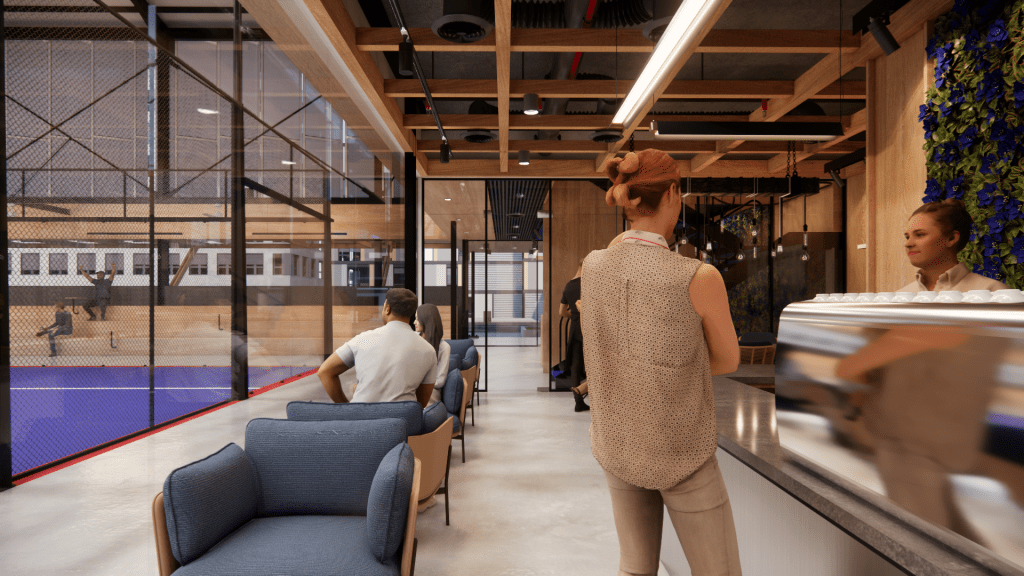
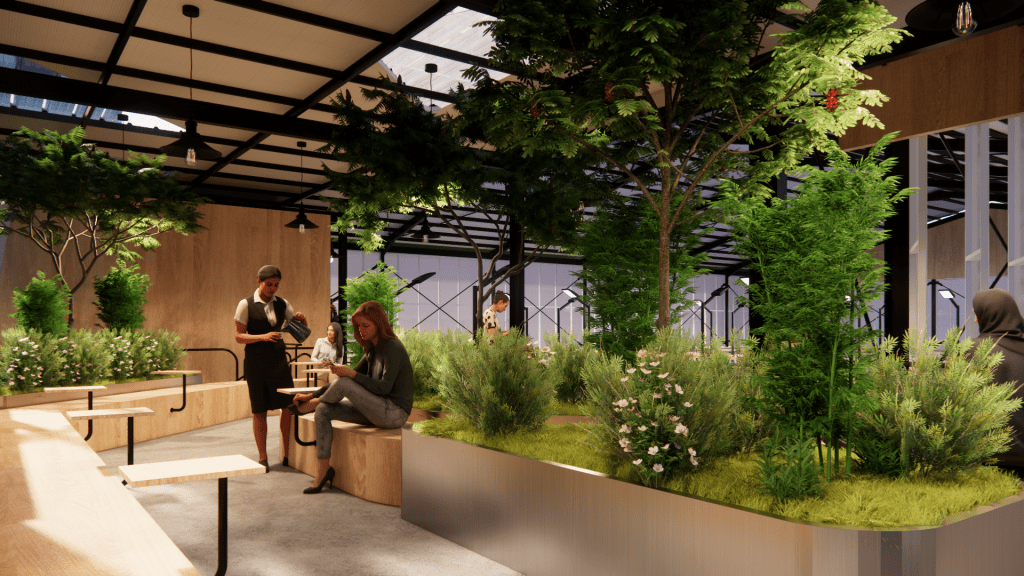
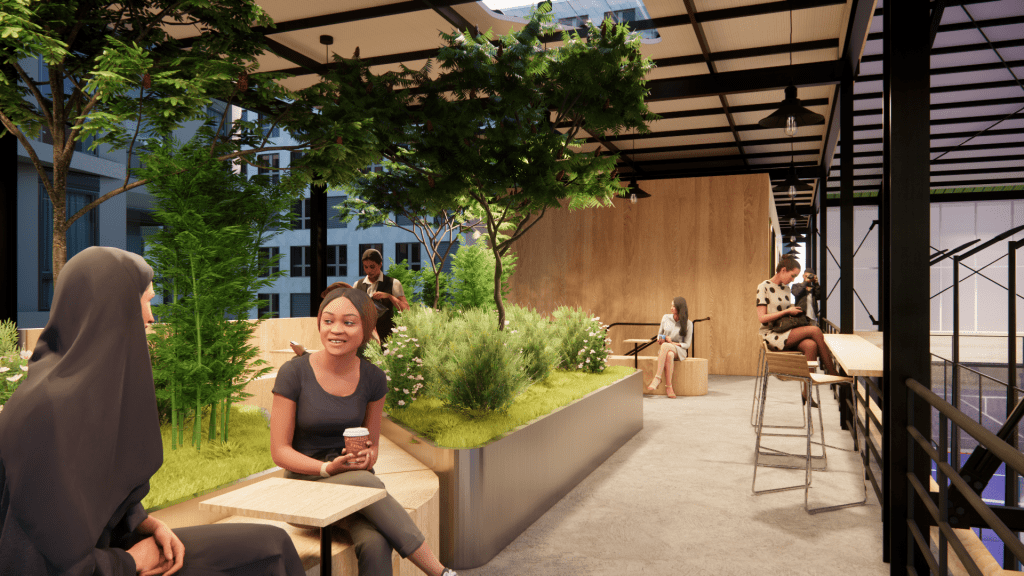
    • Large transparent glass openings blur the boundaries between café, mezzanine, and courts—inviting spectators into the energy of the match.
    Street Culture Meets Ritual

    Here, padel is more than a sport—it’s a ritual. The scent of wood and sweat, the glow of lighting on steel, the silhouette of movement against concrete—every match becomes part of the story. From the court-side seating to the post-game café hangout, every touchpoint is curated to honor the game and the people who play it.

    At The Padel Side, you don’t just play.
    You arrive. You declare. You belong.

    So the only question left is:
    Which side are you on?
  • Pool Hall, Canggu, Bali

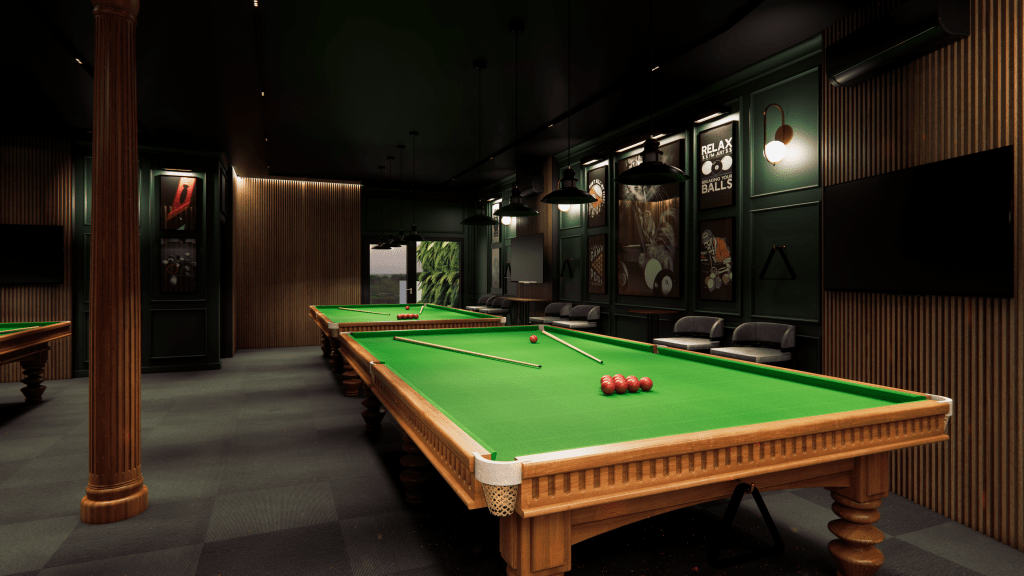
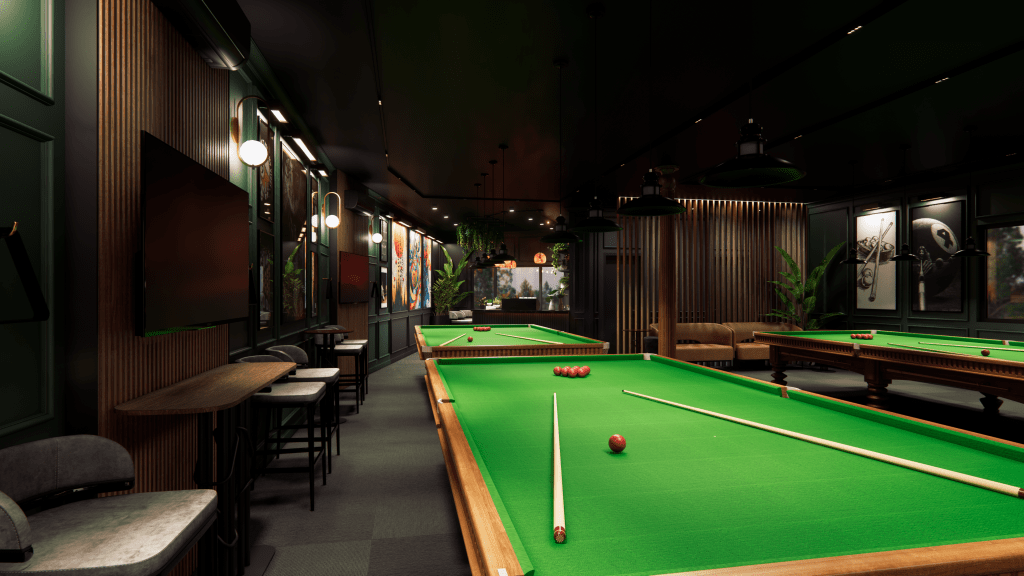
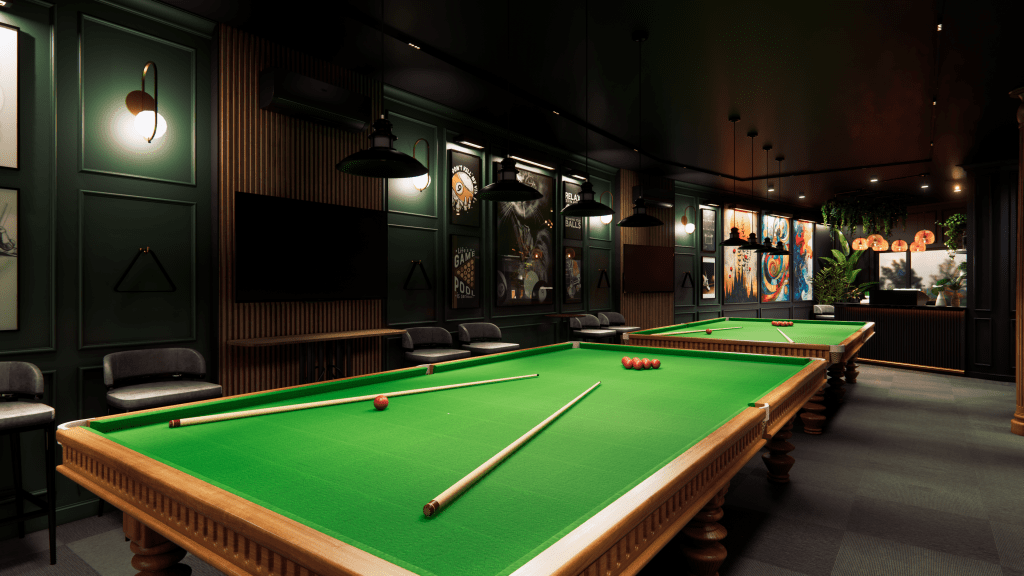
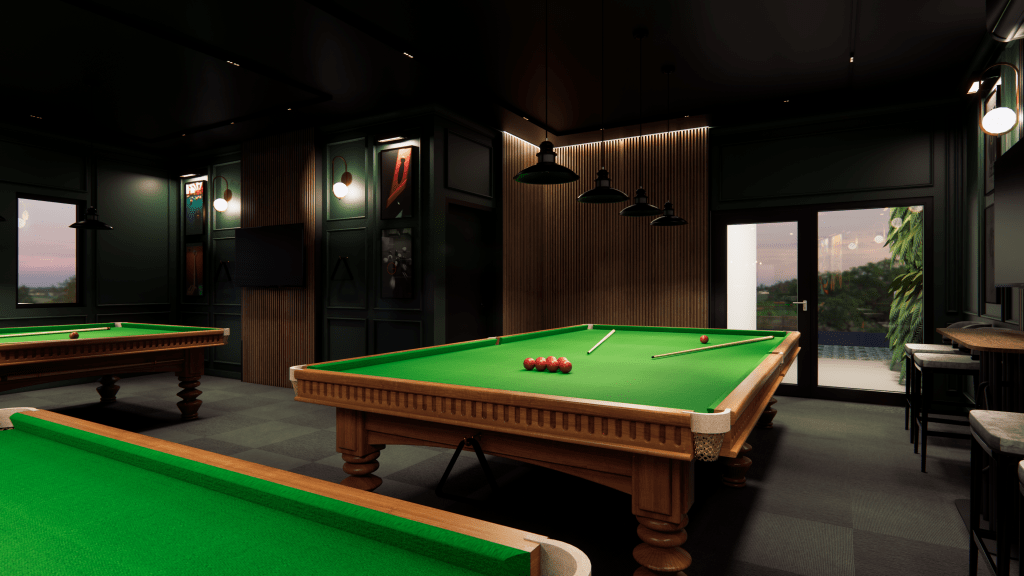
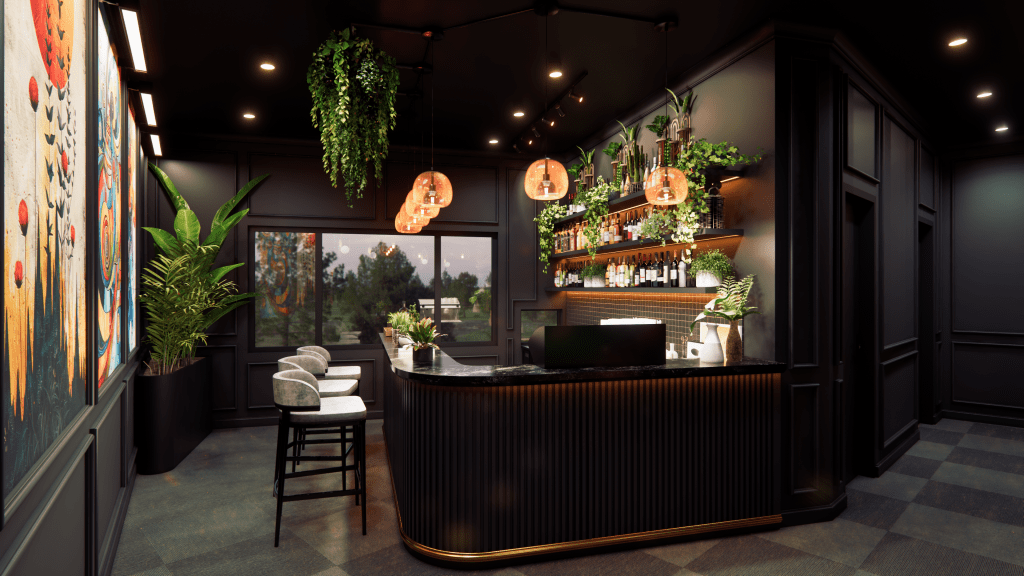
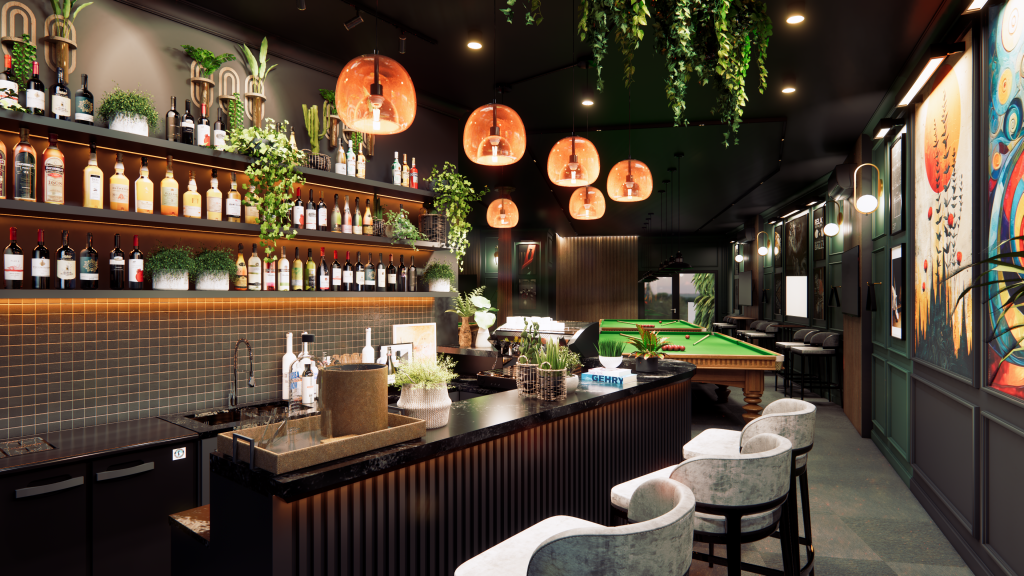
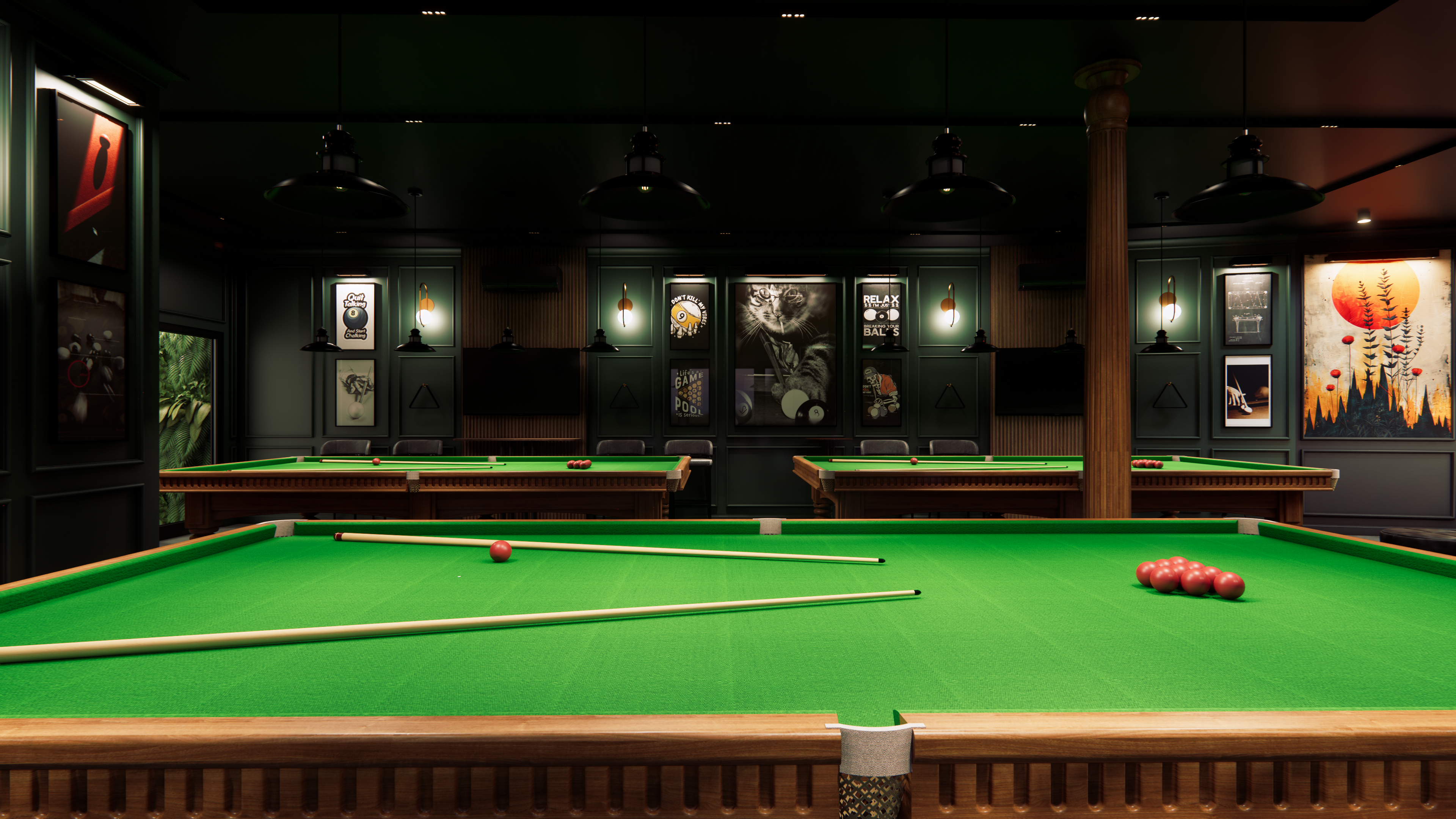
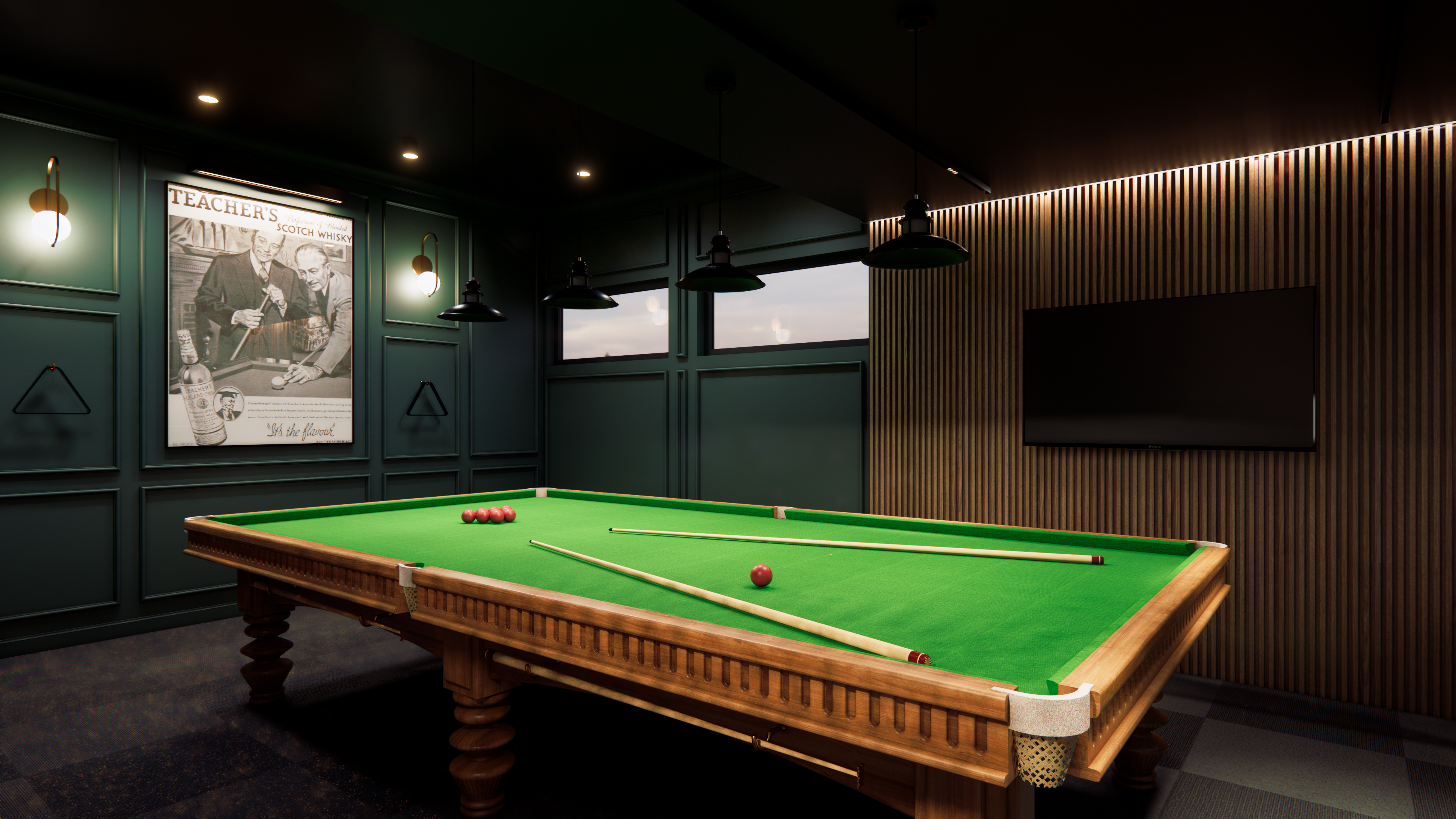
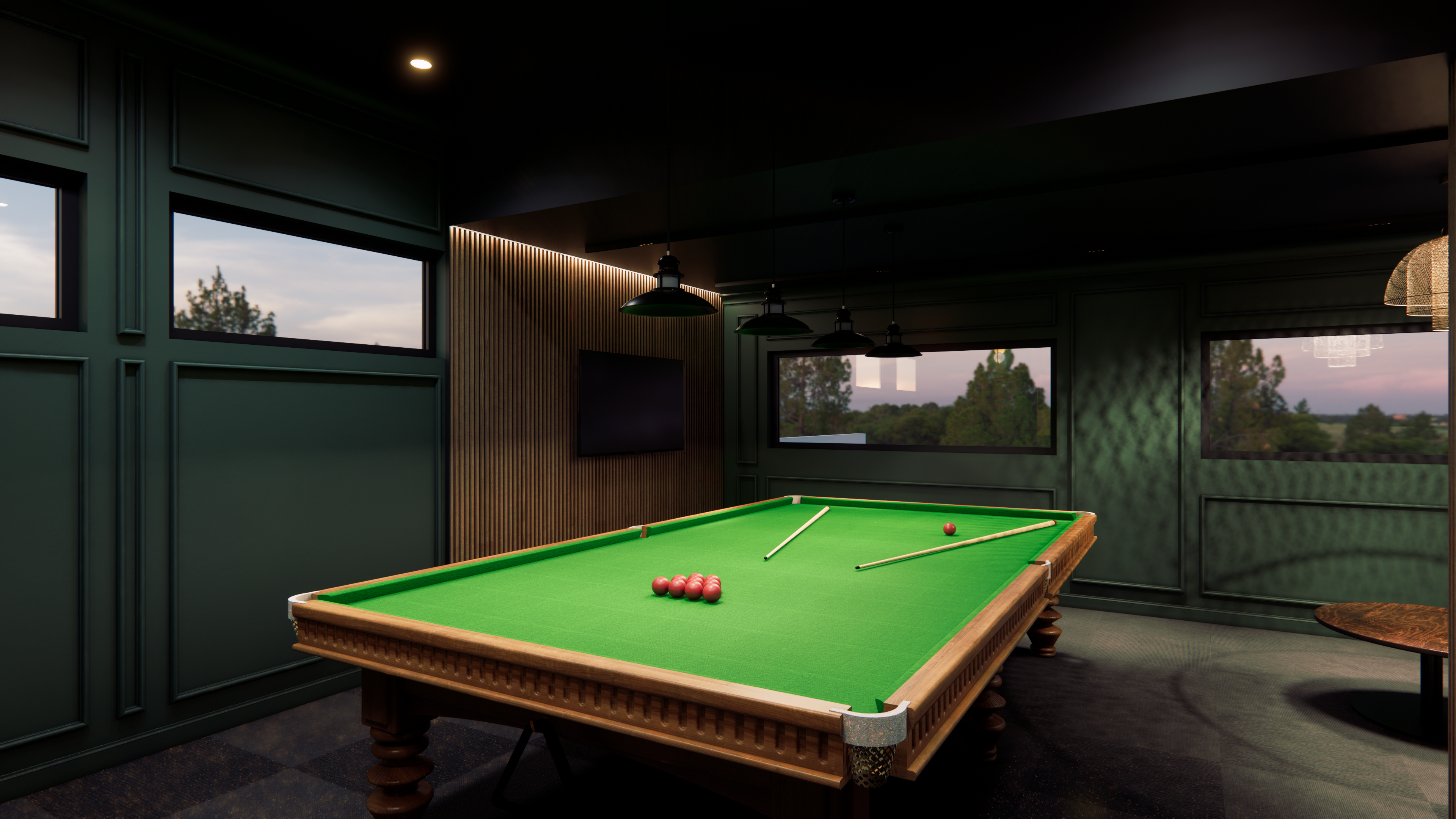
    Tucked away in the ever-evolving creative landscape of Canggu, Bali, this pool hall reimagines leisure through the lens of refined darkness and layered ambiance. Designed as a destination where play meets atmosphere, the space draws inspiration from the raw, expressive mood of underground clubs while embracing the island’s relaxed energy.

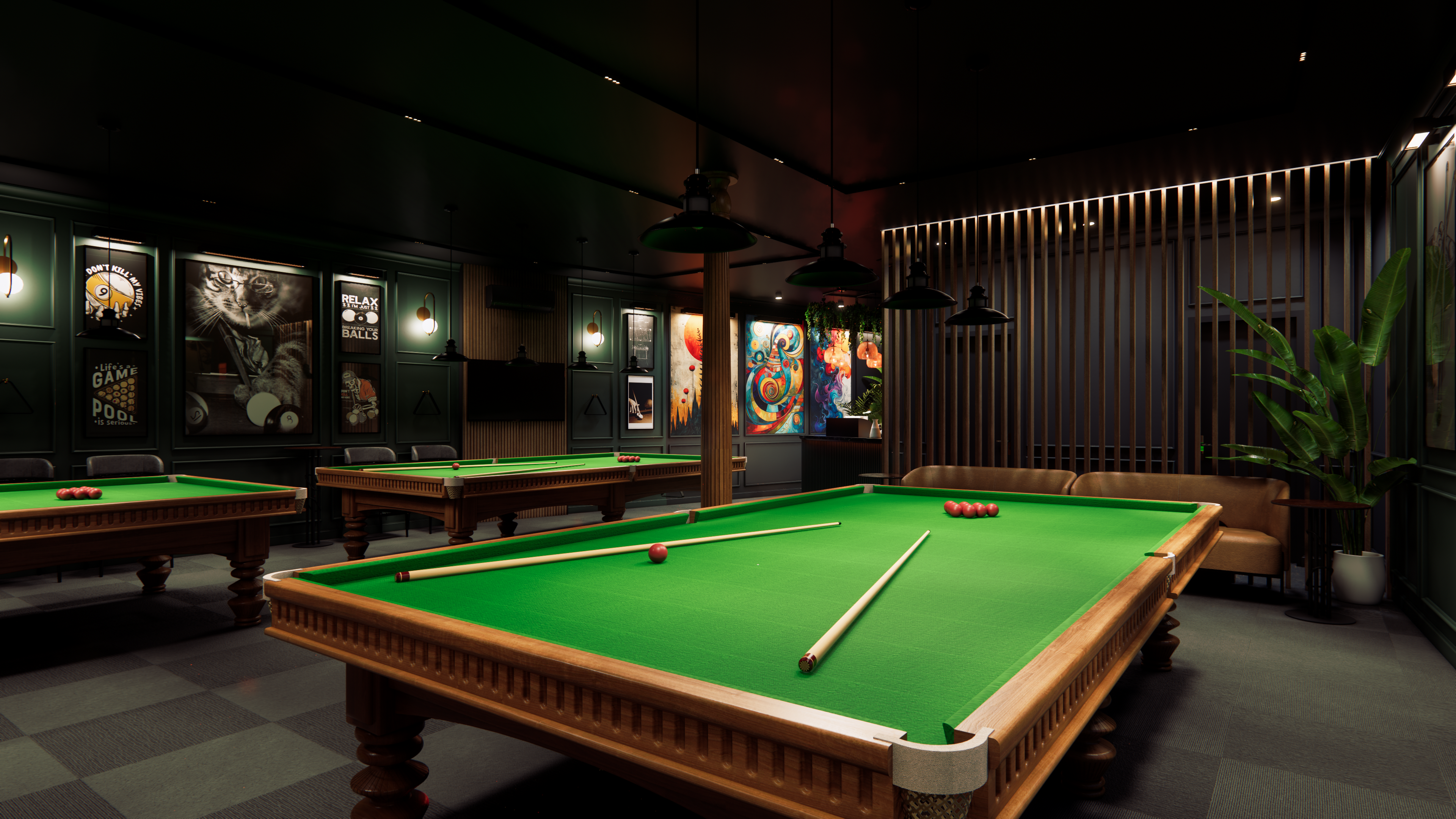
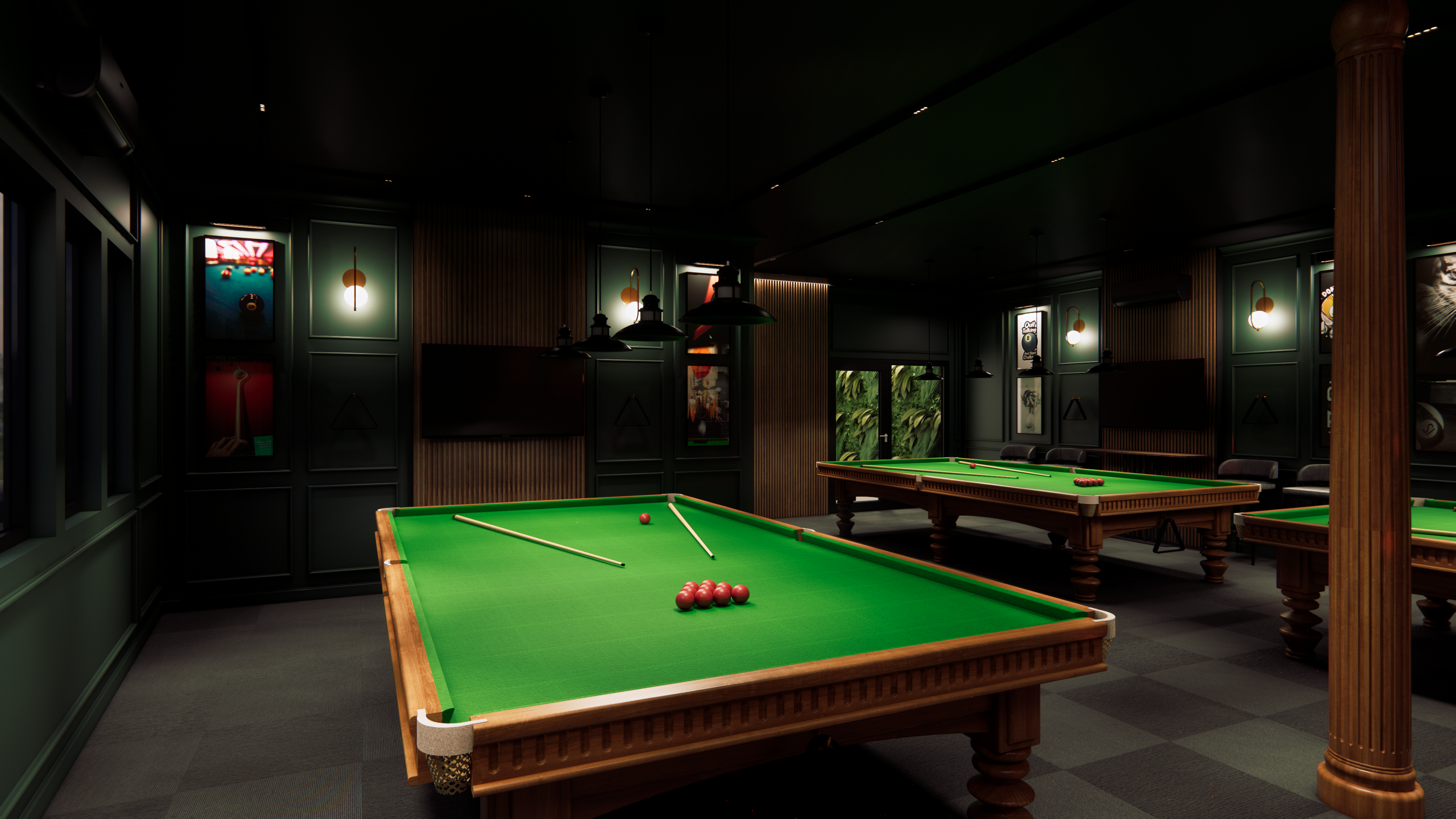
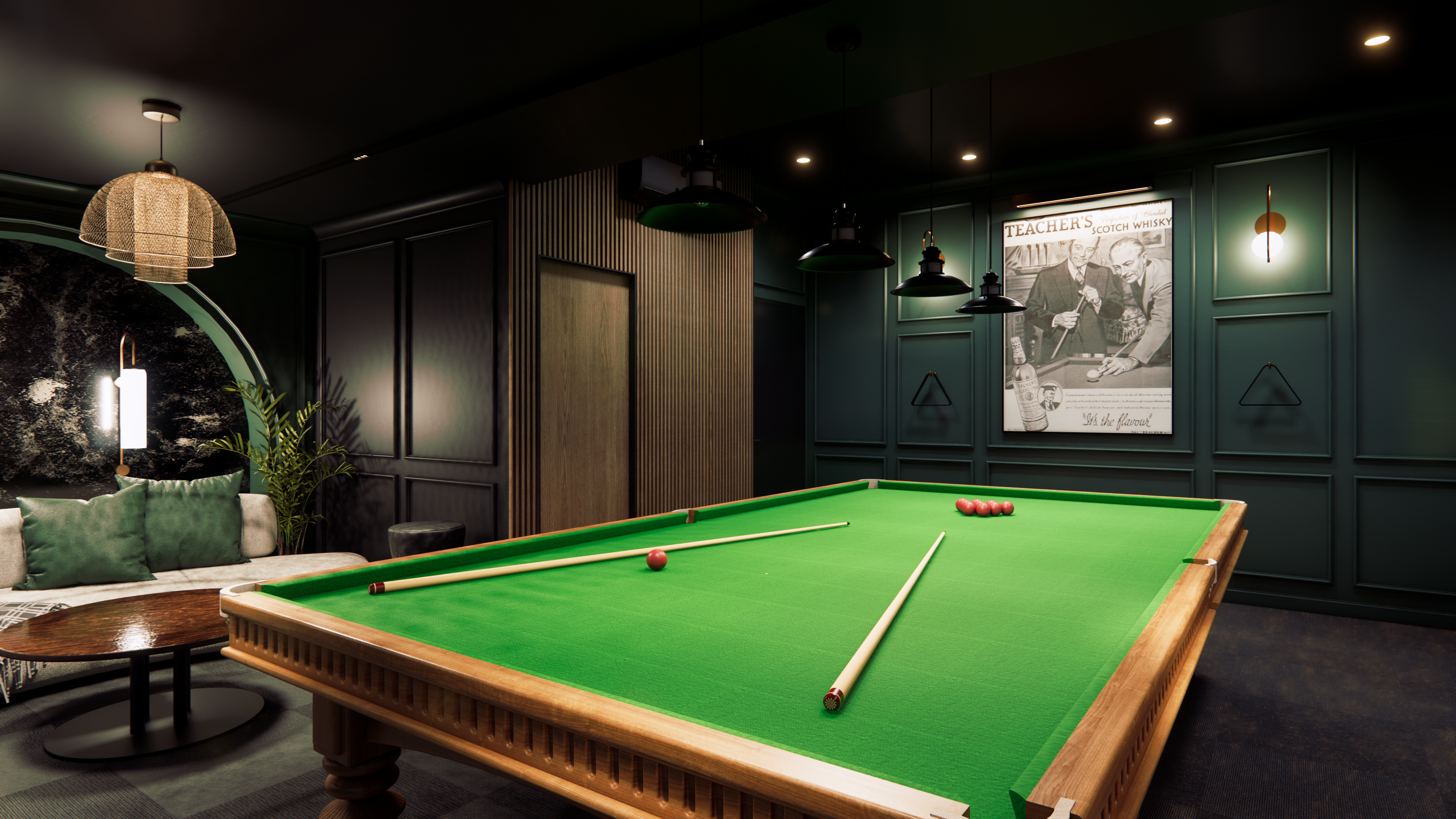
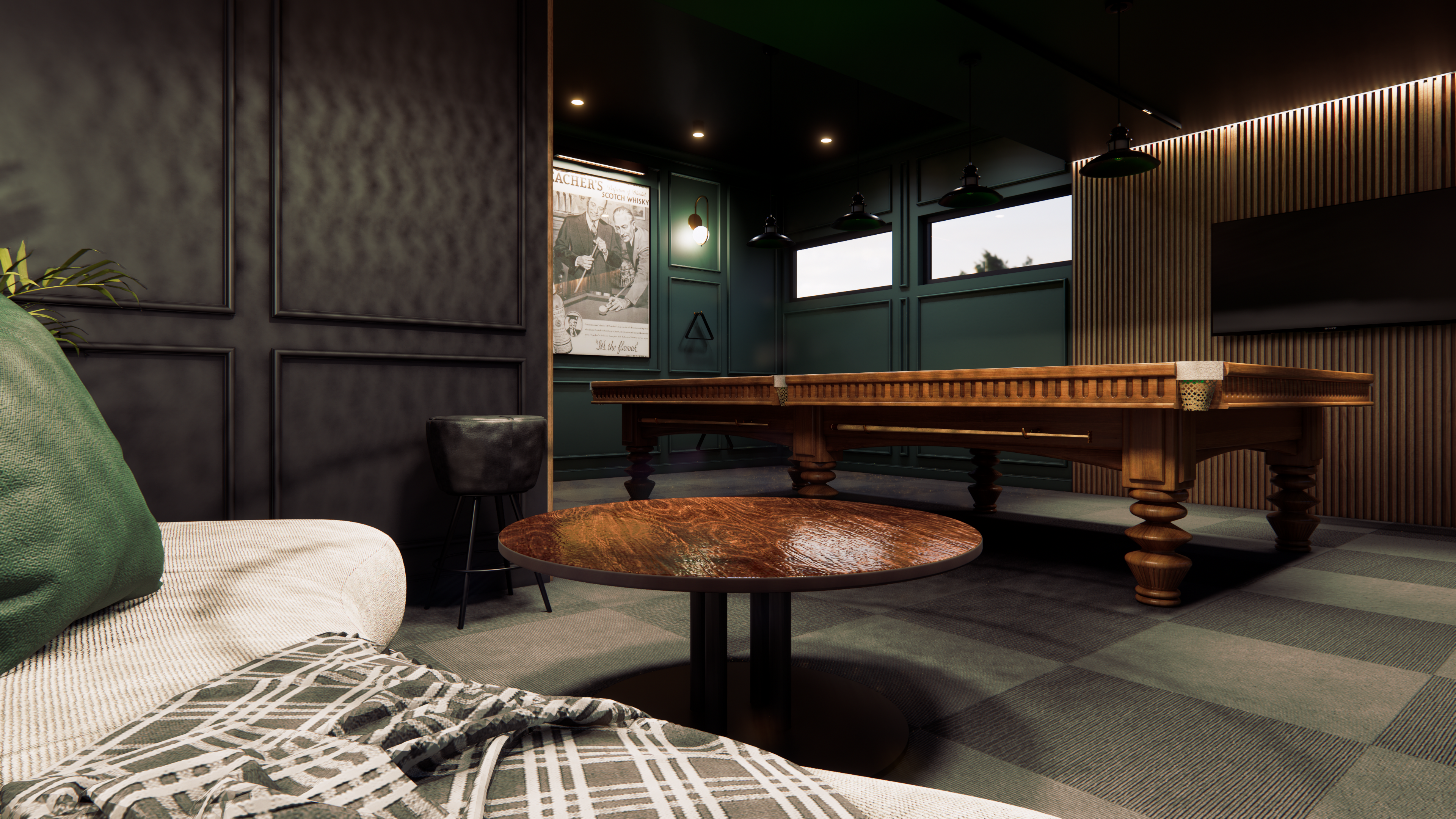
    The overall design is rooted in a dark theme—a bold palette of deep charcoal, matte black, and dark-stained wood textures. These elements form a rich, immersive backdrop that amplifies focus, sophistication, and intimacy. To offset the depth of color, warm ambient lighting is artfully integrated throughout the space. Soft glows illuminate the edges of walls, pool tables, and seating areas, creating a cinematic mood without overwhelming the eye. Lighting becomes more than function—it becomes atmosphere.

    The layout is carefully zoned to balance activity and relaxation. A series of professional-grade pool tables sit at the center of the space, each framed by subtle lighting that isolates and celebrates the game. Around this core, different moods unfold.

    In one corner of the room, a bespoke bar anchors the layout. Designed with a low-profile stone counter and dark timber detailing, the bar is intentionally tucked into the edge of the space—giving it a more intimate, almost speakeasy-like quality. It doesn’t dominate the room; it invites discovery. Here, guests can enjoy crafted cocktails, local spirits, and casual conversation, either perched at the bar or spilling out into nearby standing areas.

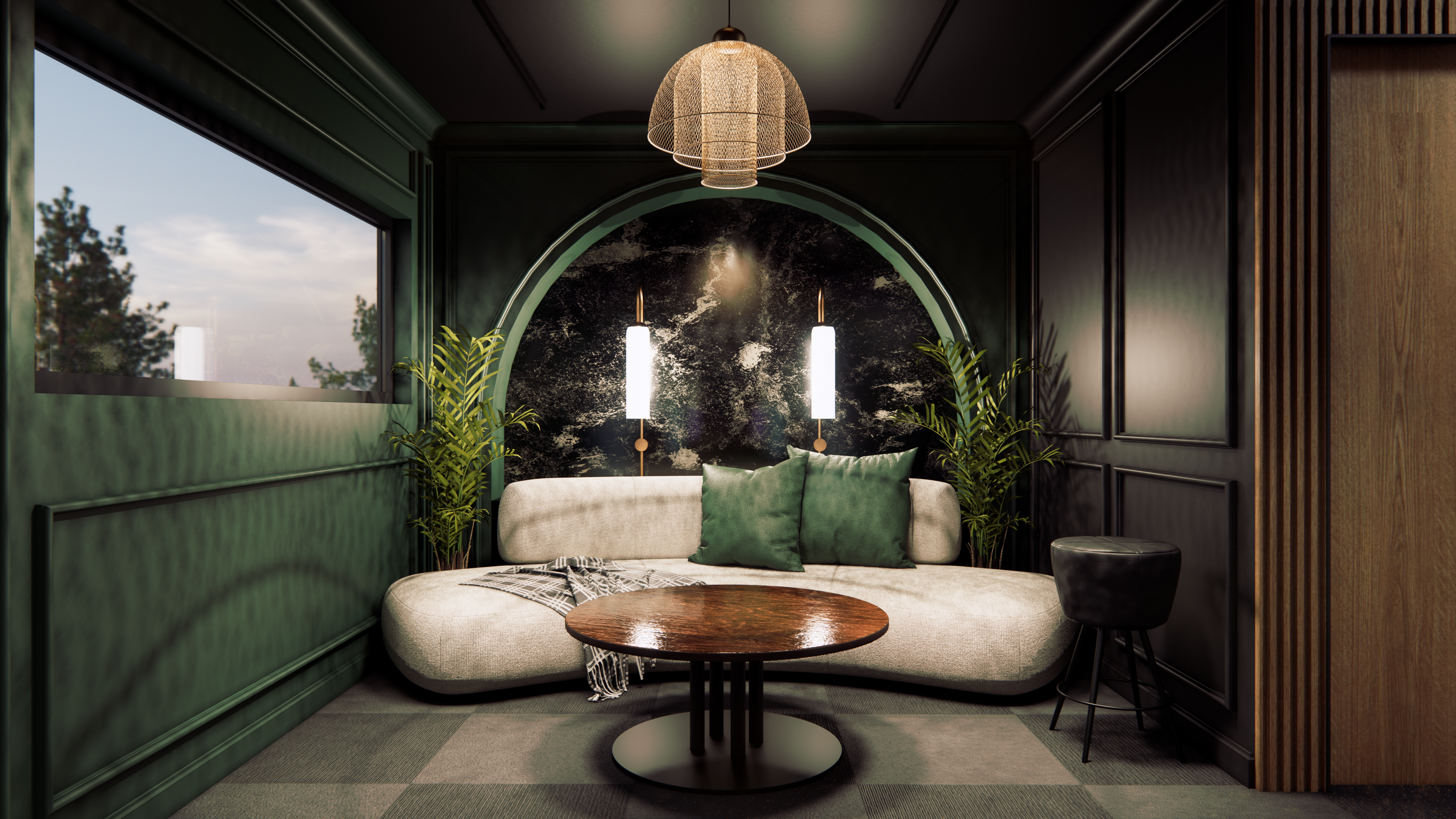
    A lounge zone adds softness and comfort, with plush modular seating, low tables, and gentle ambient music setting the tone. This area allows guests to pause, unwind, and socialize between games. Materiality shifts slightly here introducing velvets, leather, and earthy textures to offer a visual and tactile contrast to the sleek surfaces elsewhere.

    Discreetly set behind a semi-concealed entrance lies the private room a VIP space designed for small groups, intimate gatherings, or exclusive events. The room features its own pool table, customizable lighting, and enveloping acoustics, allowing guests to curate their own atmosphere, apart from the buzz of the main hall.

    This project is more than a pool hall it’s a sensory experience, where design, lighting, and layout come together to create a new kind of social space. With its balance of dark allure and warm hospitality, it captures the evolving spirit of Canggu: creative, moody, and unmistakably cool.

  • Three-Story Hybrid Home-Office

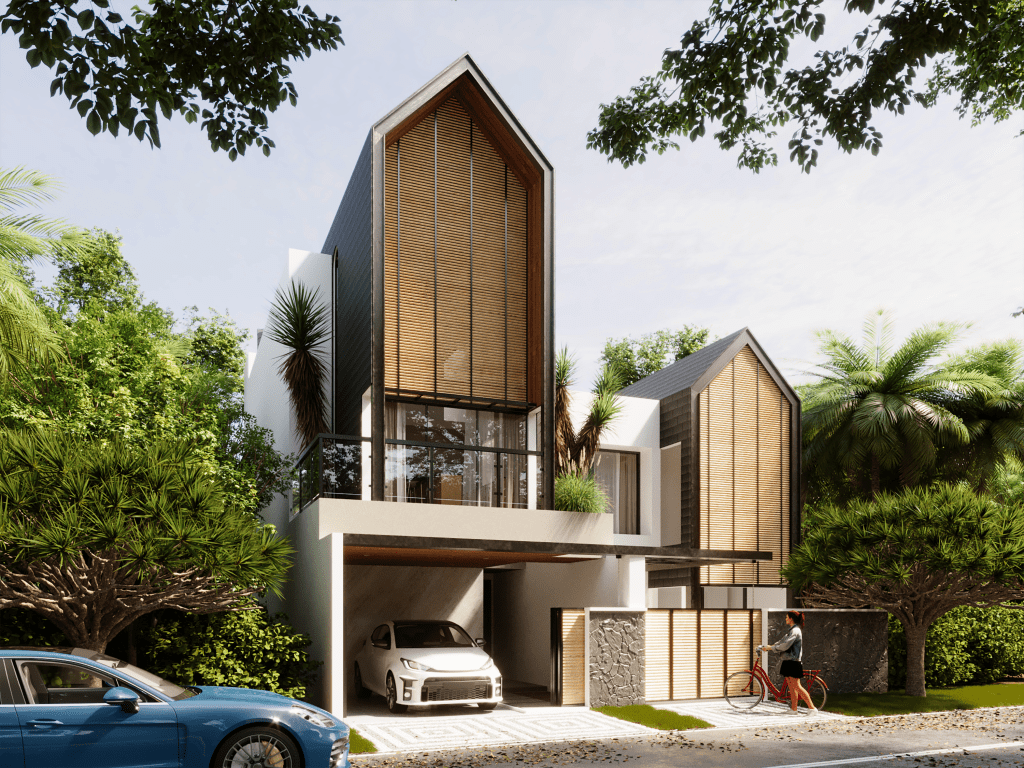
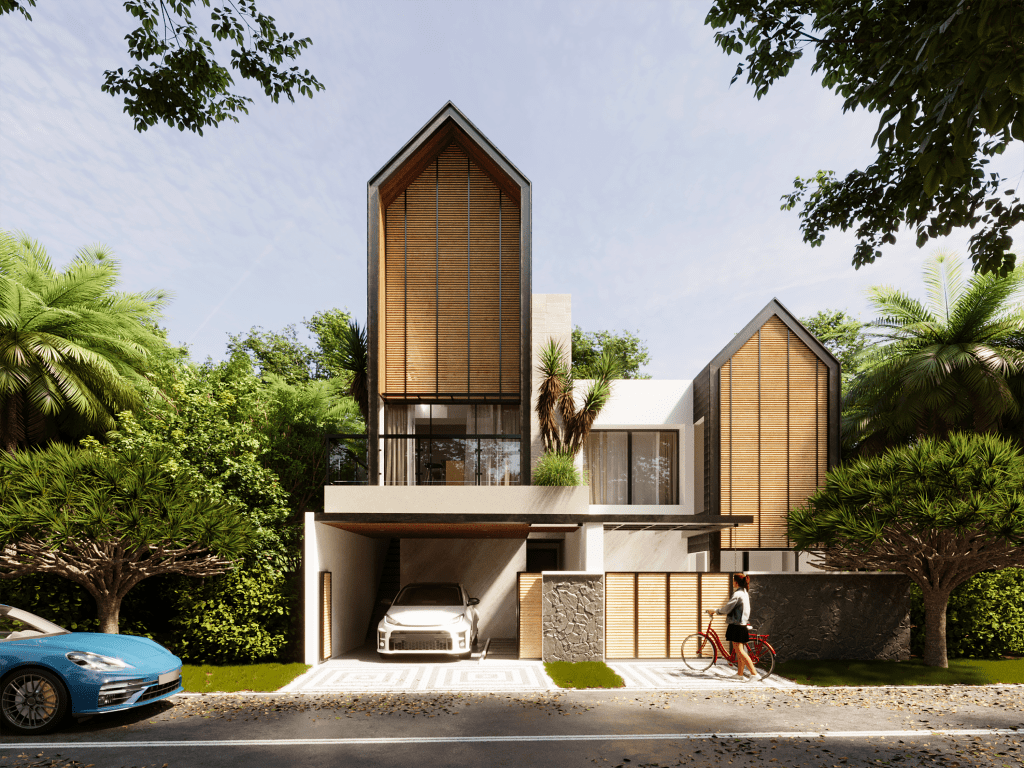
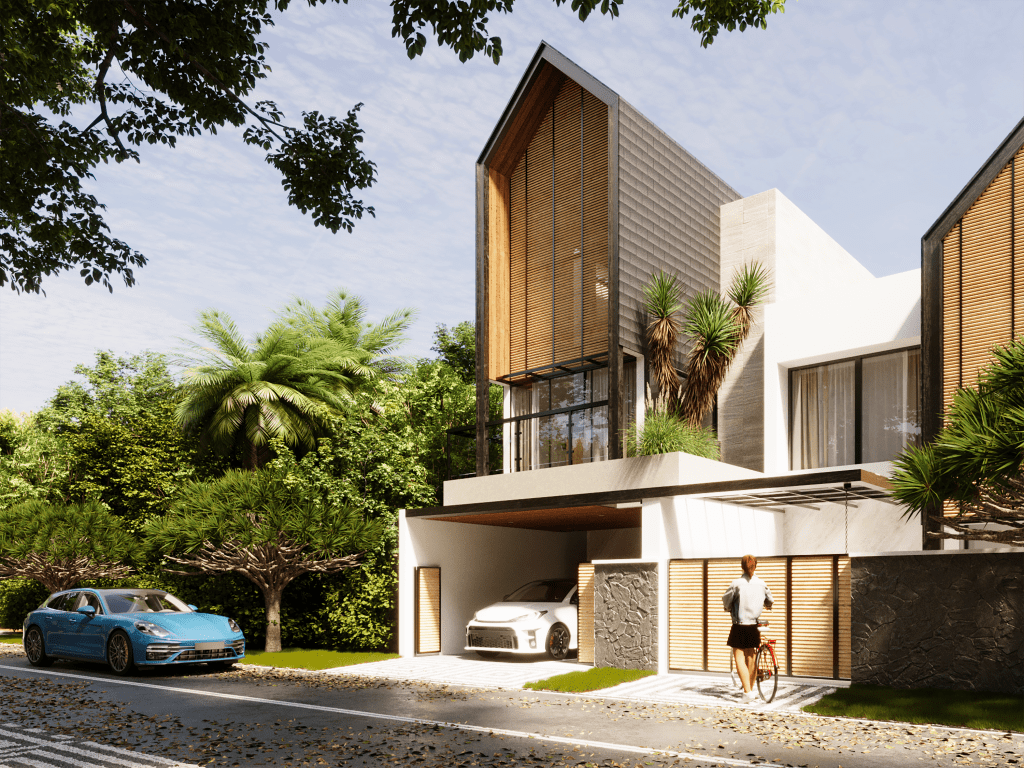
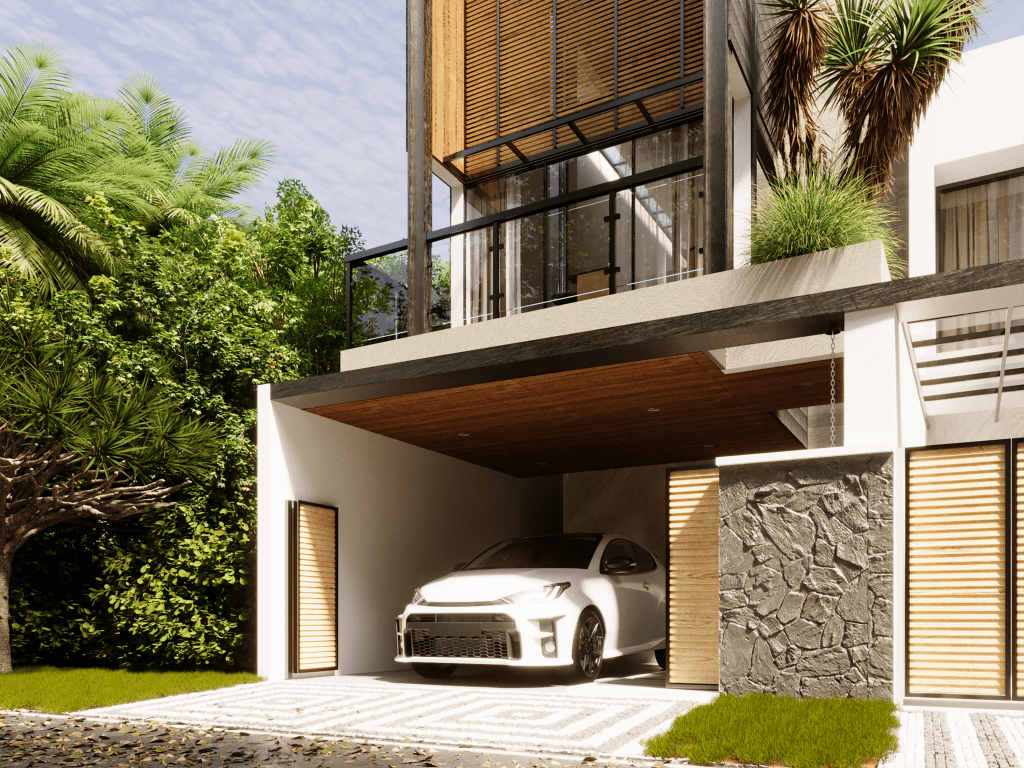
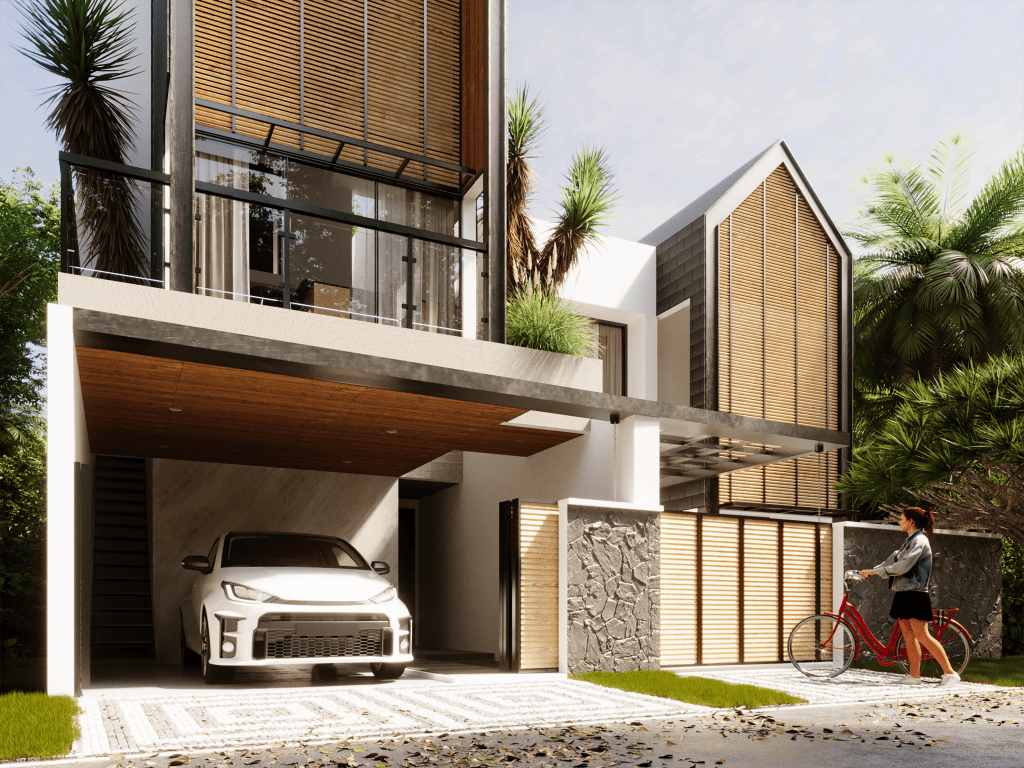
    In today’s dynamic world, the boundaries between living and working are increasingly blurred. This has led to a rise in hybrid architectural designs. A three-story hybrid house office caters to modern needs for functional spaces. It allows for seamless transitions between personal and professional lives. Here’s how architectural principles and innovative design come together to create an inspiring and efficient environment.

    Balancing Form and Function

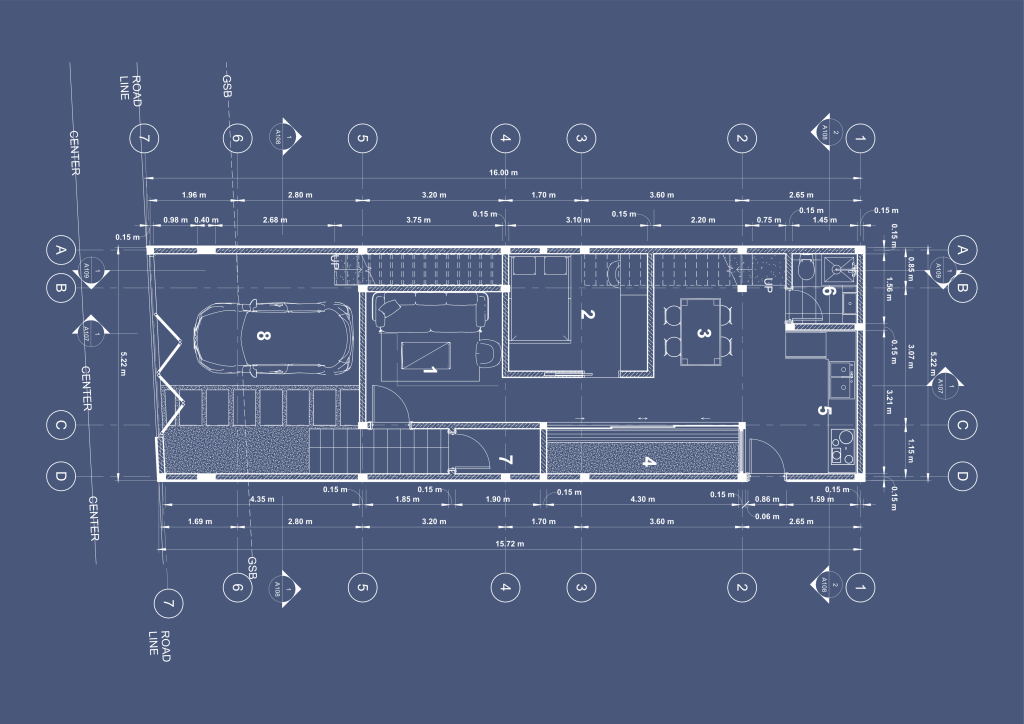
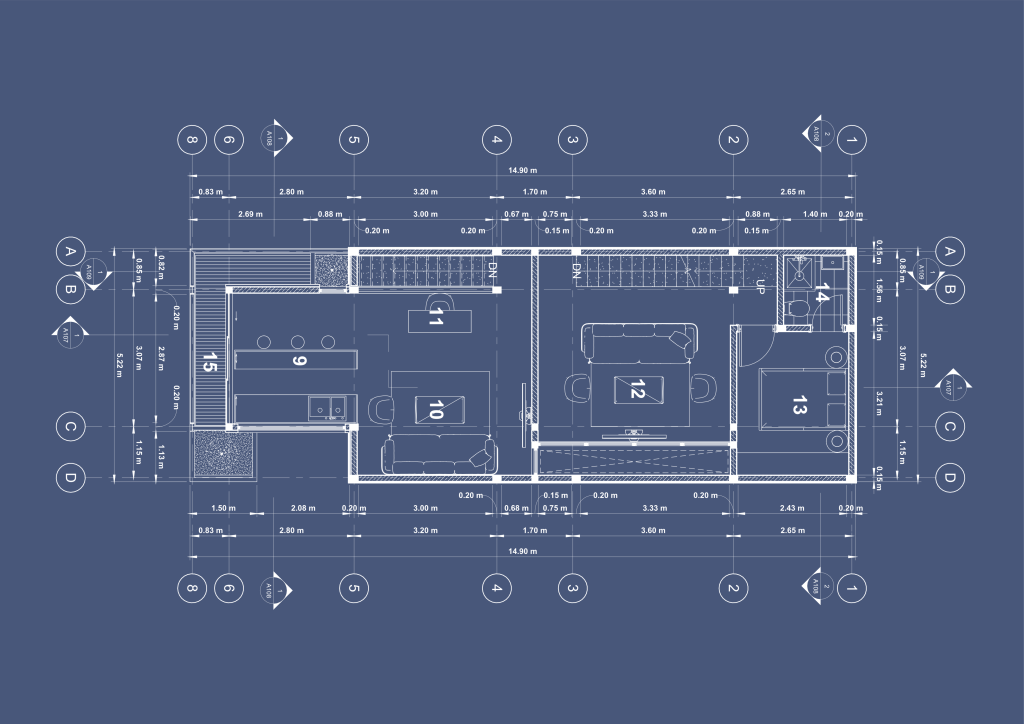
    The key to a hybrid design is striking the right balance between functionality and aesthetic appeal. For a three-story house-office, each level must serve its purpose while maintaining harmony:

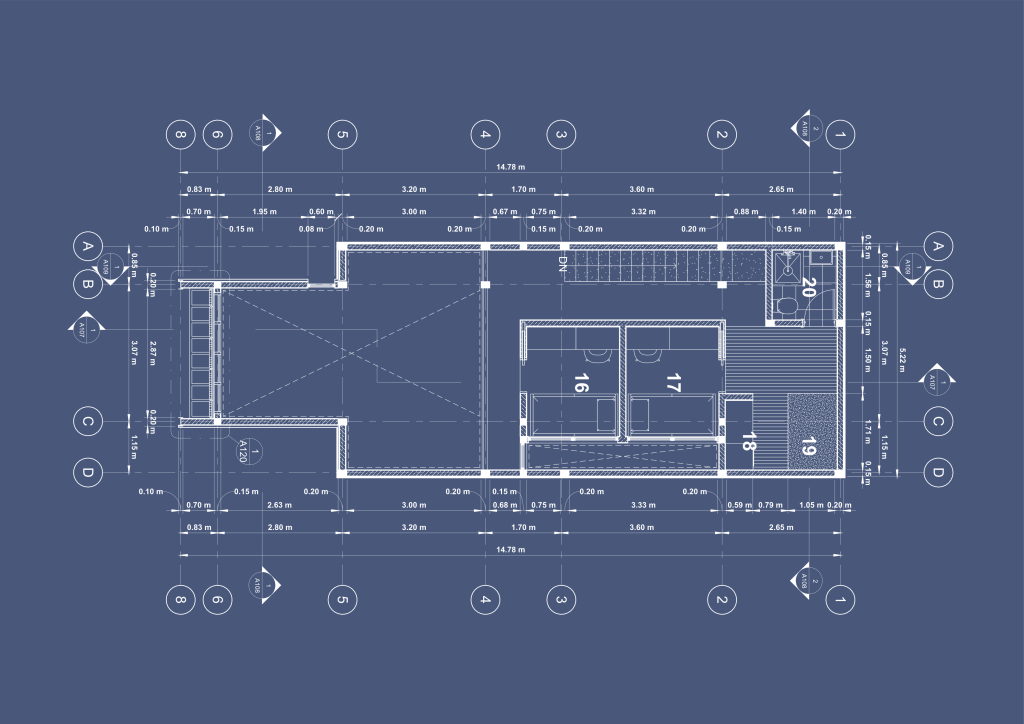
    • Ground Floor: The entryway and shared spaces like a reception or meeting room should make an excellent first impression. Ample natural light and inviting materials, like wood or stone, create warmth while maintaining professionalism.
    • Second Floor: This level is ideal for office functions—private workspace, team collaboration areas, and a small pantry. To guarantee productivity, acoustically treated walls, and ergonomic designs are a must.
    • Third Floor: Reserved for residential spaces, this level offers privacy. Comfortable bedrooms, a living area, and a small terrace create a sanctuary away from the hustle of work.

    Efficient Space Zoning

    Separating public and private zones is essential in a hybrid design. This can be achieved with:

    1. Dedicated Entrances: Separate doors for the office and home areas ensure privacy and smooth access for clients.
    2. Vertical Partitioning: Using the natural separation of floors prevents overlapping noise and activity between zones.
    3. Flexible Layouts: Multi-functional rooms, such as a guest room doubling as a home office, provide adaptability for future needs.

    Aesthetic and Cultural Sensitivity

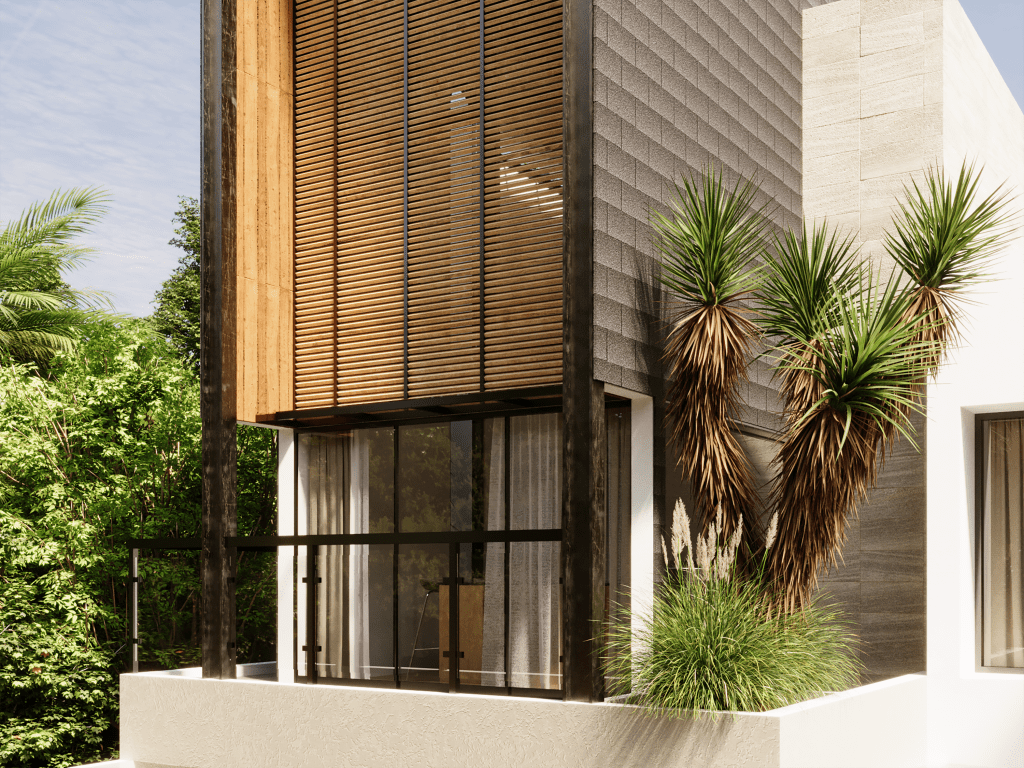
    Incorporating local architectural elements can create a unique character. For example, in Indonesia, blending Scandinavian simplicity with Javanese accents—such as batik-inspired wall art or traditional joglo rooflines—can produce a design that resonates culturally and remains contemporary.

    Sustainability as a Priority

    Eco-friendly practices enhance the appeal and functionality of hybrid spaces. Here are some sustainable design strategies:

    • Passive Cooling and Lighting: Large windows and cross-ventilation reduce the need for artificial climate control.
    • Green Roof or Terrace Garden: A rooftop garden adds insulation, reduces heat, and creates a relaxing escape.
    • Recycled Materials: Incorporating recycled wood or repurposed bricks adds charm while minimizing the environmental footprint.

    Technology Integration

    Smart systems make hybrid living more efficient. Automated lighting, temperature controls, and security systems enable a seamless transition between living and working environments. Video conferencing facilities, high-speed internet, and ergonomic furniture ensure the office area meets modern demands.

    Conclusion

    Designing a three-story hybrid home-office is both an art and a science. By blending form, functionality, and sustainability, architects can create spaces that inspire productivity and promote well-being. Whether it’s for entrepreneurs, freelancers, or small business owners, a well-thought-out hybrid design transforms the way we live and work.

    Ready to turn your dream hybrid space into reality? Let us help you design a house-office tailored to your lifestyle and needs.