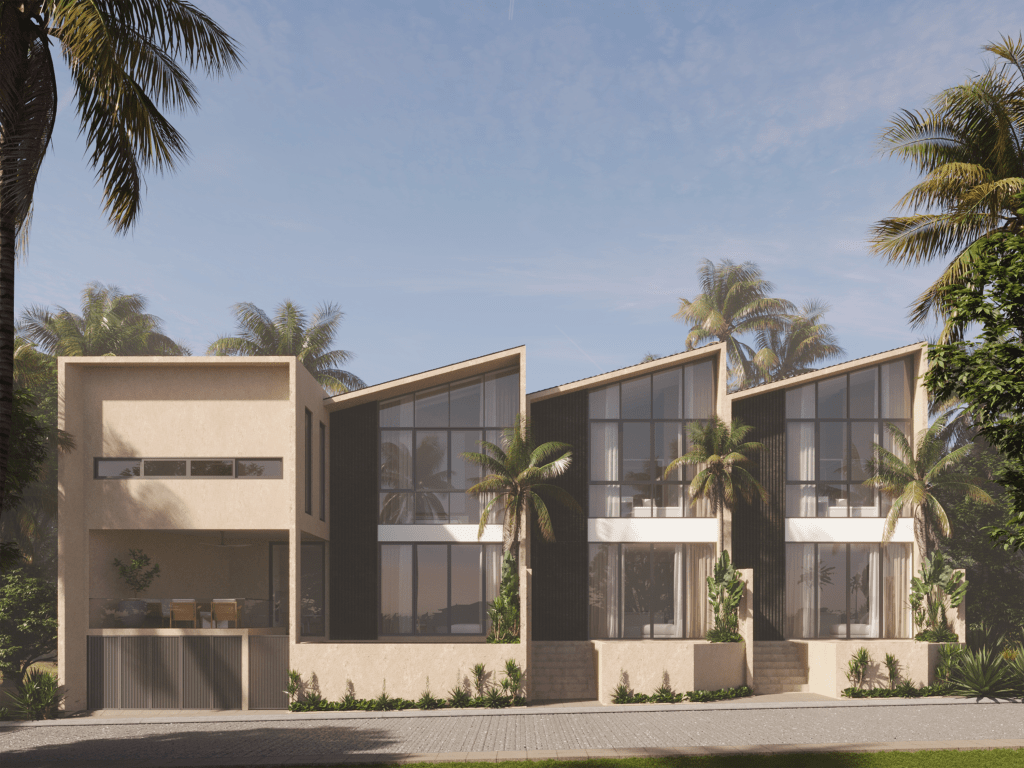
Architectural visualization has revolutionized the way real estate projects are marketed, allowing potential buyers to experience the ambiance and design of a space even before it is constructed. This blog post delves into the creation of an architectural visualization project for a high-end apartment villa in Bali, designed to attract a discerning audience seeking tropical elegance, modern functionality, and cultural authenticity.
Project Overview
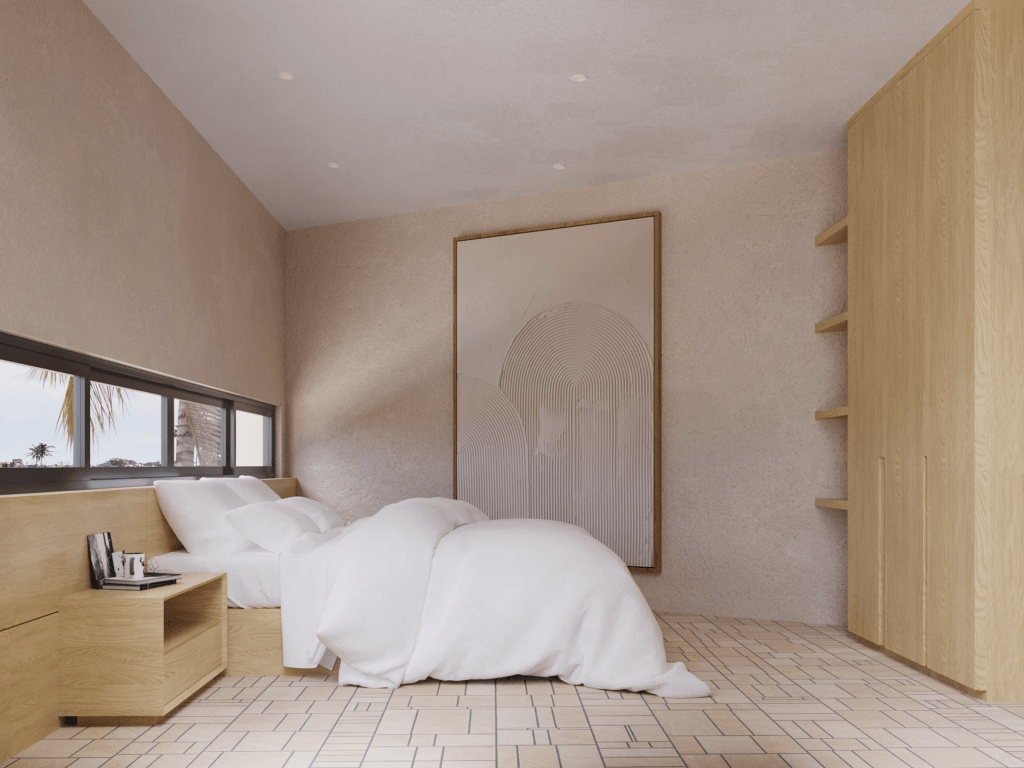
The goal of this project was to create a visually striking advertisement for an upscale villa-style apartment in Bali. Combining modern design elements with Balinese aesthetics, the visualization captures the serenity and sophistication of island living. Using advanced rendering techniques and thoughtful design, the project is tailored to immerse prospective buyers in a life of luxury and relaxation.
Visualization Highlights
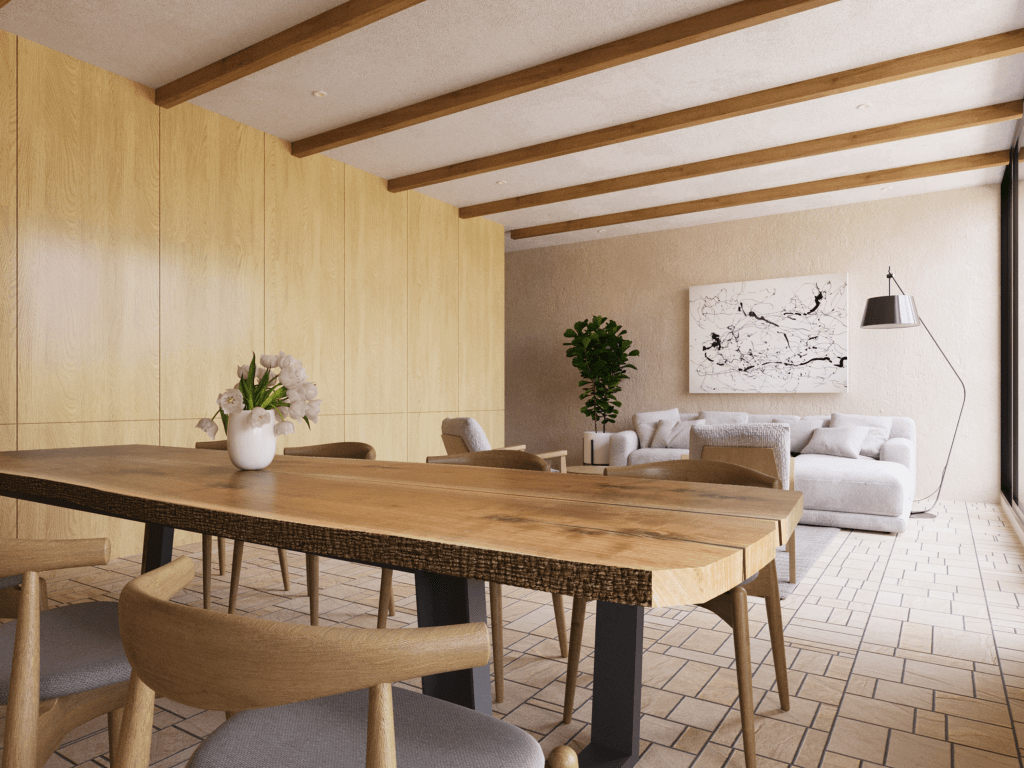
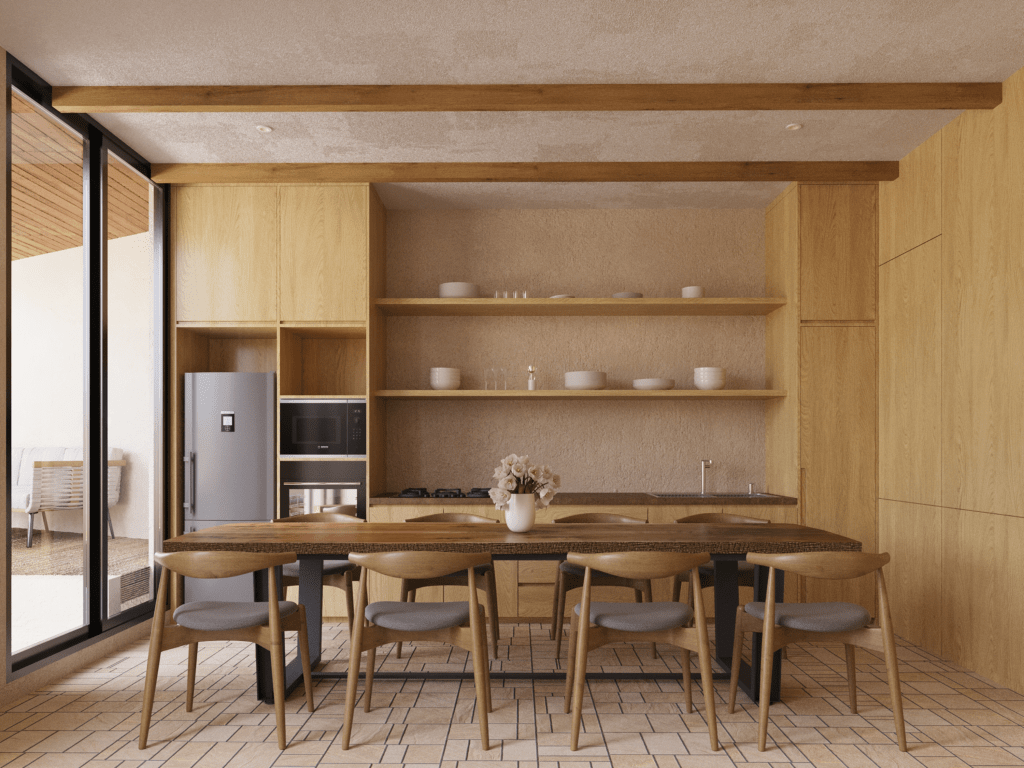
The visualization showcases the interior’s balance of natural light, neutral tones, and textural depth. Here are some key elements captured in the imagery:
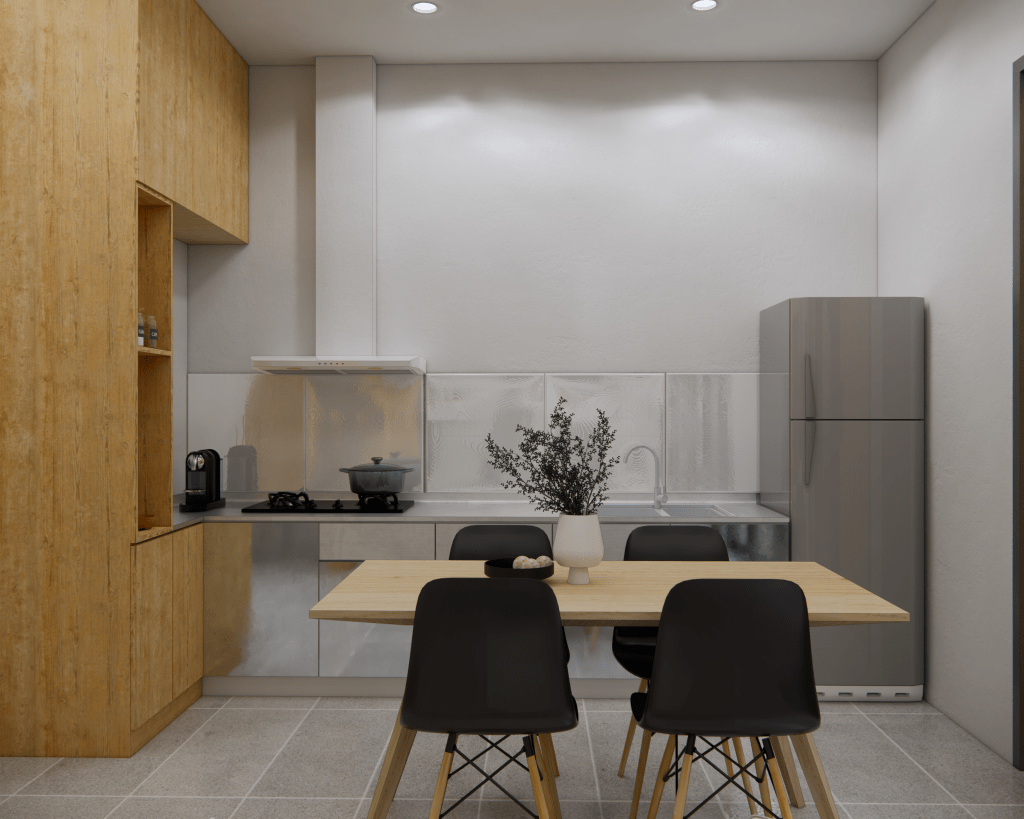
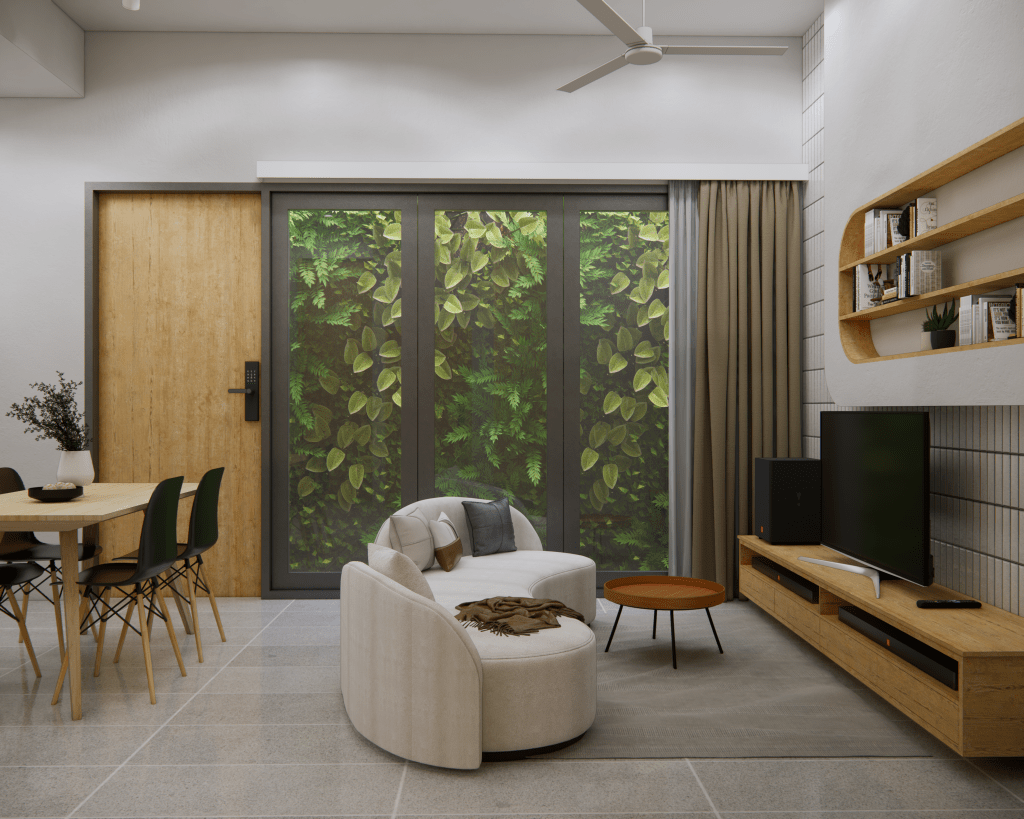
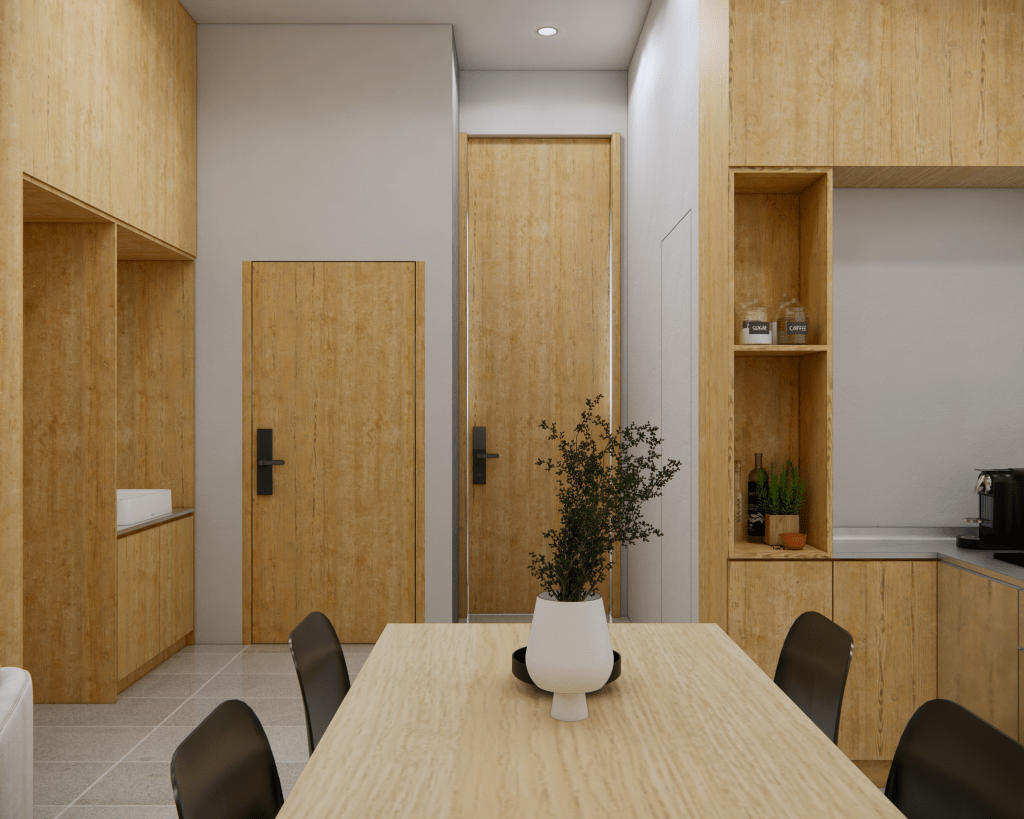
1. Dining Area: A live-edge wooden dining table serves as the centerpiece, exuding a natural and organic vibe. Surrounded by ergonomic chairs, the setup is ideal for family meals or entertaining guests.
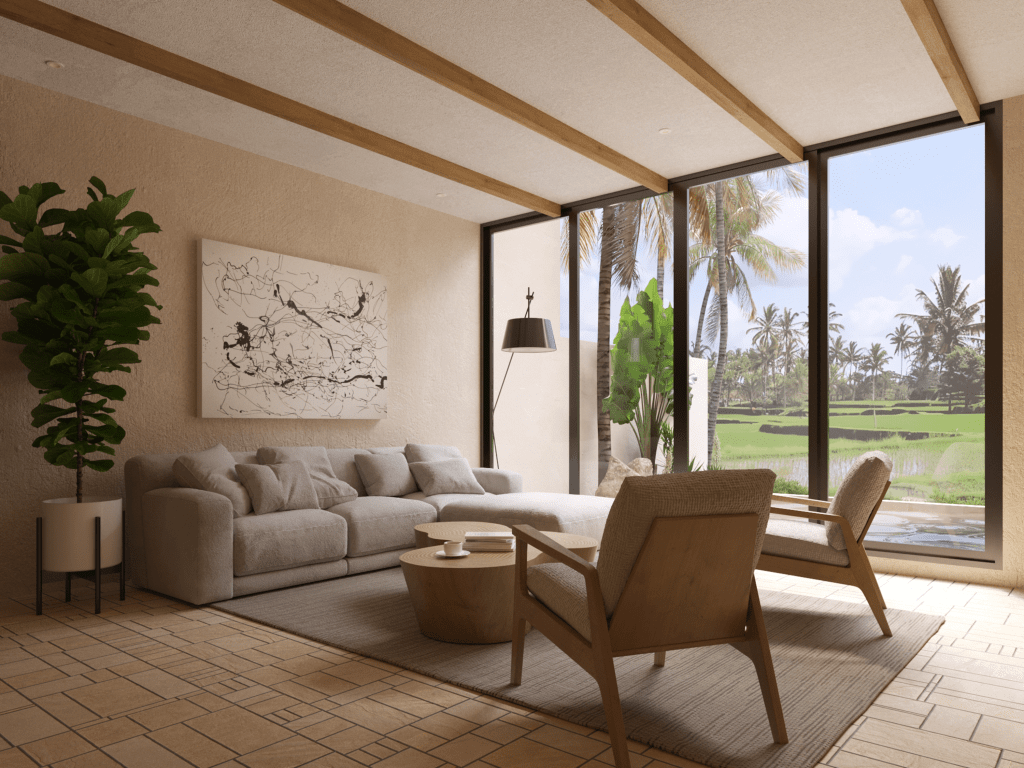
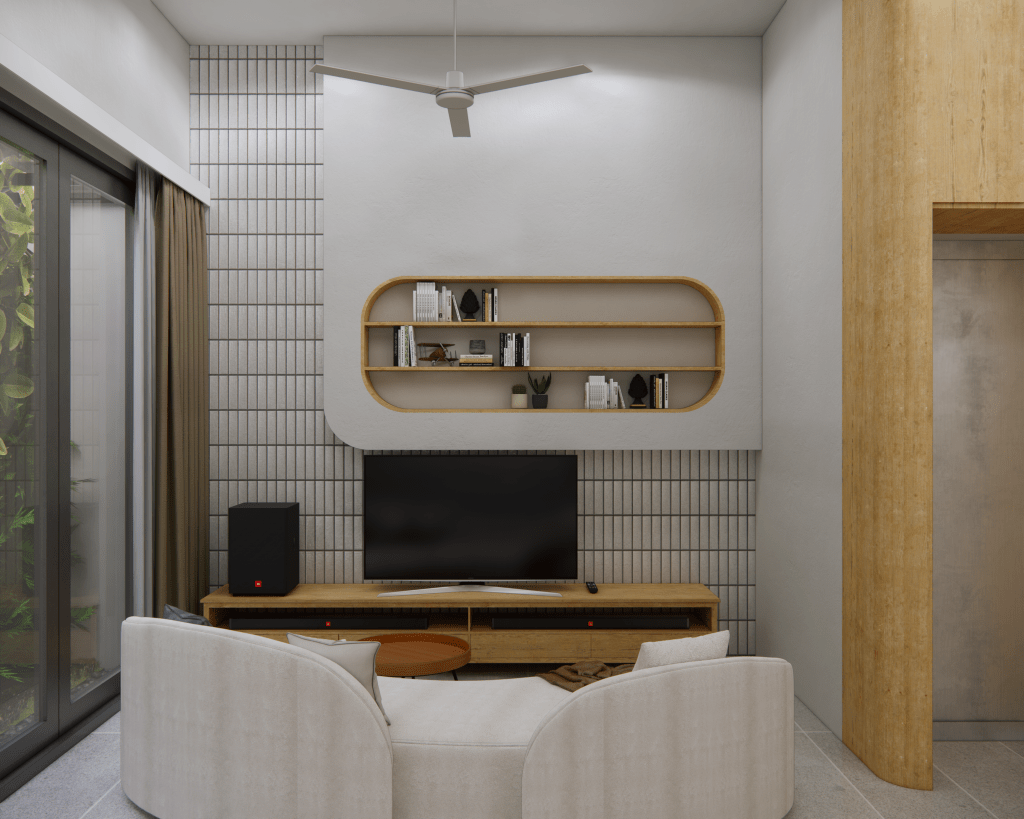
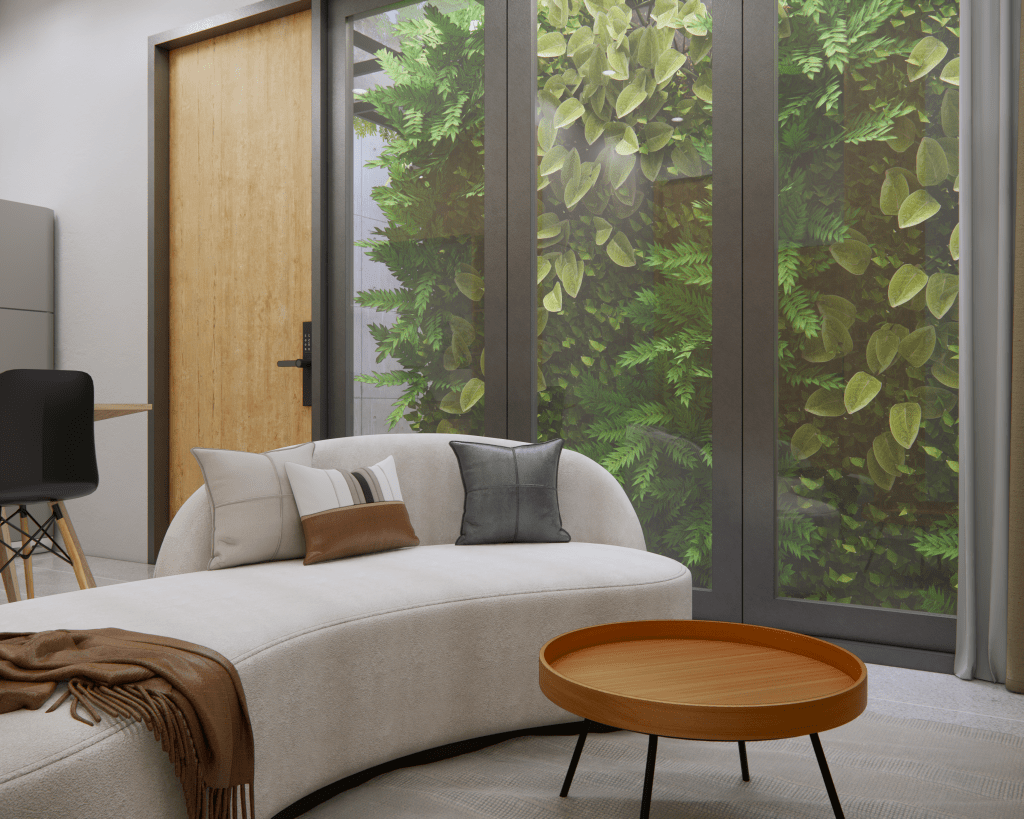
2. Living Space: The cozy living area is designed with plush white sofas, accentuated by indoor greenery. A contemporary floor lamp and abstract wall art bring modernity to the traditionally inspired room.
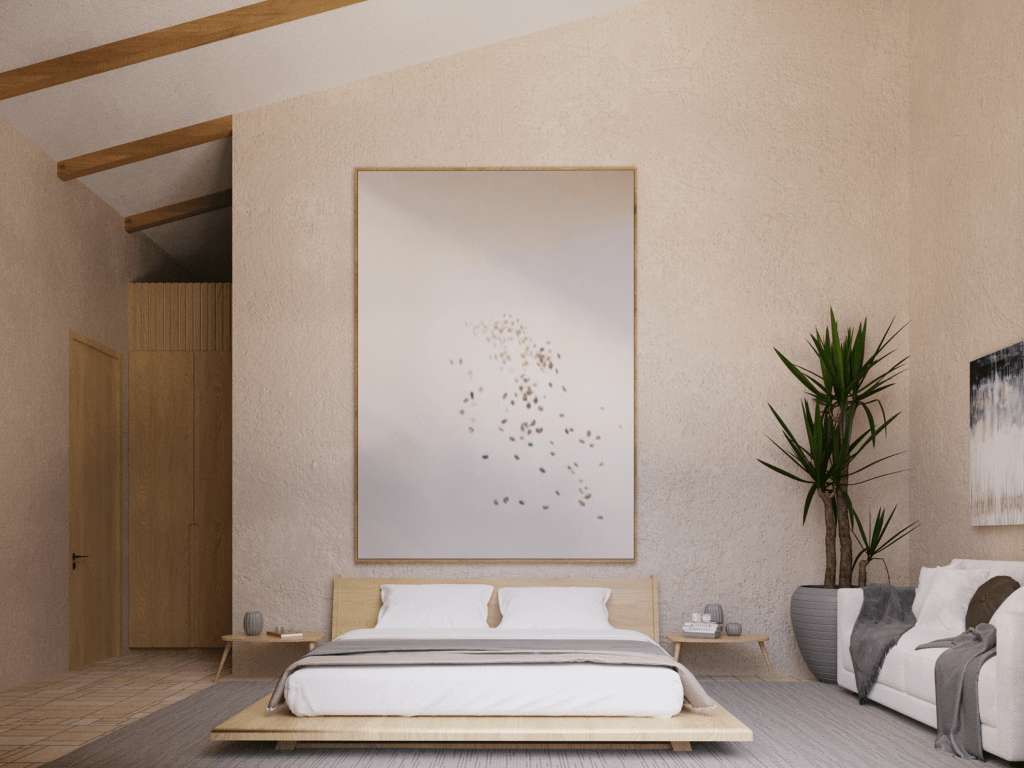
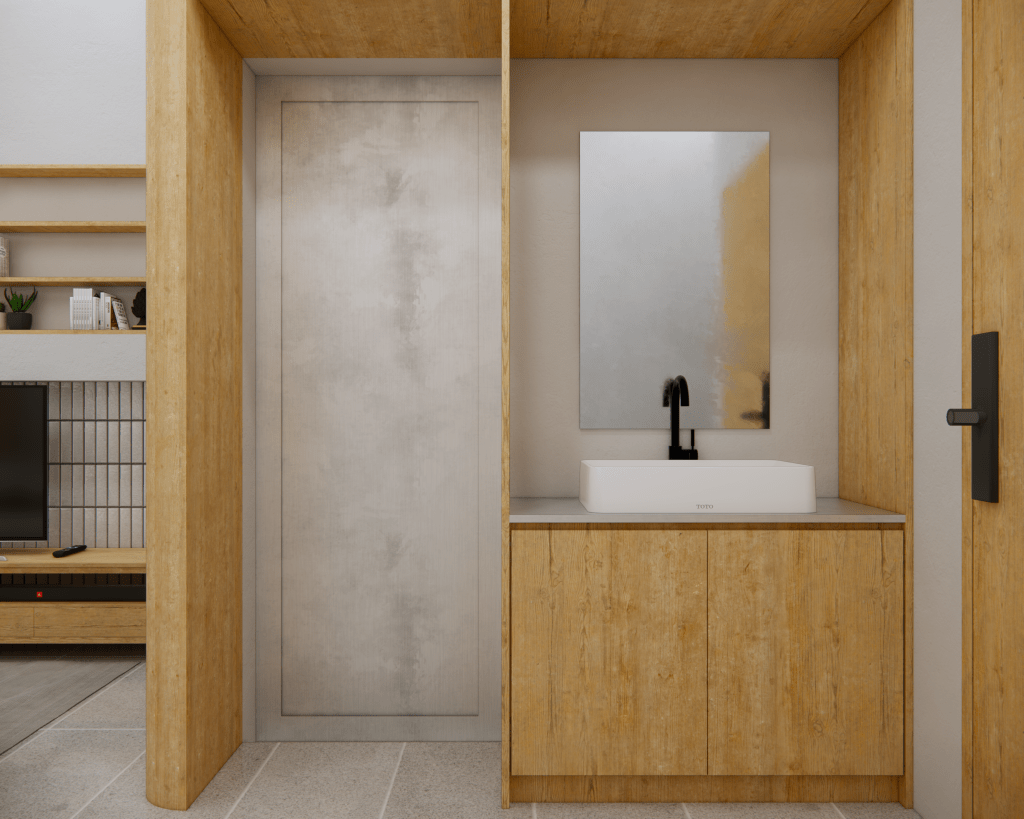
3. Material Palette: The walls feature a soft beige plaster finish, complemented by exposed wooden beams that add rustic charm. This pairing reflects a perfect harmony between modern design and traditional Balinese architecture.
Architectural visualization is more than just creating beautiful images—it’s about crafting a narrative that resonates with the target audience. For this apartment villa in Bali, the combination of natural design elements, modern luxury, and immersive marketing visuals ensures the project stands out in a saturated market.
Whether you’re a developer, designer, or prospective buyer, this project underscores the importance of blending aesthetics with functionality to create dream homes that connect with the soul.
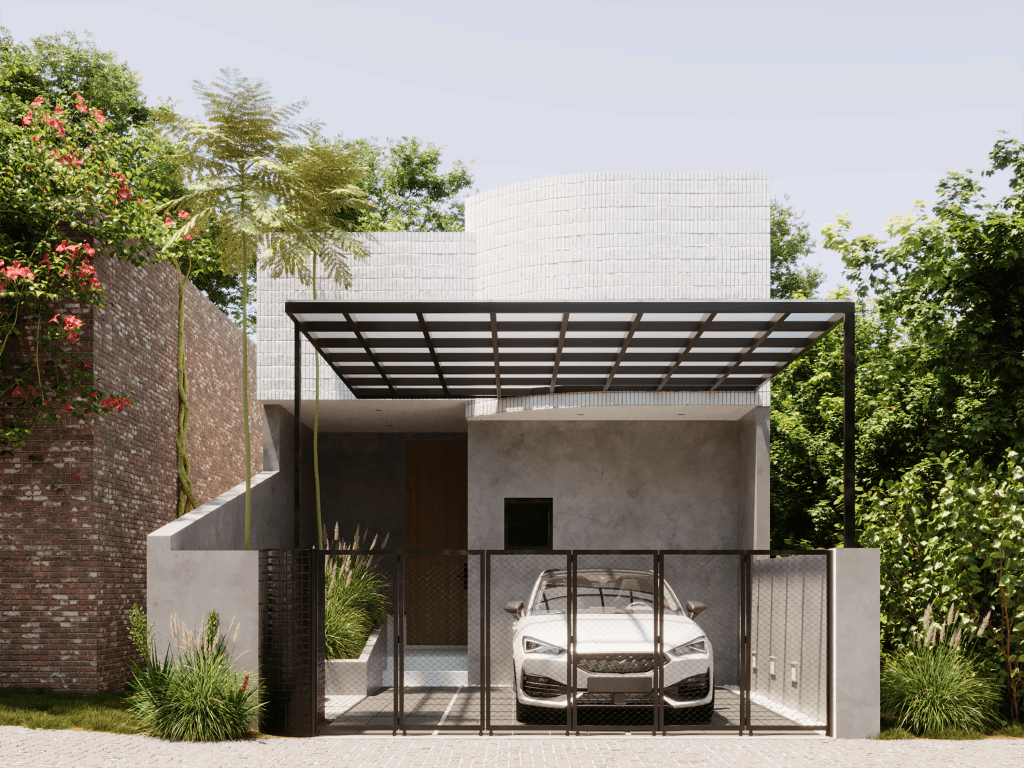
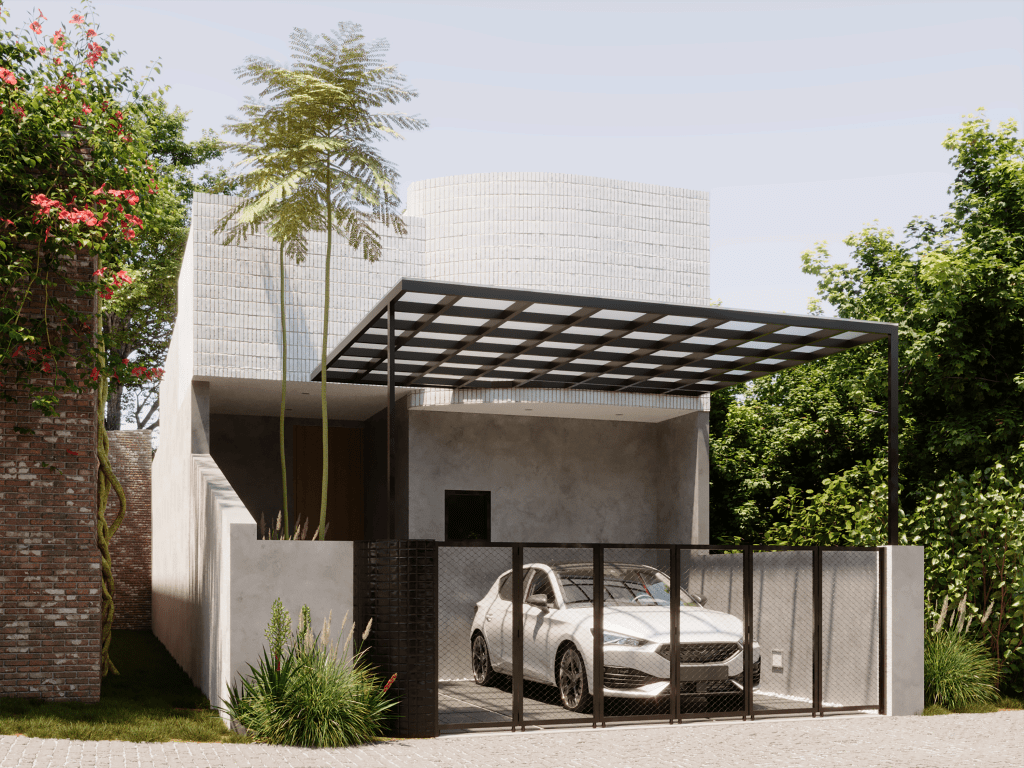
In recent years, minimalist architecture has risen as a timeless trend in residential design. This one-story house exemplifies the monochrome minimalist concept, embracing simplicity, functionality, and elegance while respecting its natural surroundings. Let’s take a closer look at how this design balances modernity and practicality.
Design Philosophy
The monochrome minimalist concept strips architecture to its essentials. This house reflects a blend of neutral tones—primarily whites, grays, and blacks. These colors, combined with clean lines and a focus on open spaces, foster an aesthetic that feels calming yet sophisticated.
This particular design uses materials such as raw concrete, bricks, and metal, emphasizing texture over color. The subtle interplay of natural light with these materials enhances the minimalist tone without appearing dull or lifeless.
Key Features of the Design
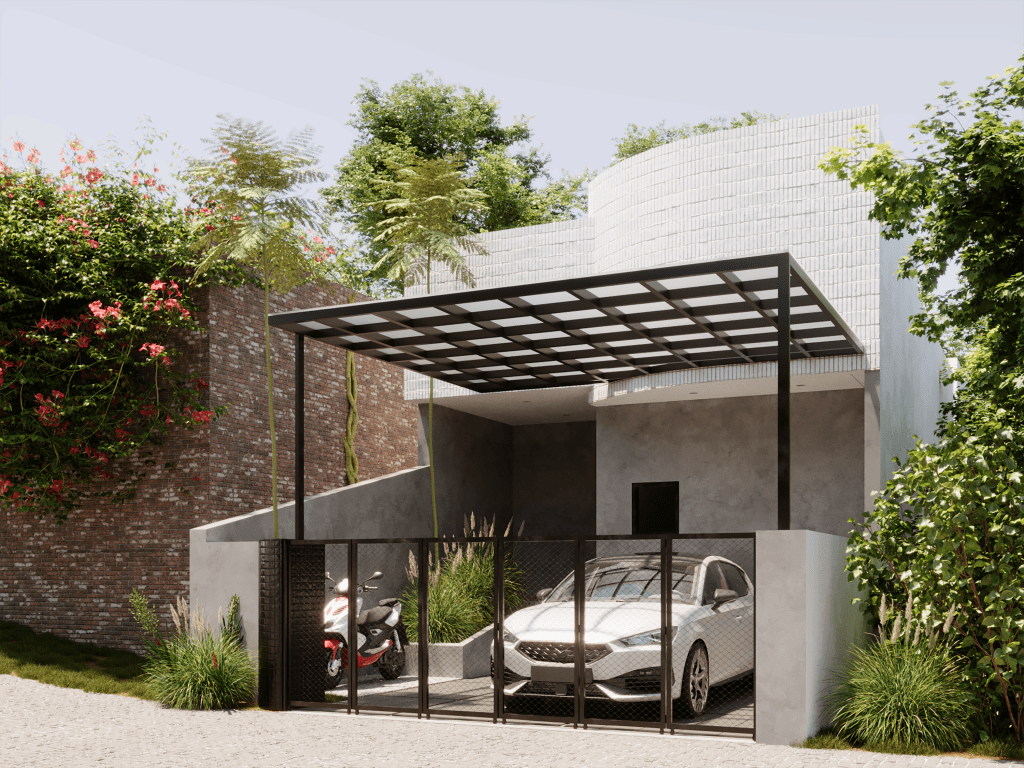
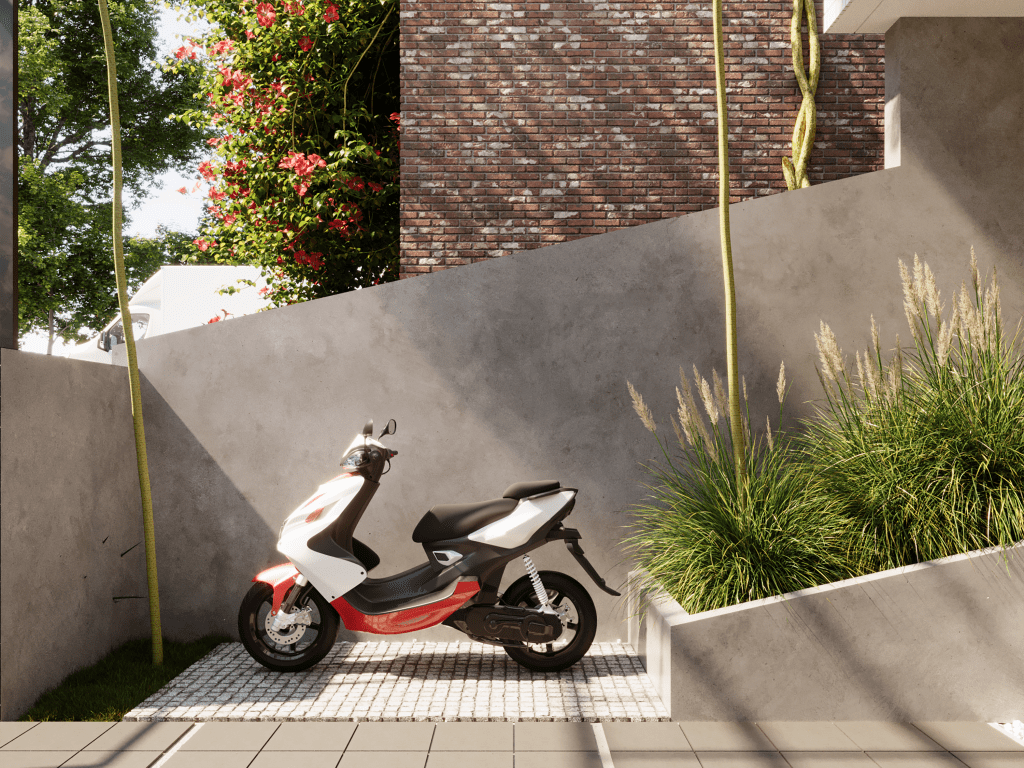
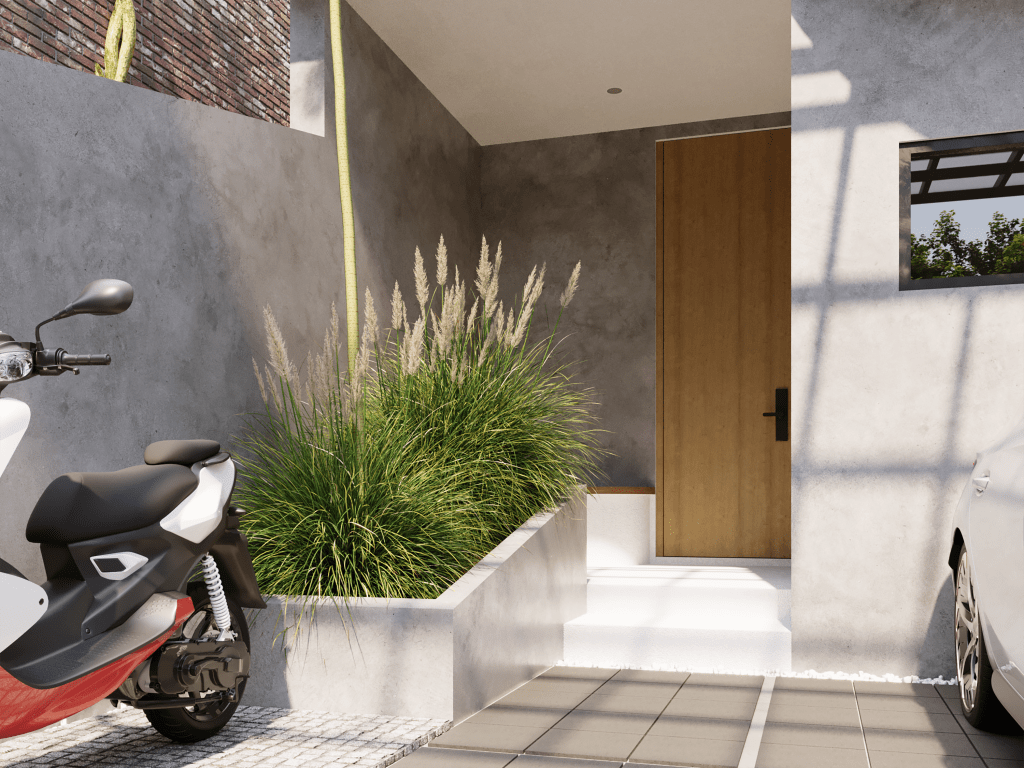
Sleek Exterior The house features a façade that combines raw concrete walls and a grid-patterned carport canopy. The black metal accents on the fence and roof structure provide a stark contrast, reinforcing the monochrome palette. Landscaping with lush greenery and minimalist plant arrangements softens the starkness, blending modernity with nature.
Open Layout While the exterior appears modest, the interior prioritizes space optimization. Open floor plans are a hallmark of minimalist design, ensuring that every square meter serves a purpose. Large glass panels invite natural light, creating an airy and welcoming ambiance.
Functional Carport The carport is designed with both aesthetics and functionality in mind. The transparent roofing material allows sunlight to filter through, ensuring the space feels open while providing protection for vehicles.
Sustainable Design Sustainability is a critical part of minimalist architecture. This house integrates passive cooling techniques, like cross-ventilation and the strategic placement of windows, reducing the need for artificial cooling. The materials used—brick and concrete—are durable and low-maintenance, adding to the building’s eco-friendliness.
Minimal Ornamentation True to its minimalist roots, the house avoids unnecessary embellishments. Instead, it focuses on structural details and finishes, such as the vertical grooves on the concrete wall and the brick accents that subtly break the monotony.
Why Monochrome Minimalism?
The monochrome minimalist concept appeals to those who value simplicity, organization, and a clutter-free lifestyle. The neutral tones provide flexibility for interior decor, allowing homeowners to personalize the space with furniture or art without overwhelming the design.
This house also caters to urban dwellers seeking a retreat from the chaos of city life. Its clean design provides a sense of calm, making it a perfect sanctuary.
Conclusion
This one-story house showcases how minimalist architecture can be both functional and stylish. With its monochrome palette, raw materiality, and thoughtful landscaping, it redefines modern living by creating harmony between architecture and nature.
Whether you’re a fan of minimalism or simply looking for inspiration, this design proves that less truly is more.
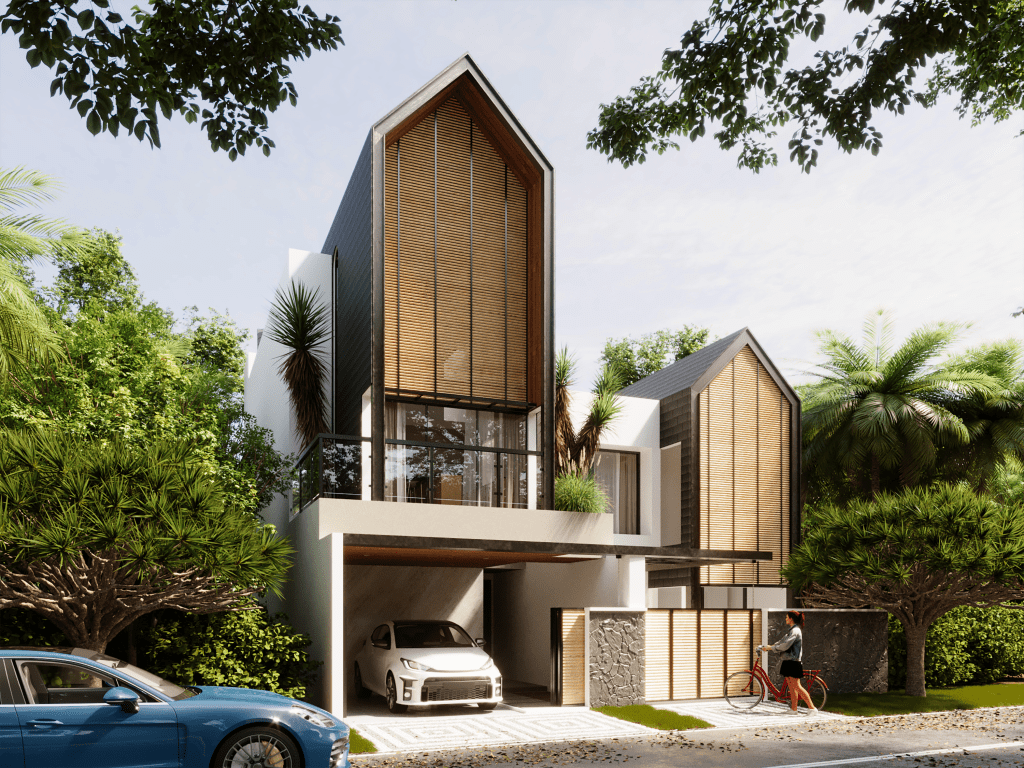
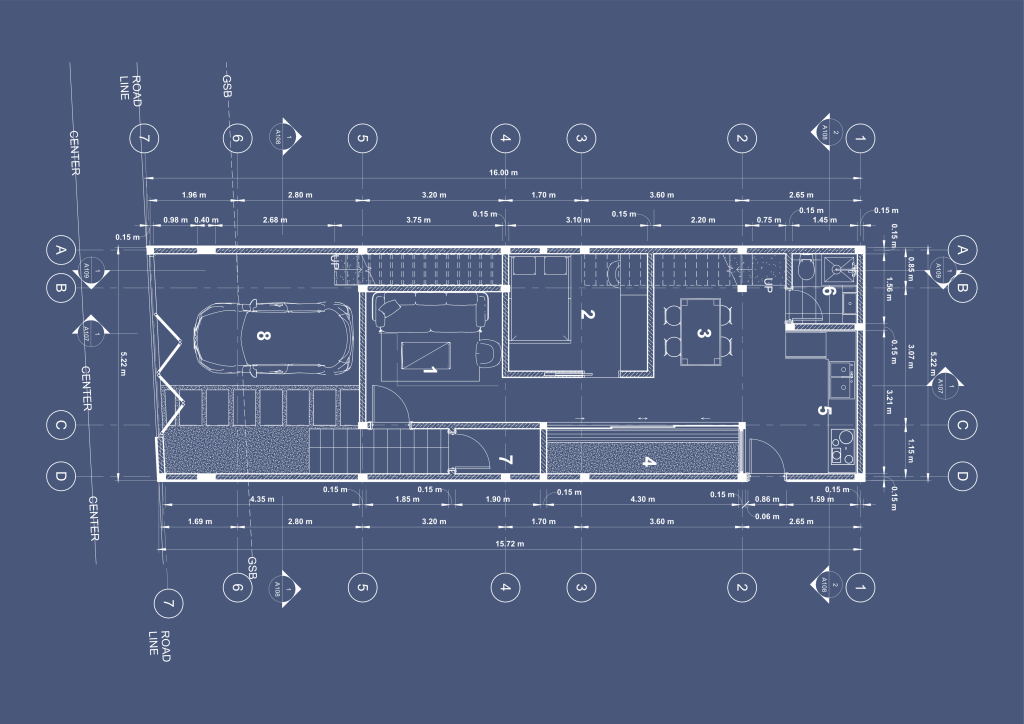
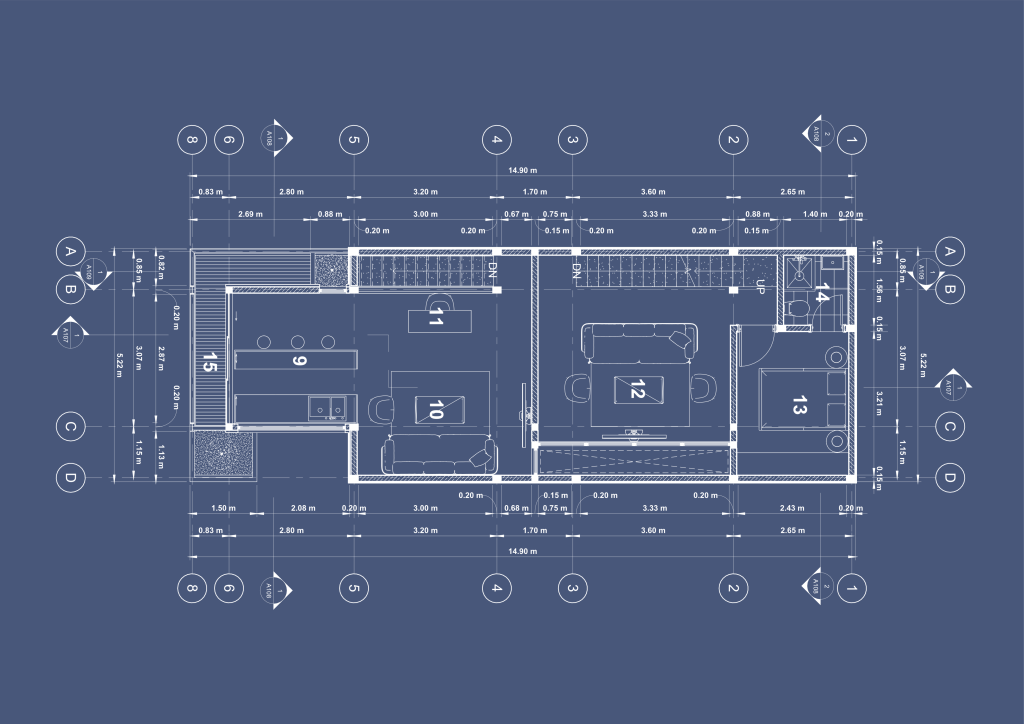
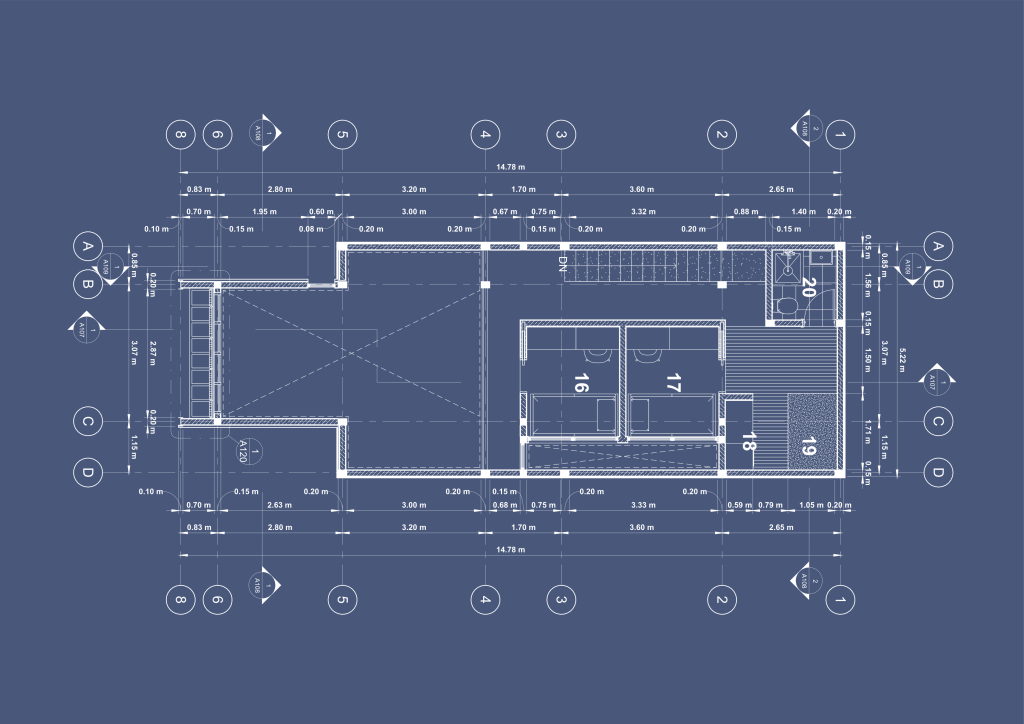
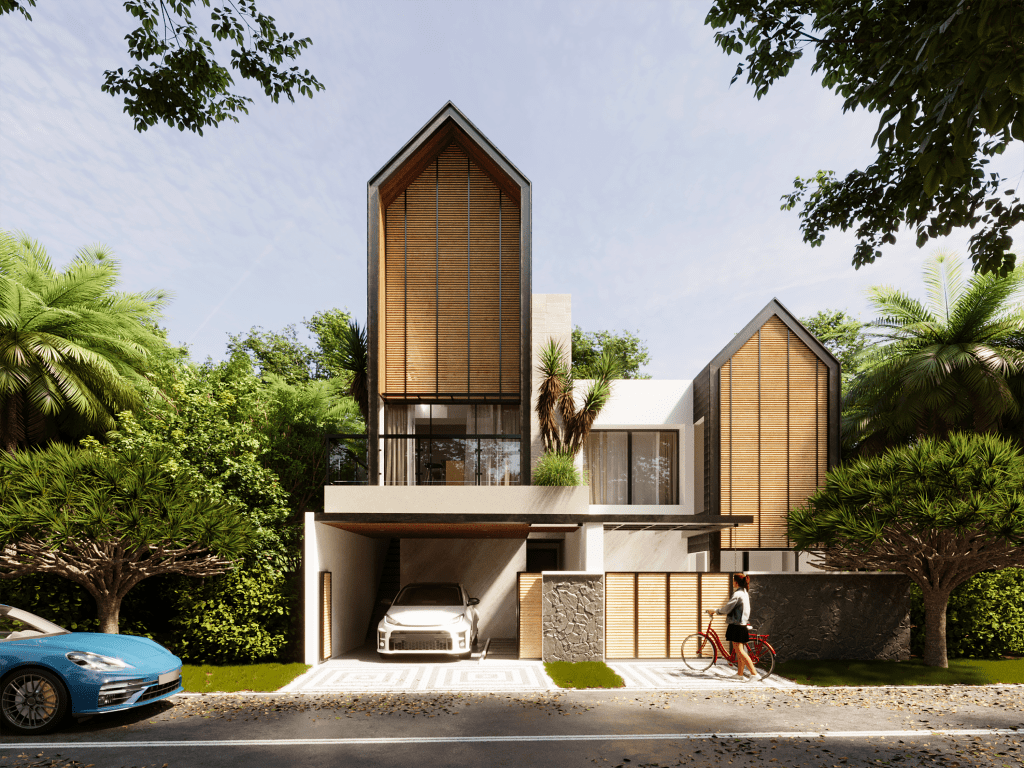
In today’s dynamic world, the boundaries between living and working are increasingly blurred. This has led to a rise in hybrid architectural designs. A three-story hybrid house office caters to modern needs for functional spaces. It allows for seamless transitions between personal and professional lives. Here’s how architectural principles and innovative design come together to create an inspiring and efficient environment.
Balancing Form and Function
The key to a hybrid design is striking the right balance between functionality and aesthetic appeal. For a three-story house-office, each level must serve its purpose while maintaining harmony:
Ground Floor: The entryway and shared spaces like a reception or meeting room should make an excellent first impression. Ample natural light and inviting materials, like wood or stone, create warmth while maintaining professionalism.
Second Floor: This level is ideal for office functions—private workspace, team collaboration areas, and a small pantry. To guarantee productivity, acoustically treated walls, and ergonomic designs are a must.
Third Floor: Reserved for residential spaces, this level offers privacy. Comfortable bedrooms, a living area, and a small terrace create a sanctuary away from the hustle of work.
Efficient Space Zoning
Separating public and private zones is essential in a hybrid design. This can be achieved with:
Dedicated Entrances: Separate doors for the office and home areas ensure privacy and smooth access for clients.
Vertical Partitioning: Using the natural separation of floors prevents overlapping noise and activity between zones.
Flexible Layouts: Multi-functional rooms, such as a guest room doubling as a home office, provide adaptability for future needs.
Aesthetic and Cultural Sensitivity
Incorporating local architectural elements can create a unique character. For example, in Indonesia, blending Scandinavian simplicity with Javanese accents—such as batik-inspired wall art or traditional joglo rooflines—can produce a design that resonates culturally and remains contemporary.
Sustainability as a Priority
Eco-friendly practices enhance the appeal and functionality of hybrid spaces. Here are some sustainable design strategies:
Passive Cooling and Lighting: Large windows and cross-ventilation reduce the need for artificial climate control.
Green Roof or Terrace Garden: A rooftop garden adds insulation, reduces heat, and creates a relaxing escape.
Recycled Materials: Incorporating recycled wood or repurposed bricks adds charm while minimizing the environmental footprint.
Technology Integration
Smart systems make hybrid living more efficient. Automated lighting, temperature controls, and security systems enable a seamless transition between living and working environments. Video conferencing facilities, high-speed internet, and ergonomic furniture ensure the office area meets modern demands.
Conclusion
Designing a three-story hybrid home-office is both an art and a science. By blending form, functionality, and sustainability, architects can create spaces that inspire productivity and promote well-being. Whether it’s for entrepreneurs, freelancers, or small business owners, a well-thought-out hybrid design transforms the way we live and work.
Ready to turn your dream hybrid space into reality? Let us help you design a house-office tailored to your lifestyle and needs.
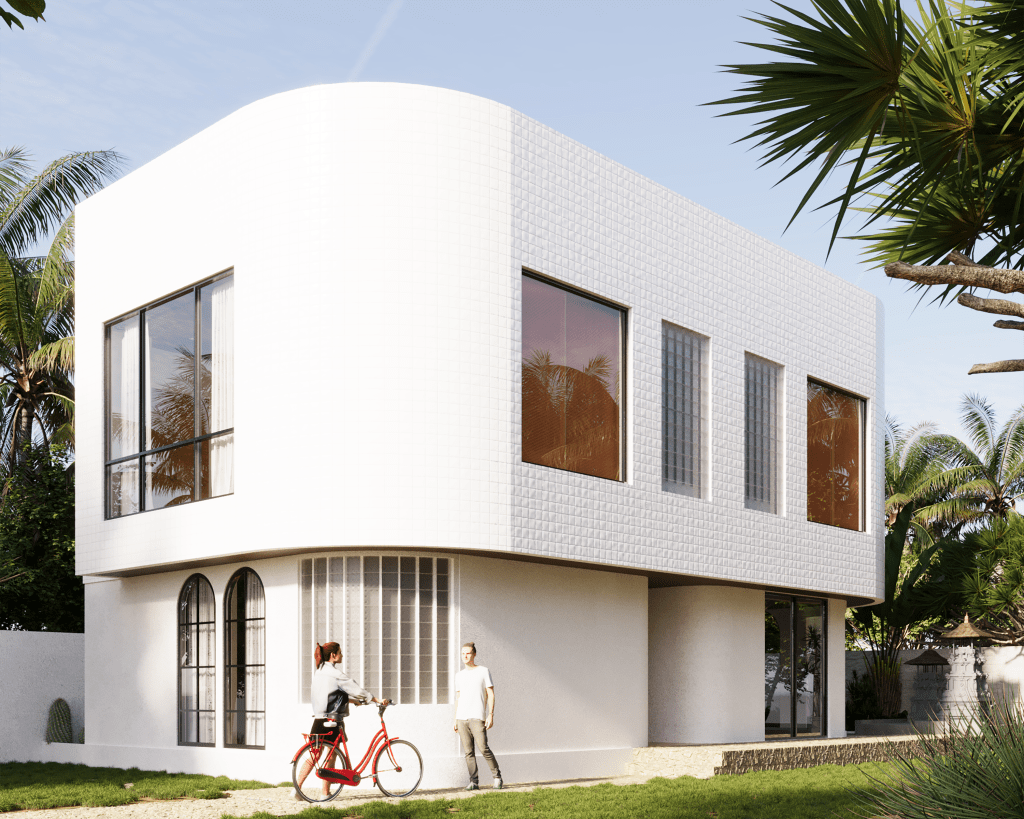
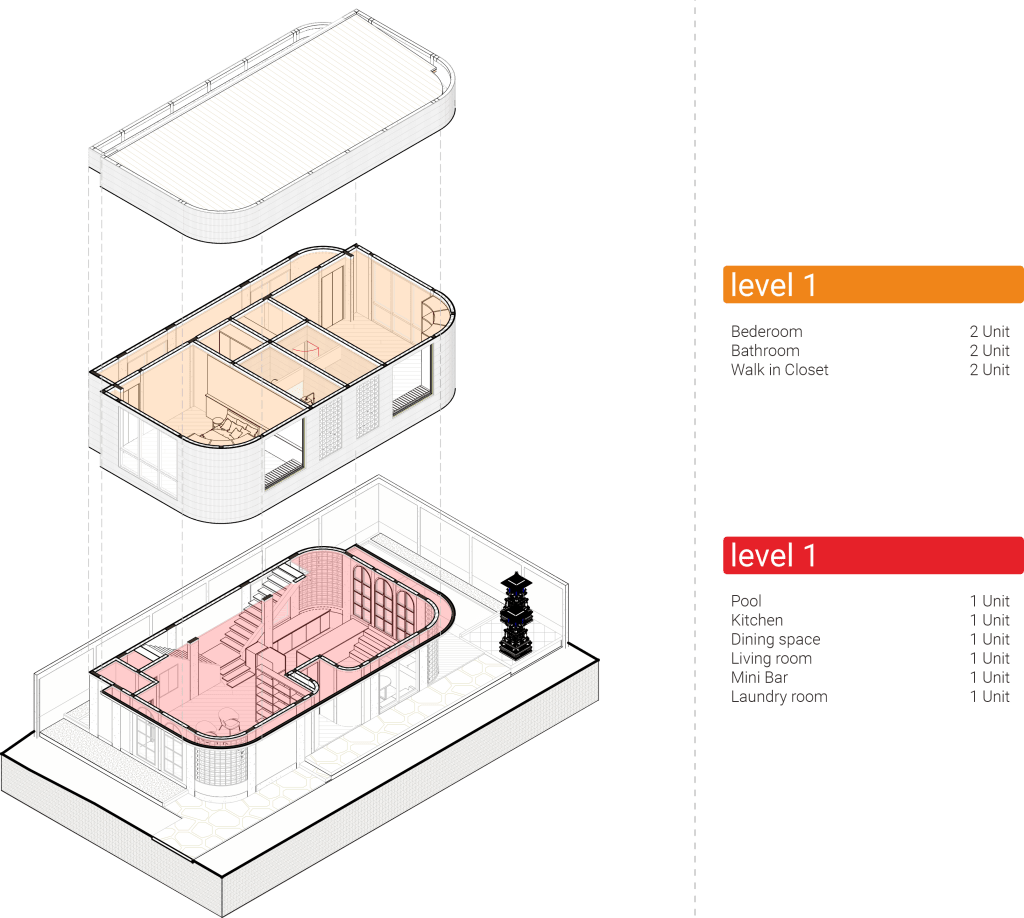
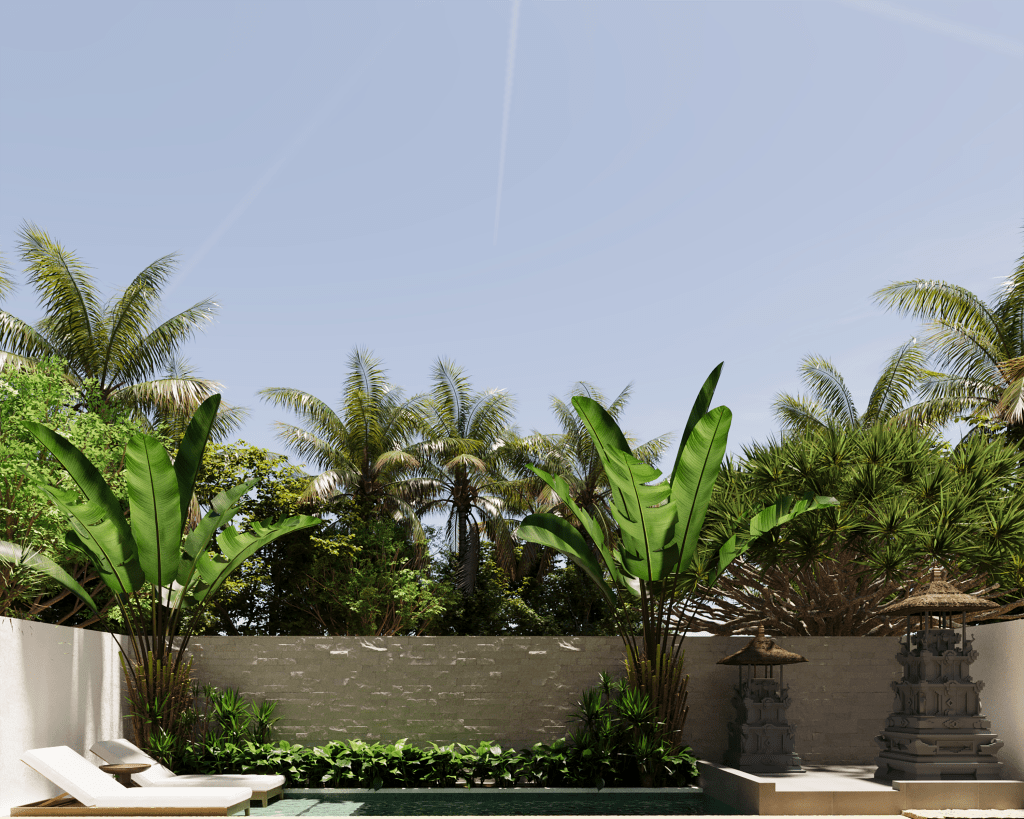
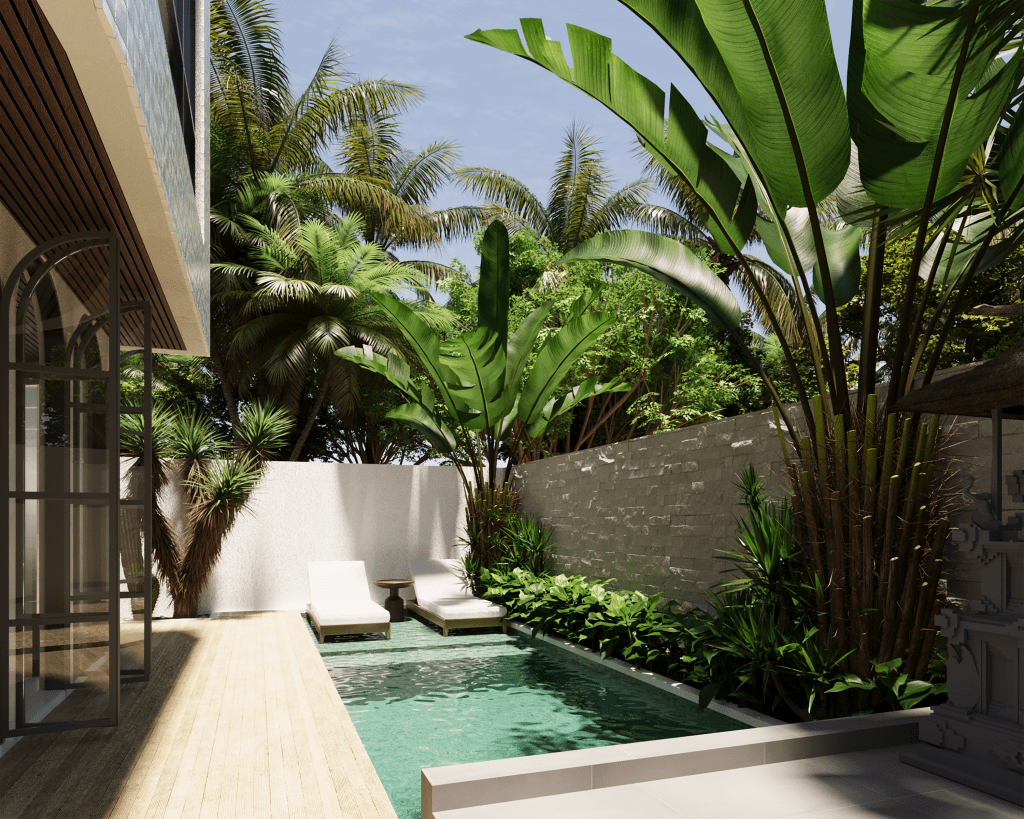
This project is a bespoke villa. It is designed for a client seeking a hidden retreat away from the main road. The villa is located in Seseh, Bali. The two-story villa offers both luxury and privacy, tucked near expansive rice fields that give a serene, natural backdrop. The villa features a swimming pool on the ground floor, creating a seamless connection between indoor and outdoor living.
Designed with two spacious bedrooms, each with its own en-suite bathroom, the villa prioritizes comfort and modern living. The first floor includes an elegant bar and a cozy living room, perfect for entertaining guests. The kitchen is uniquely designed on a lower level than the rest of the floor, adding a distinctive architectural touch.
The villa’s flexible layout allows it to be semi-indoor. This is ideal for enjoying Bali’s breezy climate. It can also be enclosed when the heat becomes too intense. This offers a cool and comfortable refuge.
With its tranquil location and thoughtful design, this villa harmonizes modern luxury with the beauty of Bali’s countryside, creating the perfect hideaway.
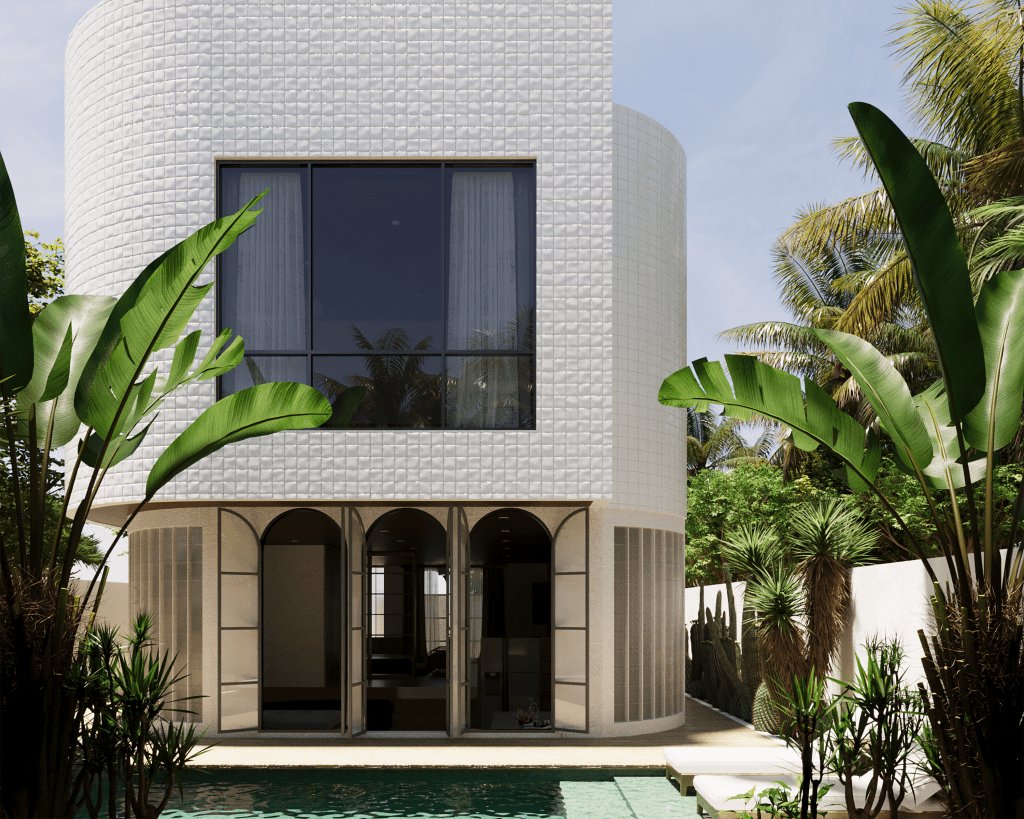
The exterior of the home is a masterful example of modern architecture, showcasing clean, elegant lines with a distinct curved shape. The building’s facade is composed of sleek, white tiles that reflect sunlight and add a crisp, fresh look to the structure. The curved corners and large, arched windows introduce softness to the otherwise minimal design, offering an interesting architectural contrast. The use of glass block detailing complements the curved architecture, allowing light to filter through while maintaining privacy. The design makes a strong statement of contemporary elegance, blending simplicity and sophistication in a way that feels both timeless and cutting-edge.
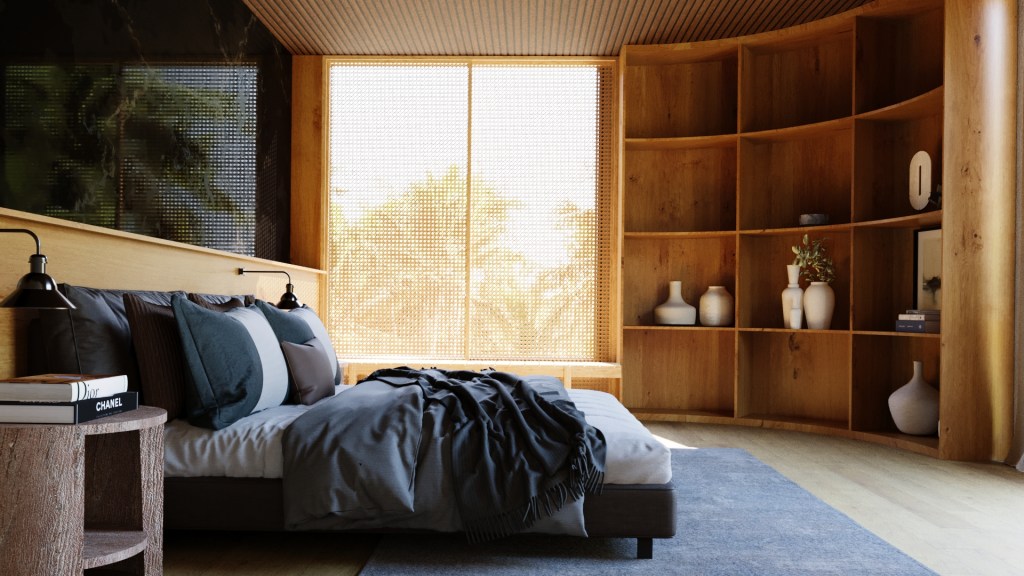
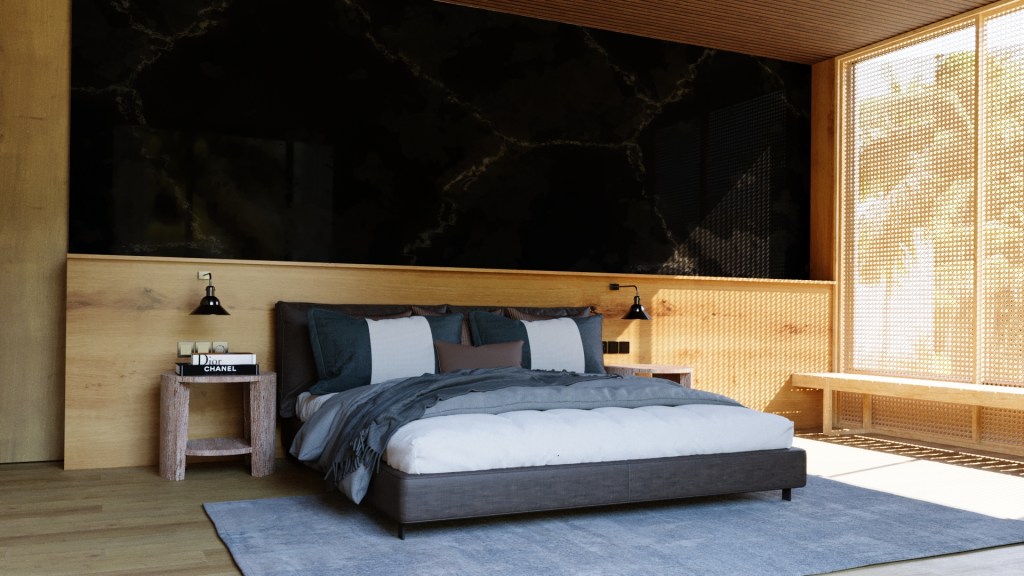
The bedroom depicted in the render exudes warmth and comfort, combining modern minimalism with a natural aesthetic. The use of wooden elements throughout the space creates an inviting atmosphere, while the large, curved built-in shelving unit adds functional beauty to the room. The oversized windows allow ample natural light to flood in, creating a calming ambiance perfect for rest and relaxation. Complementing the light from the windows, the dark, textured feature wall behind the bed adds a bold contrast, making the space feel both grounded and luxurious. The bedding, in its muted yet sophisticated tones, perfectly complements the wood and black accents throughout the room, completing the serene yet stylish design.
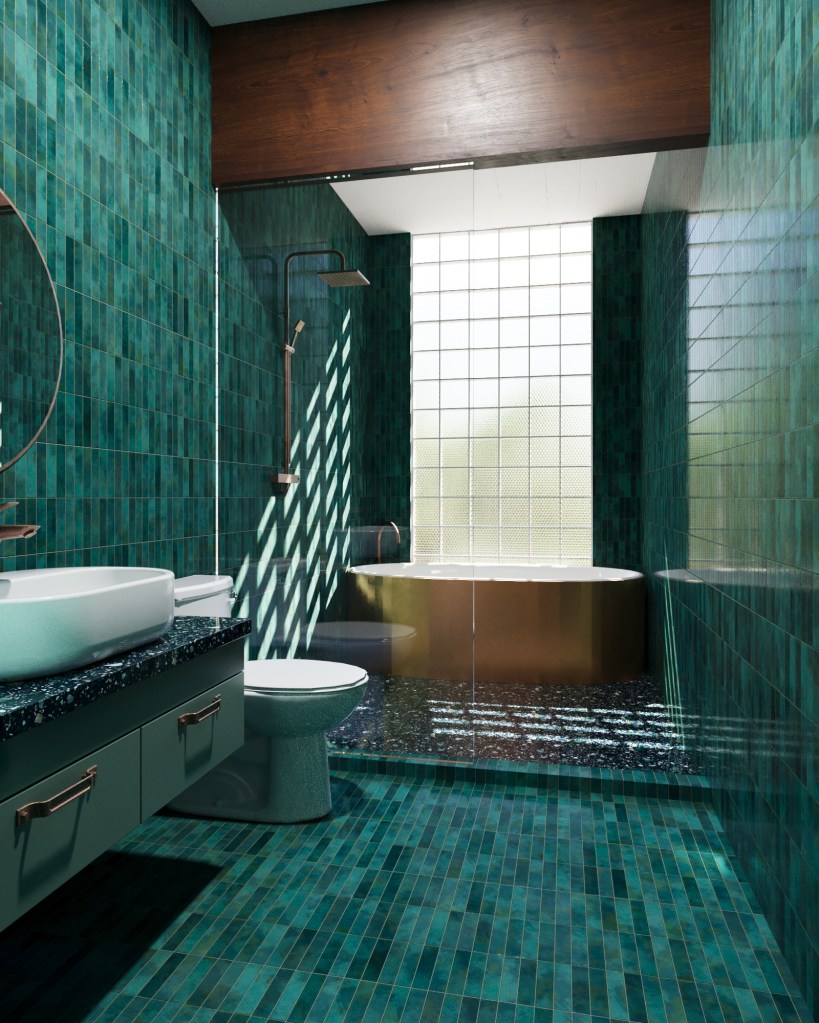
The bathroom design in the render takes a bold approach with deep green tiles that instantly create a rich, vibrant atmosphere. The glossy texture of the tiles reflects natural light from the large glass block window, making the space feel both bright and private. The sleek modern fixtures, including the wall-mounted sink and contemporary rain shower, blend functionality with style. The choice of gold accents, from the faucet to the bathtub, introduces a touch of opulence without overpowering the overall aesthetic. The green tones combined with the wood beam ceiling create a relaxing, spa-like experience in this unique and inviting space.
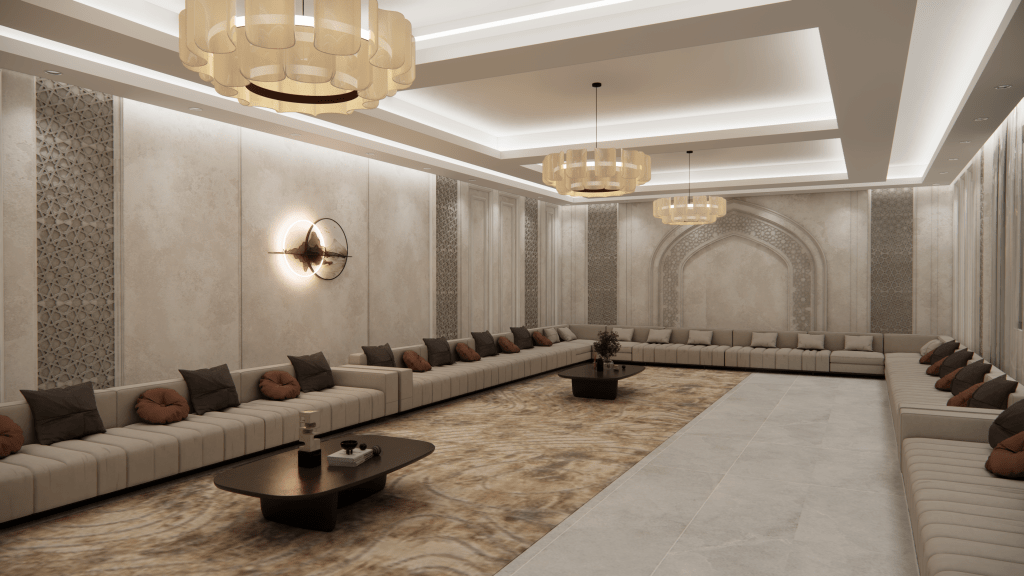
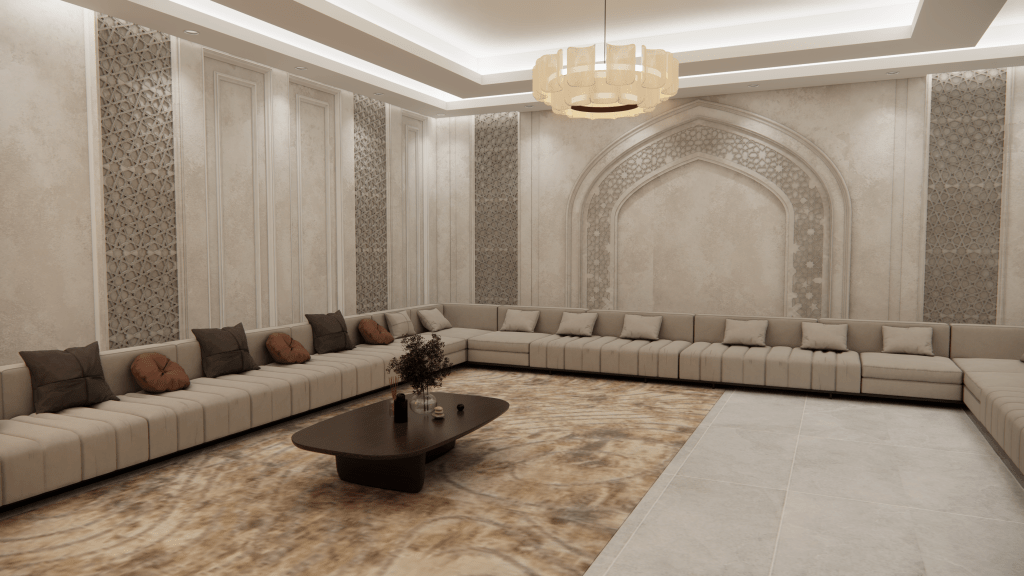
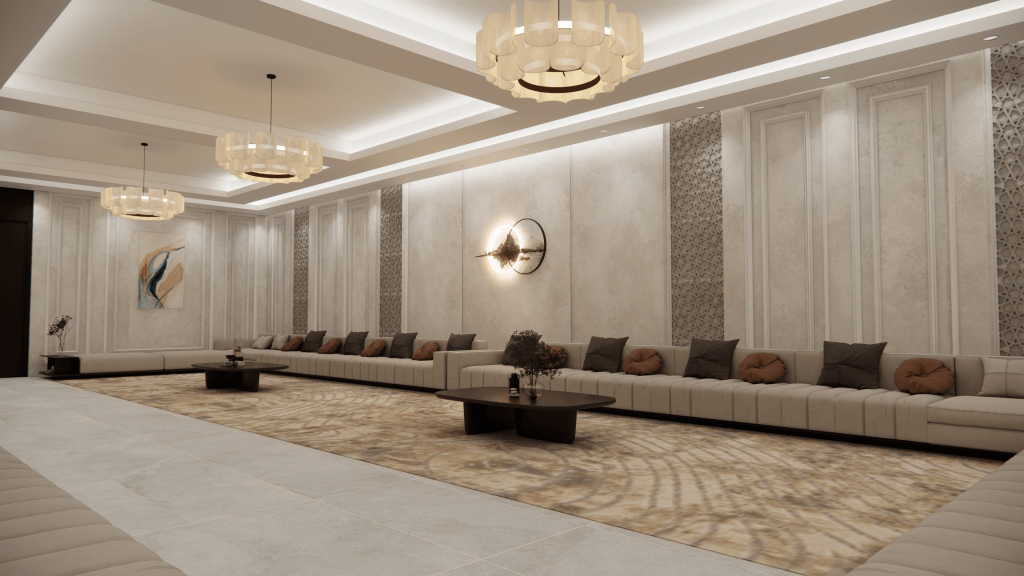
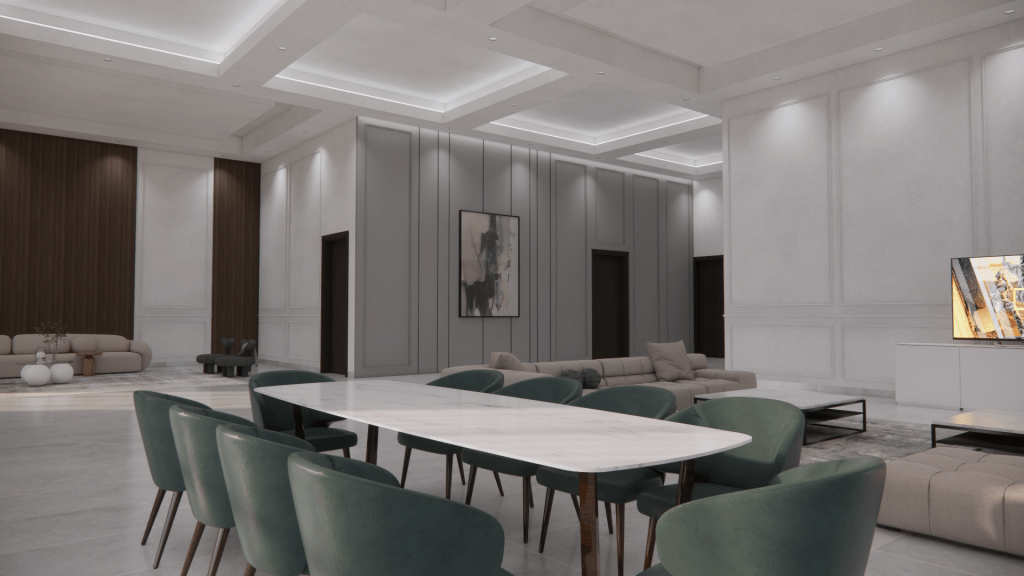
In the diwaniya, we’ve created a blend of tradition and modern design to craft a comfortable yet stylish gathering space. The room features a minimalist L-shaped sofa, maximizing seating along the walls while maintaining an open feel. The color palette is soft and neutral, with bright beige tones that enhance the spaciousness and lightness of the area.
The walls are designed with subtle geometric patterns and textured paneling, adding a touch of elegance without overwhelming the simplicity of the space. Lighting plays a key role, with layered soft lights from the ceiling and modern fixtures, creating a warm and welcoming atmosphere.
To tie the design together, the earthy-toned carpet mimics the look of marbled stone, complementing the walls and furniture, while organic wood coffee tables add a natural, grounded element. The overall design offers a balance of modernity and tradition, creating a serene and functional space for gatherings.
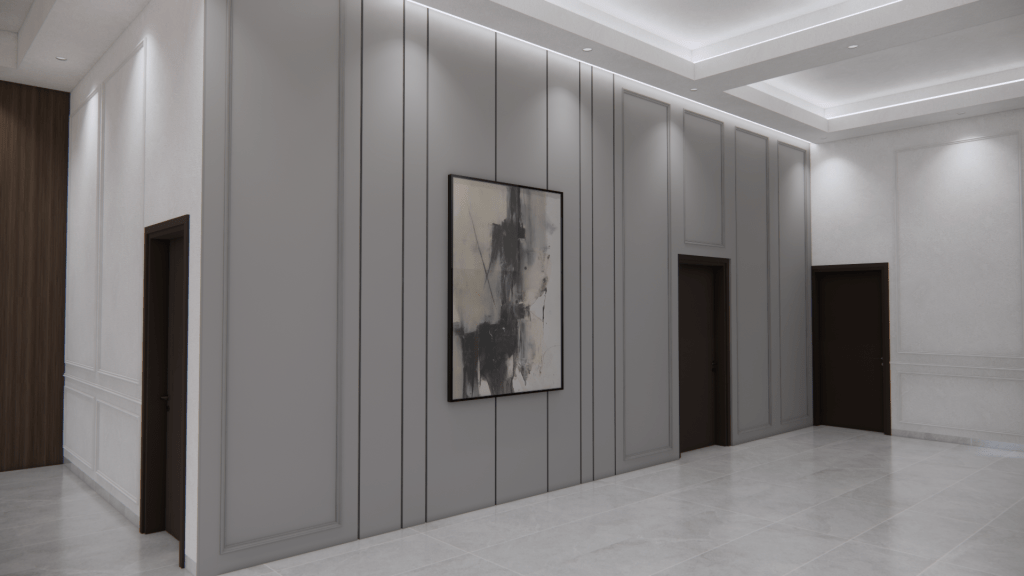
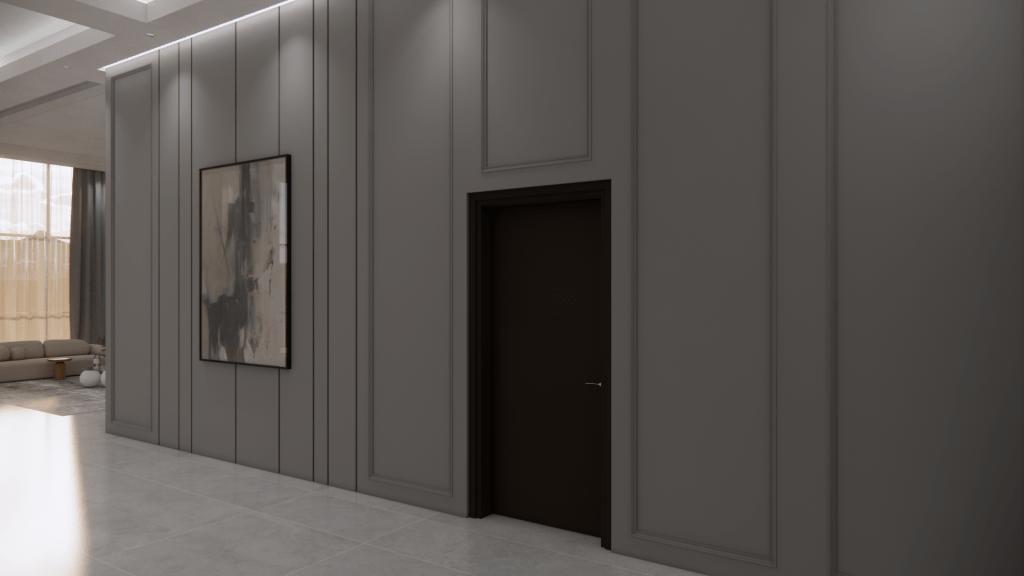
The hallway connecting the living room and diwaniya is designed with a minimalist approach, maintaining a seamless flow between the spaces. While the living room wasn’t part of our design, we focused on creating a clean, modern passageway using subtle yet impactful details.
The walls feature gray wood paneling with a slight offset pattern, adding depth and texture without overpowering the simplicity of the space. This subtle play on geometry keeps the design interesting while staying true to a minimalist aesthetic. To complement the understated elegance of the hallway, we added a simple painting that enhances the room’s calm and sophisticated atmosphere. The result is a sleek and stylish connection between key areas of the home, maintaining a cohesive and modern design language.
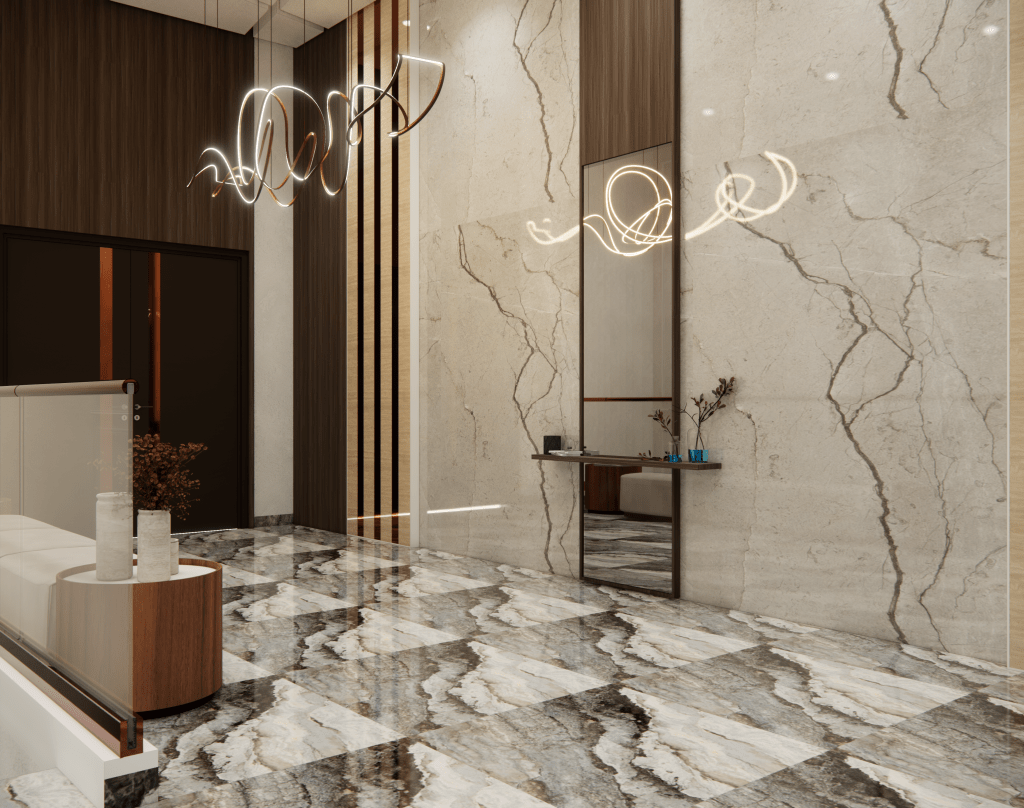
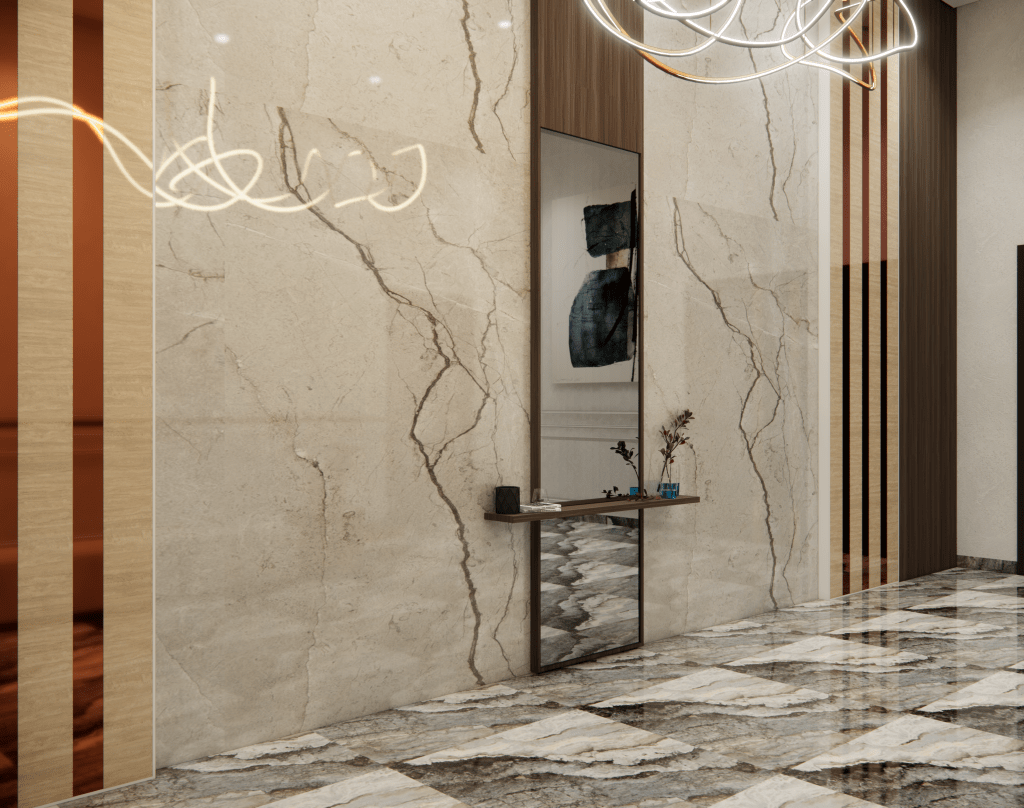
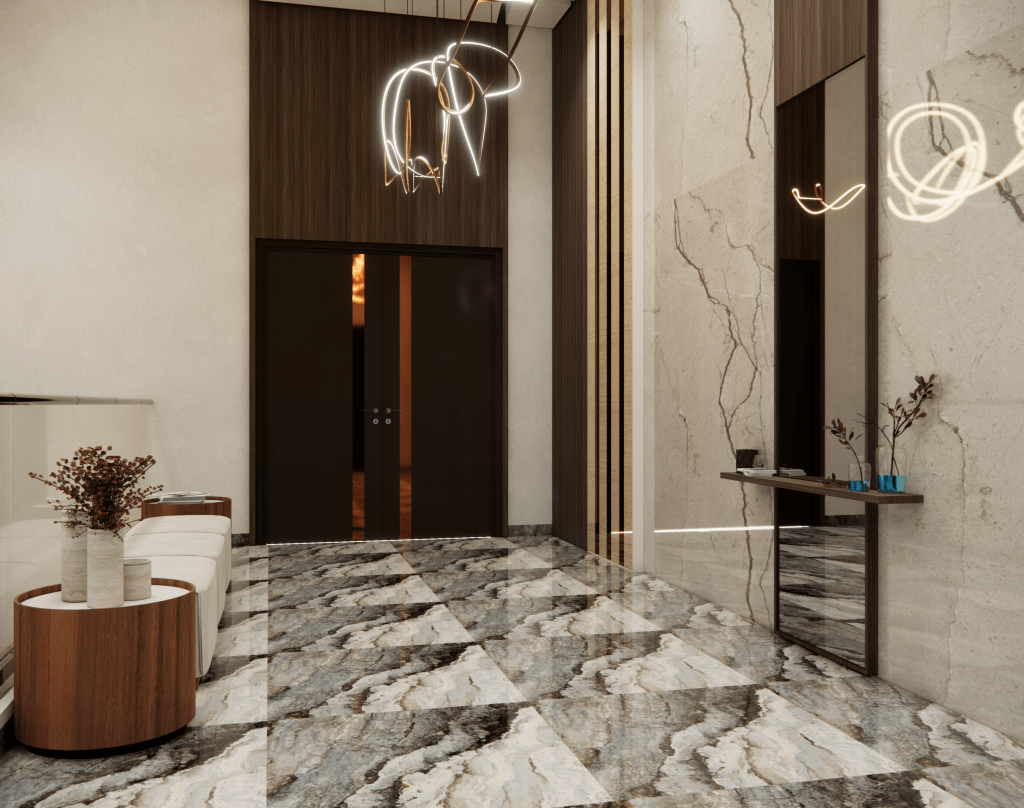
In the lobby/foyer, we’ve designed a welcoming space that serves as the central hub, leading to both the lower floor and the living areas on the ground floor. To create continuity with the rest of the house, we used polished granite as the primary material, which adds a sleek and elegant feel to the space. The glossy surface of the granite enhances the natural light and gives the room a refined, modern edge.
To soften the look and bring warmth, we incorporated wood accents, strategically placed to complement the natural stone. These touches of wood not only balance the sleekness of the granite but also tie in with the minimalist approach seen throughout the home.
For a more contemporary feel, we’ve added mirrors in key locations, which visually expand the space and enhance the modern atmosphere. The mirrors reflect both the natural and artificial light, adding depth and brightness to the foyer, making it feel more open and inviting.
Overall, the design of the foyer blends natural materials with modern elements, creating a sophisticated yet welcoming entrance that seamlessly connects the different sections of the house.
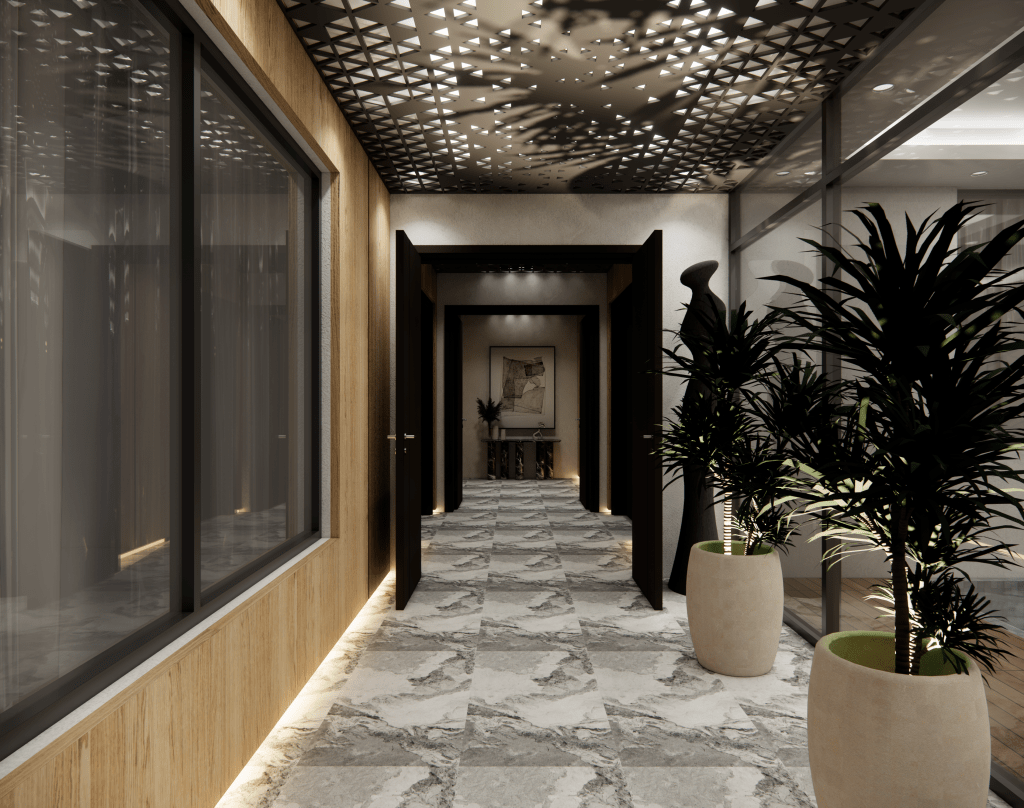
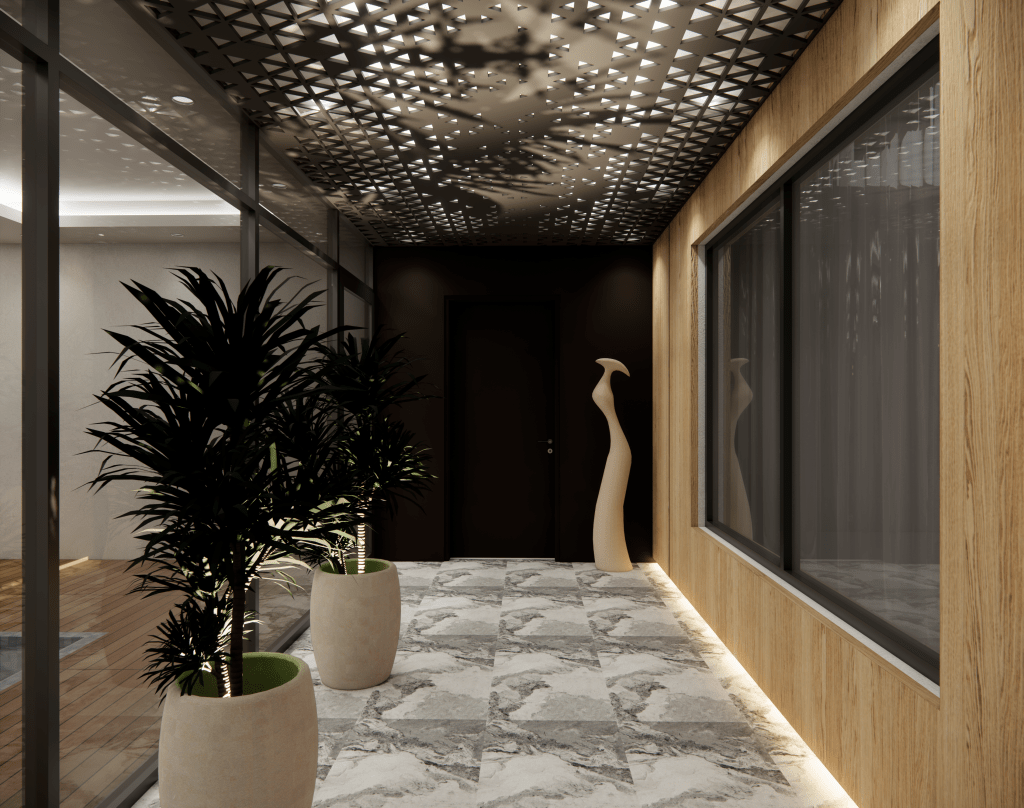
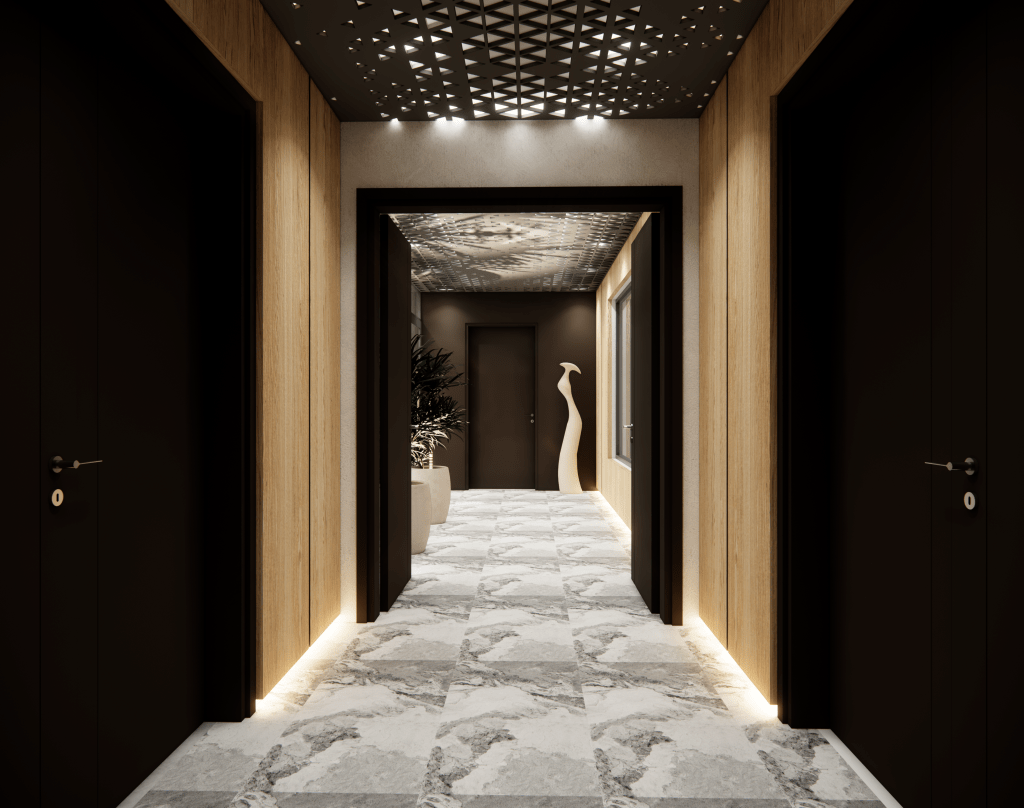
The hallway located at the back of the house serves as a transition between the living room and the lobby, while offering views of the pool and garden outside. This space is designed to provide a serene walking experience, enhanced by the surrounding nature, while maintaining a clean, minimalist aesthetic inside.
The walls are lined with bright-colored wood panels, giving the hallway a warm and inviting feel. The light tone of the wood brings an airy, open atmosphere that complements the natural light pouring in from the large windows overlooking the outdoor area.
The standout feature of this hallway is the secondary ceiling, crafted from a geometric-patterned cut board. This unique element not only draws attention but also allows light to filter through the intricate design, creating dynamic shadows and patterns on the walls and floor. The result is an engaging play of light that changes throughout the day, offering a visually stimulating experience as you walk through the space.
The combination of natural wood and the artistic ceiling design ensures that the hallway feels modern yet connected to the outdoors, while the geometric patterns provide a subtle sense of movement and rhythm to the overall design. This hallway isn’t just a passage, but a moment of interaction with the surrounding architecture and nature.
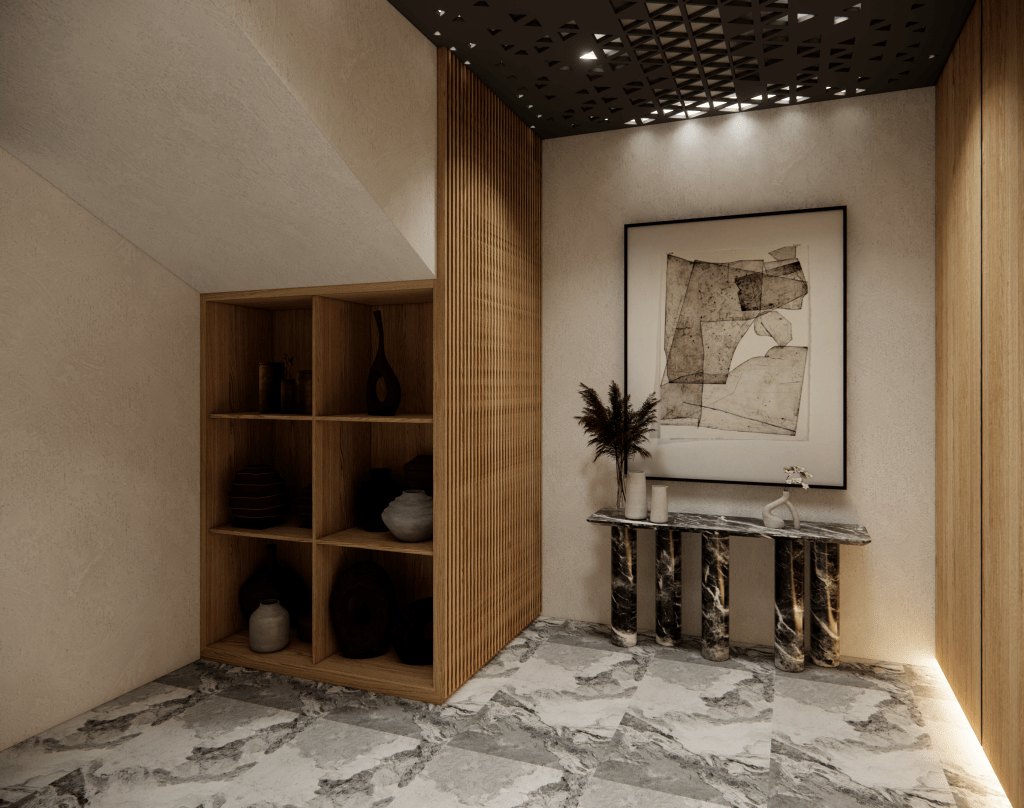
At the end of the hallway, we created a stylish finishing touch with built-in cabinets under the stairs, designed using warm wood tones that blend seamlessly with the rest of the hallway’s aesthetic. These cabinets offer functional storage while maintaining a clean, minimalist look, ensuring the design remains uncluttered.
In front of the cabinets, we placed a sleek table with a marble-patterned surface, adding a touch of luxury and contrast to the wood elements. The marble’s natural texture complements the surrounding materials while introducing a refined elegance to this transitional space.
Behind the table, a white-painted wall serves as a neutral backdrop, accentuated by a carefully selected painting. This artwork not only brings color and personality into the space but also breaks the simplicity of the white wall, adding visual interest without overwhelming the minimalist design. The combination of wood, marble, and art creates a sophisticated and balanced ending to the hallway, ensuring it feels complete and thoughtfully designed.
Minimalist Elegance in Jakarta: A Cozy Bedroom with Modern Touches
In the bustling city of Jakarta, a home should be more than just a place to sleep—it should offer a sense of tranquility and personal comfort. This bedroom project is a perfect reflection of that, combining minimalist design principles with warm wooden accents, creating a homey yet sophisticated space for the client.
A Design Focused on Rest and Functionality
The primary request from the client was for a minimalist bedroom, but it needed to be more than just aesthetically pleasing. The space had to be highly functional and deeply personal—a place where they could both unwind and be inspired. This resulted in a design that revolves around simplicity and utility without sacrificing warmth and comfort.
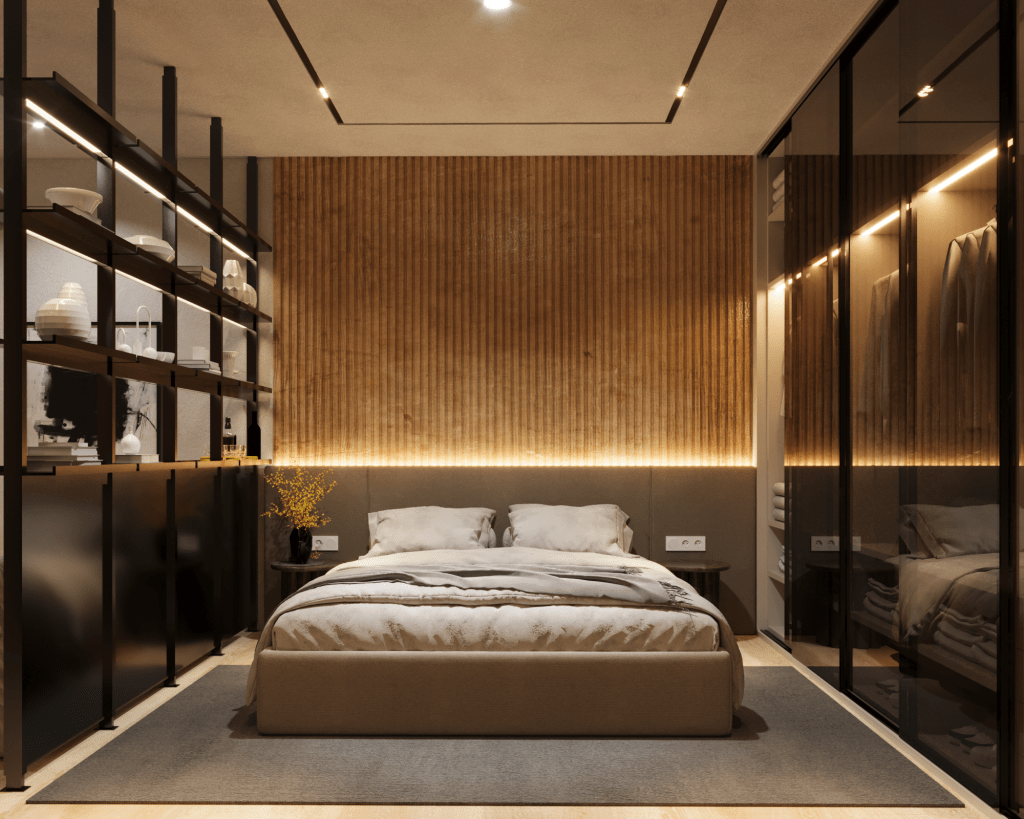
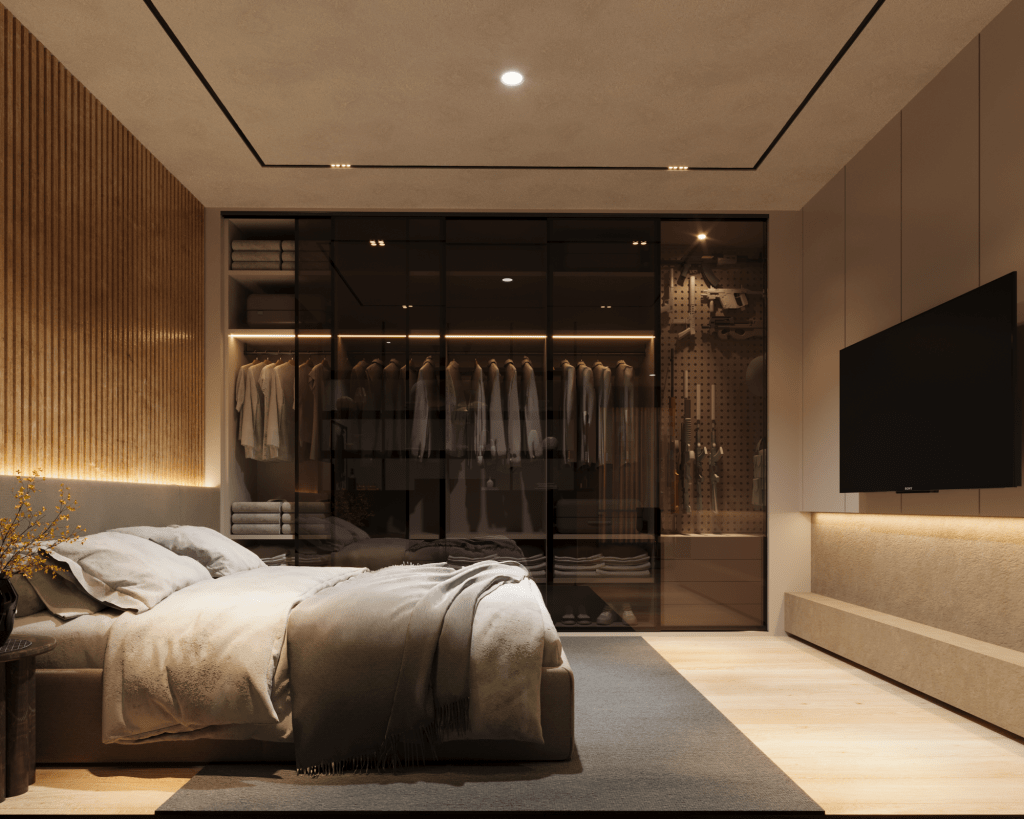
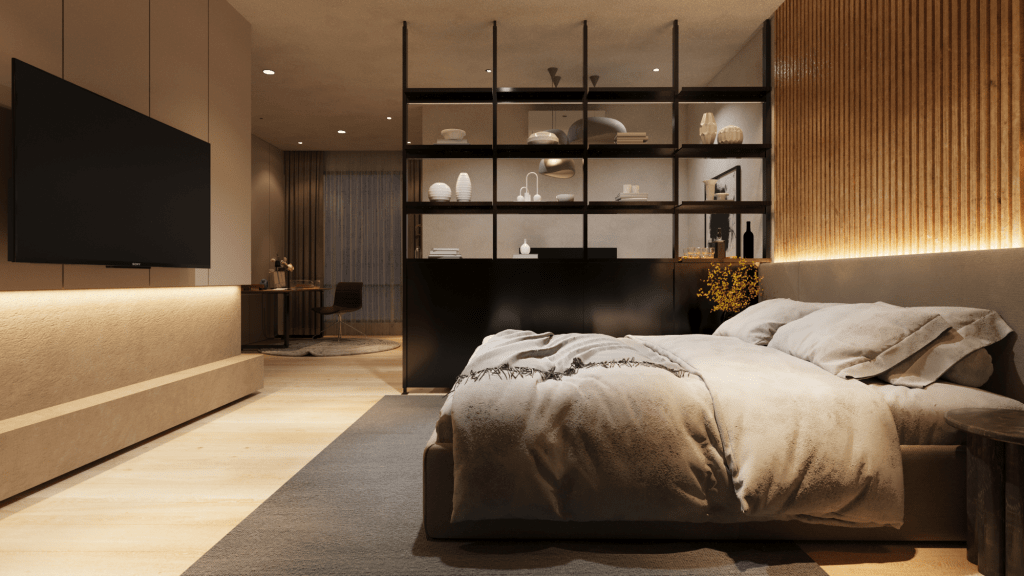
In the bedroom area, the palette is dominated by soft, neutral tones, as seen in the plush bedding and smooth textures of the walls. The natural wood accents on the back wall and shelving unit introduce a sense of warmth that counters the modern sleekness of the glass storage. This delicate balance between minimalist modernity and organic materials ensures that the space feels inviting yet uncluttered.
A Custom Storage Solution
One of the standout features of this bedroom is the custom cabinetry designed for the client’s collection of gun replicas and personal effects. The sleek glass-front cabinets, subtly illuminated from the inside, not only showcase the collection but also add a touch of elegance. These storage solutions help keep the space tidy, adhering to the minimalist ethos of “less is more,” while also serving as functional art pieces within the room.
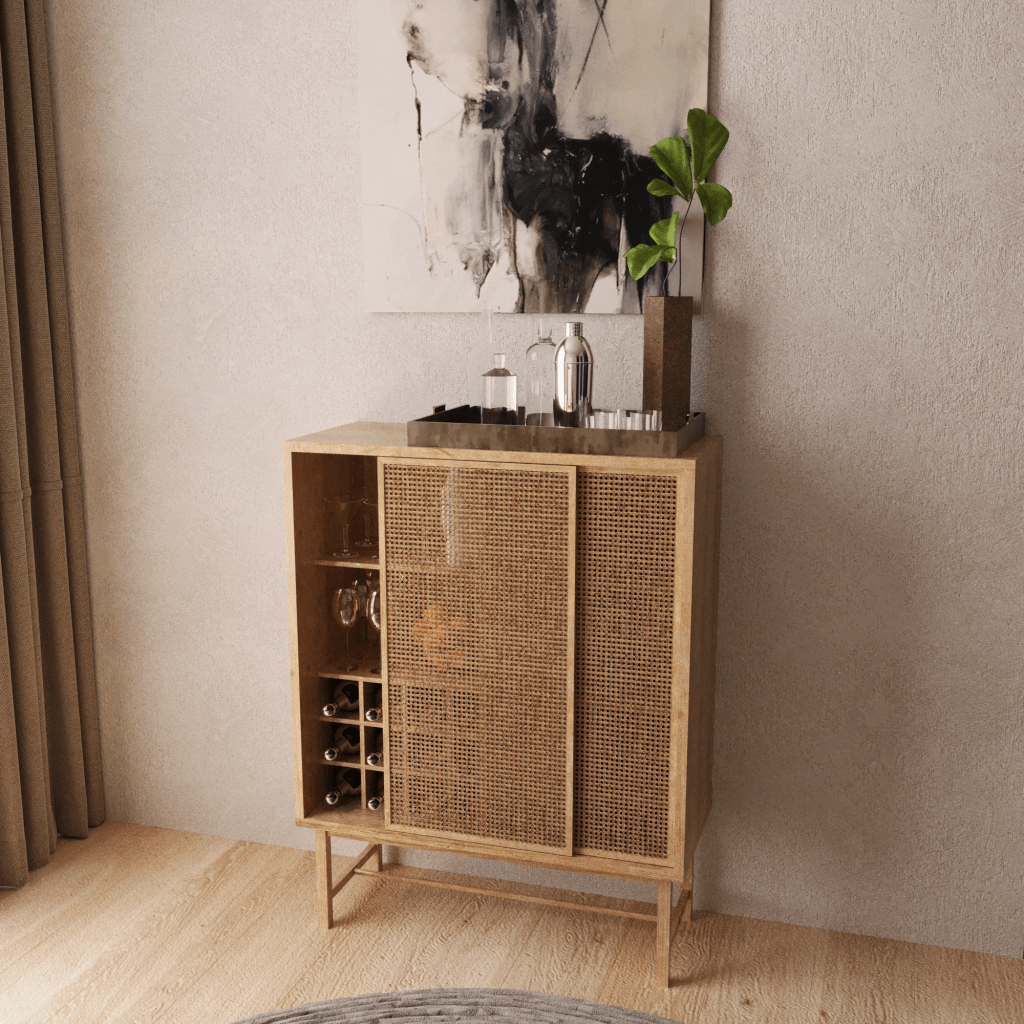
Another unique feature is the liquor storage, cleverly integrated into the design without overwhelming the space. A slim, open shelving unit adjacent to the bed provides easy access to the client’s favorite bottles, making this bedroom not only a place to rest but also a place to unwind with style.
Separation of Spaces for Functionality
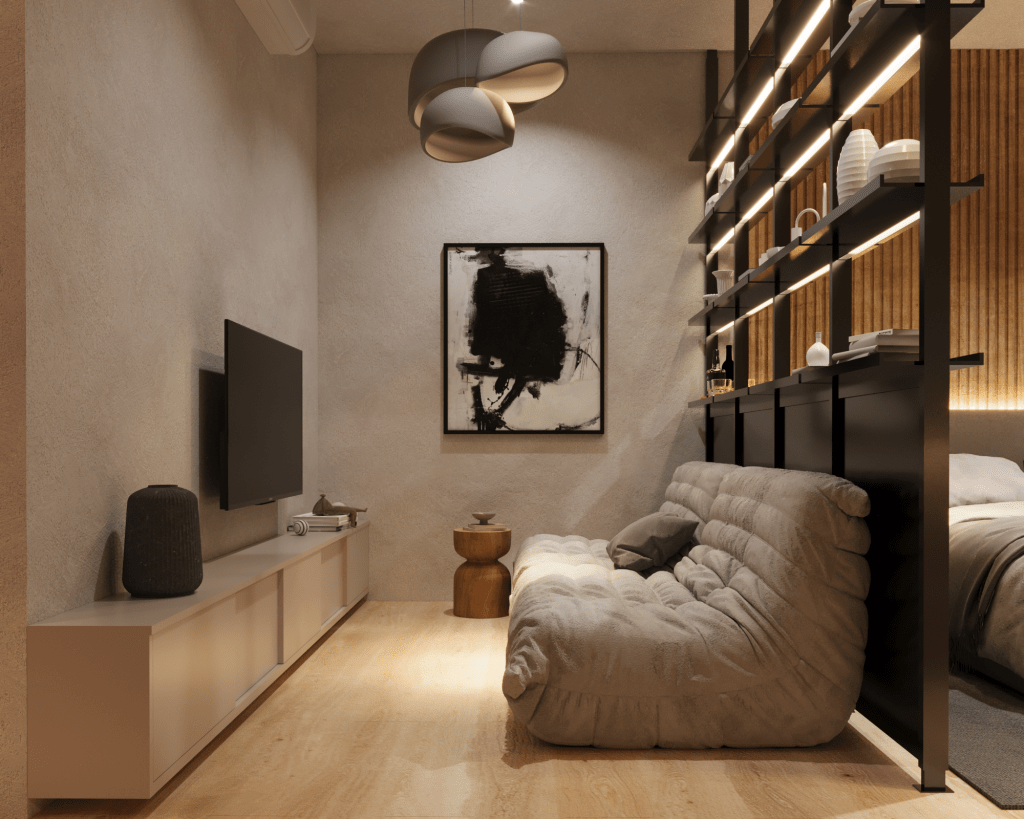
While the bedroom itself is the heart of this design, the client also wanted a small living area where they could watch TV in comfort. A soft, plush lounger defines the living zone, separated from the bed by a modern shelving unit. This creates a subtle visual distinction between areas, offering functionality without the need for heavy partitioning.
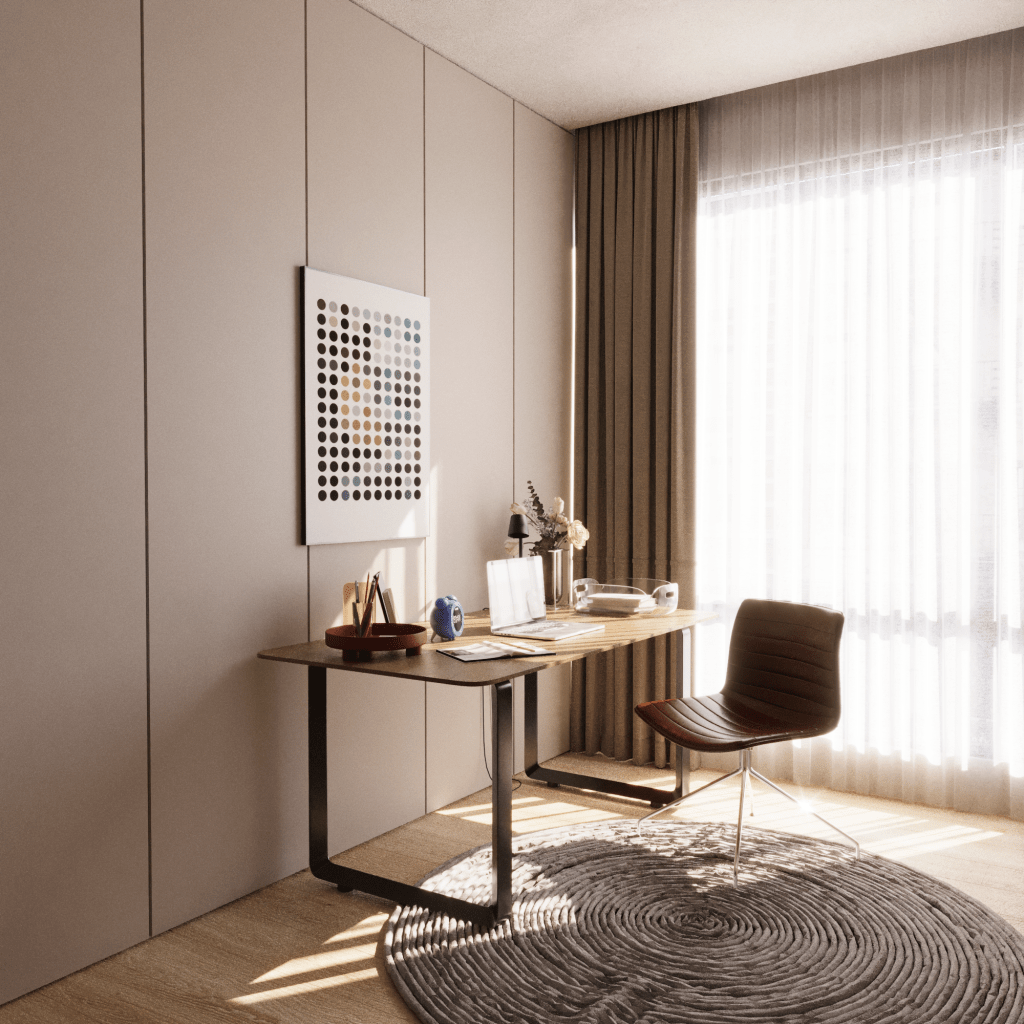
The addition of a work desk by the window is a clever way to make the most of natural light. This ensures that the room is not just for rest, but also provides a productive workspace that feels open and connected to the outdoors.
Lighting and Atmosphere
Lighting plays a key role in the atmosphere of this bedroom. Recessed lighting embedded in the ceiling and around the cabinetry provides a soft, ambient glow that enhances the room’s calm and serene atmosphere. This kind of indirect lighting creates a cozy environment, ideal for relaxation, while also highlighting the design details and textures within the space.
This Jakarta bedroom design demonstrates how minimalist principles can be tailored to meet personal needs, creating not just a visually appealing space but one that is deeply functional and calming. The use of warm woods, clever storage solutions, and thoughtful separation of spaces makes this bedroom the perfect retreat after a long day in the city.
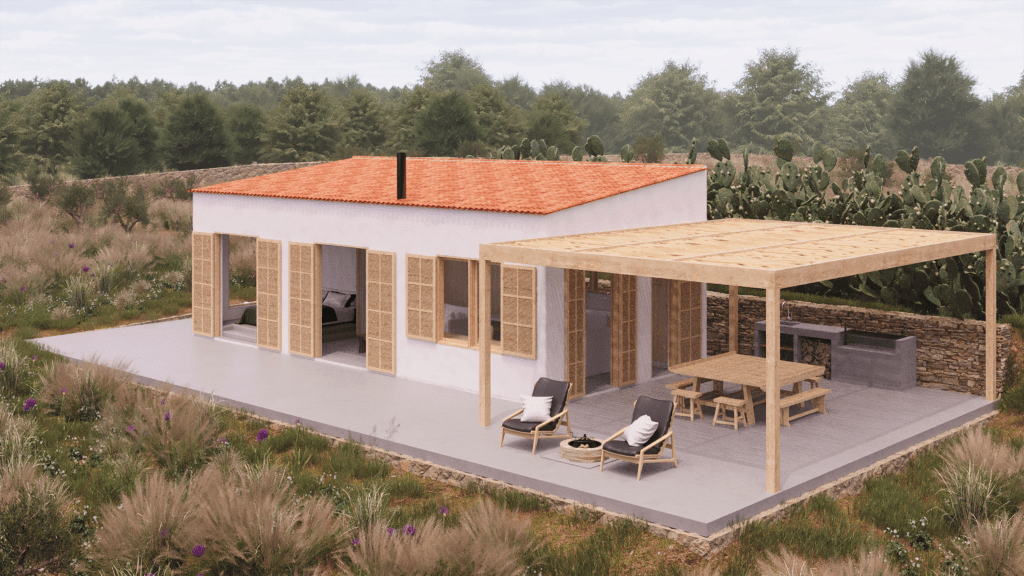
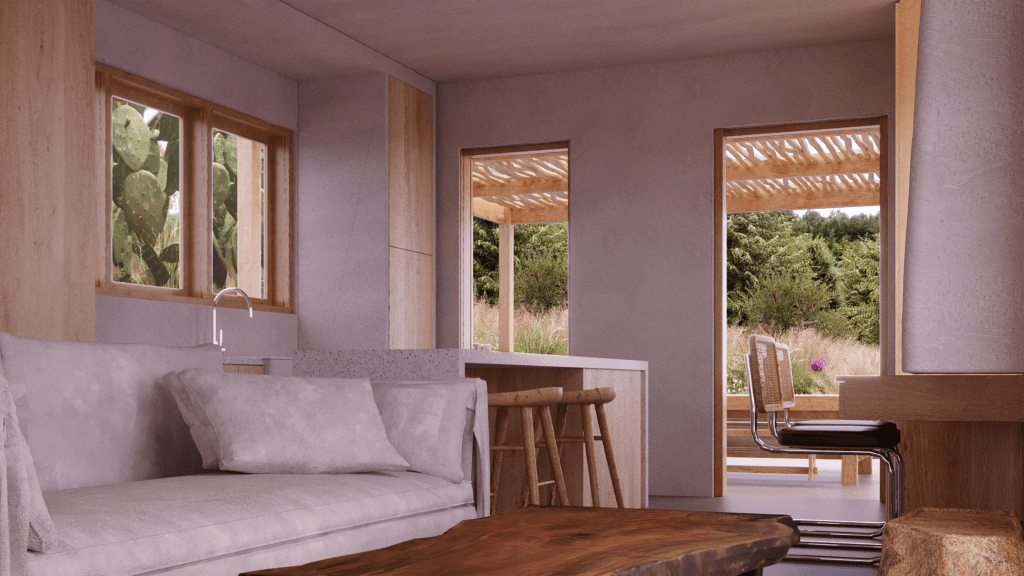
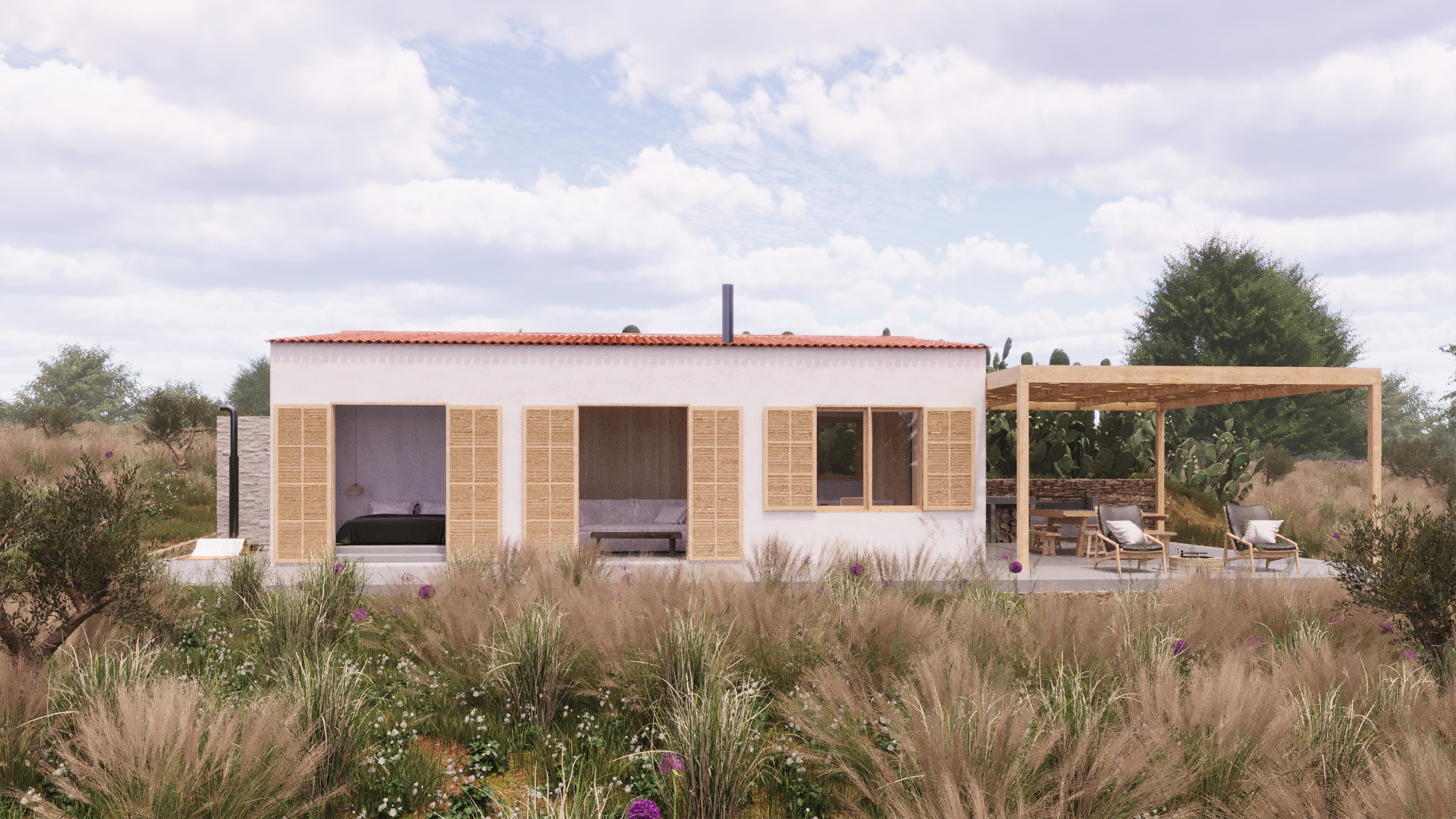
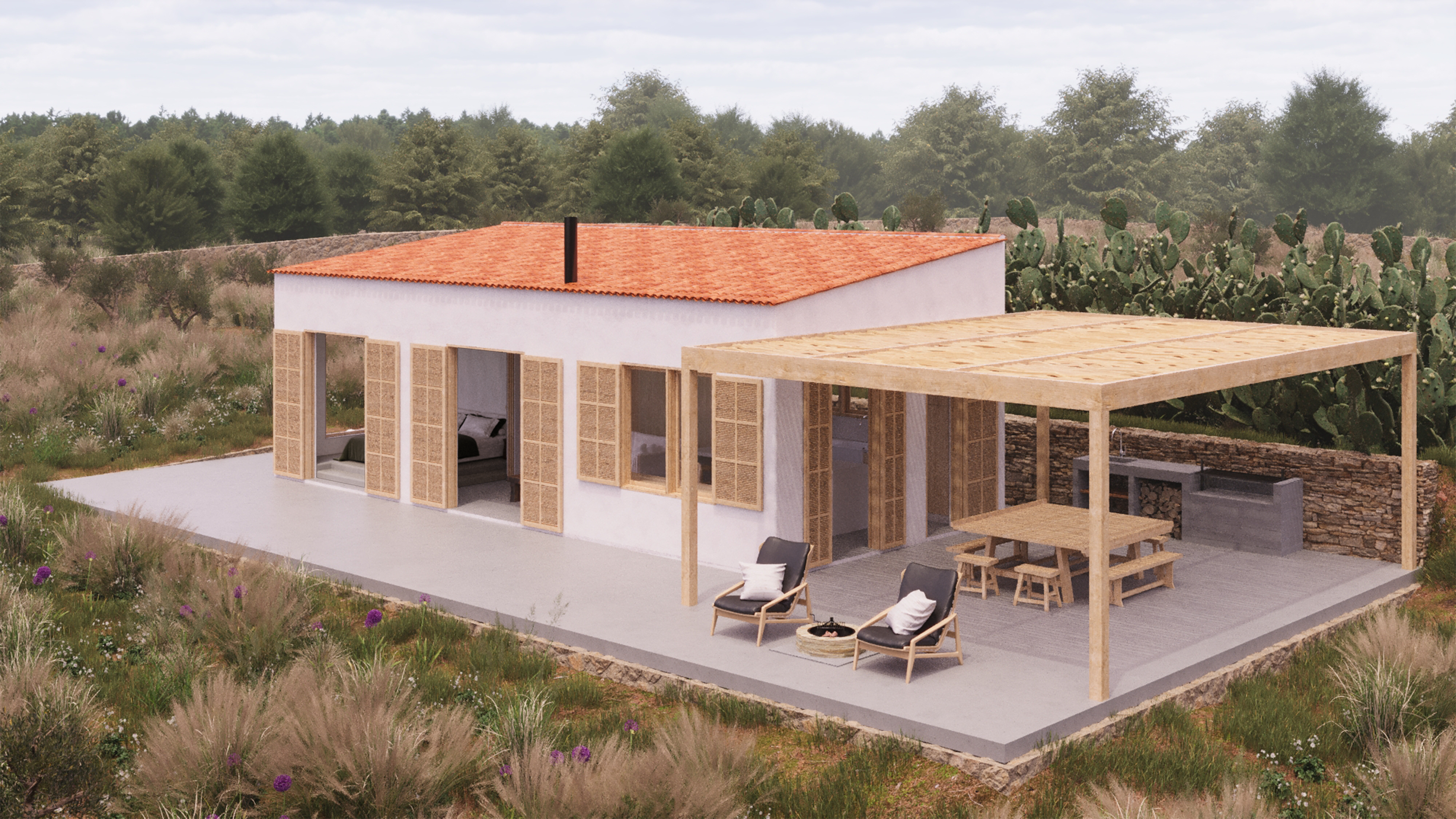
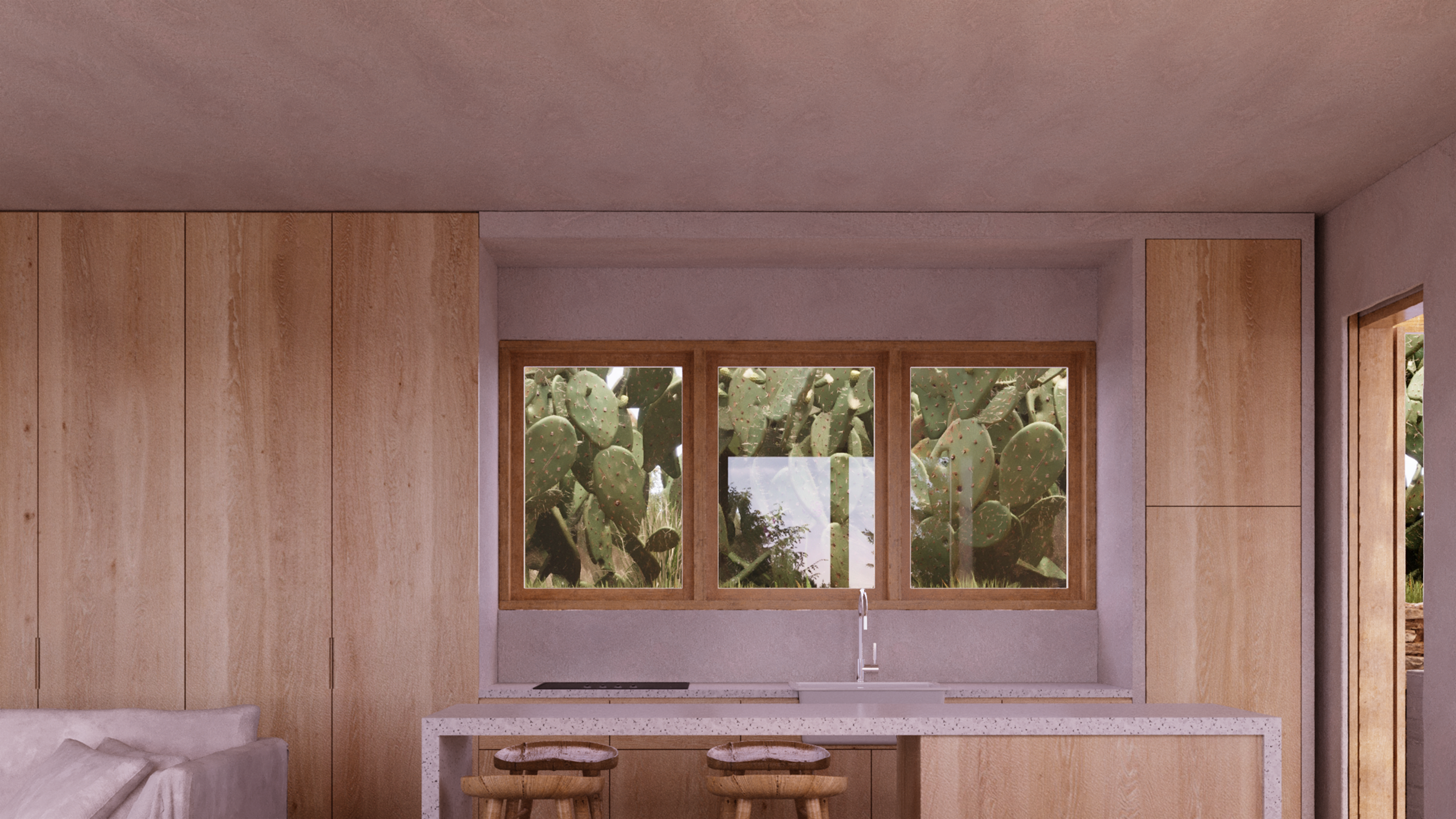
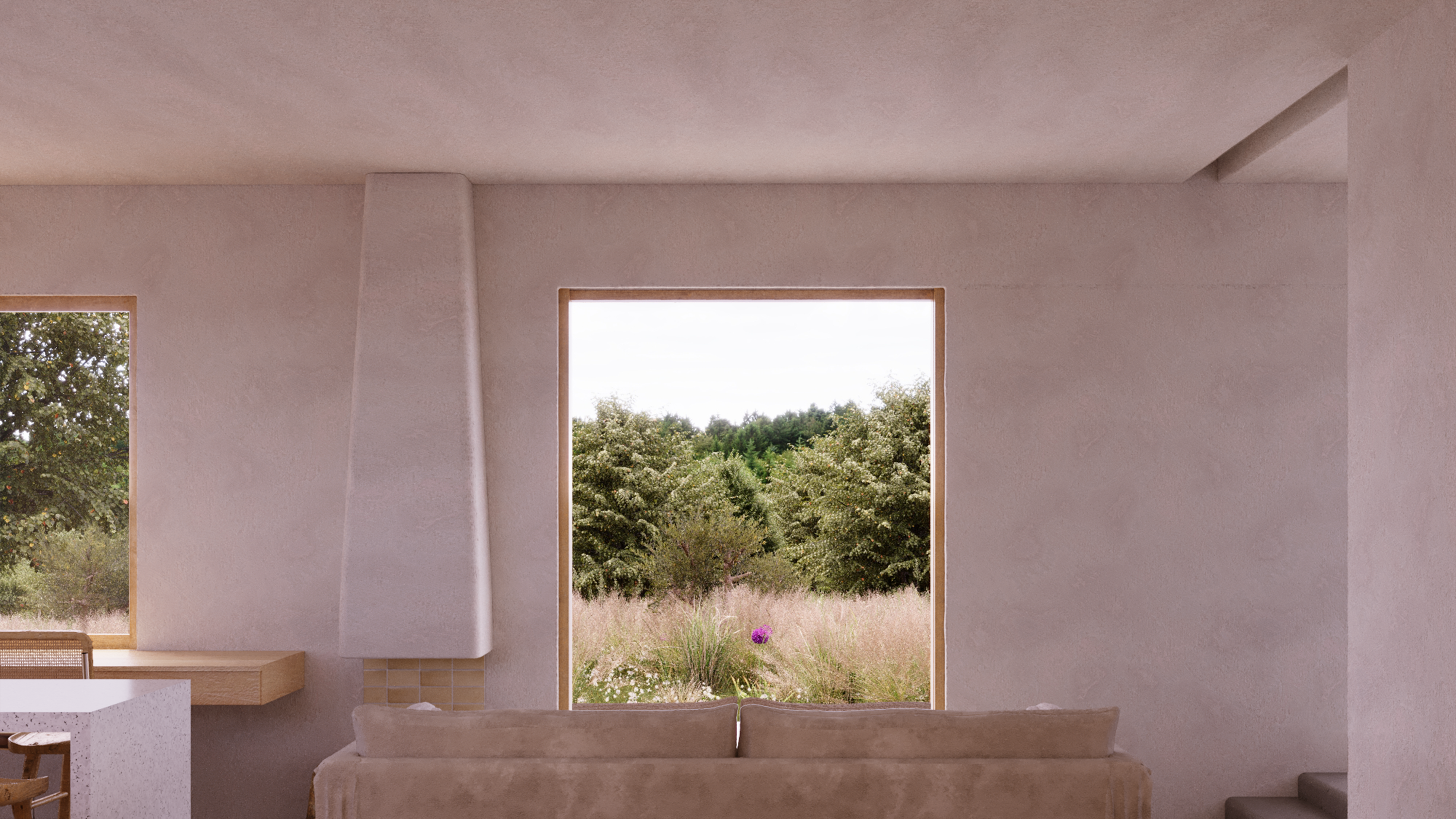
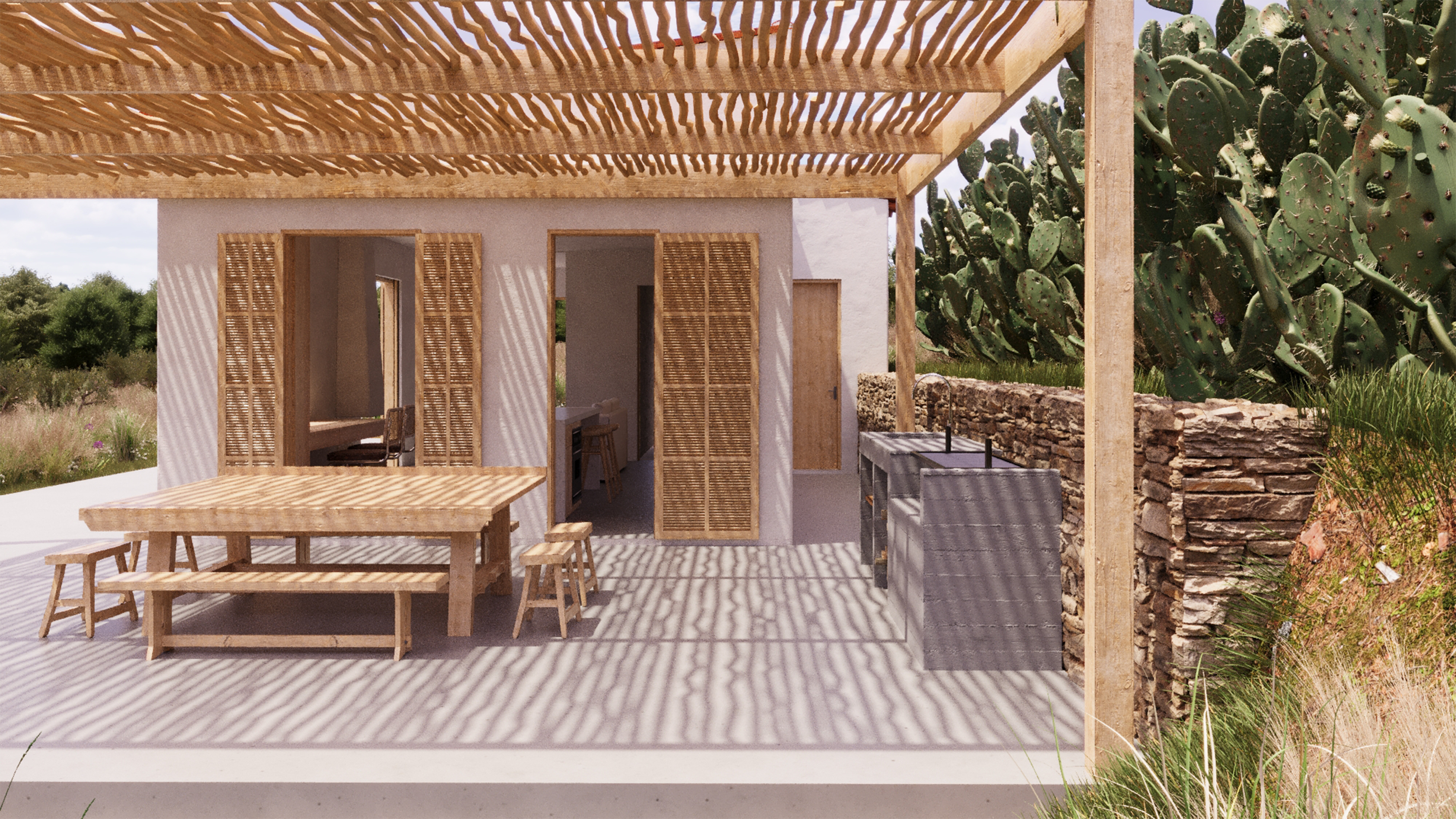
Kefalonia, the largest of the Ionian Islands in Greece, is renowned for its breathtaking landscapes, crystal-clear waters, and rich history. With its dramatic cliffs, lush greenery, and pristine beaches, it’s a dream location for anyone looking to build a Mediterranean-style villa. If you’re considering designing a villa in this enchanting locale, blending modern comforts with traditional Mediterranean aesthetics can create a home that complements the island’s natural beauty. Here’s how to achieve a perfect balance in your villa design.
Embracing the Mediterranean Spirit
The Mediterranean style is characterized by its warm, inviting, and timeless qualities. For a villa in Kefalonia, this means incorporating elements that celebrate the island’s natural environment while providing a functional, comfortable living space. The Mediterranean style typically includes:
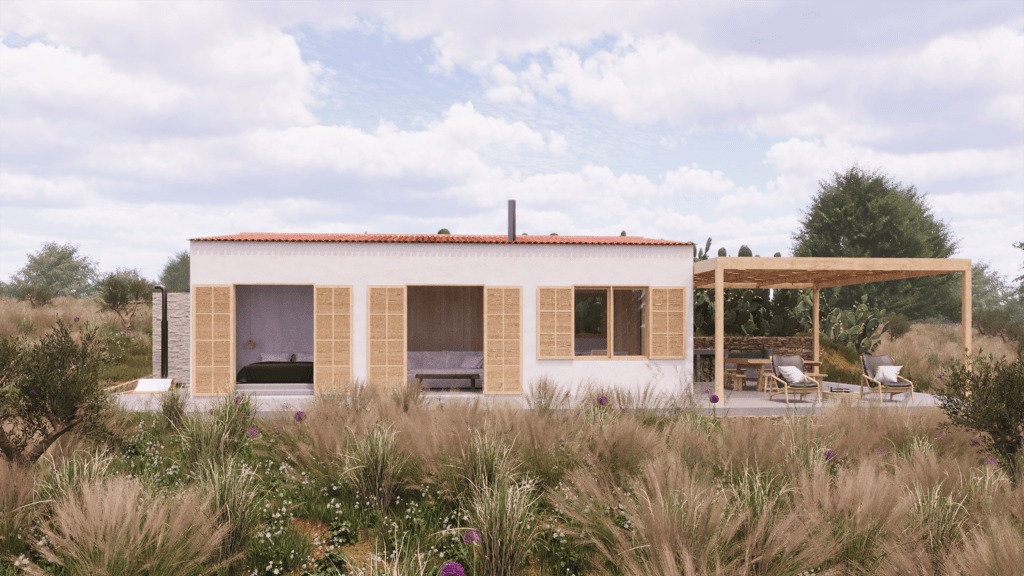
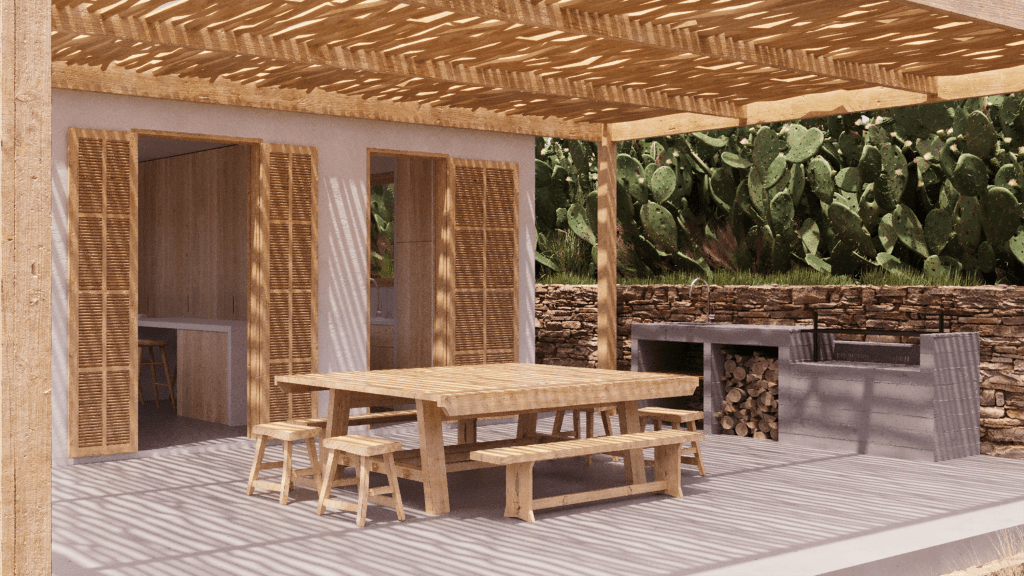
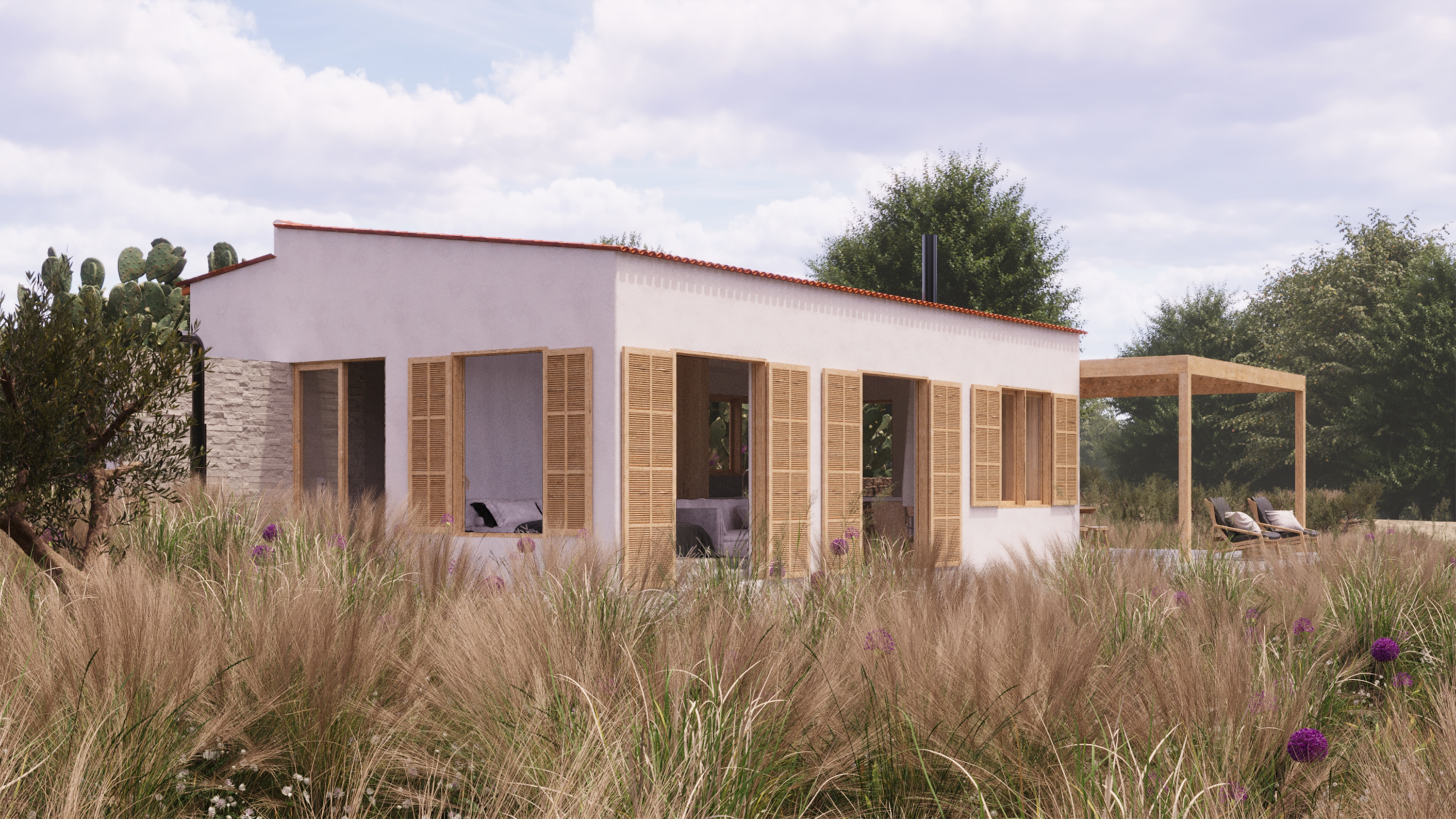
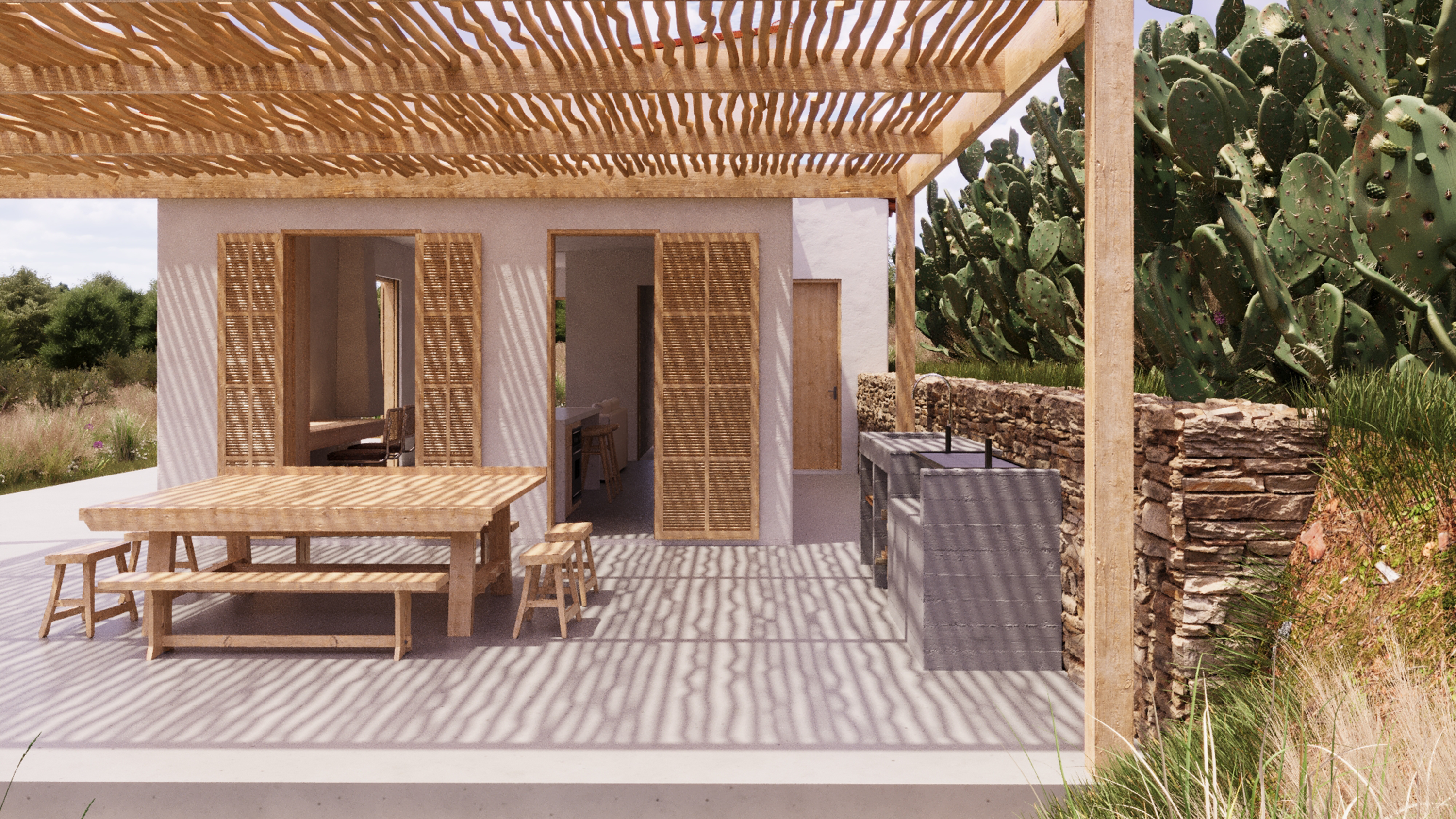
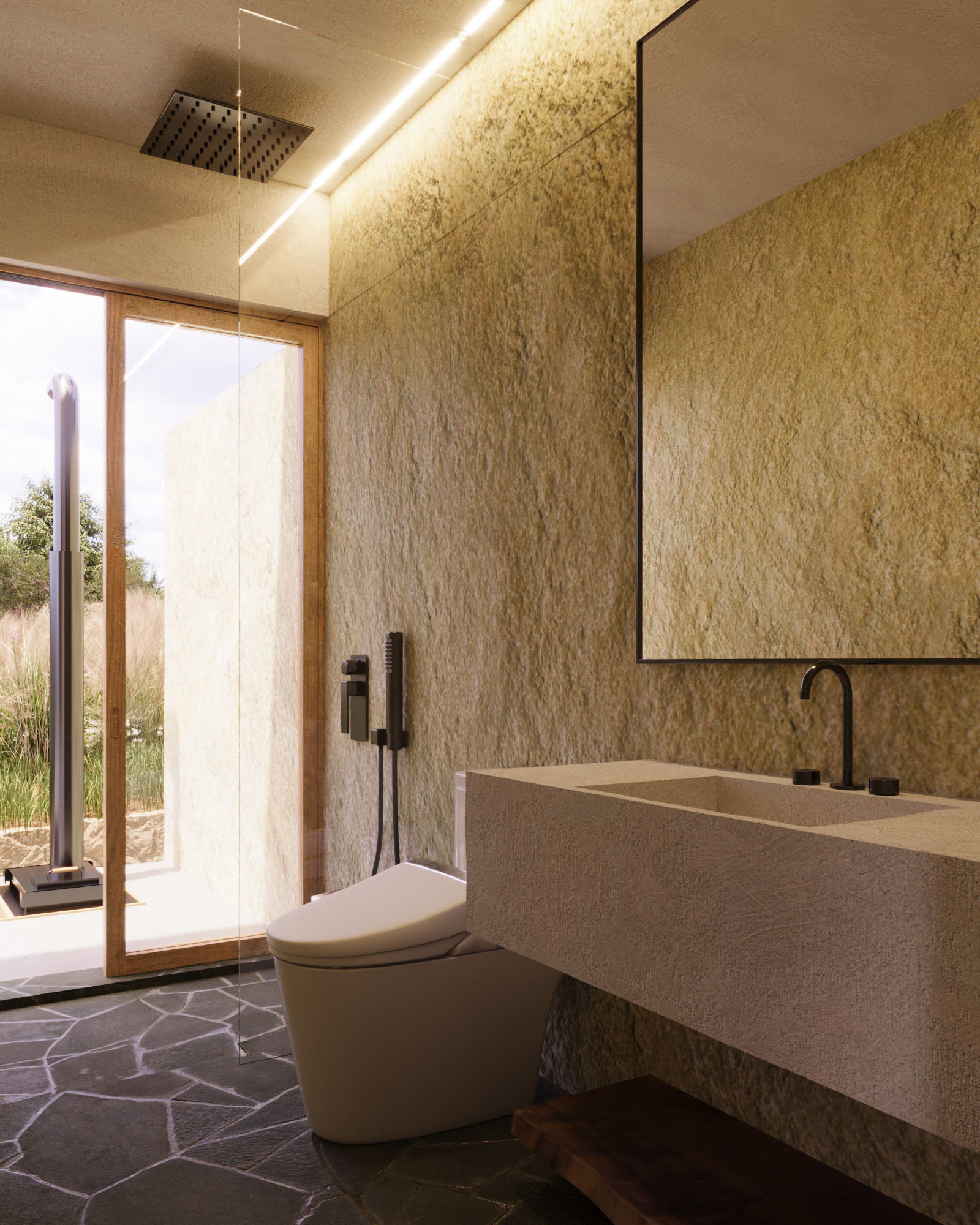
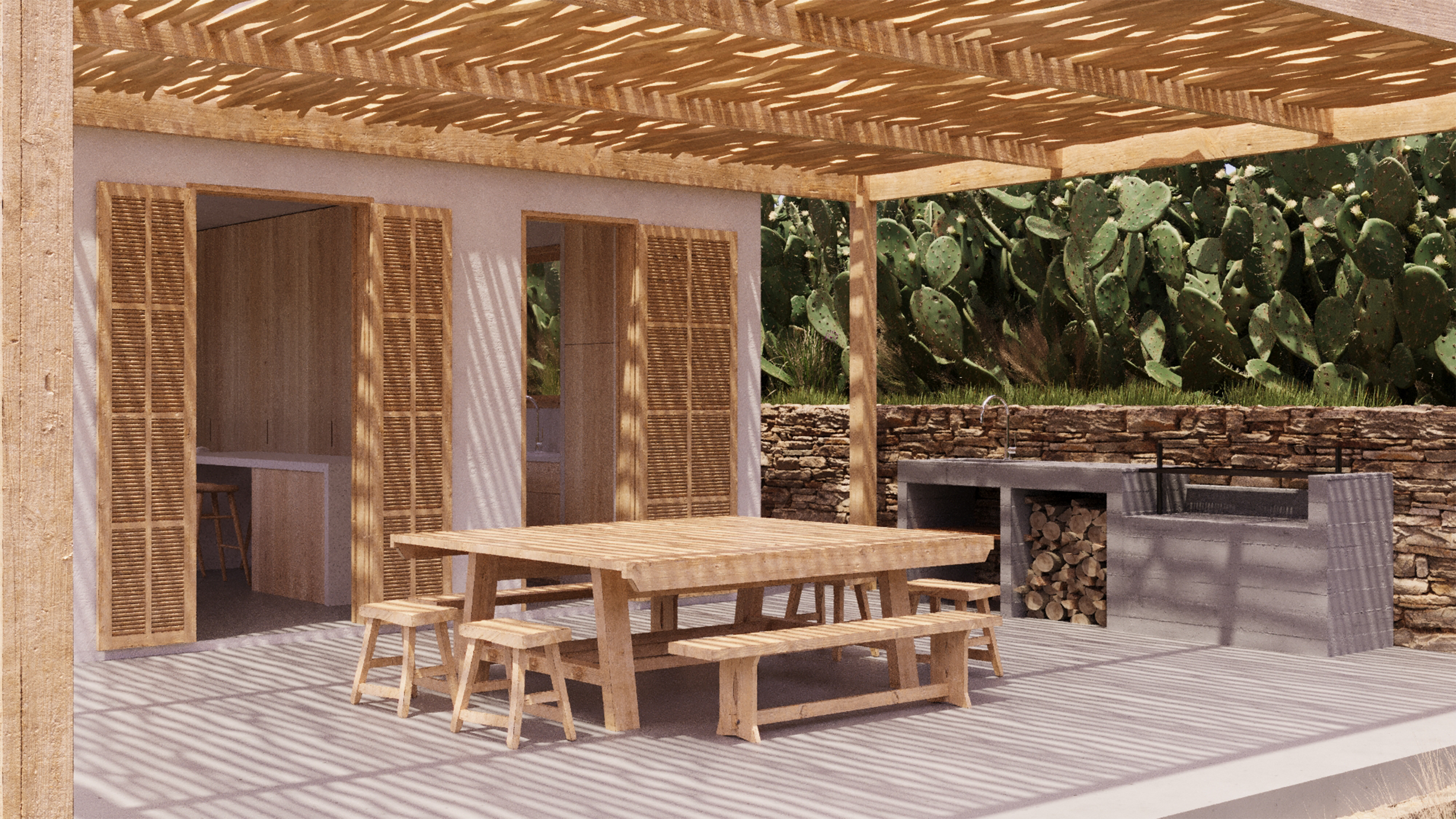
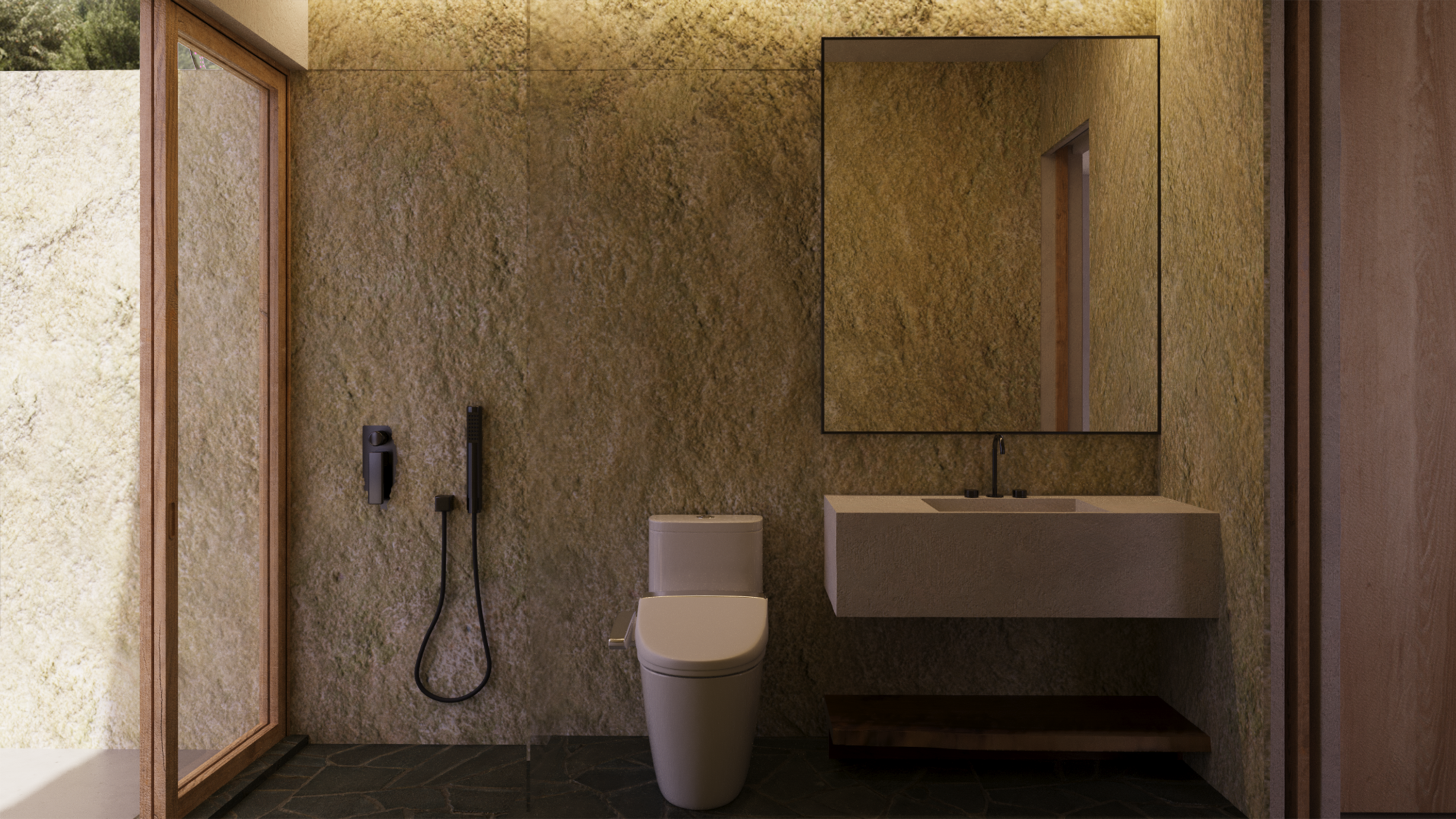
Natural Materials: Use local stone, terracotta tiles, and wooden beams. Kefalonia is known for its limestone, so incorporating this material into your villa’s design will help it blend seamlessly with the surroundings.
Stucco Walls: Traditional Mediterranean homes often feature stucco exteriors. Opt for a warm, sandy color that reflects the island’s natural hues and enhances the villa’s integration with its environment.
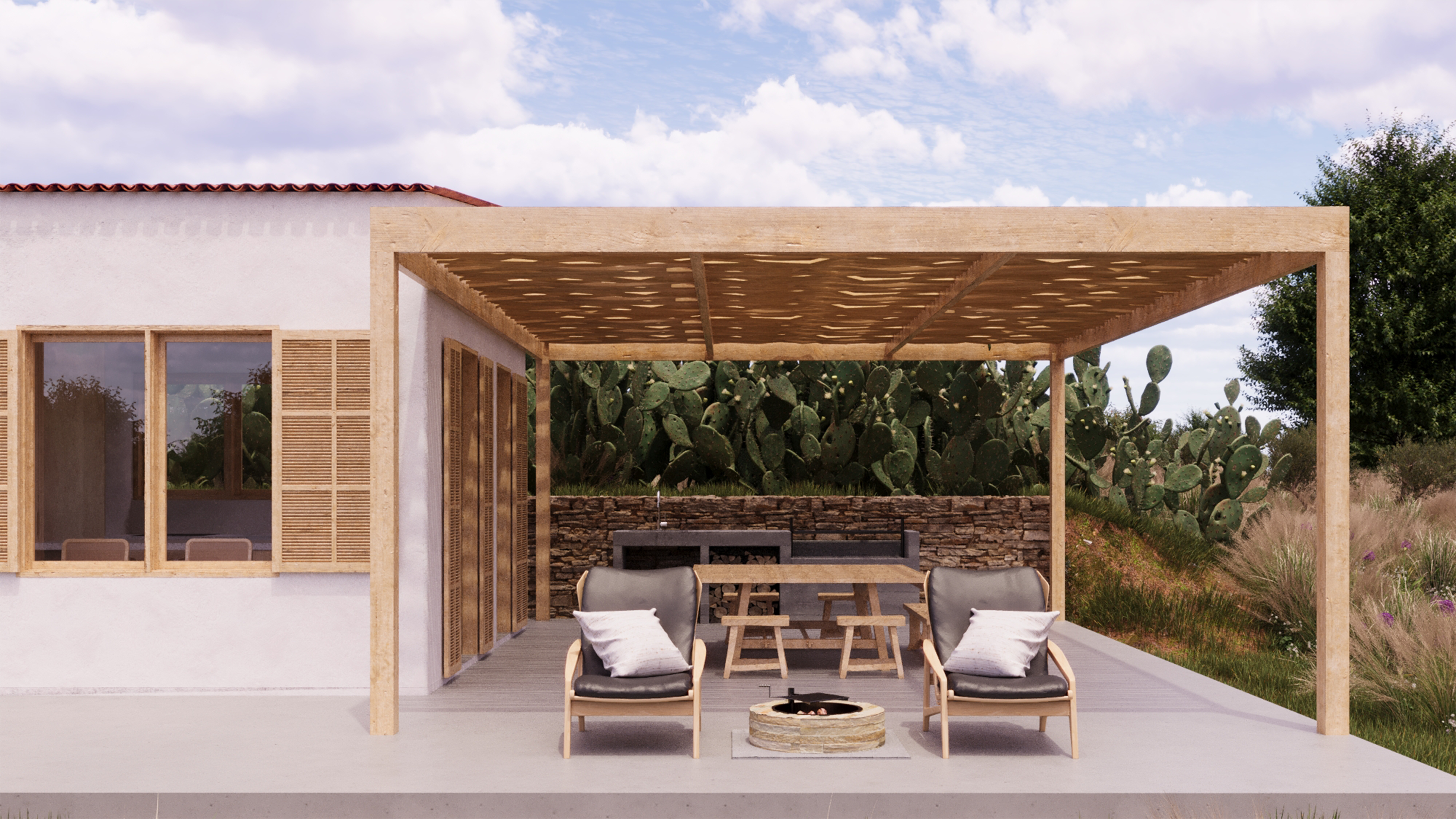
Red-Tiled Roofs: Terracotta roofing is both practical and stylish. It’s durable and provides a classic Mediterranean look that complements the island’s traditional architecture.
Designing with the Landscape in Mind
Kefalonia’s landscape is a dramatic mix of rugged mountains, rolling hills, and stunning coastlines. Designing your villa to harmonize with this diverse terrain involves:
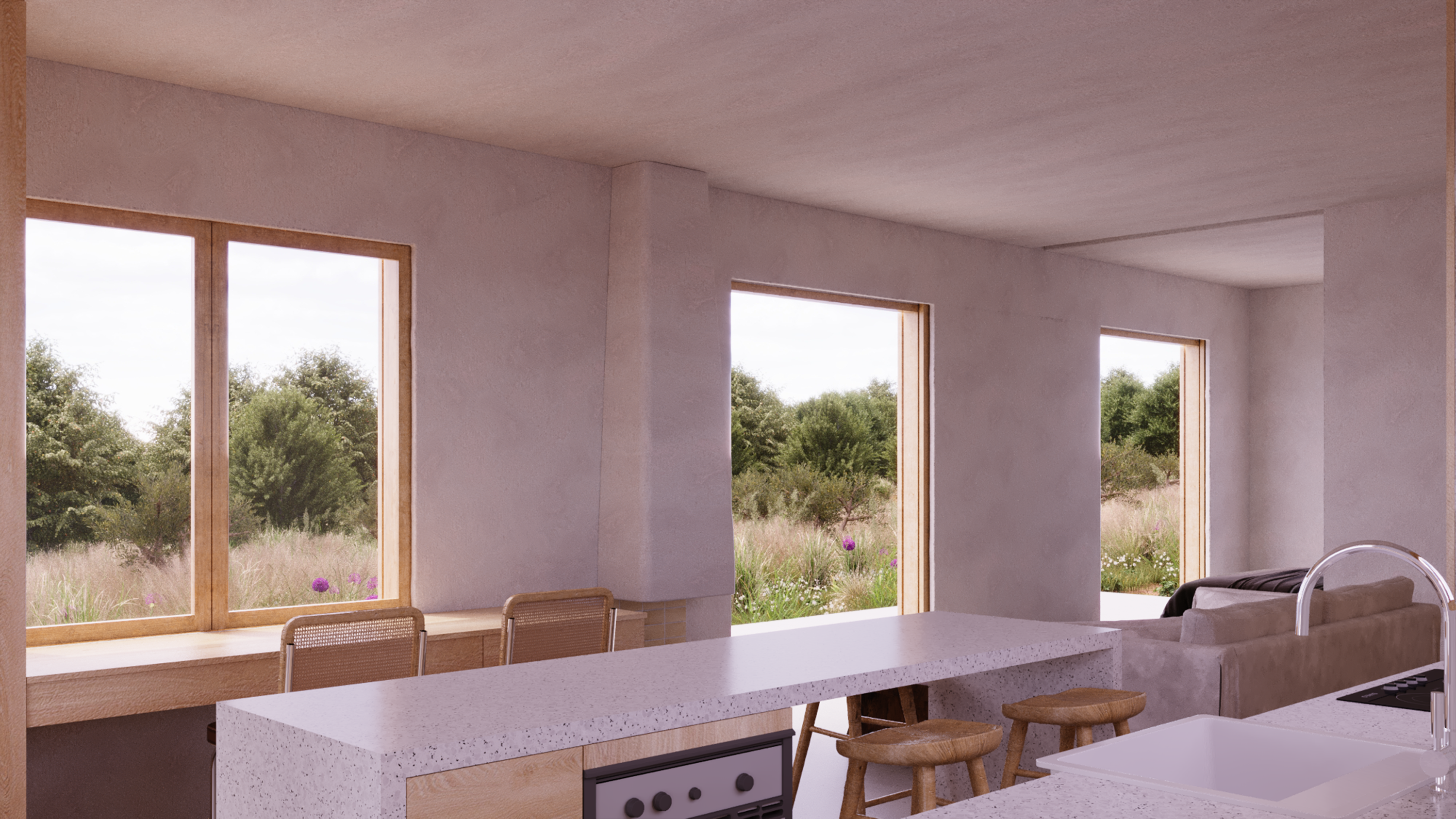
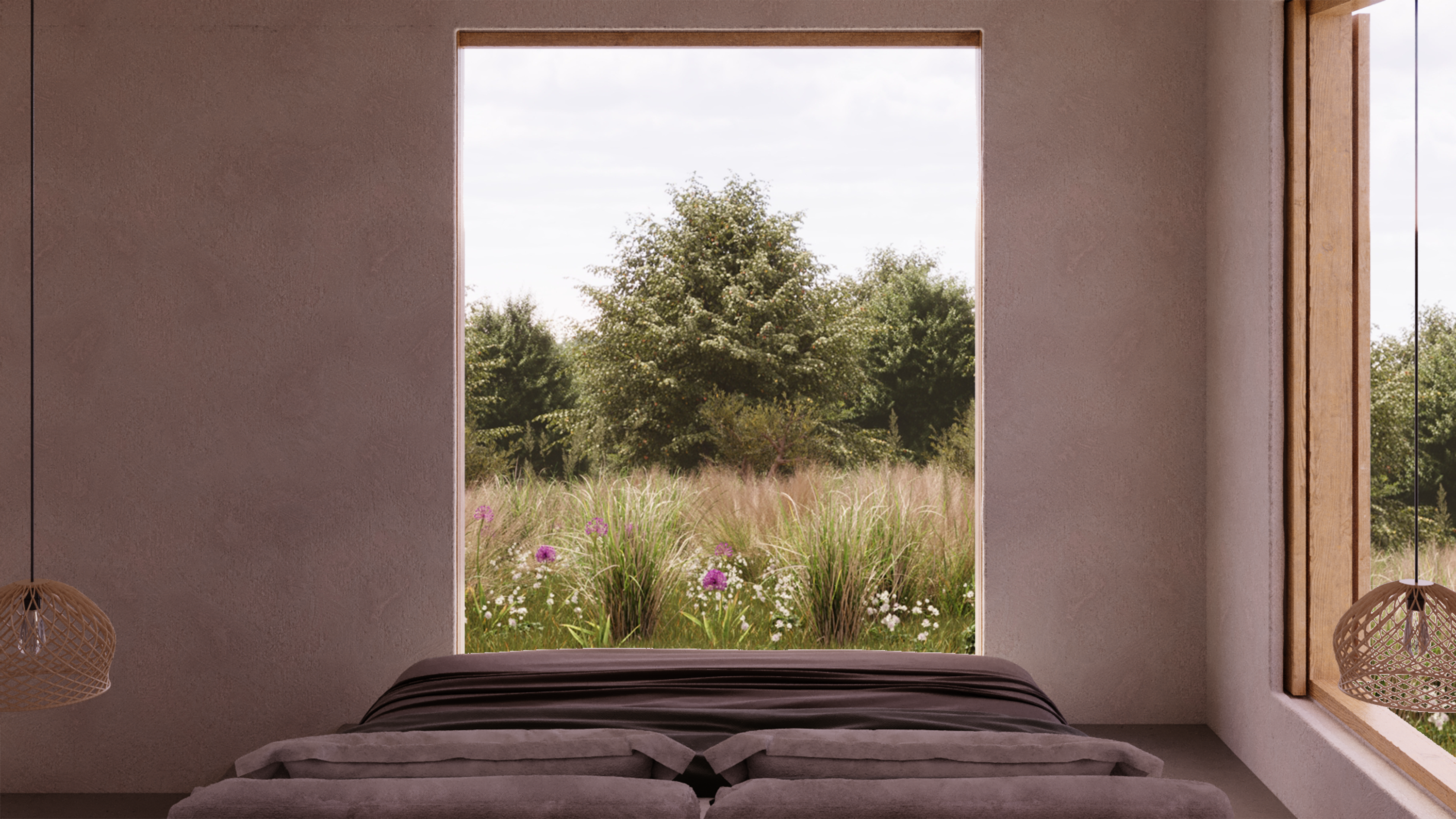
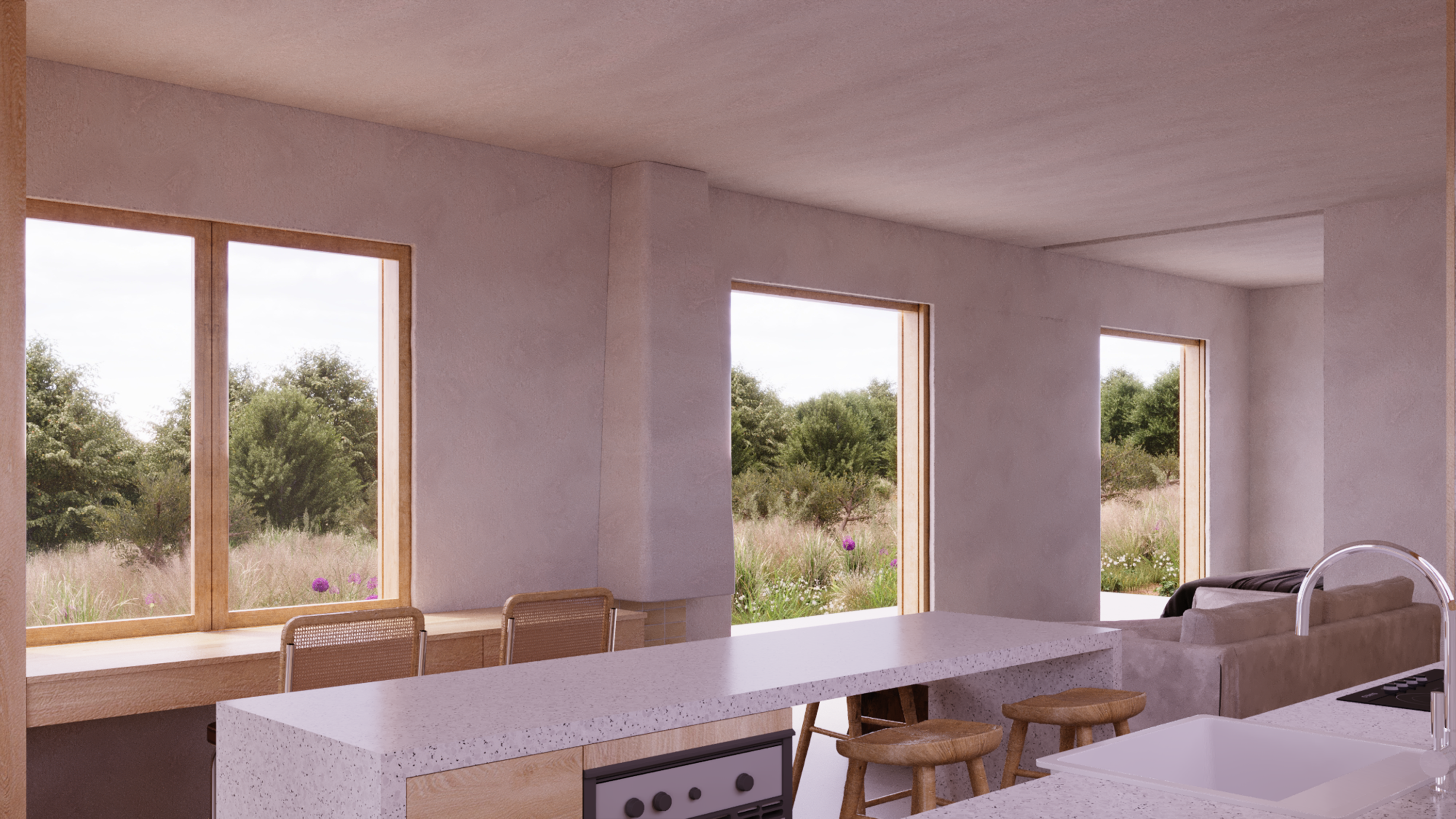
Maximizing Views: Position your villa to take full advantage of the island’s panoramic views. Large windows and sliding glass doors can open up living spaces to the outdoors, allowing for unobstructed views of the sea or lush hills.
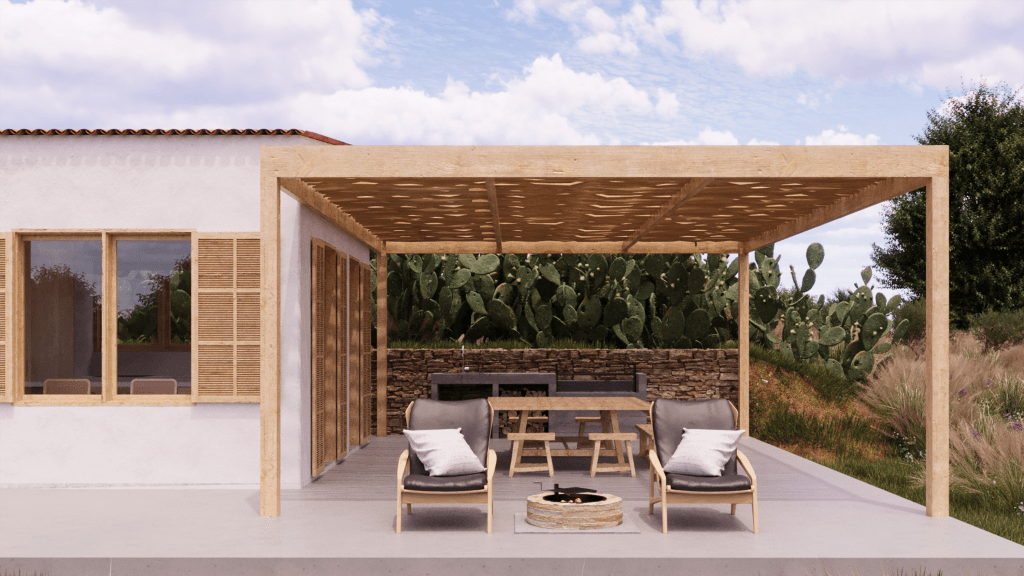
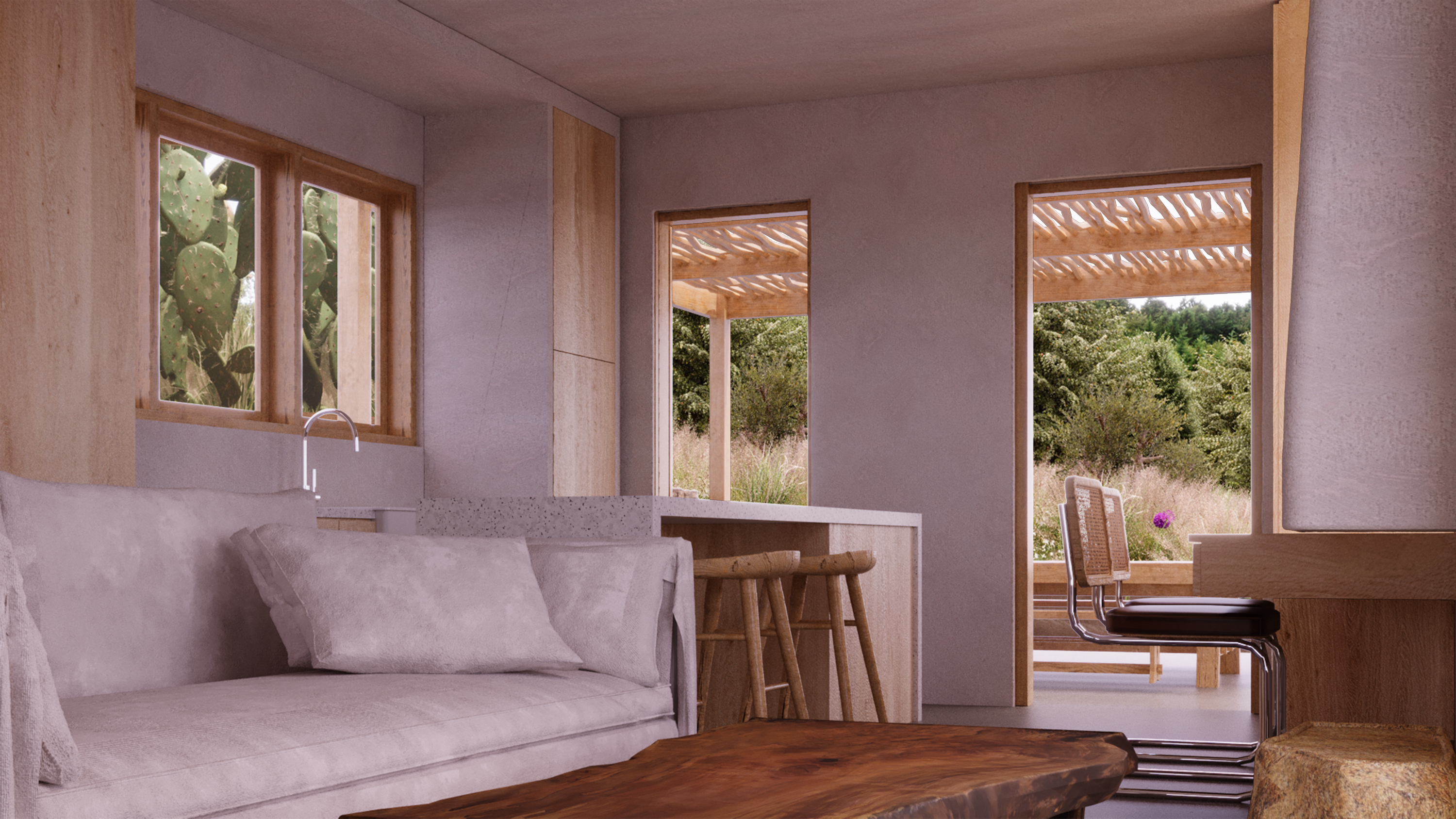
Outdoor Living Spaces: Mediterranean living is all about embracing the outdoors. Design expansive terraces, shaded patios, and alfresco dining areas to enjoy the island’s pleasant climate. Incorporate pergolas, outdoor kitchens, and lounges to create a seamless flow between indoor and outdoor spaces.
Landscaping: Use native plants and trees to blend your villa into its surroundings. Olive trees, lavender, and bougainvillea are not only beautiful but also low-maintenance, making them ideal for the island’s climate. Create terraced gardens or natural stone pathways to enhance the villa’s connection with the land.
Architectural Features and Interior Design
To capture the essence of Mediterranean design, focus on the following architectural and interior elements:
Old style window : Incorporate old style into doorways and windows to reflect traditional Mediterranean architecture. These features add elegance and a sense of history to your villa.
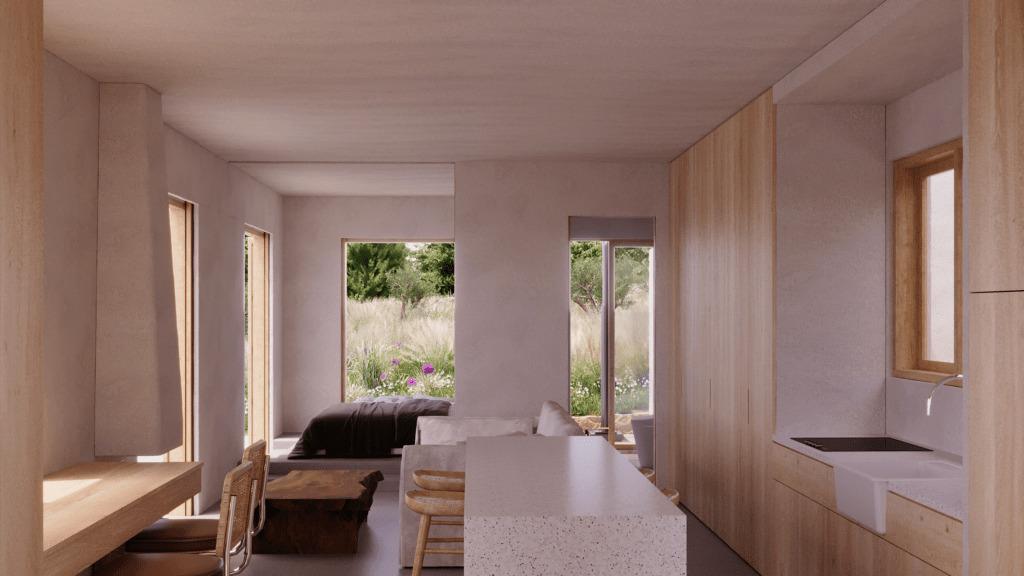
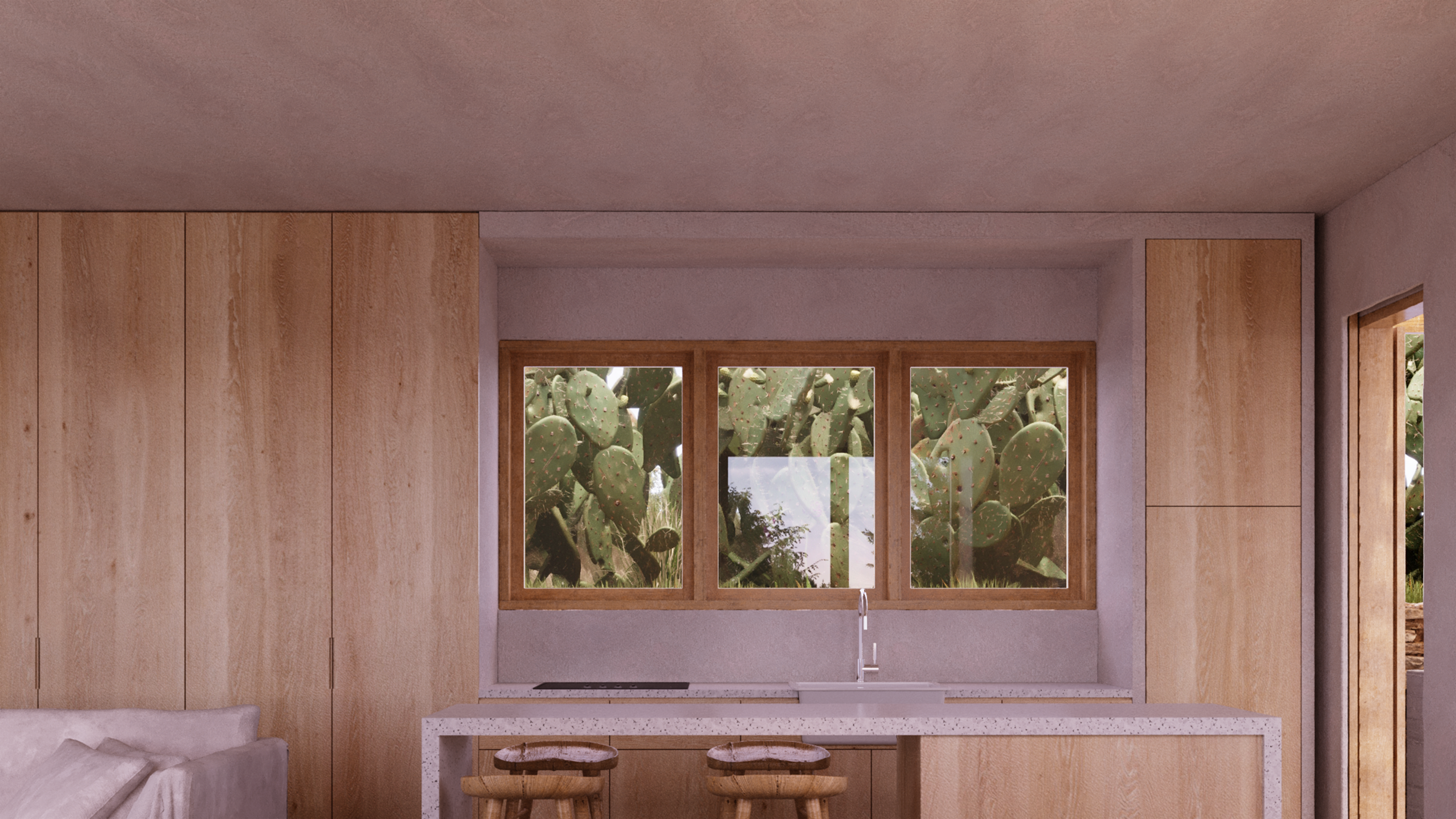
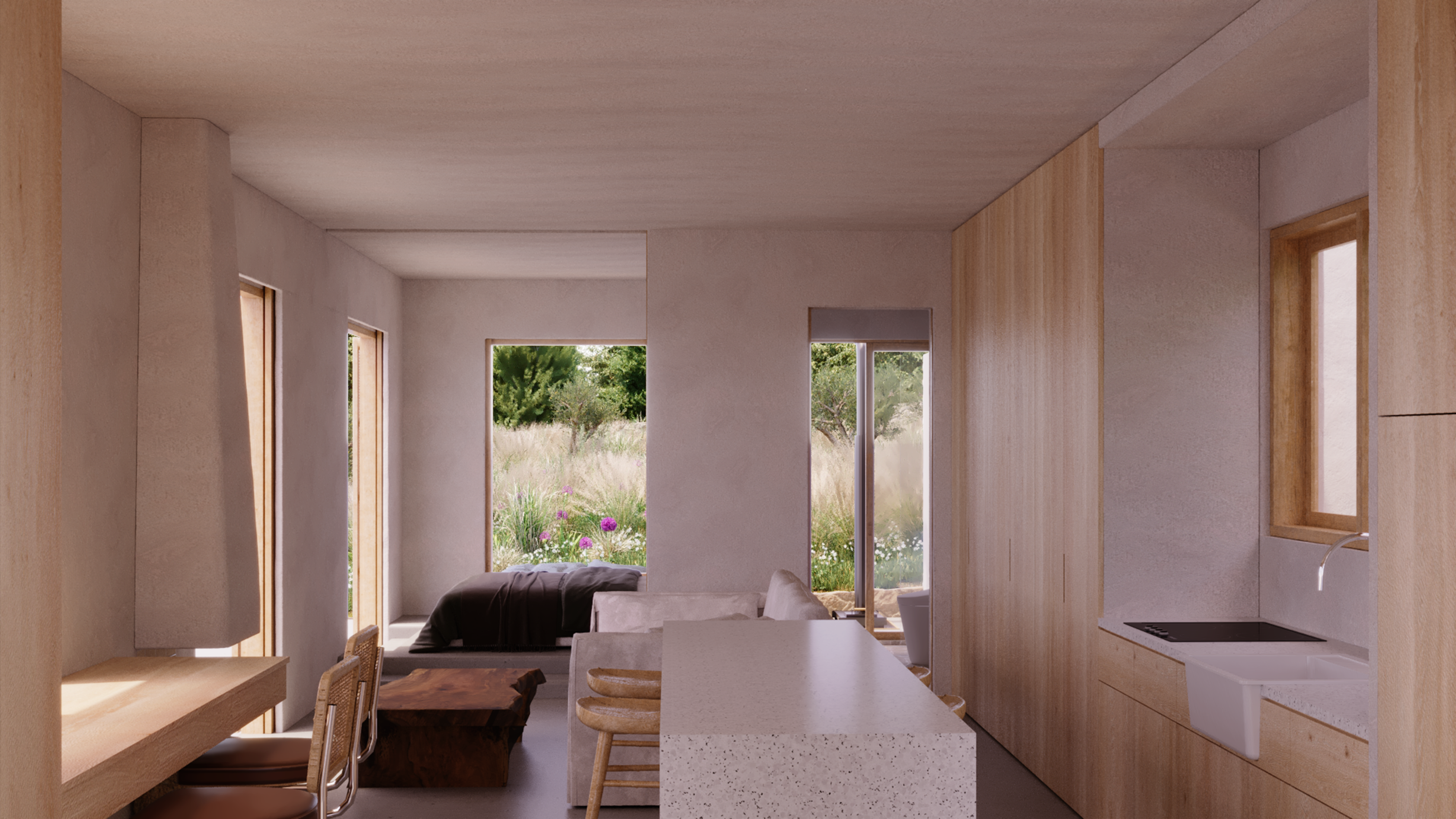
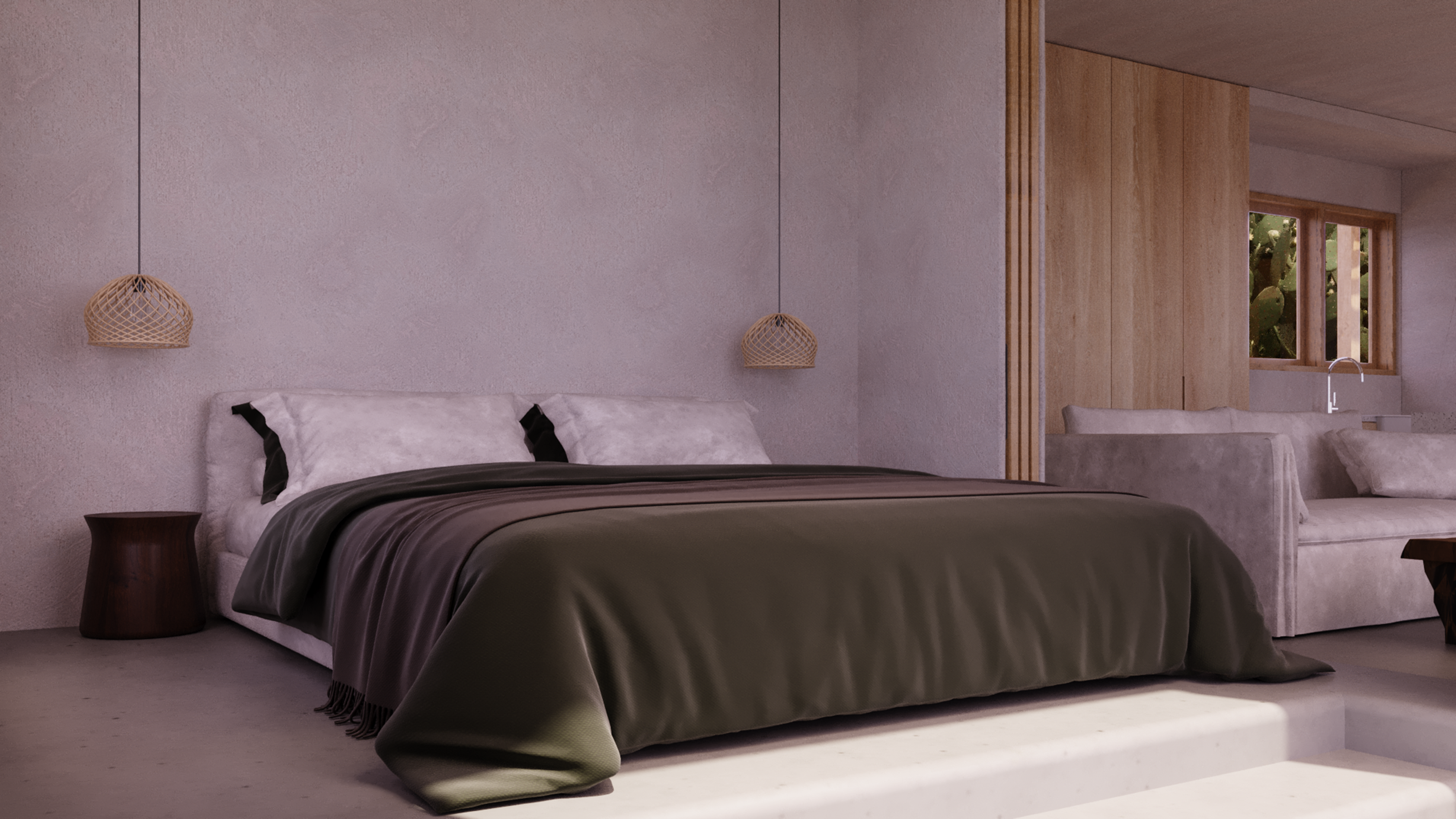
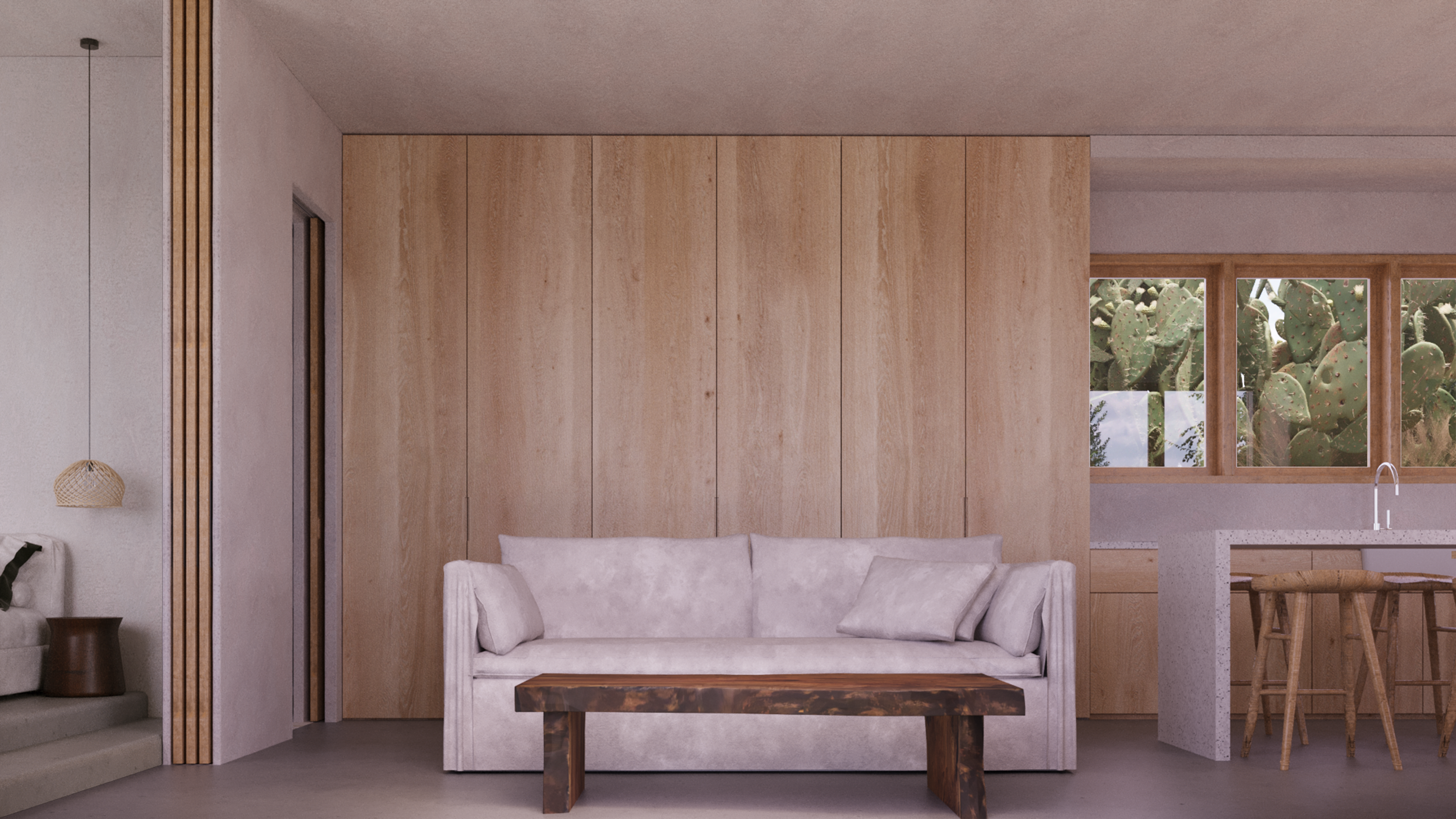
Open Floor Plans: Embrace an open floor plan that promotes airy, light-filled interiors. High ceilings with exposed wooden beams and large windows allow natural light to flood the space, creating a bright and welcoming atmosphere.
Polish Floor Concrete: Use polish concrete for flooring, backsplashes.
Rustic Furniture and Decor: for rustic, handcrafted furniture and decor pieces. Wrought iron fixtures, wooden furniture with a distressed finish, and woven textiles create a cozy, inviting atmosphere.
Sustainable Design Considerations
Kefalonia’s environment is precious, and integrating sustainable design practices into your villa’s construction can help preserve the island’s natural beauty:
Energy Efficiency: Install energy-efficient windows and insulation to reduce the villa’s energy consumption. Consider incorporating solar panels to harness the island’s abundant sunlight.
Water Conservation: Use low-flow fixtures and implement rainwater harvesting systems to manage water usage responsibly.
Local Materials: Sourcing building materials locally not only supports the island’s economy but also ensures that your villa’s design is in harmony with its environment.
Conclusion
Designing a Mediterranean villa in Kefalonia offers a unique opportunity to create a home that reflects both the island’s natural splendor and the timeless elegance of Mediterranean architecture. By thoughtfully integrating traditional elements with modern comforts, and paying attention to the landscape and sustainability, you can build a villa that not only enhances the beauty of Kefalonia but also provides a serene, luxurious retreat for years to come.
 Oneiros atelier