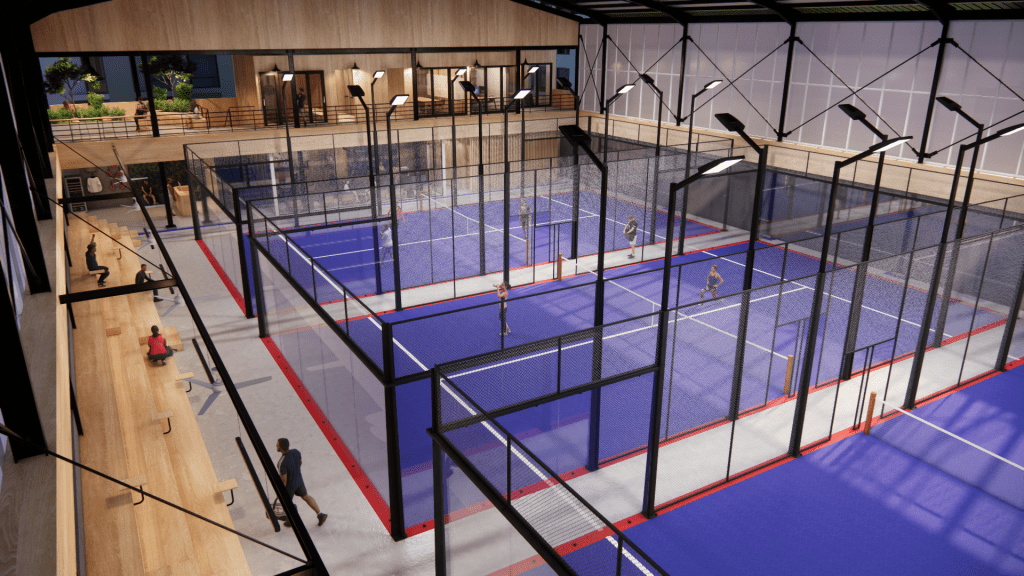
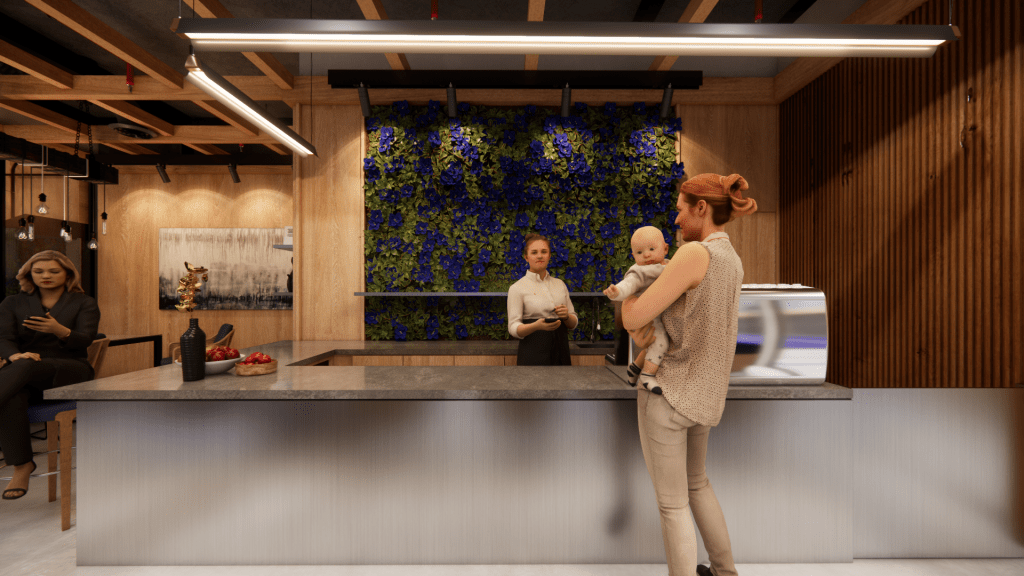
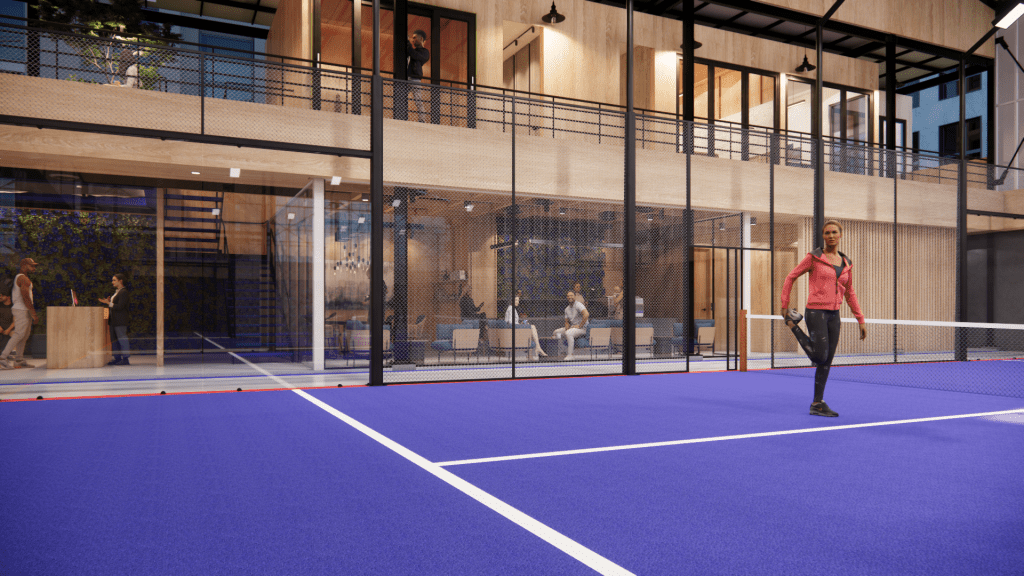
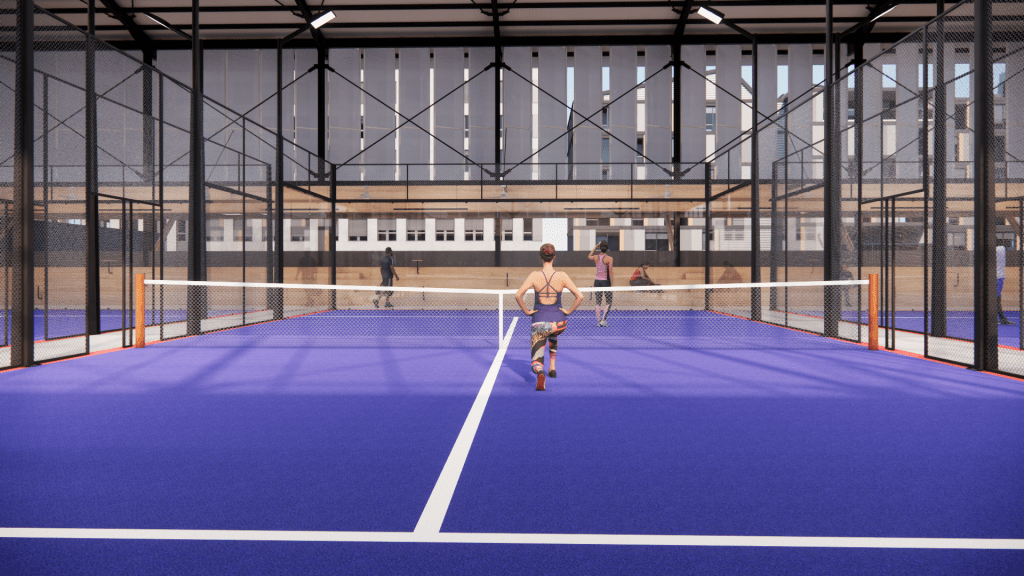
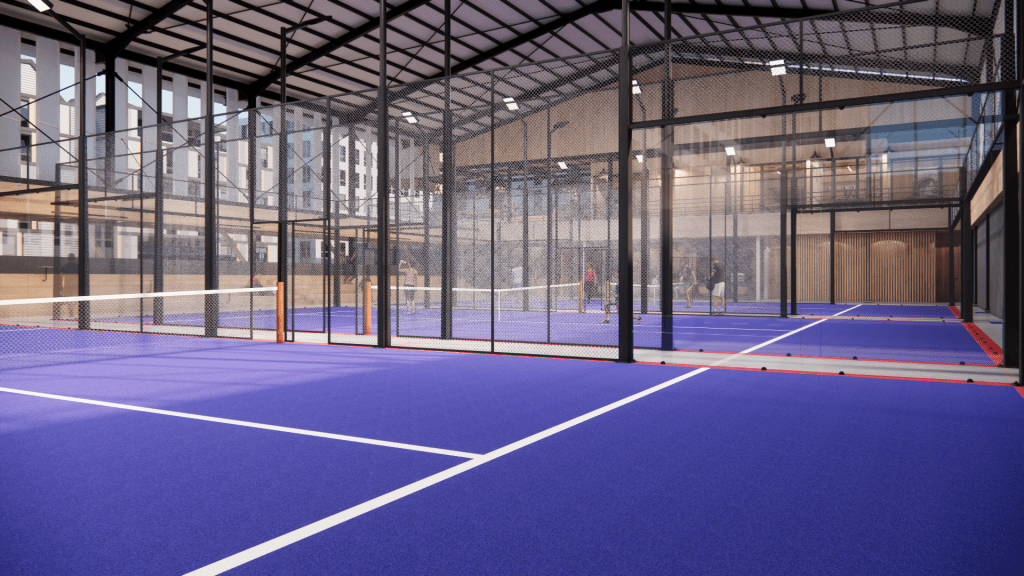
At The Padel Side, we’ve created more than just a court—we’ve built a culture. A bold new playground where identity, grit, and community collide. This is where players don’t just show up—they choose their side with confidence and never look back.
“Claim your court. Own your side.” It’s not just a tagline. It’s a mindset.
Design Ethos
Urban Industrial Soul
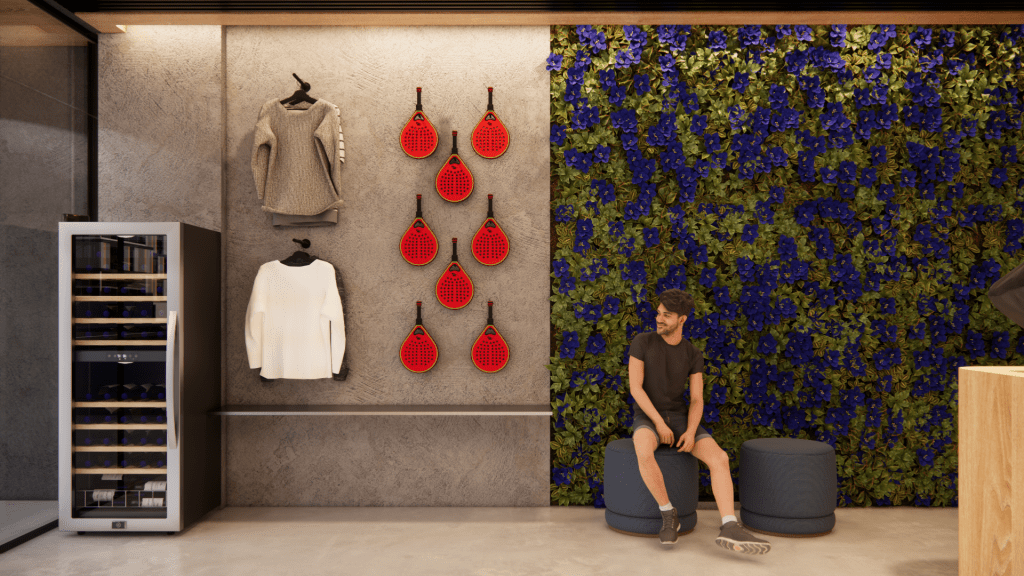
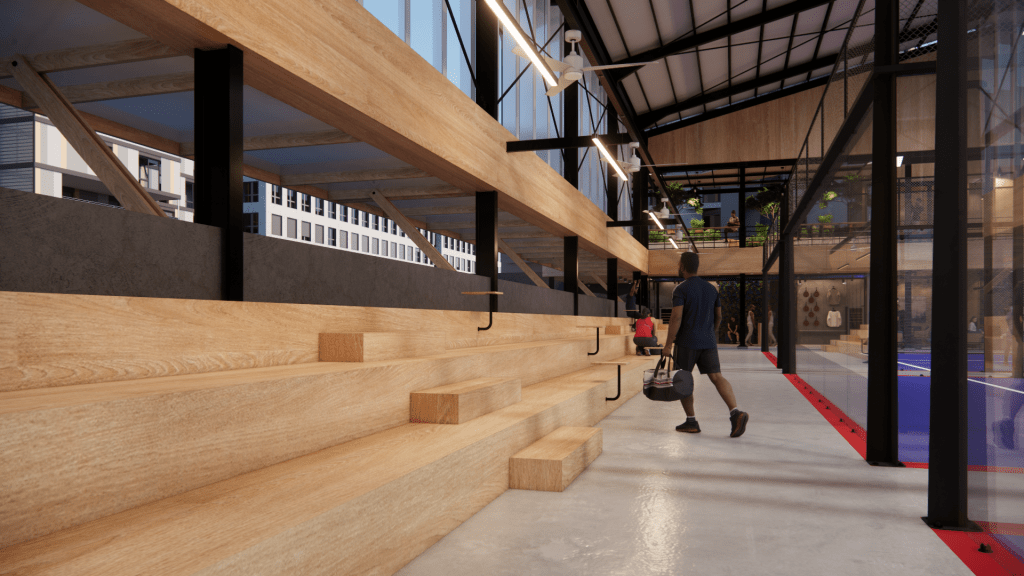
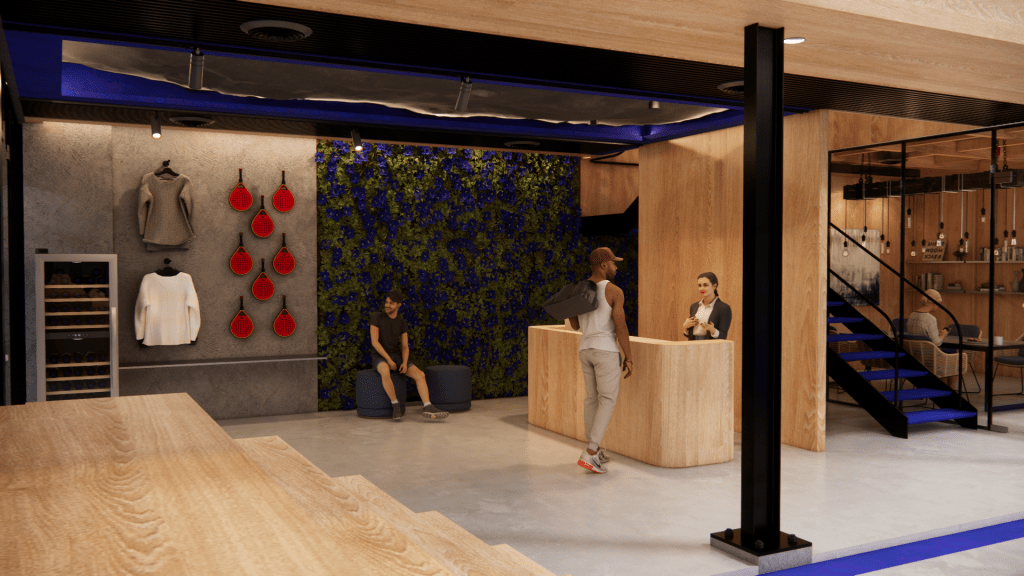
Inspired by the backstreets of New York and the underground sports scene, The Padel Side wears its toughness with pride. Wrapped in raw concrete, black steel, and reclaimed wood, the space echoes the rhythm of Brooklyn lofts, street basketball courts, and stripped-down boxing gyms—reimagined with clean, modern lines. This is padel with an edge.
Minimalist Structure, Maximal Energy
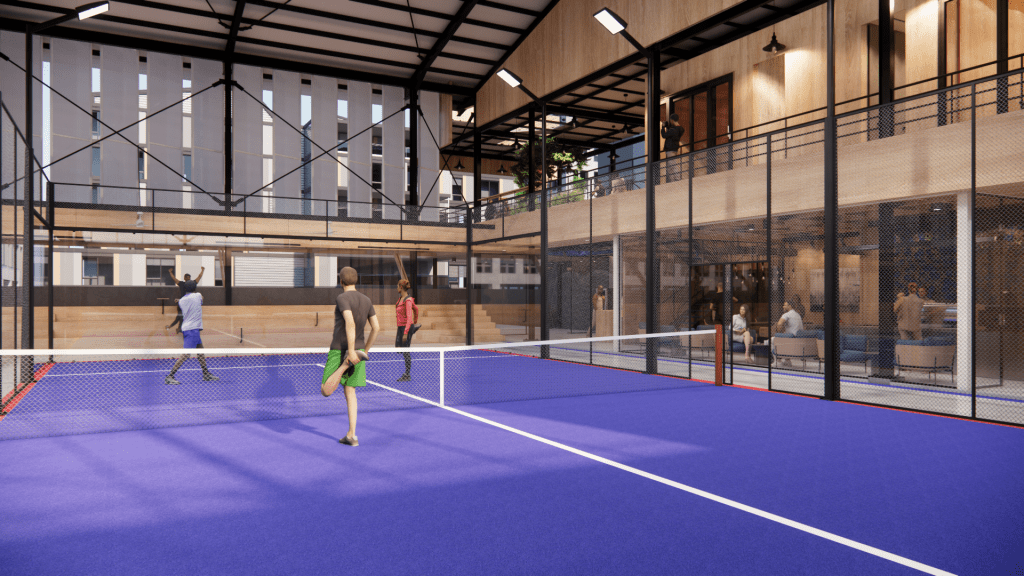
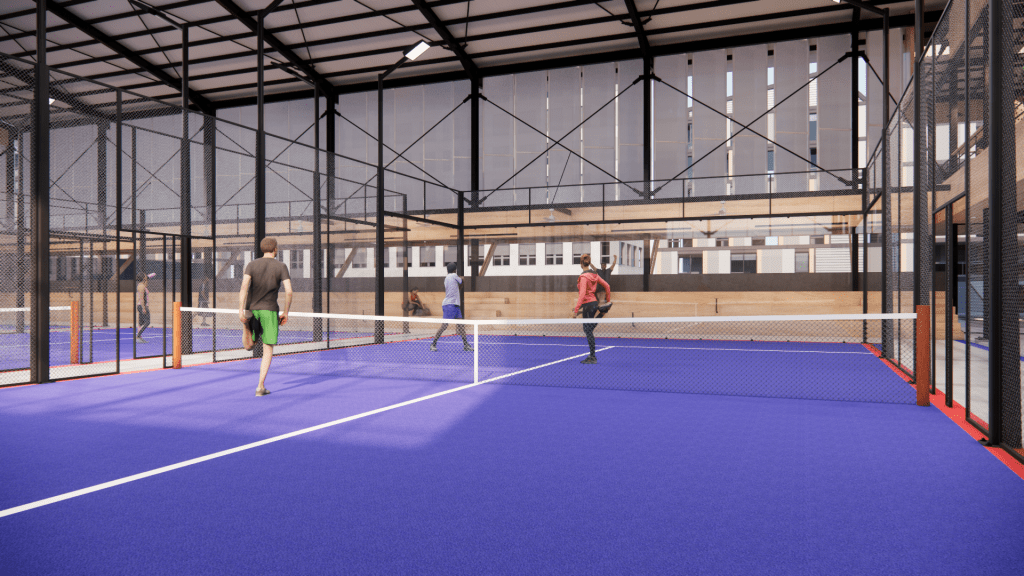
Every detail is intentional. The layout is bold and open—not empty, but focused. It’s a quiet backdrop that lets the intensity of the game take center stage. The structure breathes. The silence between walls lets the sound of serves, cheers, and sneakers speak louder. This isn’t just a place to play—it’s a place to own your moment.
Dark Elegance, Democratic Access
Black steel meets warm wood. Premium doesn’t mean exclusive. While the design speaks in a language of sleek minimalism and deep tones, the vibe stays inclusive. You don’t need status to belong here—just your side. Because there’s padel… and then there’s The Dark Side.
Architectural Key Elements
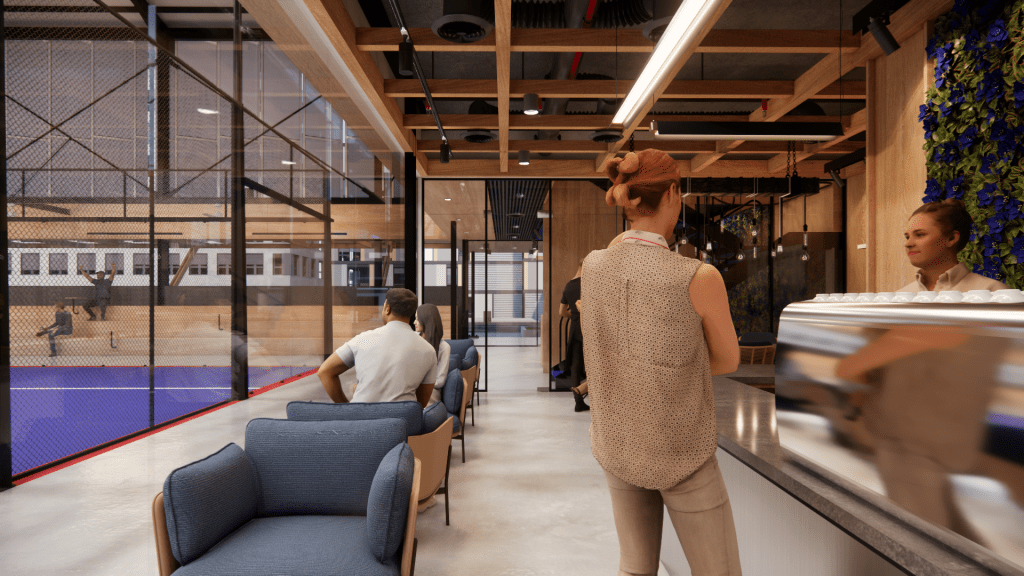
Exposed steel structures and trusses define the court’s backbone, channeling strength and transparency.
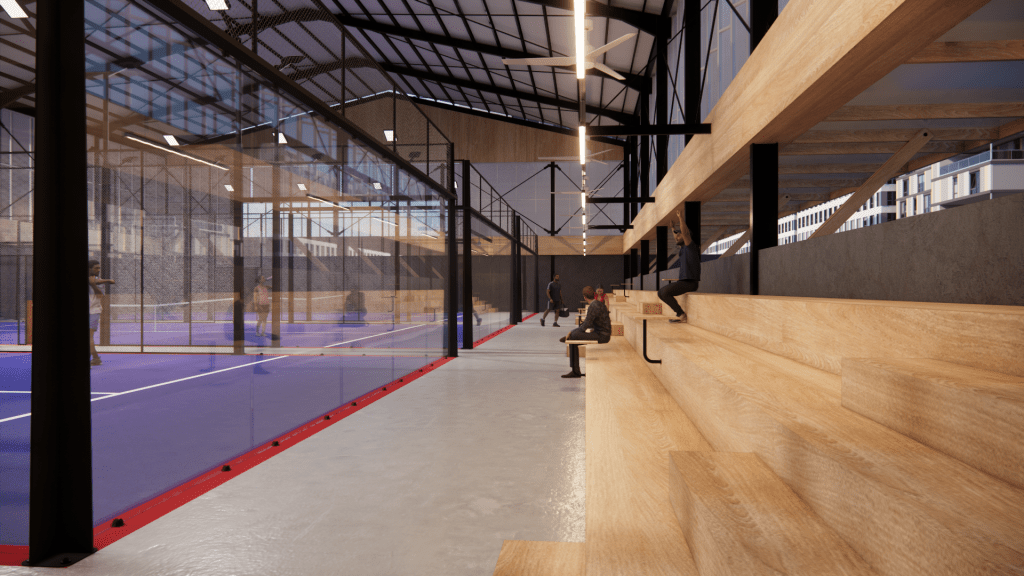
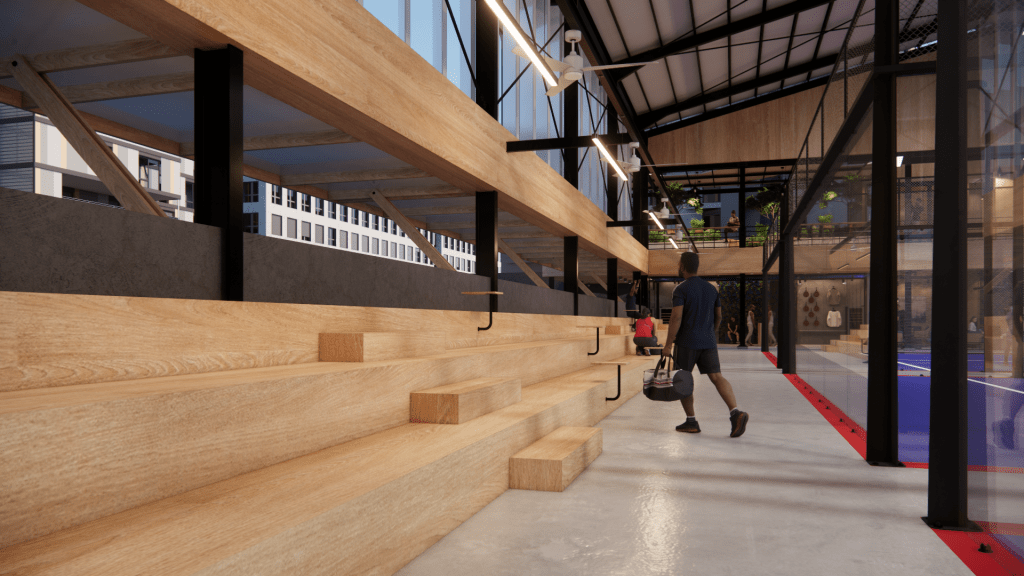
Raw concrete and polished cement floors hold the weight of movement, both industrial and honest.
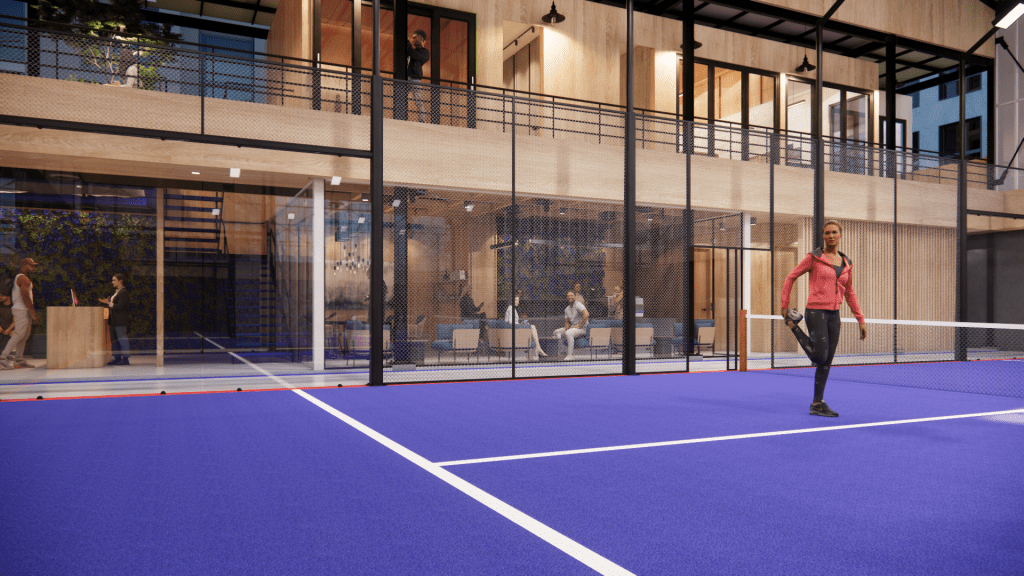
Vertical wooden slats partition space with rhythm and warmth—seen in interior walls, ceiling details, and the façade.
Warm ambient lighting washes the dark-toned interiors in a soft glow, setting the mood from dusk till late.
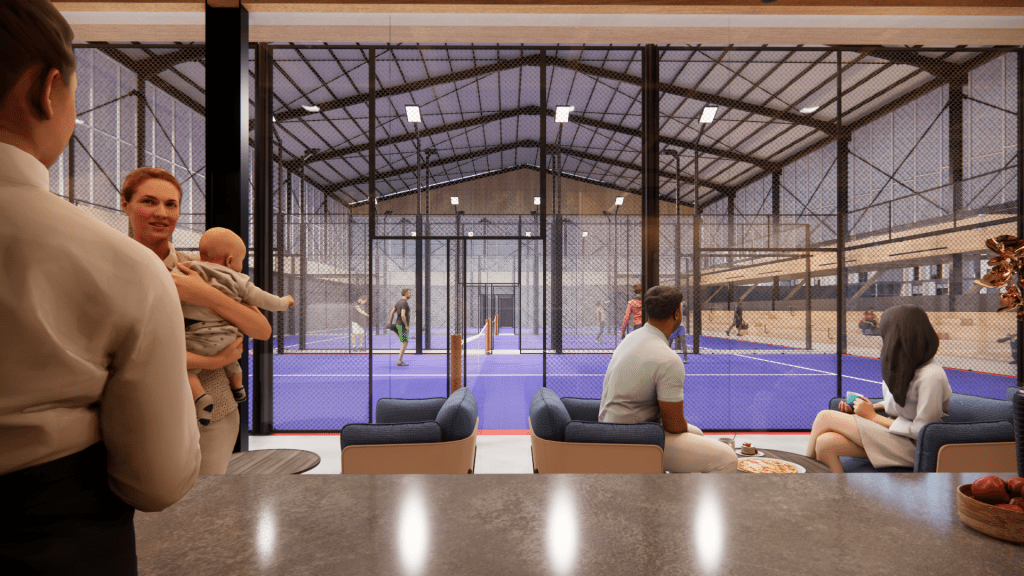
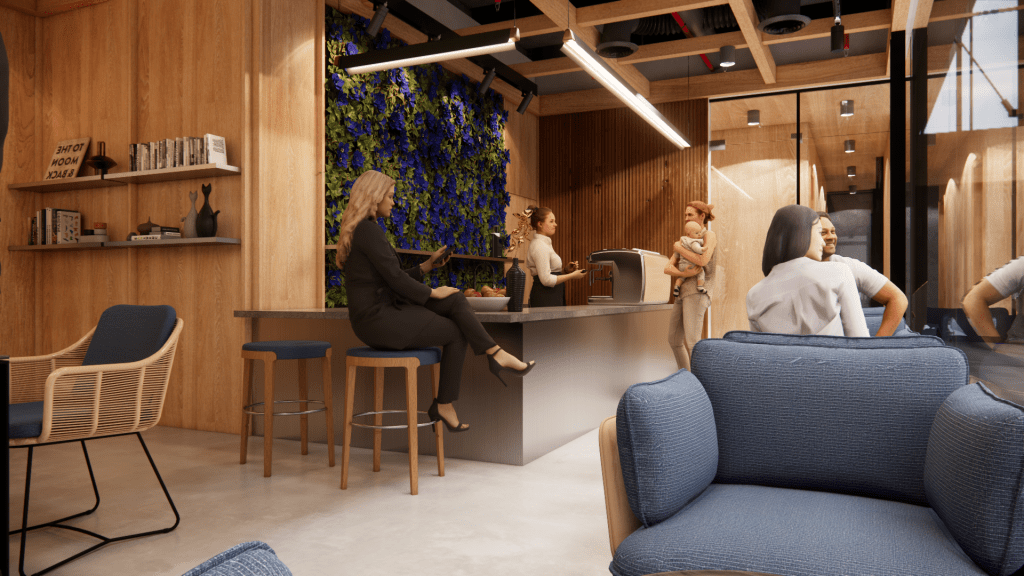
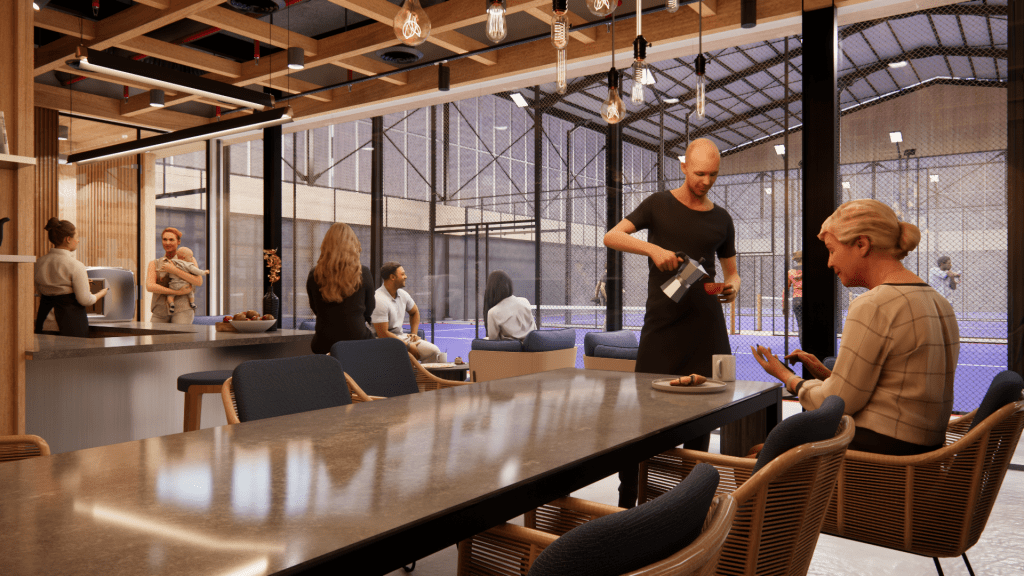
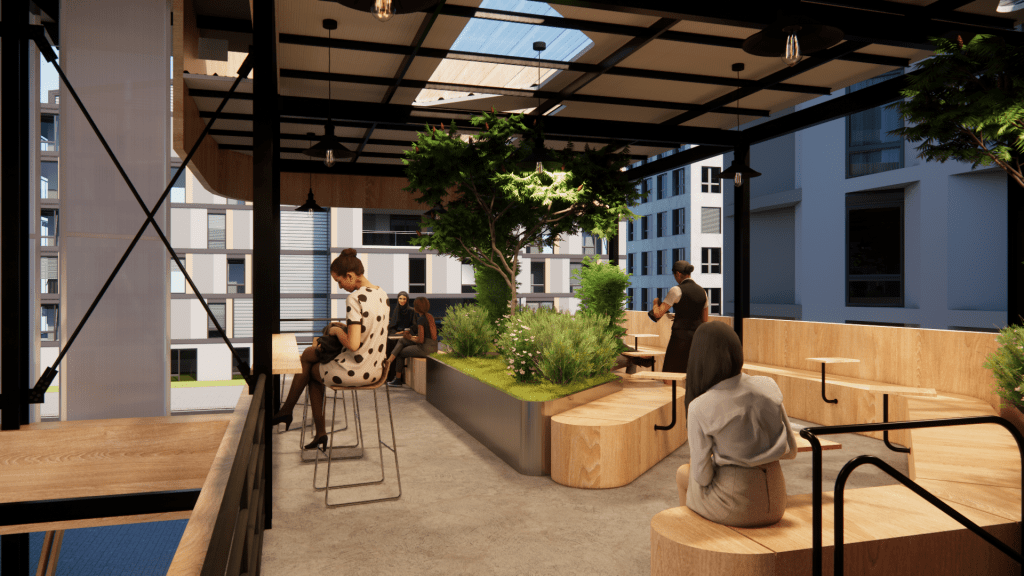
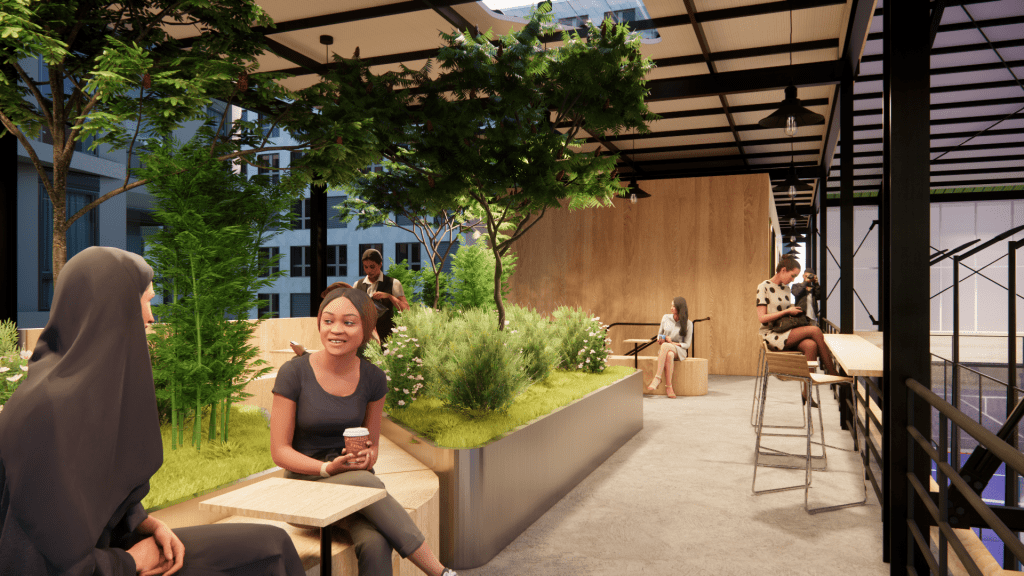
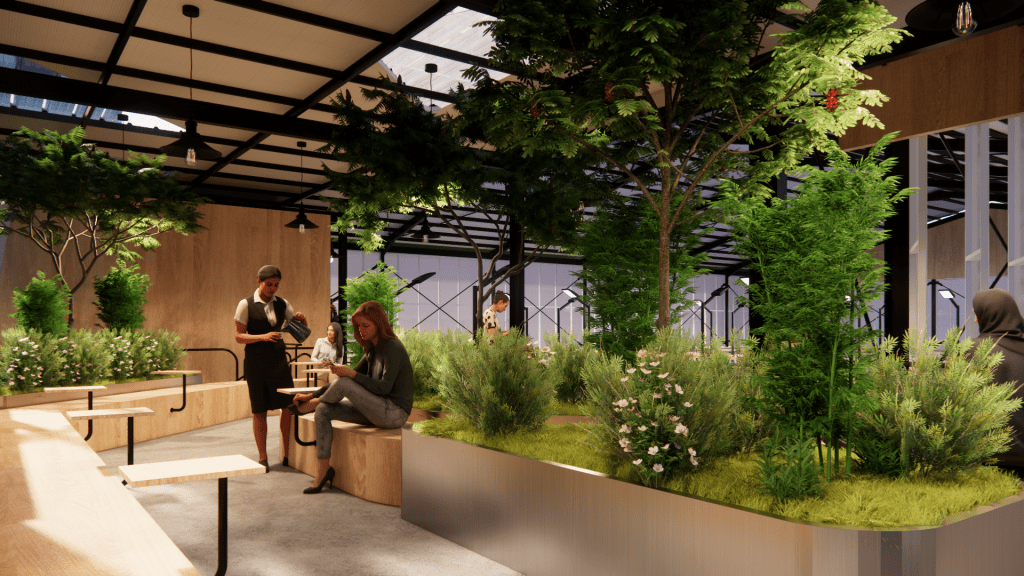
Large transparent glass openings blur the boundaries between café, mezzanine, and courts—inviting spectators into the energy of the match.
Street Culture Meets Ritual
Here, padel is more than a sport—it’s a ritual. The scent of wood and sweat, the glow of lighting on steel, the silhouette of movement against concrete—every match becomes part of the story. From the court-side seating to the post-game café hangout, every touchpoint is curated to honor the game and the people who play it.
At The Padel Side, you don’t just play. You arrive. You declare. You belong.
So the only question left is: Which side are you on?
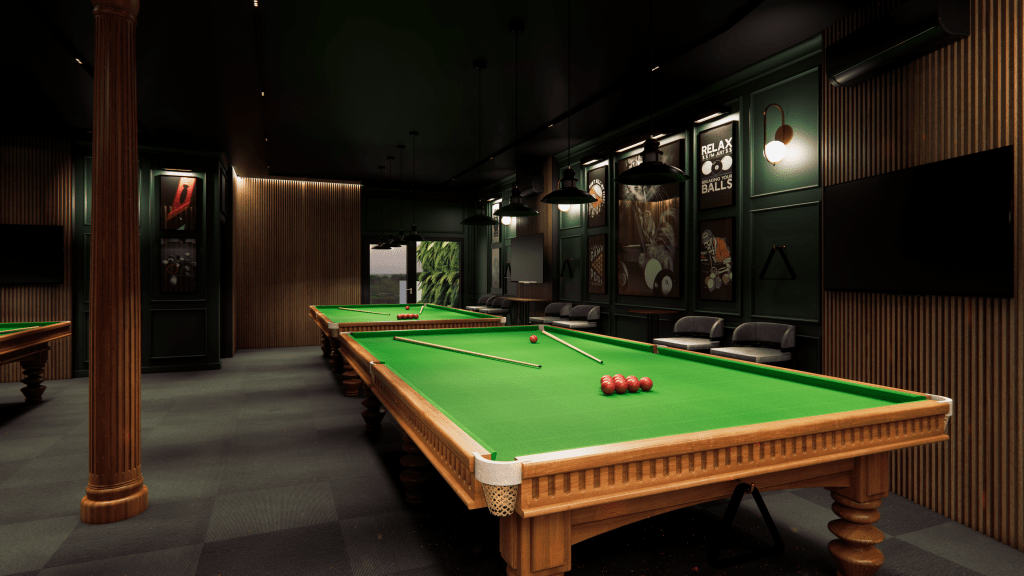
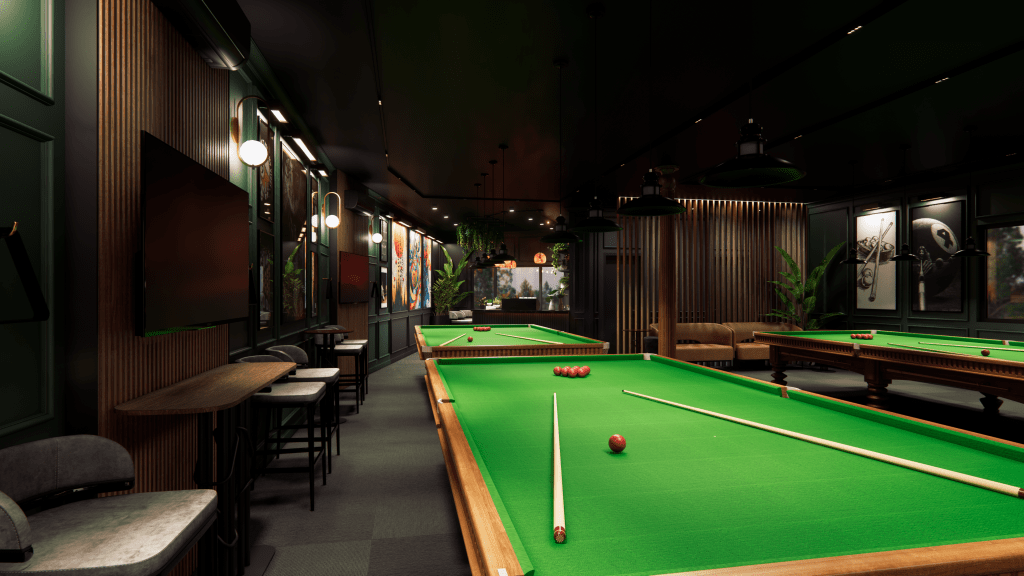
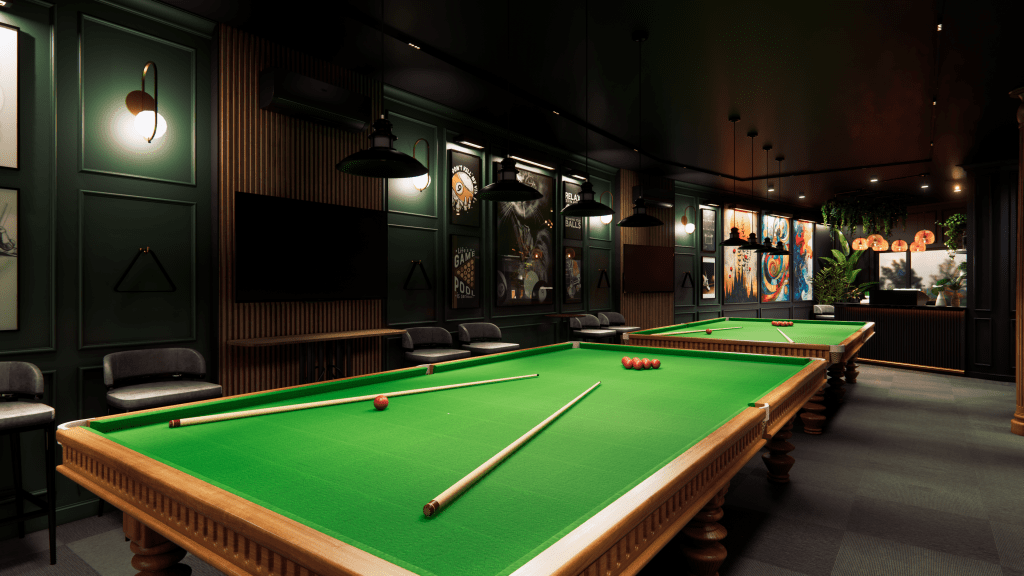
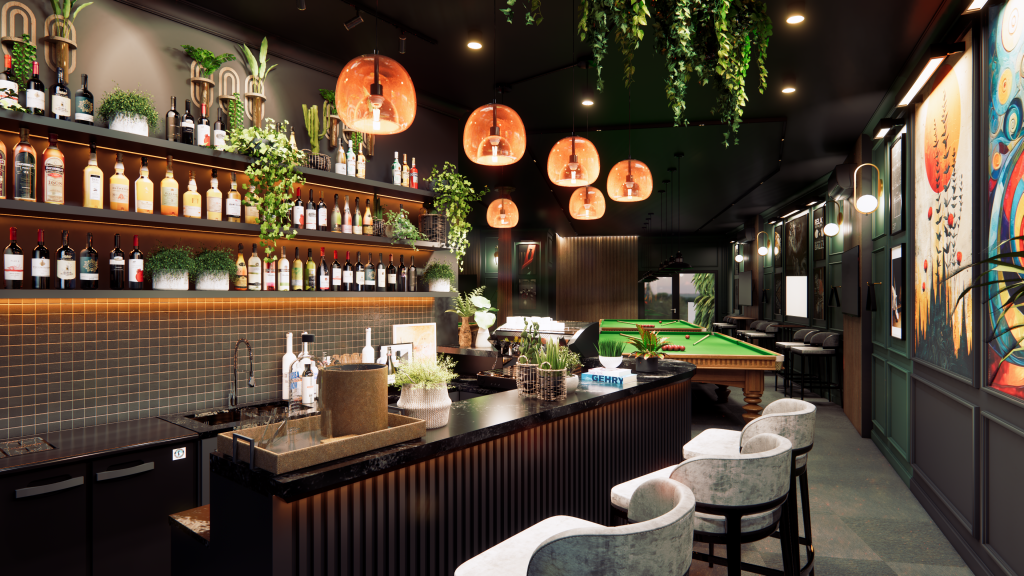
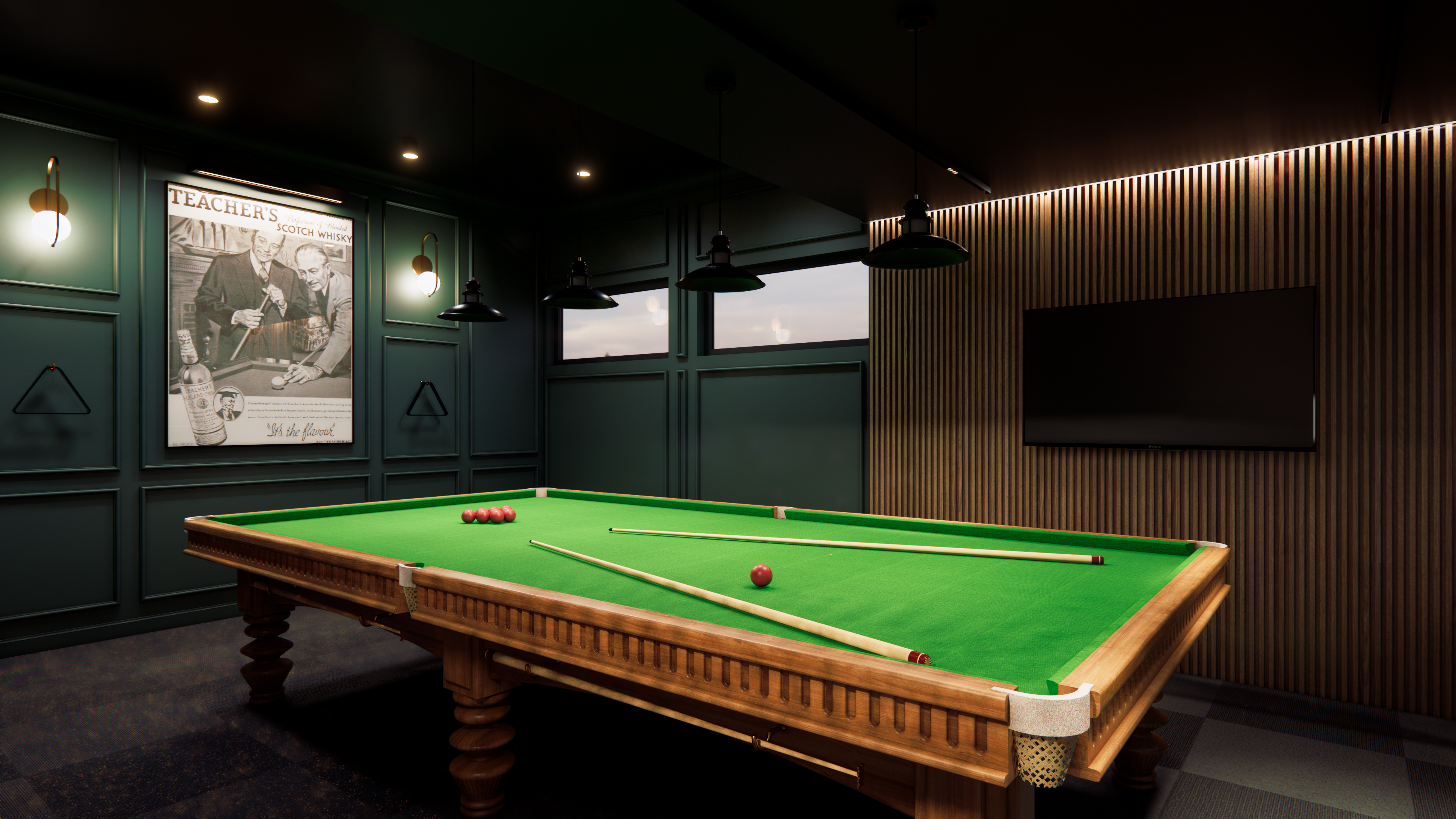
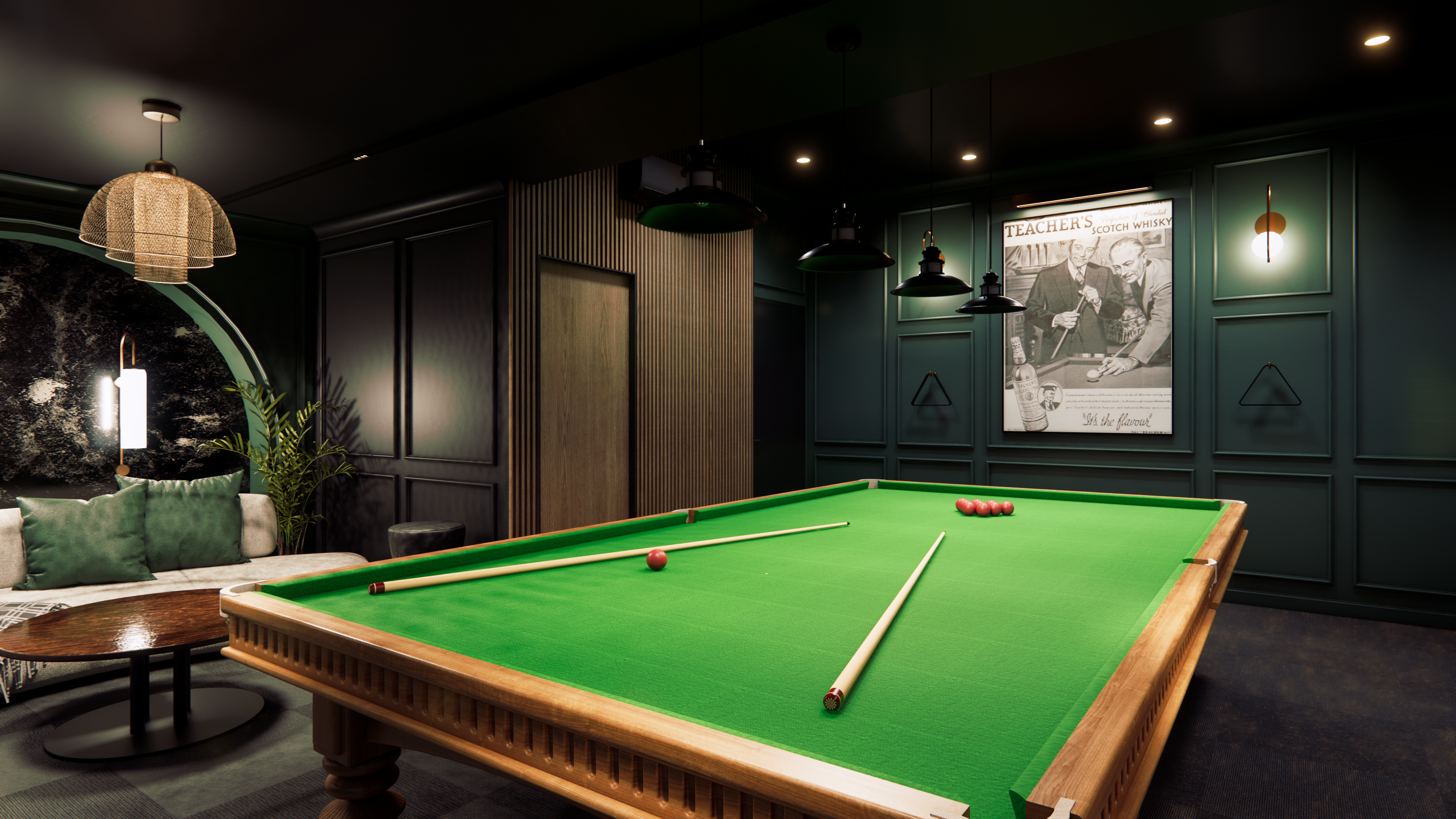
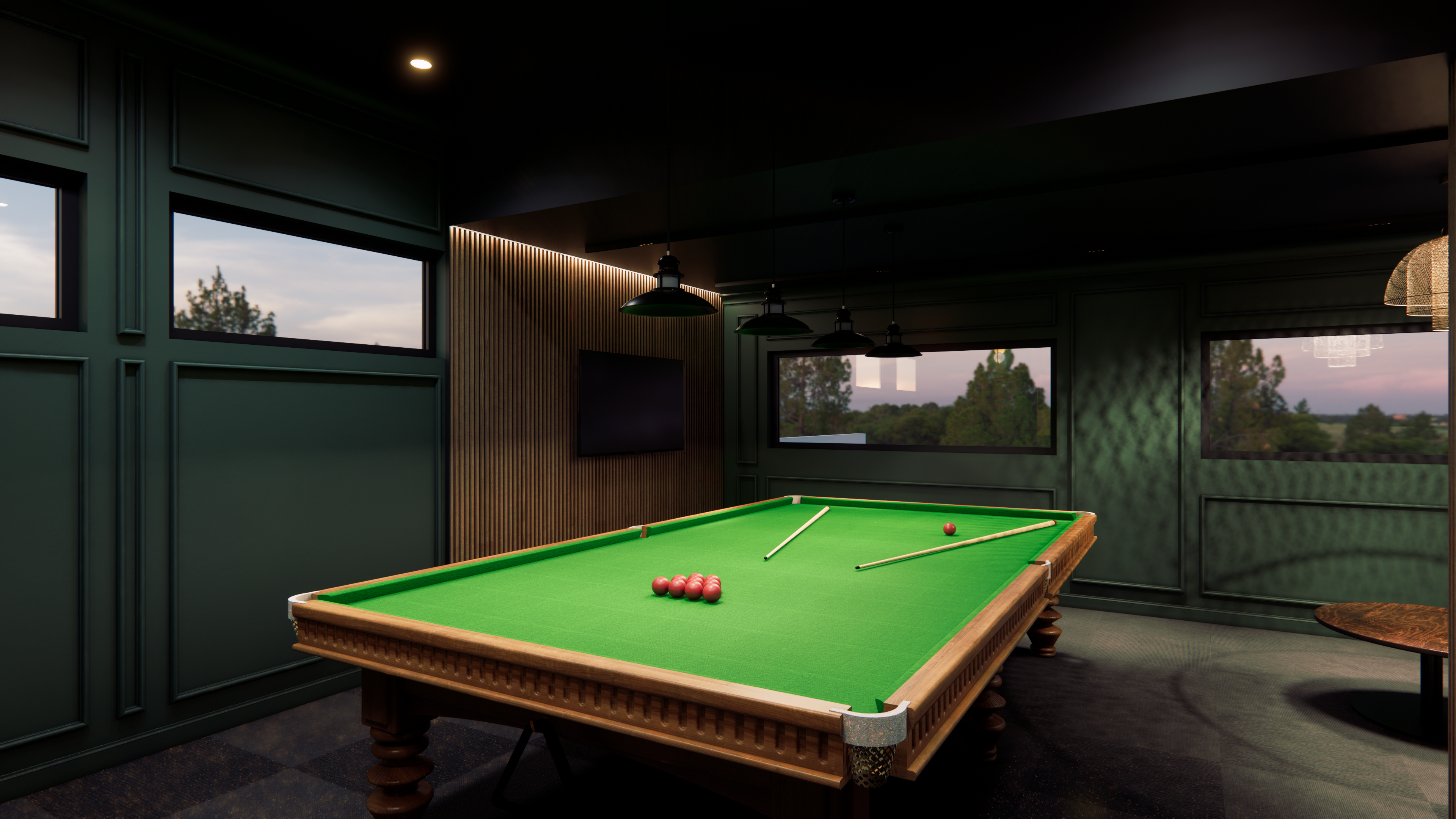
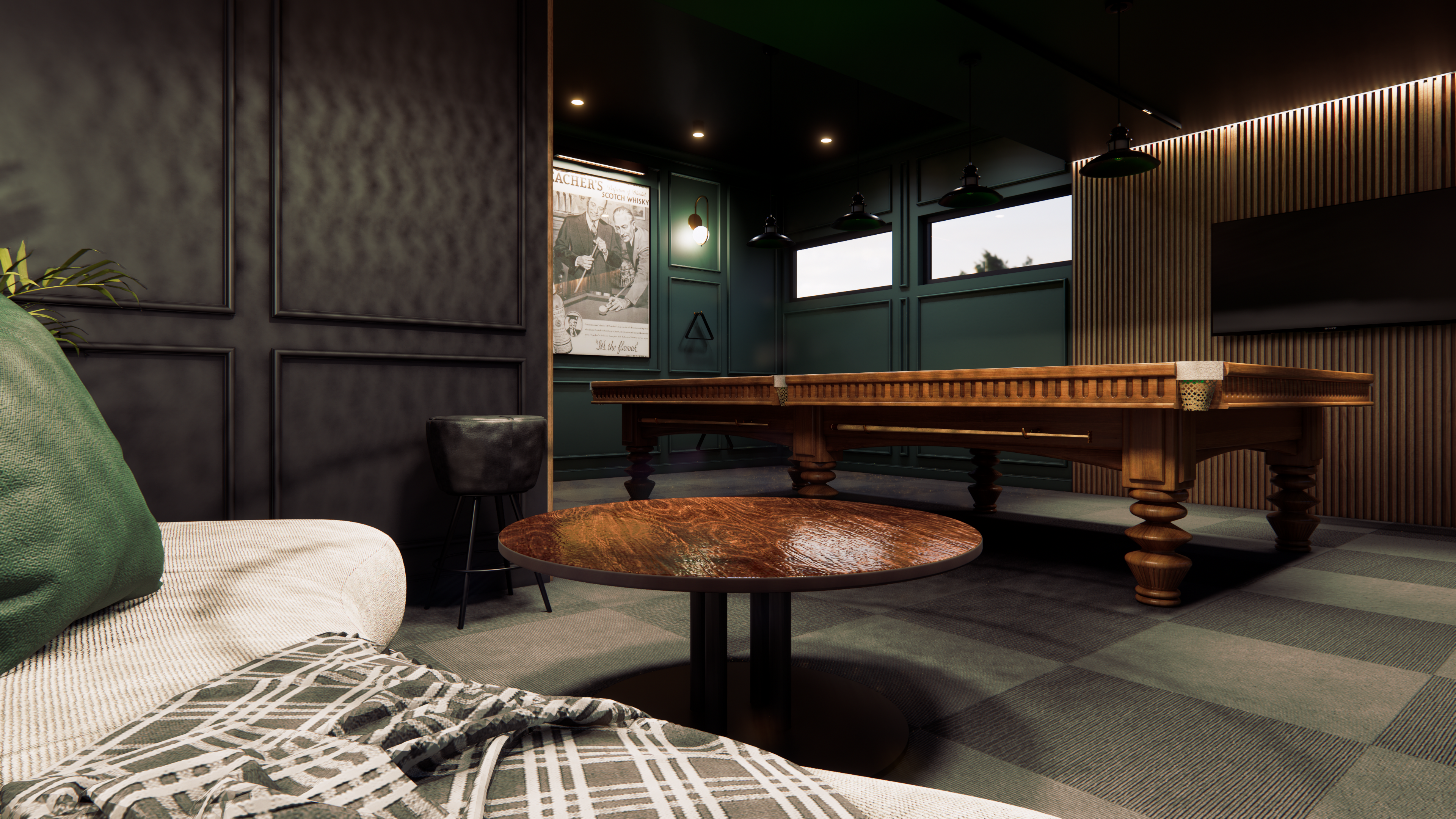
Tucked away in the ever-evolving creative landscape of Canggu, Bali, this pool hall reimagines leisure through the lens of refined darkness and layered ambiance. Designed as a destination where play meets atmosphere, the space draws inspiration from the raw, expressive mood of underground clubs while embracing the island’s relaxed energy.
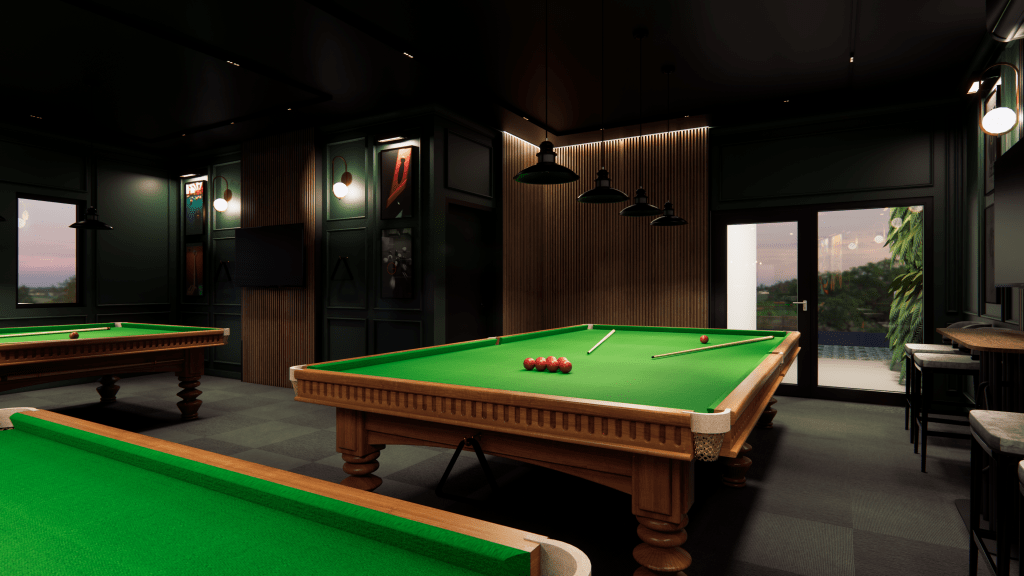
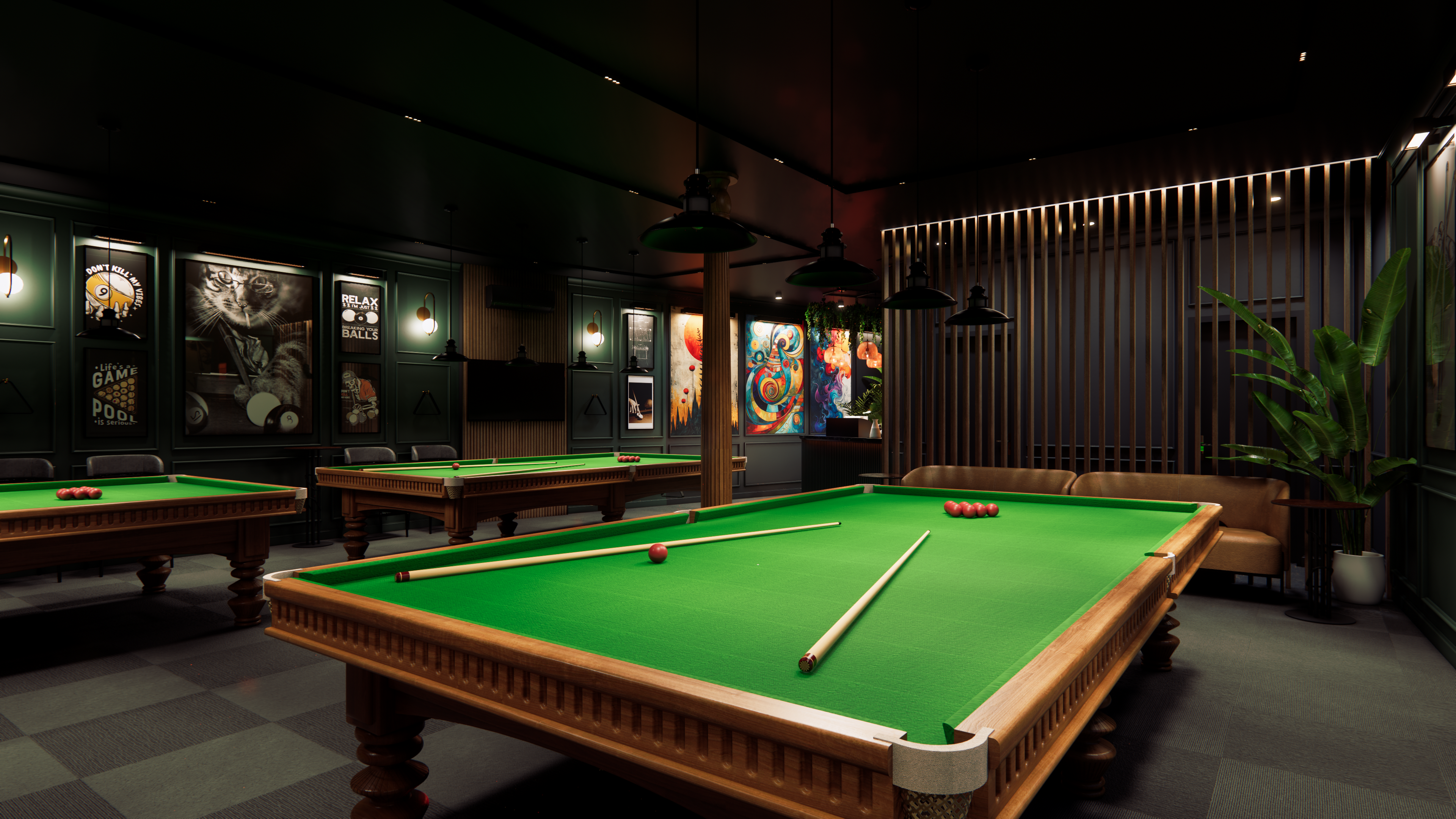
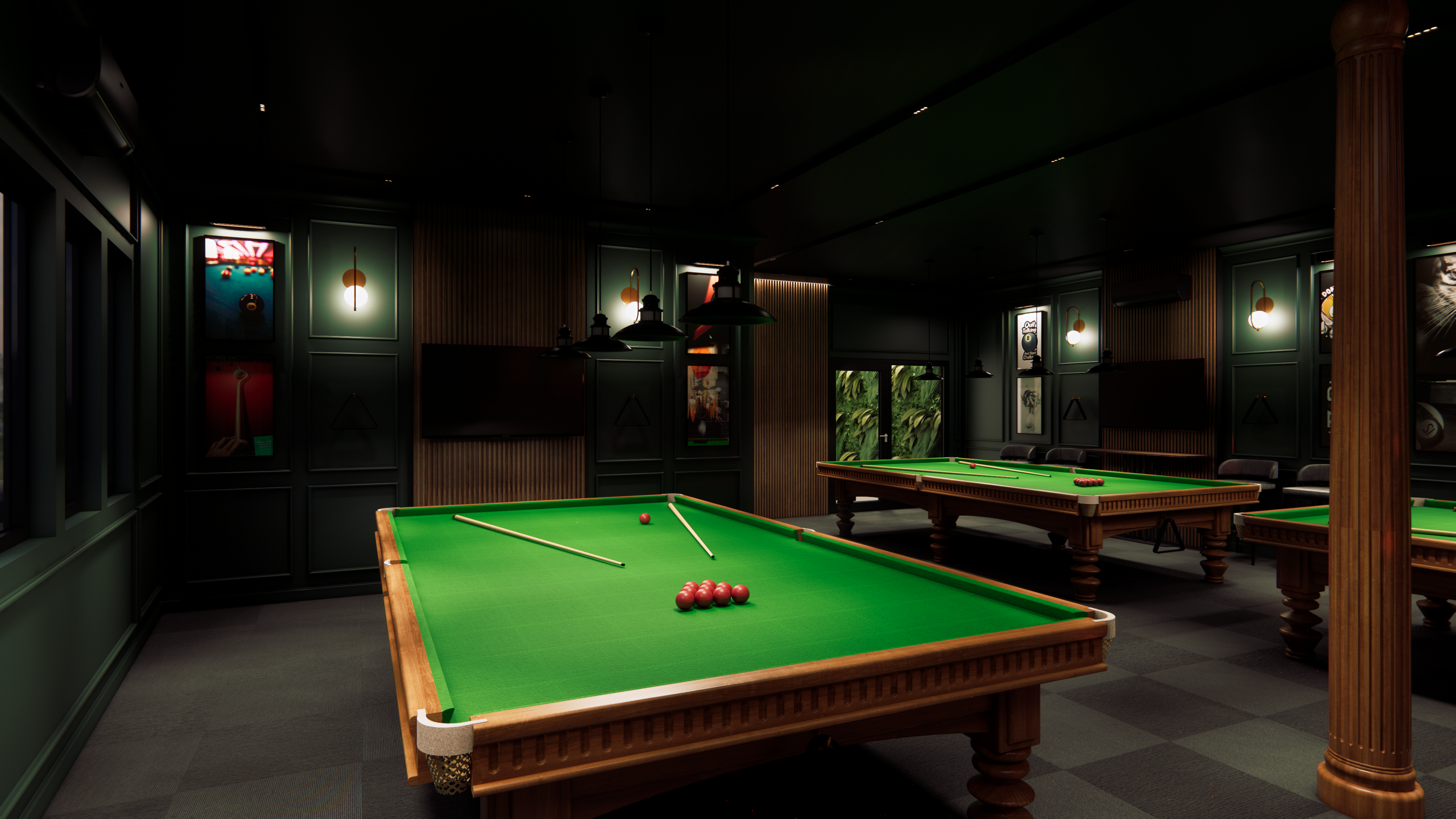
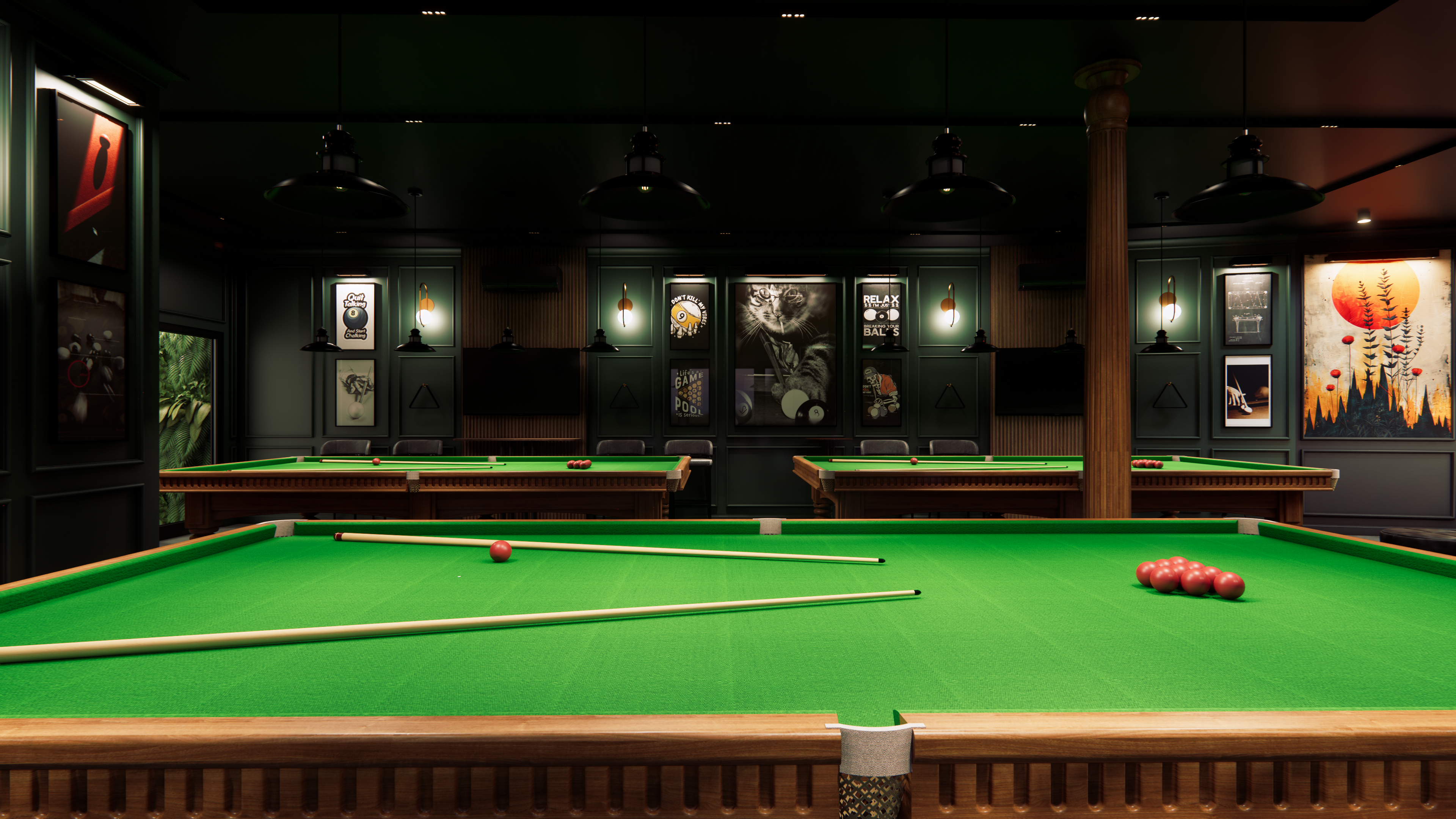
The overall design is rooted in a dark theme—a bold palette of deep charcoal, matte black, and dark-stained wood textures. These elements form a rich, immersive backdrop that amplifies focus, sophistication, and intimacy. To offset the depth of color, warm ambient lighting is artfully integrated throughout the space. Soft glows illuminate the edges of walls, pool tables, and seating areas, creating a cinematic mood without overwhelming the eye. Lighting becomes more than function—it becomes atmosphere.
The layout is carefully zoned to balance activity and relaxation. A series of professional-grade pool tables sit at the center of the space, each framed by subtle lighting that isolates and celebrates the game. Around this core, different moods unfold.
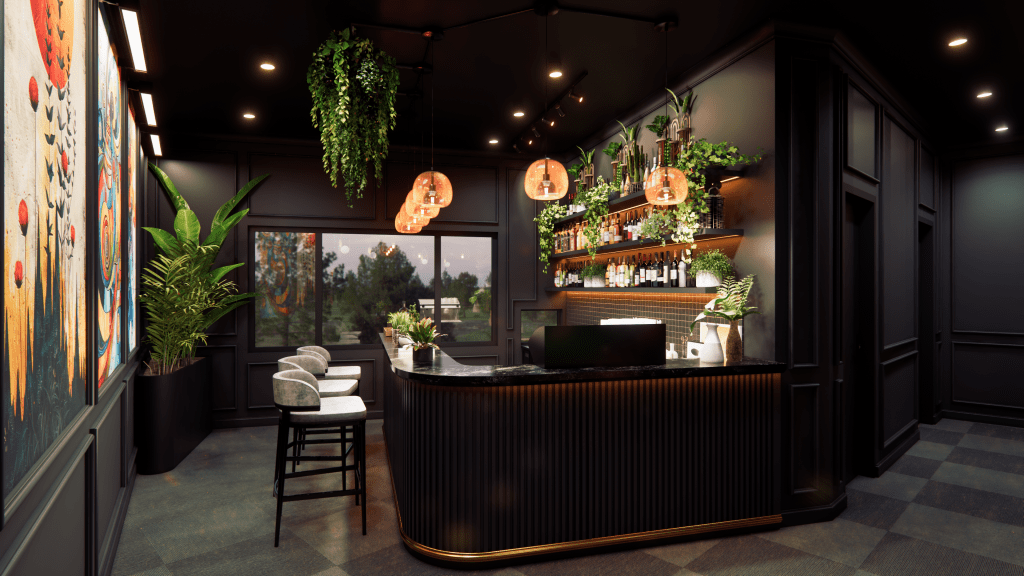
In one corner of the room, a bespoke bar anchors the layout. Designed with a low-profile stone counter and dark timber detailing, the bar is intentionally tucked into the edge of the space—giving it a more intimate, almost speakeasy-like quality. It doesn’t dominate the room; it invites discovery. Here, guests can enjoy crafted cocktails, local spirits, and casual conversation, either perched at the bar or spilling out into nearby standing areas.
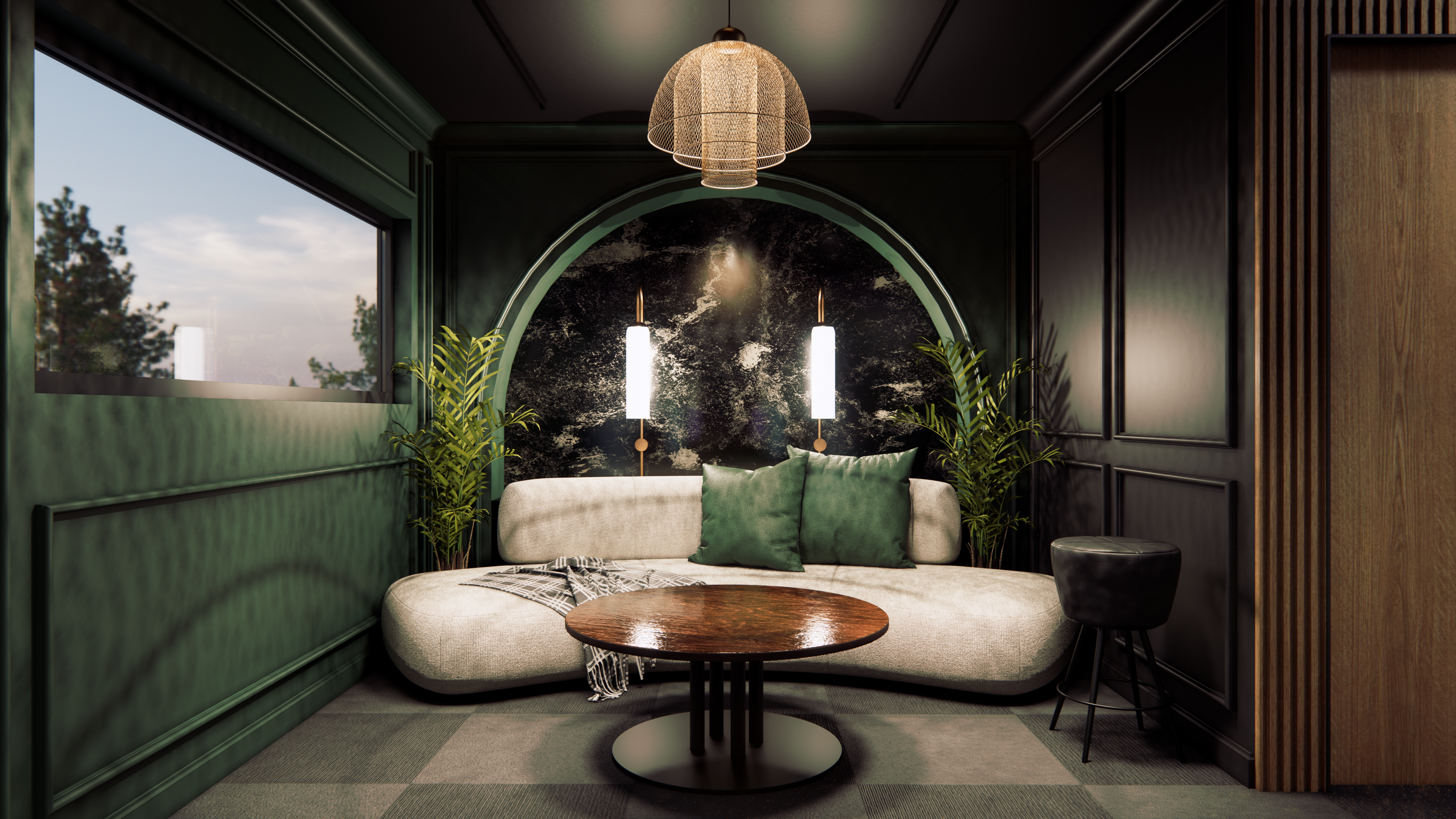
A lounge zone adds softness and comfort, with plush modular seating, low tables, and gentle ambient music setting the tone. This area allows guests to pause, unwind, and socialize between games. Materiality shifts slightly here introducing velvets, leather, and earthy textures to offer a visual and tactile contrast to the sleek surfaces elsewhere.
Discreetly set behind a semi-concealed entrance lies the private room a VIP space designed for small groups, intimate gatherings, or exclusive events. The room features its own pool table, customizable lighting, and enveloping acoustics, allowing guests to curate their own atmosphere, apart from the buzz of the main hall.
This project is more than a pool hall it’s a sensory experience, where design, lighting, and layout come together to create a new kind of social space. With its balance of dark allure and warm hospitality, it captures the evolving spirit of Canggu: creative, moody, and unmistakably cool.
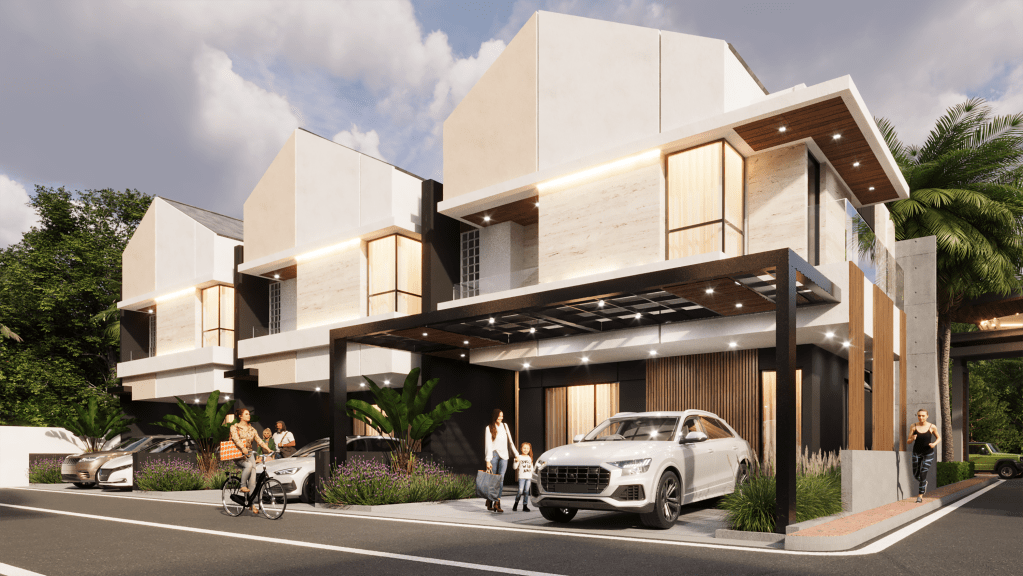
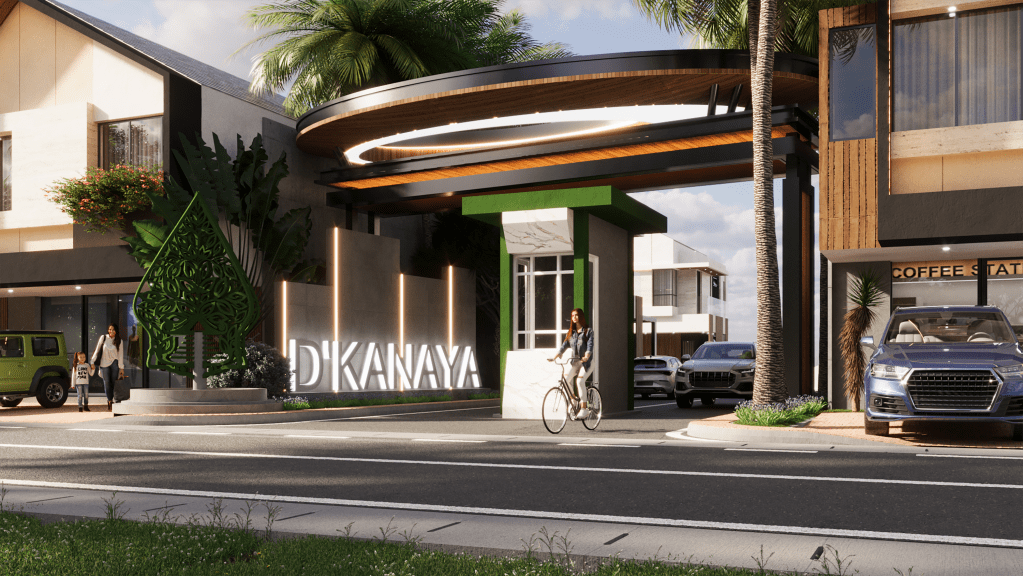
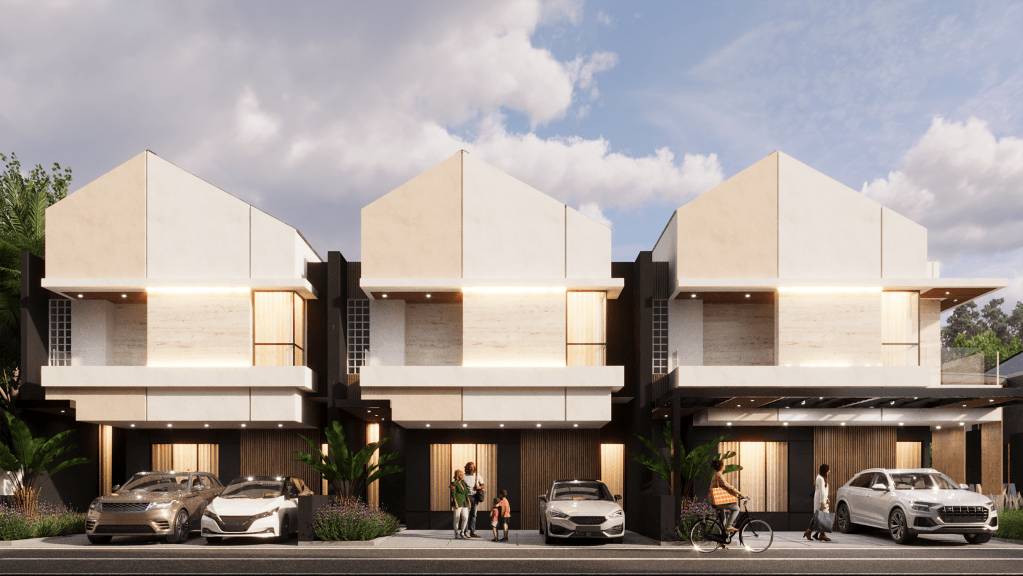
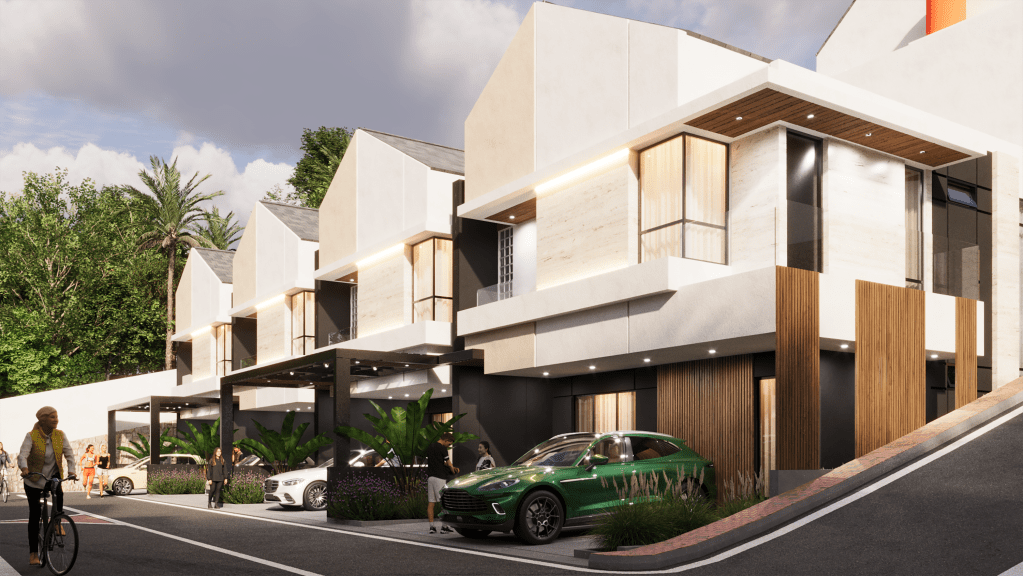
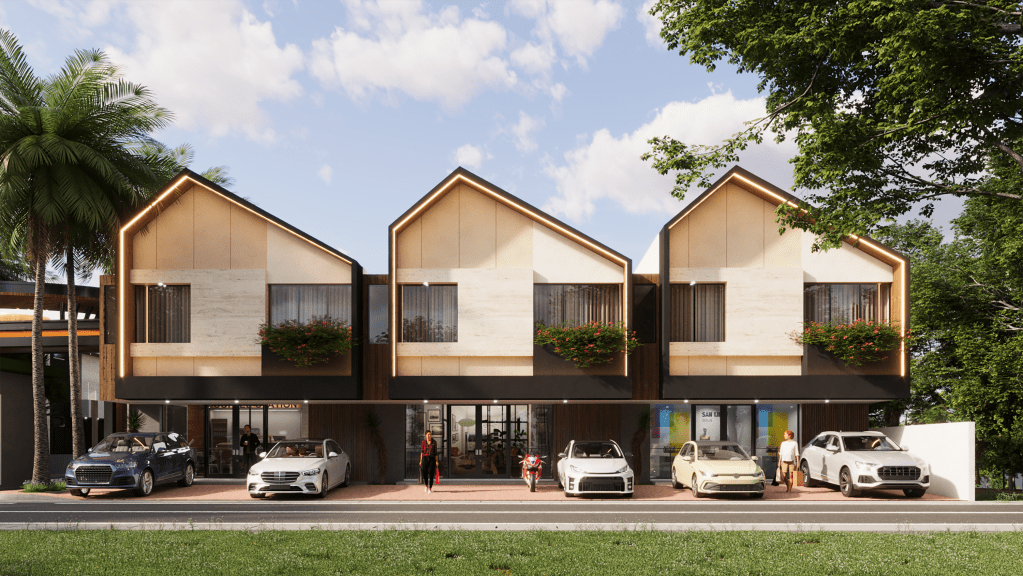
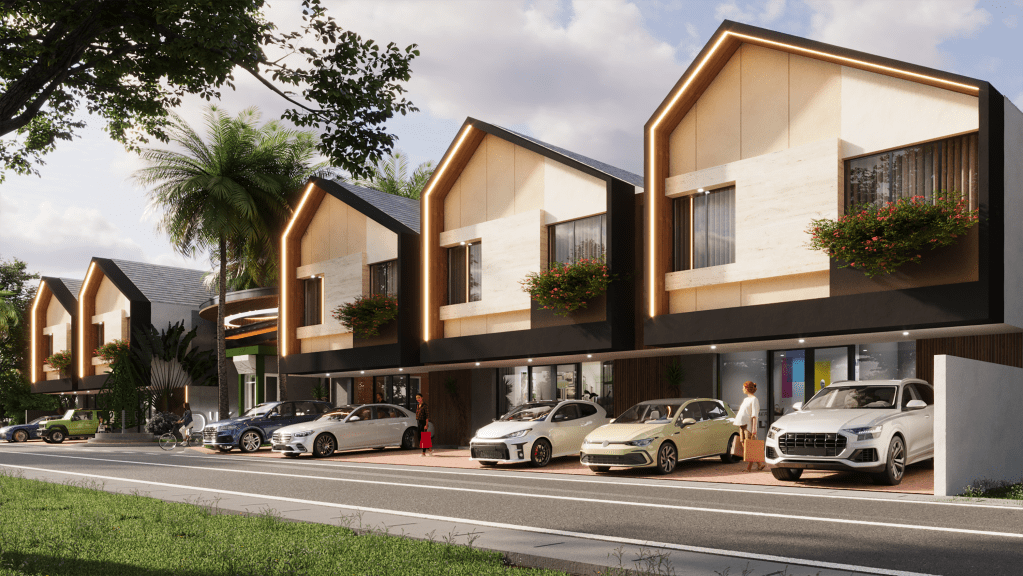
We’re excited to share a glimpse of one of our recent projects — a residential complex tucked away in the peaceful hillsides of Bantul, Yogyakarta. This one’s special.
The site itself already had a story to tell — gentle slopes, lush greenery, and that signature Bantul calm that makes you want to take a deep breath and slow down. From the start, we knew we wanted the design to work with the landscape, not against it.
The project is divided into two main clusters: a mixed-use building cluster and a housing cluster. Think of it like a small neighborhood that balances everyday living with light commercial or creative activity. Whether you’re running a small studio, a cozy café, or just working from home, there’s space for it here — without losing the serenity of hillside living.
The houses are laid out to follow the natural contours of the land, so each unit gets its own unique angle of sunlight and view — no cookie-cutter rows here. We also made sure there’s a strong indoor-outdoor flow, using natural materials and plenty of open areas that connect back to the surrounding landscape.
Our approach was simple: create a space where people can live comfortably, work creatively, and stay connected to nature.
Stay tuned for more updates as we continue developing the site. This one’s going to be a hidden gem in the hills of Yogyakarta.
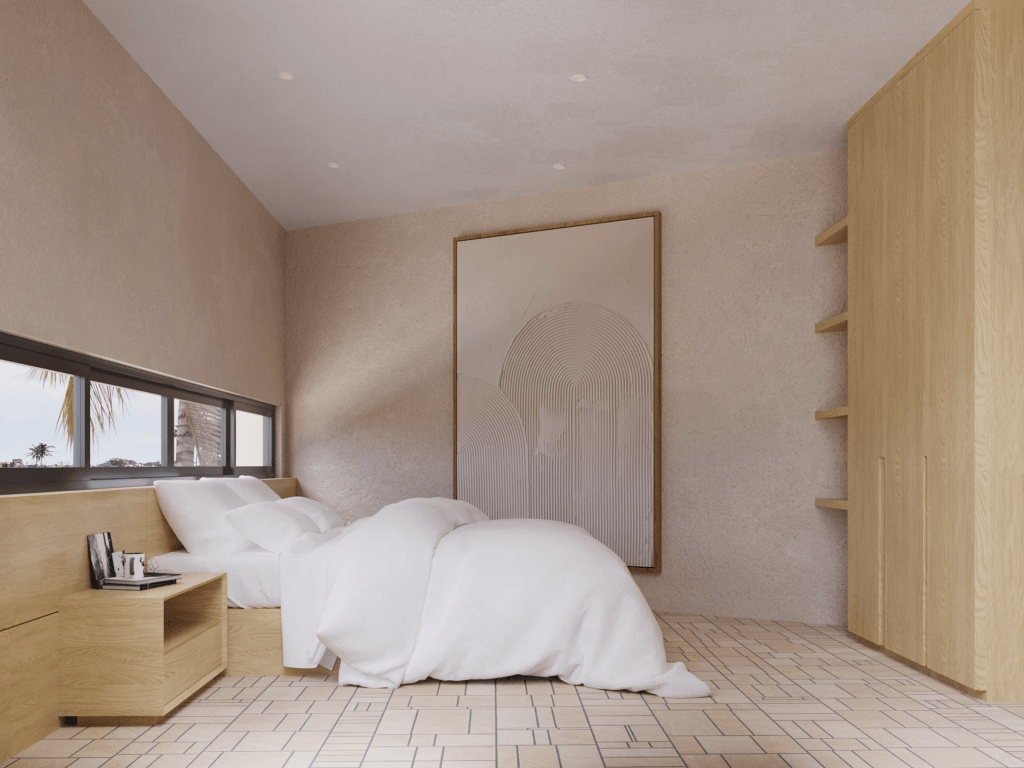
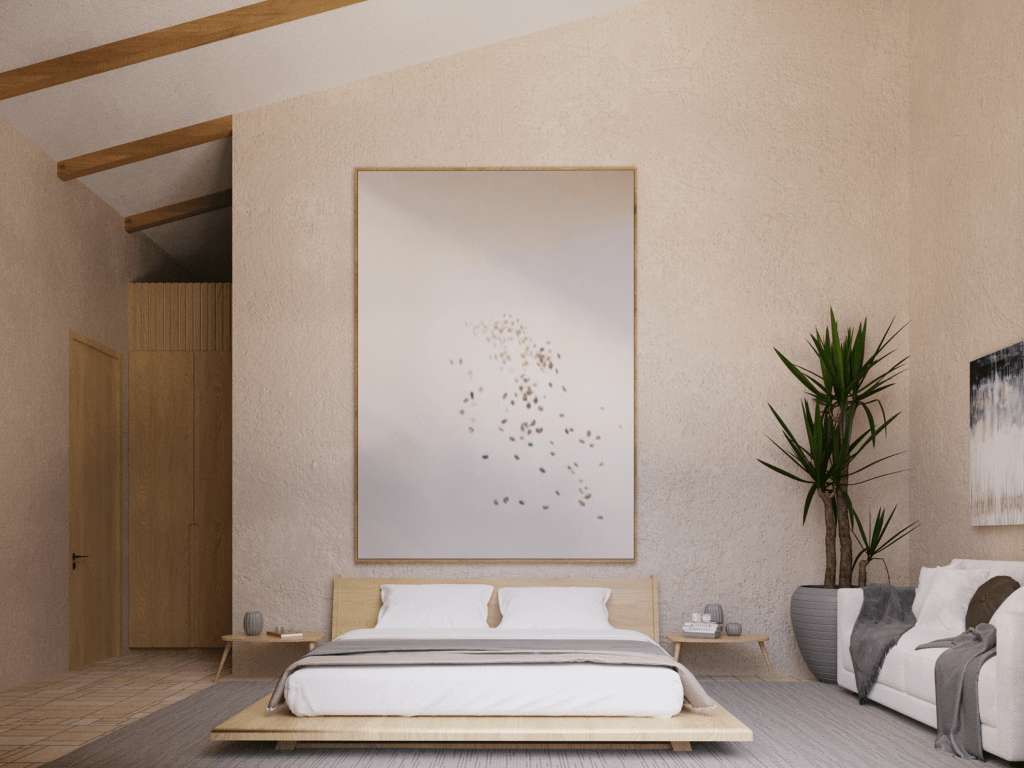
Architectural visualization has revolutionized the way real estate projects are marketed, allowing potential buyers to experience the ambiance and design of a space even before it is constructed. This blog post delves into the creation of an architectural visualization project for a high-end apartment villa in Bali, designed to attract a discerning audience seeking tropical elegance, modern functionality, and cultural authenticity.
Project Overview
The goal of this project was to create a visually striking advertisement for an upscale villa-style apartment in Bali. Combining modern design elements with Balinese aesthetics, the visualization captures the serenity and sophistication of island living. Using advanced rendering techniques and thoughtful design, the project is tailored to immerse prospective buyers in a life of luxury and relaxation.
Visualization Highlights
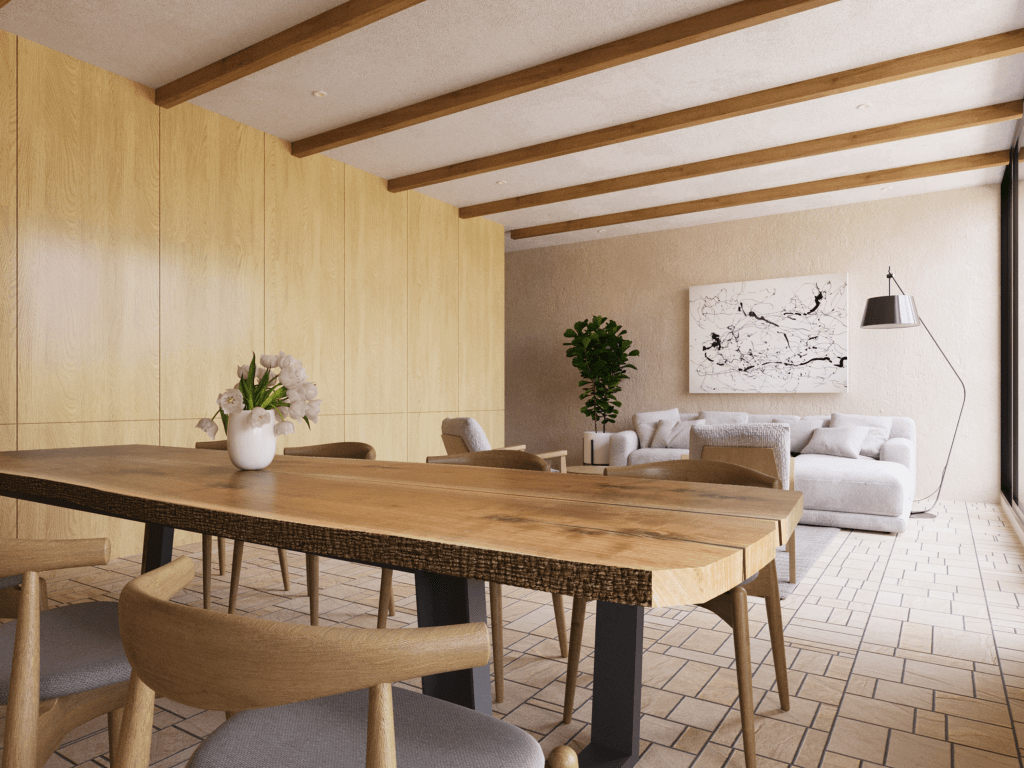
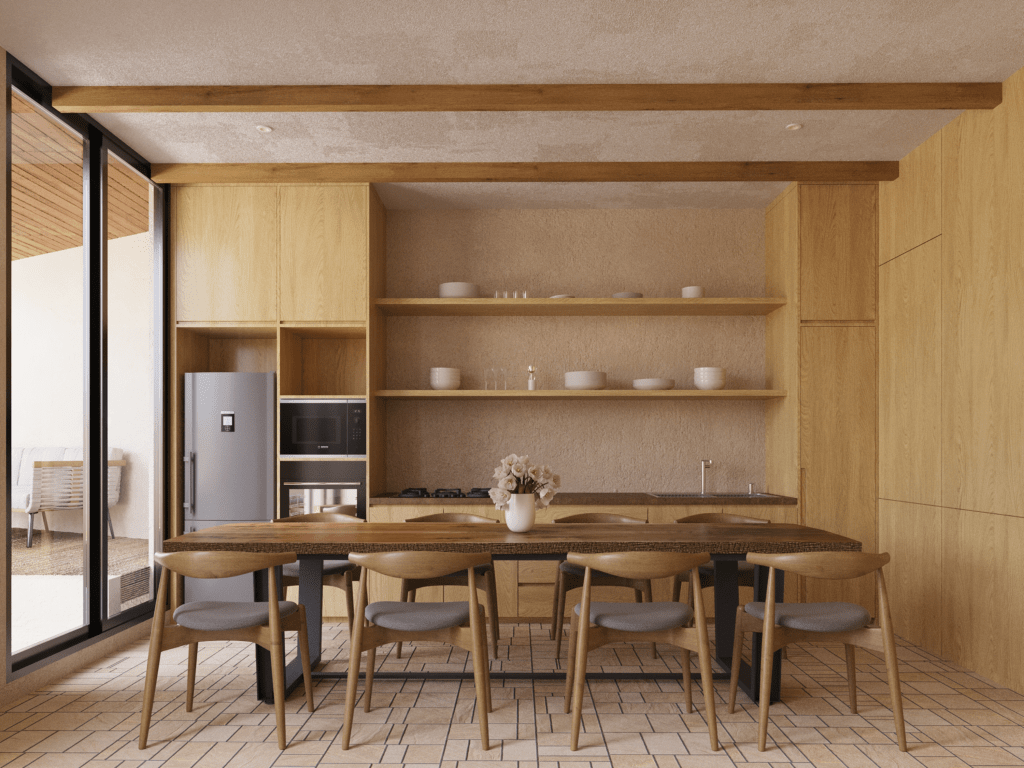
The visualization showcases the interior’s balance of natural light, neutral tones, and textural depth. Here are some key elements captured in the imagery:
1. Dining Area: A live-edge wooden dining table serves as the centerpiece, exuding a natural and organic vibe. Surrounded by ergonomic chairs, the setup is ideal for family meals or entertaining guests.
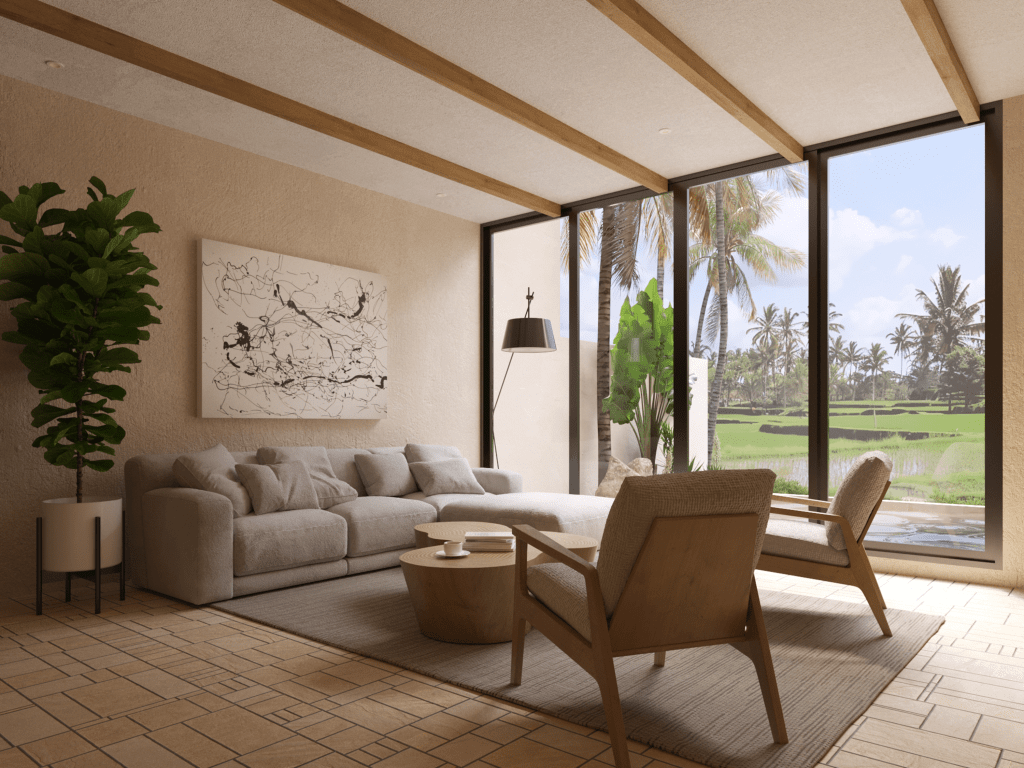
2. Living Space: The cozy living area is designed with plush white sofas, accentuated by indoor greenery. A contemporary floor lamp and abstract wall art bring modernity to the traditionally inspired room.
3. Material Palette: The walls feature a soft beige plaster finish, complemented by exposed wooden beams that add rustic charm. This pairing reflects a perfect harmony between modern design and traditional Balinese architecture.
Architectural visualization is more than just creating beautiful images—it’s about crafting a narrative that resonates with the target audience. For this apartment villa in Bali, the combination of natural design elements, modern luxury, and immersive marketing visuals ensures the project stands out in a saturated market.
Whether you’re a developer, designer, or prospective buyer, this project underscores the importance of blending aesthetics with functionality to create dream homes that connect with the soul.
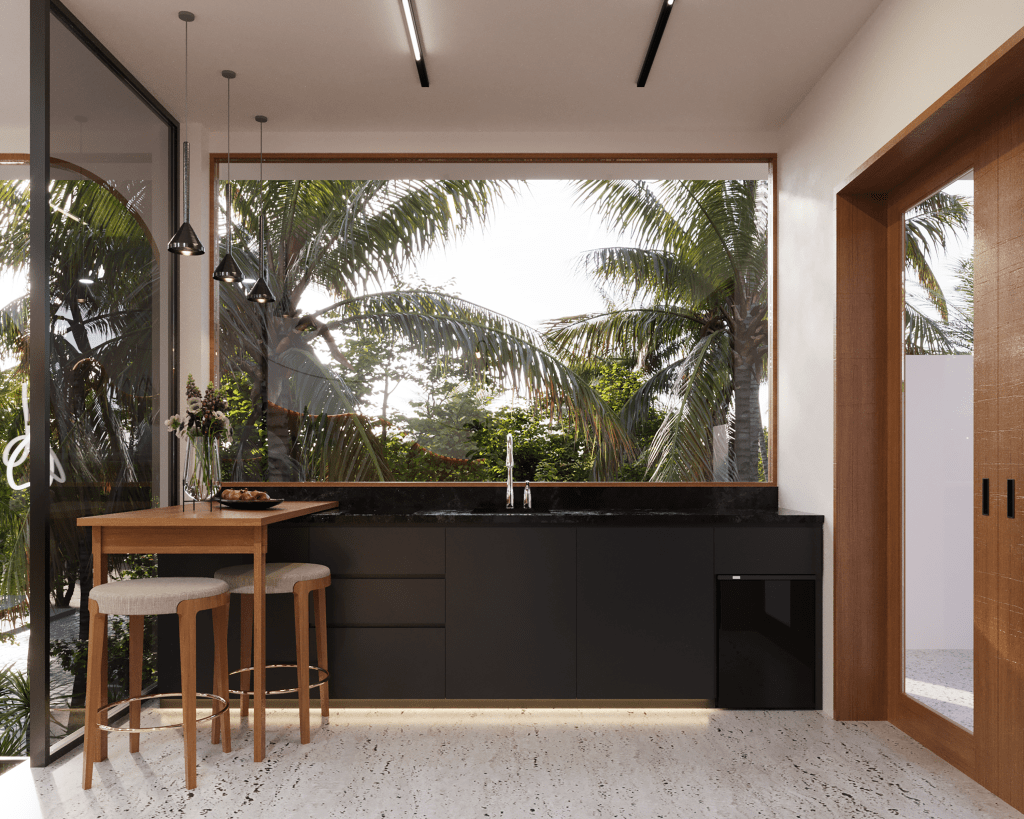
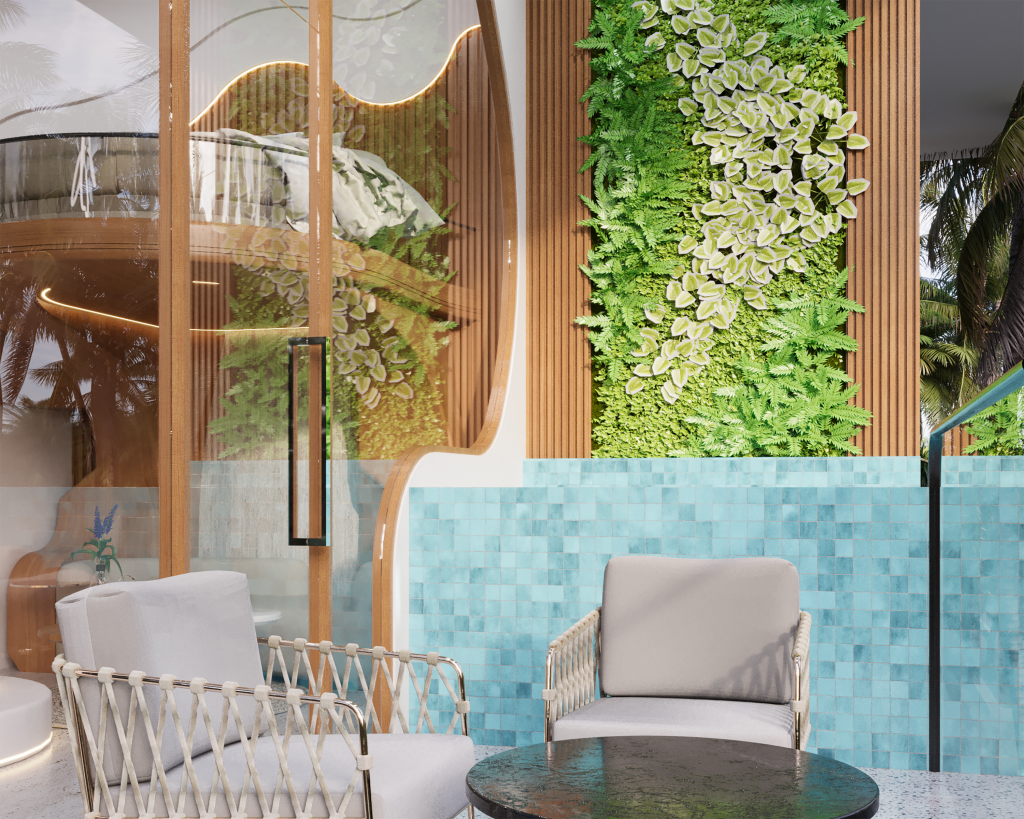
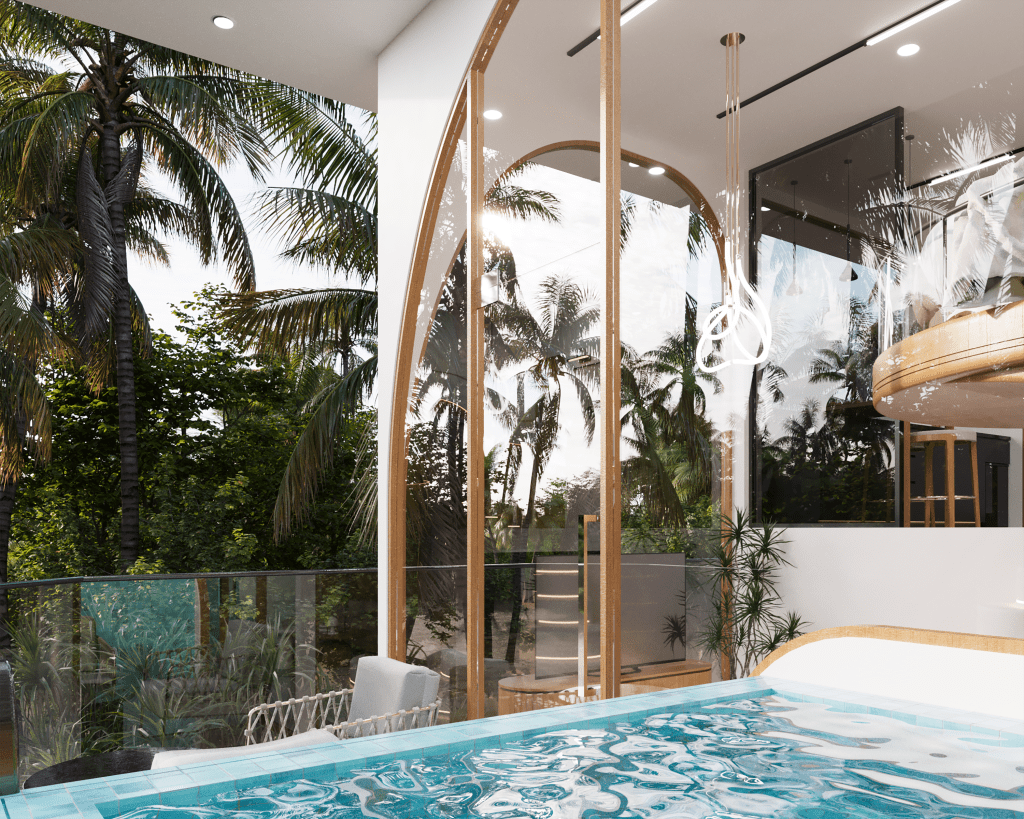
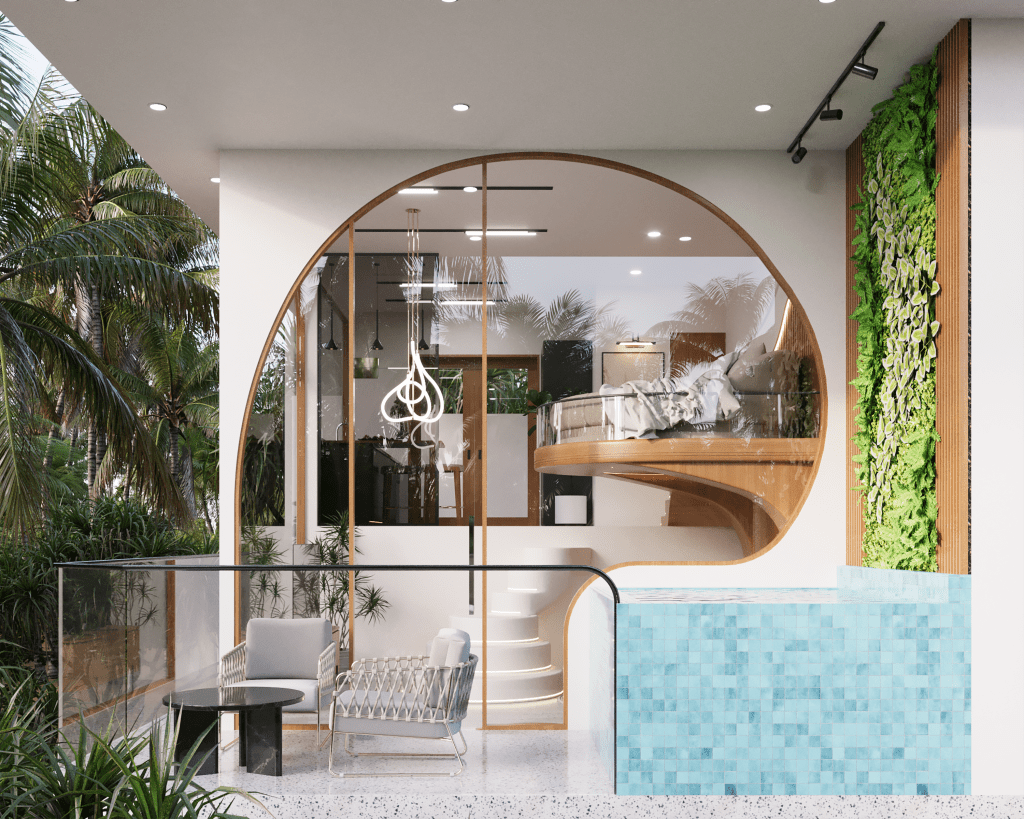
Nestled in the vibrant coastal enclave of Berawa Beach, Canggu, Bali, this apartment villa interior is a harmonious blend of luxury, tropical charm, and modern sophistication. With its unique architectural elements and thoughtful design, the villa offers an unparalleled living experience that embodies the tranquil essence of Bali.
A Fusion of Nature and Modernity
Berawa Beach is known for its bohemian vibe and lush surroundings, and this villa pays homage to its environment by integrating organic materials and earthy tones into its design. The interior balances natural elements like wood and rattan with sleek modern lines, creating a cozy yet refined space that feels connected to the outdoors.
Key Features of the Interior Design
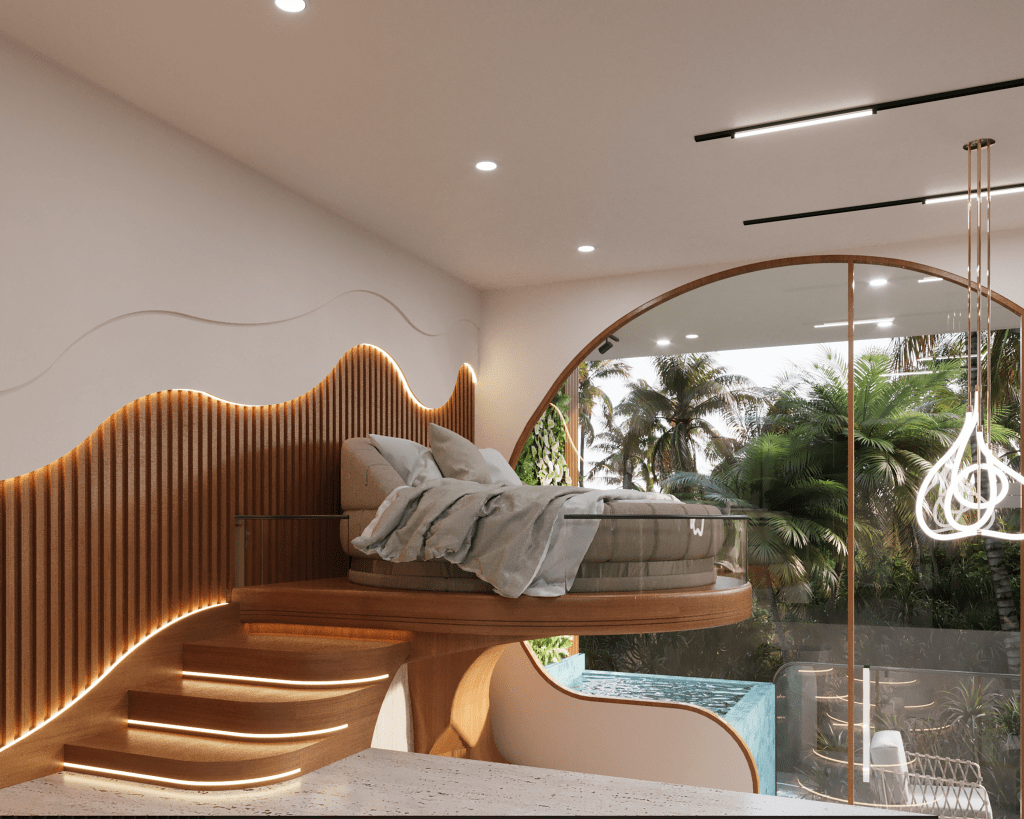
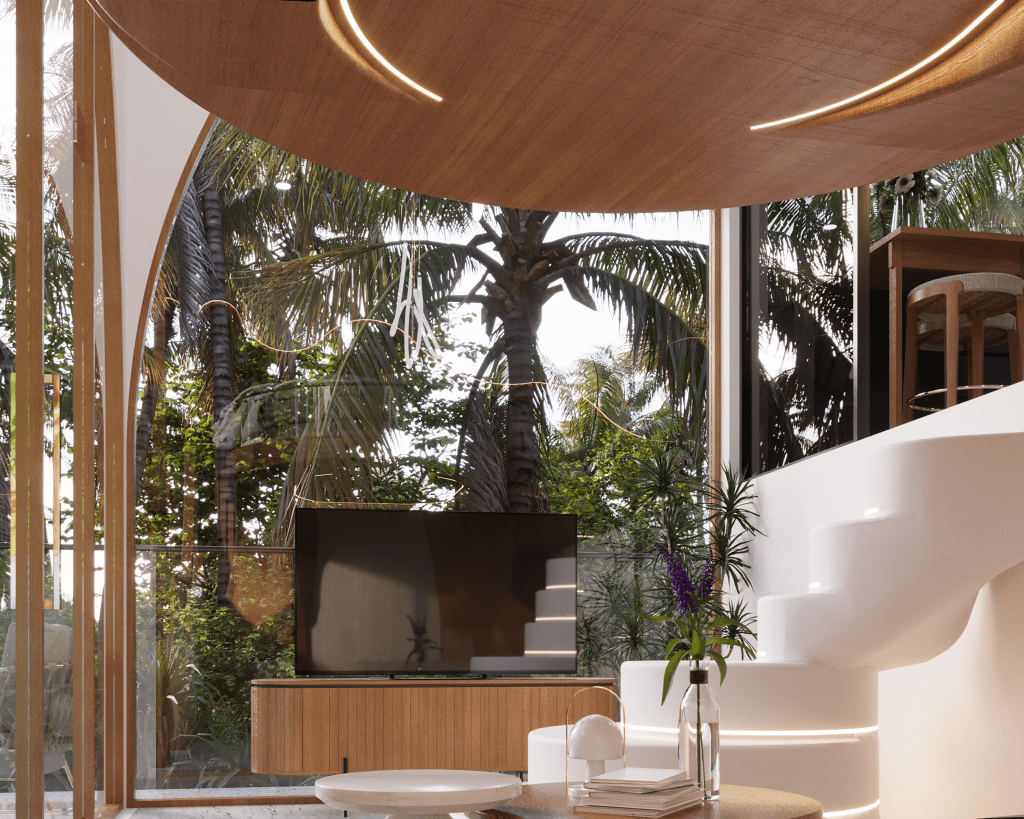
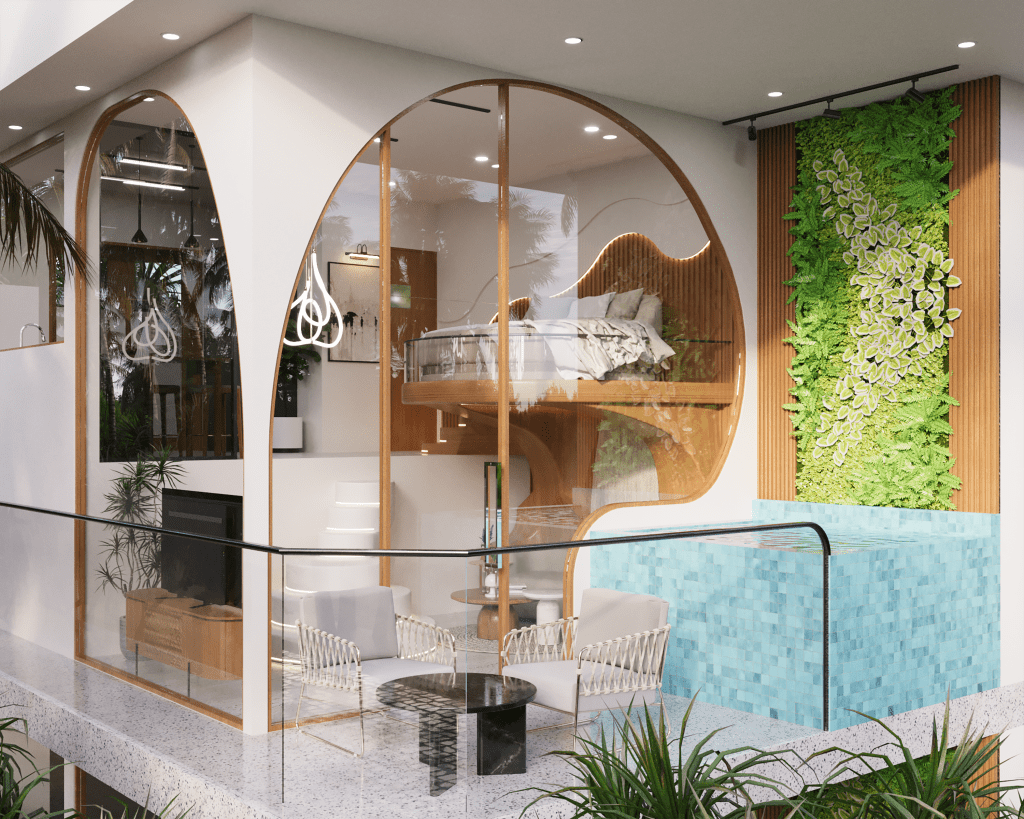
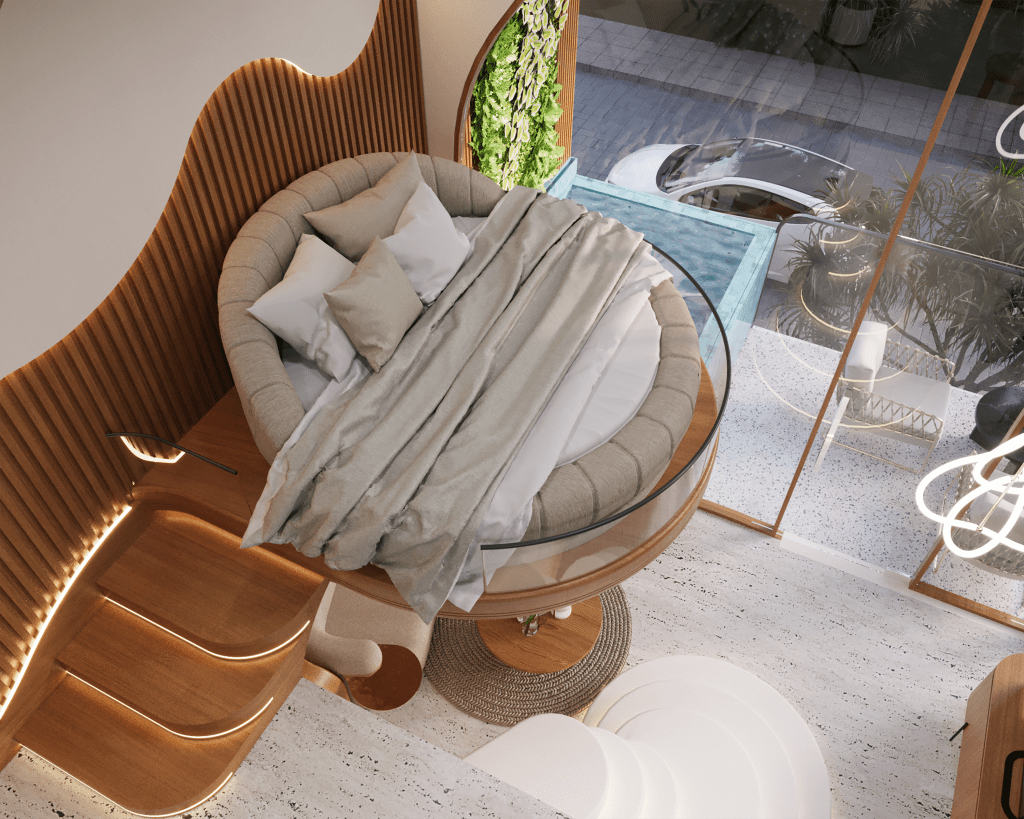
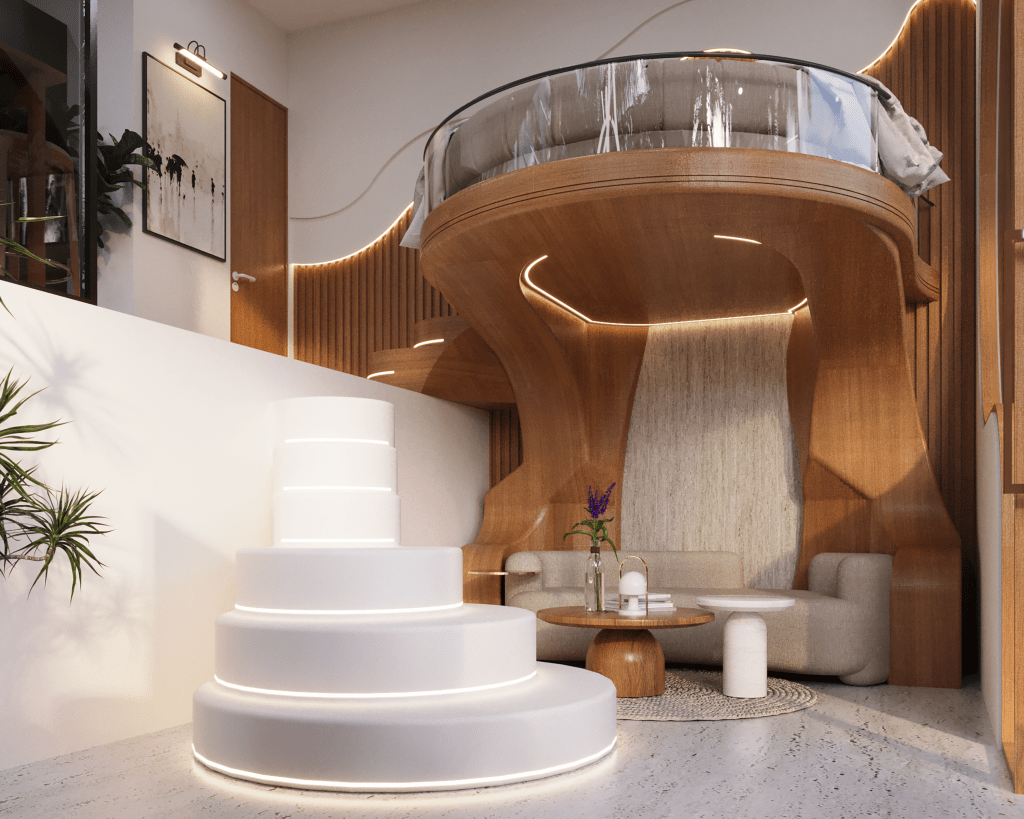
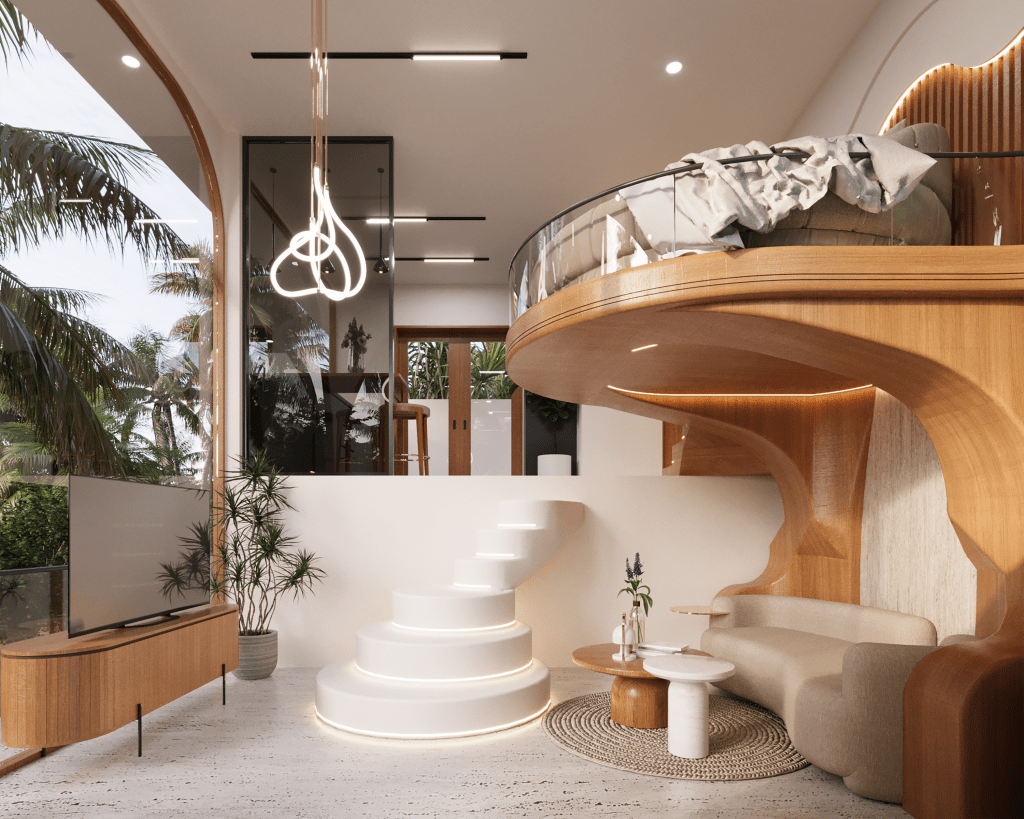
Curvilinear Design Elements One of the standout features is the use of flowing, curved structures. From the rounded staircase to the custom mezzanine area, these shapes soften the overall design and evoke the fluidity of waves—a perfect nod to the villa’s beachside location. The curves also create a sense of movement and energy while maintaining a welcoming ambiance.
Layered Spaces with Purpose The villa maximizes vertical space through a cleverly designed split-level layout. The lower area serves as the main living room, while the mezzanine houses a cozy loft-style bedroom. This tiered design not only adds depth but also ensures each area serves its distinct purpose without feeling cramped.
Natural Light and Views Large arched windows frame the lush tropical scenery, allowing natural light to flood the interior. This connection to the outdoors blurs the boundaries between inside and outside, creating an open, airy atmosphere perfect for relaxation. The windows also enhance the villa’s luxurious vibe, offering unobstructed views of Bali’s iconic palm trees.
Material Palette The interior design employs a warm palette of materials—light oak wood, polished concrete floors, and rattan accents. These materials are complemented by white walls and soft neutral tones in the furniture, creating a serene and inviting atmosphere. LED lighting details accentuate the curves and add a modern edge to the design.
Statement Lighting The villa features a sculptural chandelier in the living room, drawing the eye upward and adding an artistic focal point. Its contemporary design contrasts beautifully with the natural textures, highlighting the space’s modern elegance.
Tropical Minimalism While luxurious, the design embraces a minimalist approach. Furniture pieces are carefully curated for their functionality and aesthetics, ensuring the space remains uncluttered and tranquil. Indoor plants are strategically placed to enhance the tropical vibe without overwhelming the design.
Why Berawa Beach is the Perfect Setting
Located in the heart of Canggu, Berawa Beach is a hub for surfers, digital nomads, and travelers seeking the perfect mix of adventure and relaxation. This villa embodies the spirit of Berawa, combining modern comforts with Balinese charm. Its proximity to the beach and thriving local culture makes it an ideal retreat for those looking to experience the best of Bali.
Living the Dream in Berawa
This apartment villa is more than just a living space—it’s an immersive experience that reflects the beauty and serenity of Bali. Whether you’re enjoying a quiet morning on the mezzanine or hosting guests in the stylish living area, every element of the design has been crafted to elevate your stay.
With its thoughtful design, luxurious materials, and tropical setting, this villa redefines what it means to live in paradise.
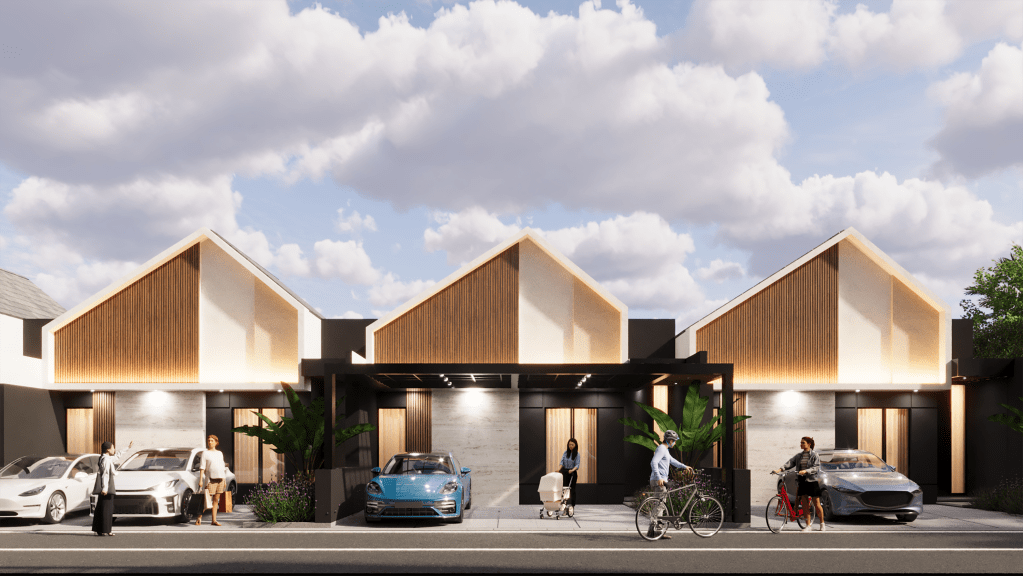
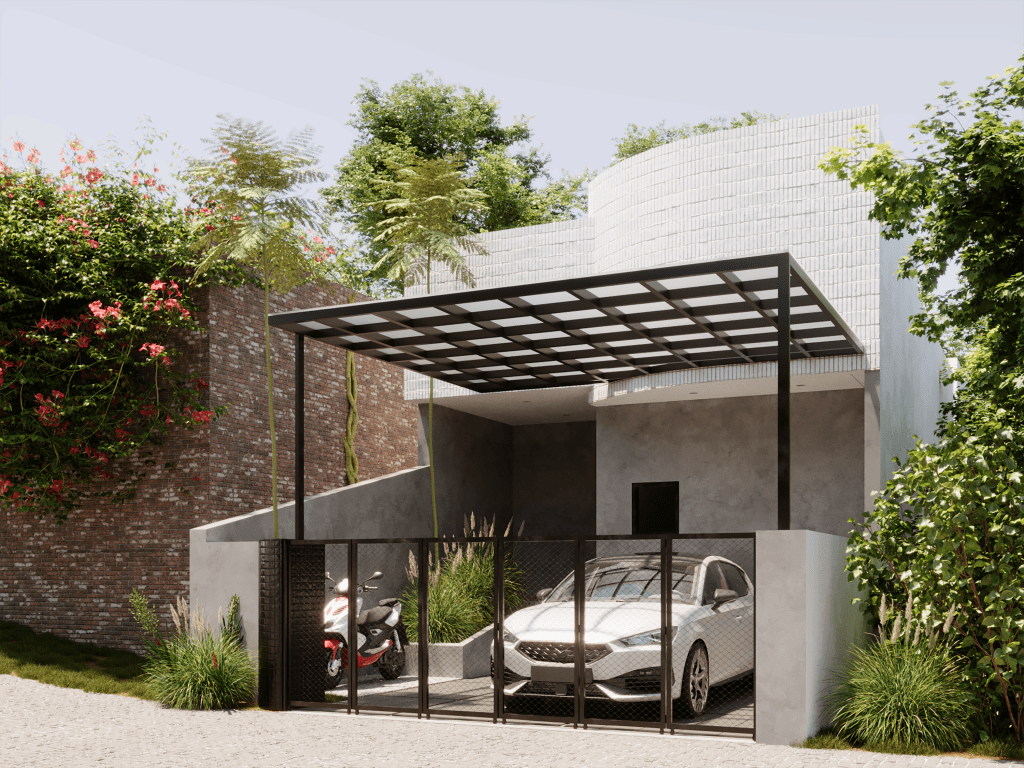
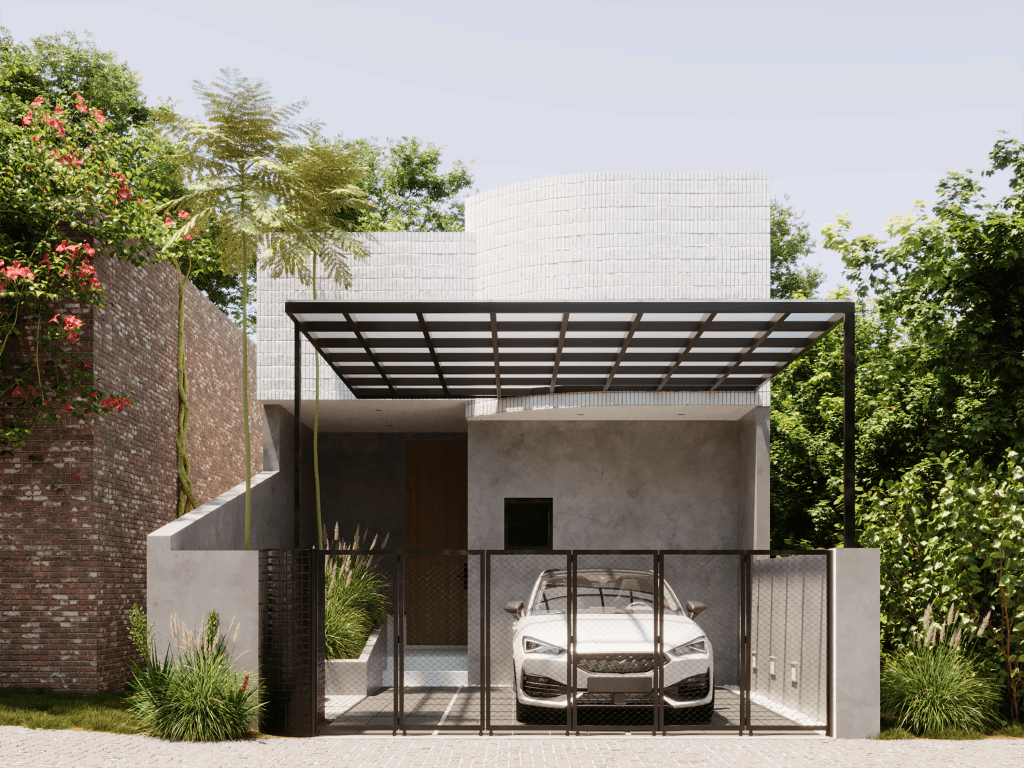
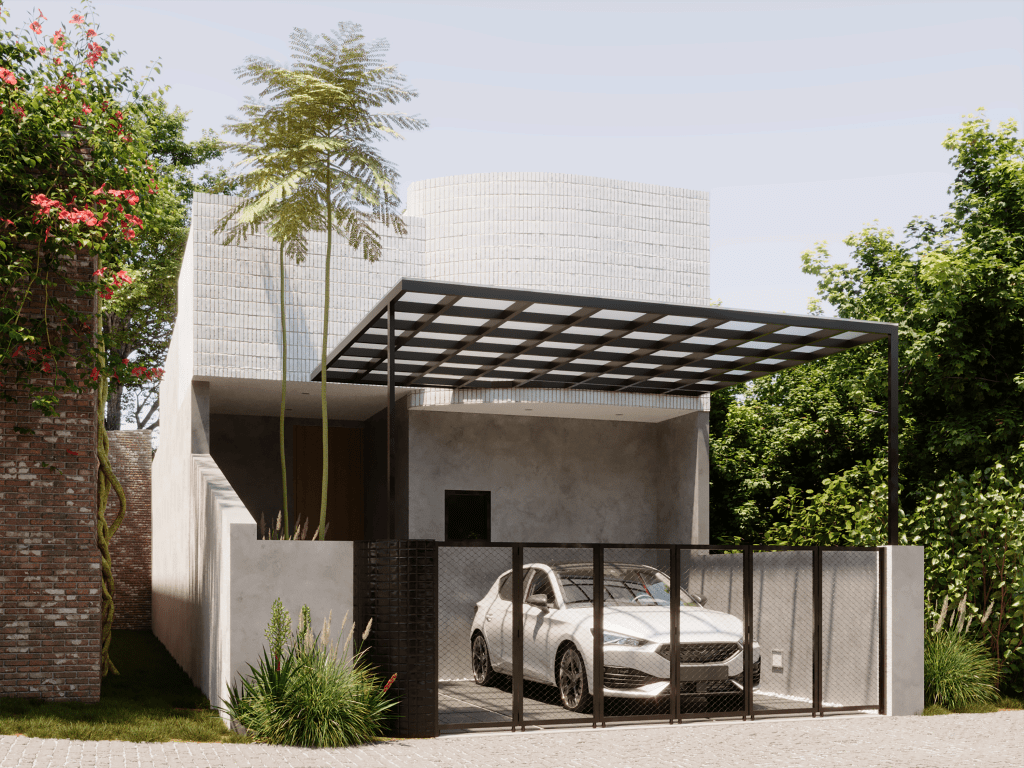
In recent years, minimalist architecture has risen as a timeless trend in residential design. This one-story house exemplifies the monochrome minimalist concept, embracing simplicity, functionality, and elegance while respecting its natural surroundings. Let’s take a closer look at how this design balances modernity and practicality.
Design Philosophy
The monochrome minimalist concept strips architecture to its essentials. This house reflects a blend of neutral tones—primarily whites, grays, and blacks. These colors, combined with clean lines and a focus on open spaces, foster an aesthetic that feels calming yet sophisticated.
This particular design uses materials such as raw concrete, bricks, and metal, emphasizing texture over color. The subtle interplay of natural light with these materials enhances the minimalist tone without appearing dull or lifeless.
Key Features of the Design
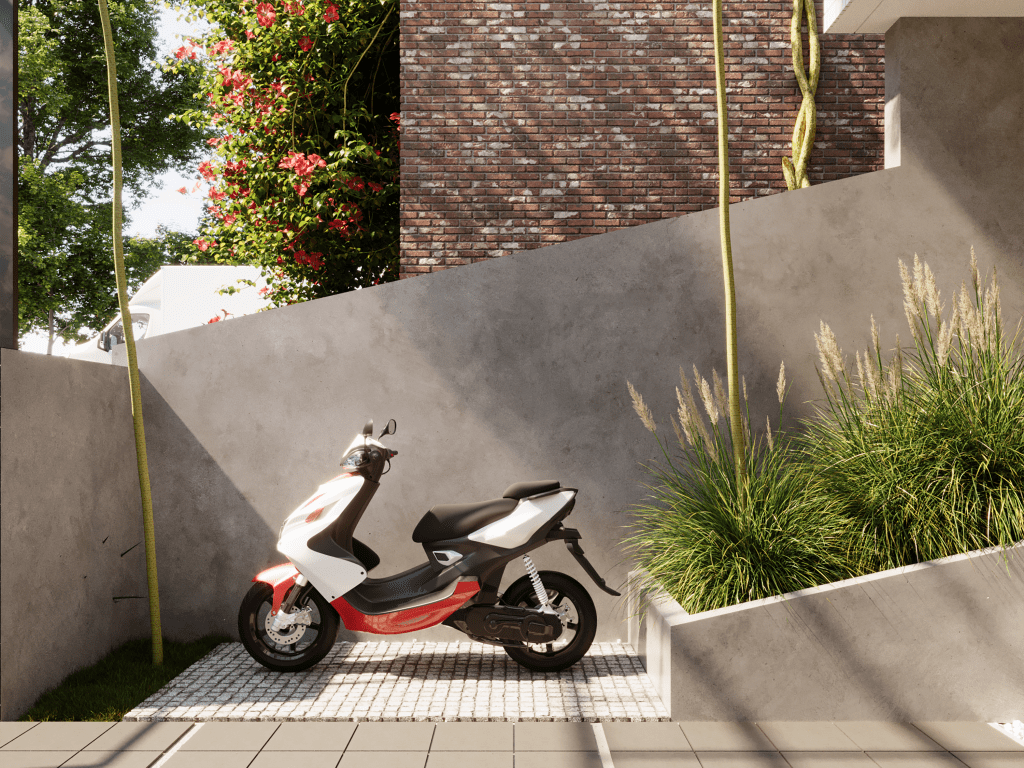
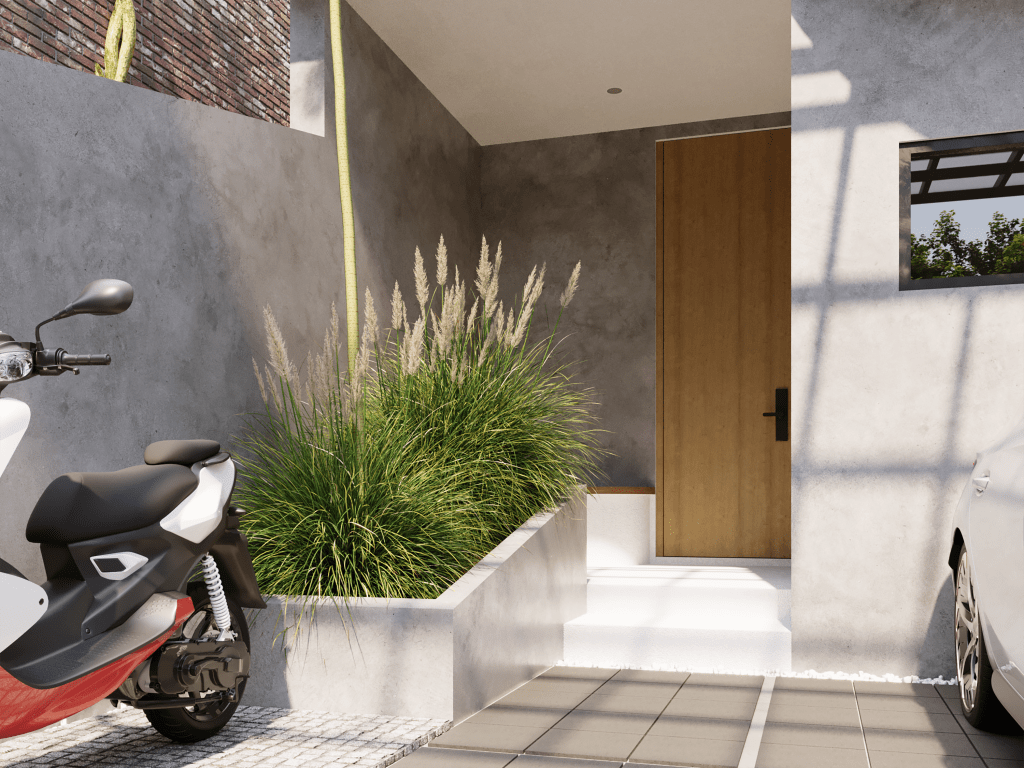
Sleek Exterior The house features a façade that combines raw concrete walls and a grid-patterned carport canopy. The black metal accents on the fence and roof structure provide a stark contrast, reinforcing the monochrome palette. Landscaping with lush greenery and minimalist plant arrangements softens the starkness, blending modernity with nature.
Open Layout While the exterior appears modest, the interior prioritizes space optimization. Open floor plans are a hallmark of minimalist design, ensuring that every square meter serves a purpose. Large glass panels invite natural light, creating an airy and welcoming ambiance.
Functional Carport The carport is designed with both aesthetics and functionality in mind. The transparent roofing material allows sunlight to filter through, ensuring the space feels open while providing protection for vehicles.
Sustainable Design Sustainability is a critical part of minimalist architecture. This house integrates passive cooling techniques, like cross-ventilation and the strategic placement of windows, reducing the need for artificial cooling. The materials used—brick and concrete—are durable and low-maintenance, adding to the building’s eco-friendliness.
Minimal Ornamentation True to its minimalist roots, the house avoids unnecessary embellishments. Instead, it focuses on structural details and finishes, such as the vertical grooves on the concrete wall and the brick accents that subtly break the monotony.
Why Monochrome Minimalism?
The monochrome minimalist concept appeals to those who value simplicity, organization, and a clutter-free lifestyle. The neutral tones provide flexibility for interior decor, allowing homeowners to personalize the space with furniture or art without overwhelming the design.
This house also caters to urban dwellers seeking a retreat from the chaos of city life. Its clean design provides a sense of calm, making it a perfect sanctuary.
Conclusion
This one-story house showcases how minimalist architecture can be both functional and stylish. With its monochrome palette, raw materiality, and thoughtful landscaping, it redefines modern living by creating harmony between architecture and nature.
Whether you’re a fan of minimalism or simply looking for inspiration, this design proves that less truly is more.
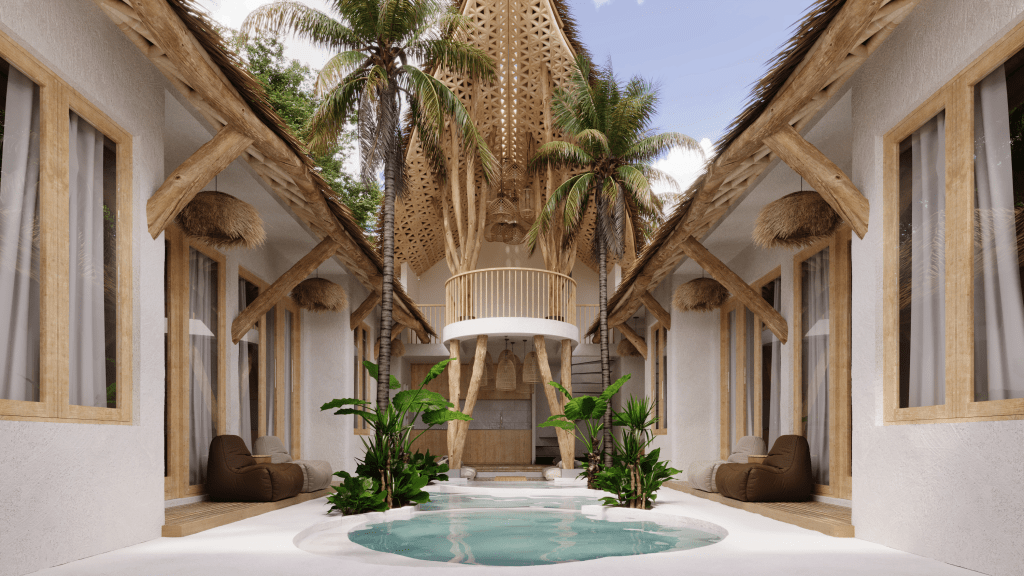
The Maldives, a paradise known for its turquoise waters and pristine beaches, is home to some of the world’s most stunning architectural designs. Villas in this archipelago are crafted to seamlessly blend luxury, sustainability, and cultural aesthetics. The architectural design philosophy here goes beyond creating shelters; it celebrates the island’s natural beauty and provides an unparalleled living experience.
1. Inspiration from Nature
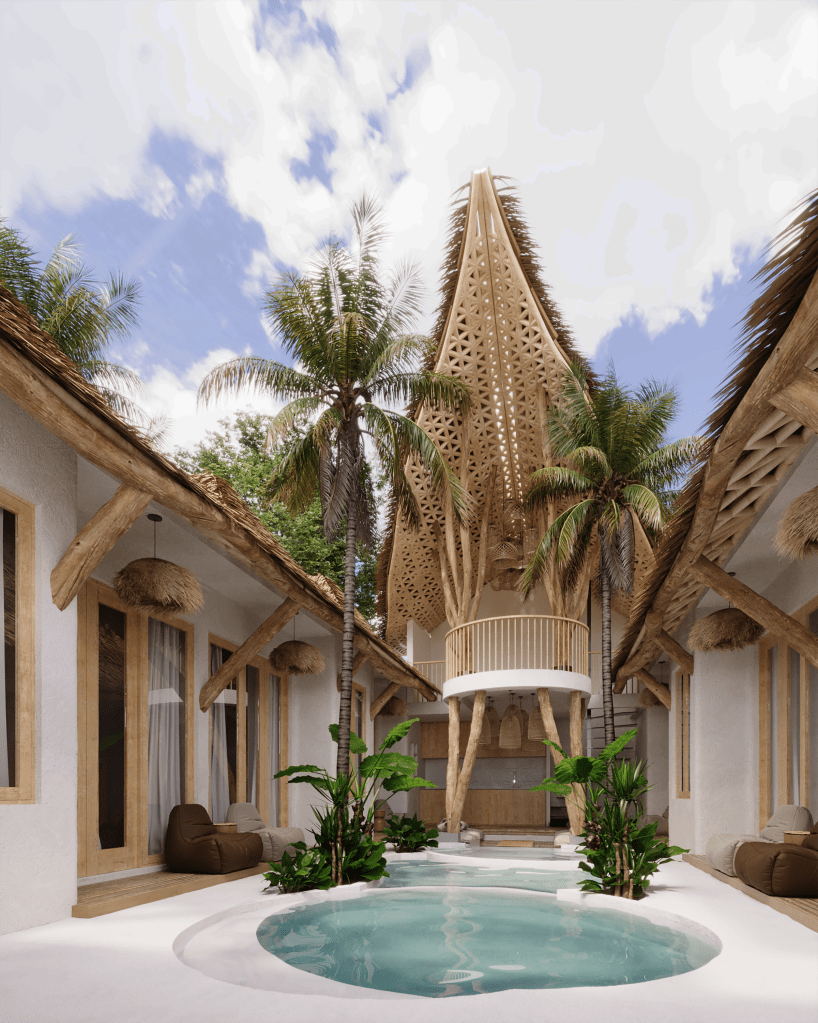
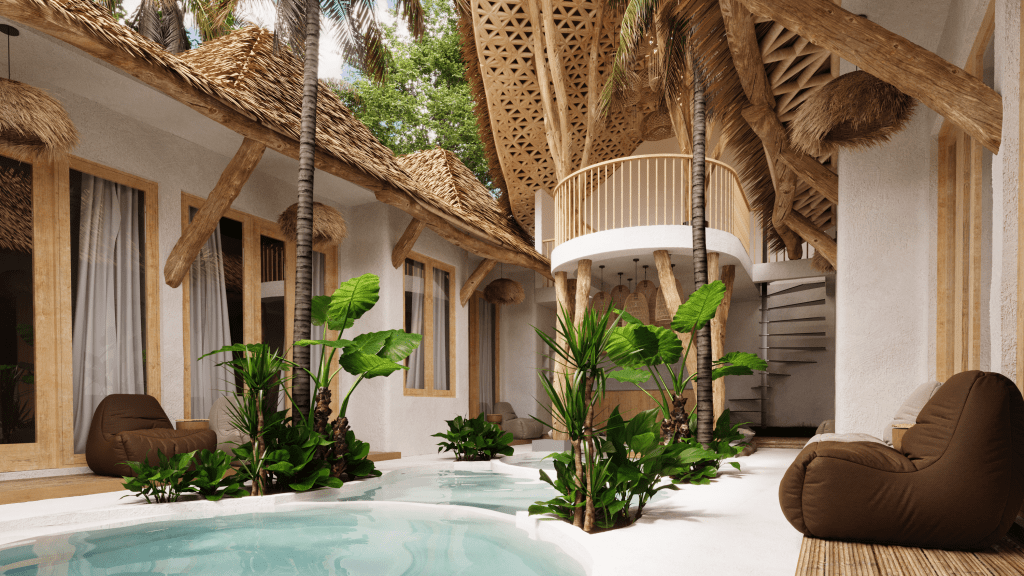
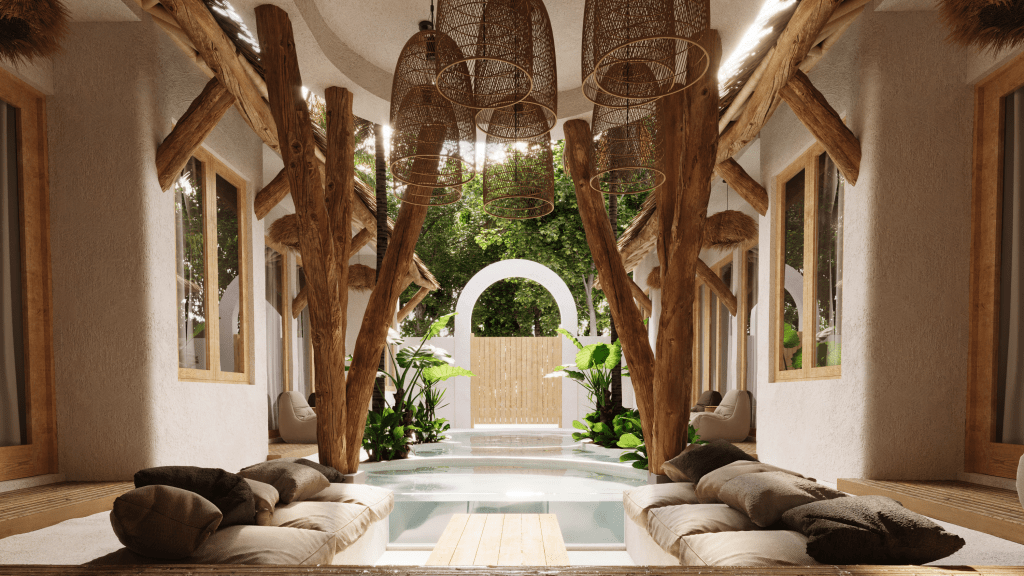
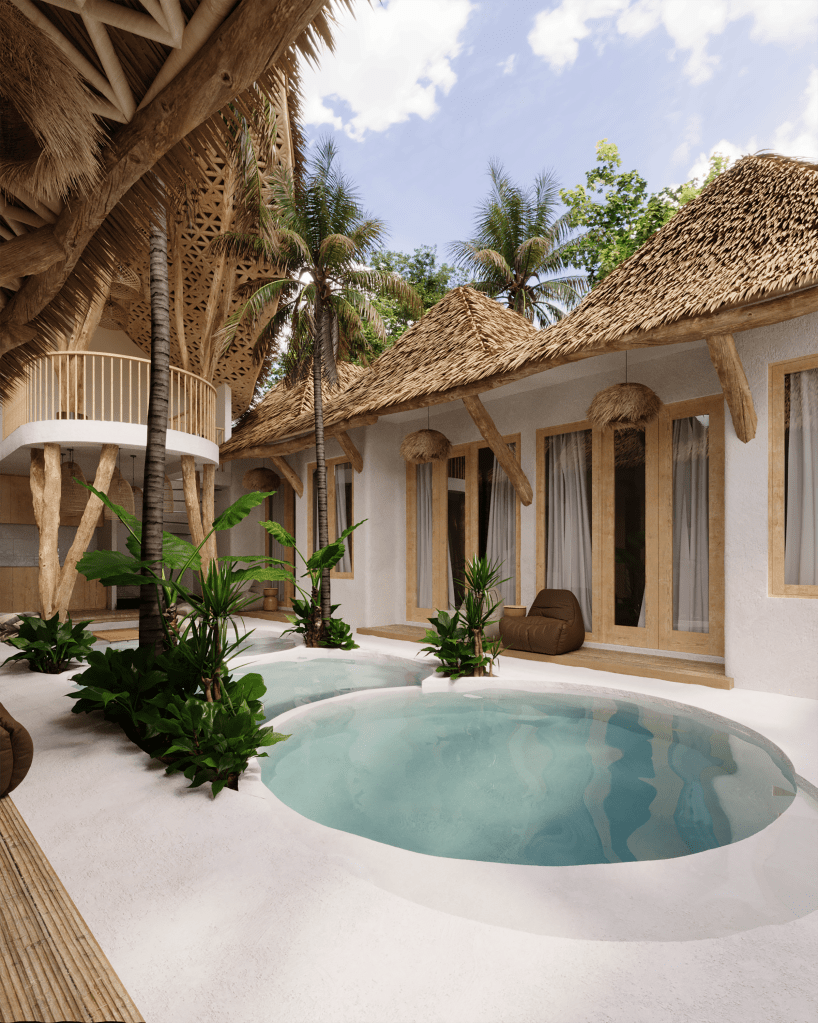
Maldivian villas often reflect the lush tropical surroundings. In the villa shown above, natural materials like wood, palm fronds, and bamboo dominate the design. The steep, airy roof structure is not just visually striking but also functional, allowing for better ventilation and reducing heat buildup under the tropical sun.
The interplay of water features, such as private pools or nearby lagoons, adds a sense of tranquility. Surrounding these elements with vibrant greenery enhances the villa’s connection to nature, ensuring it feels like an extension of the landscape rather than an intrusion.
2. Biophilic Design Principles
Biophilic design, which integrates natural elements into architecture, takes center stage in Maldivian villas. Open layouts with large windows and doors allow for unobstructed views of the ocean, natural light, and fresh breezes. The villa’s design promotes harmony between indoor and outdoor spaces, creating a seamless transition where guests can enjoy the island’s serenity from every corner of the property.
3. Cultural and Traditional Touches
The architecture of Maldives villas often incorporates subtle nods to local heritage. In the image, the intricate roof pattern resembles traditional Maldivian craftsmanship, creating a blend of modern luxury and cultural preservation. These design choices not only enhance the villa’s aesthetic appeal but also foster a deeper connection to the locale.
4. Sustainability at the Core
Sustainable architecture is a priority for many villa developments in the Maldives. Solar panels, rainwater harvesting systems, and locally sourced materials are often integrated into the designs. The use of stilts, as seen in the central structure of the villa above, minimizes the impact on the environment while also adapting to potential rising sea levels.
5. Focus on Wellness and Privacy
Maldivian villas are designed to provide a private sanctuary for guests. Features like secluded pools, shaded patios, and intimate outdoor lounges cater to those seeking tranquility. Natural elements such as soft textures, neutral colors, and organic shapes create a calming atmosphere that promotes wellness and relaxation.
6. Indoor-Outdoor Fusion
A hallmark of Maldivian villas is the seamless fusion of indoor and outdoor spaces. Open-air bathrooms, overwater decks, and shaded verandas invite guests to fully immerse themselves in the tropical experience. In this villa, the circular pool and lush landscaping are a focal point, creating an inviting central hub that ties together all the surrounding spaces.
Villas in the Maldives embody the perfect balance between opulence and environmental respect. They are a celebration of island living, where thoughtful design enhances the beauty of the surroundings while offering unmatched luxury. Whether you’re an architecture enthusiast or someone seeking inspiration for your dream villa, the Maldivian approach to design offers timeless lessons on integrating elegance, sustainability, and culture.
This villa stands as a testament to how architecture can enhance our relationship with nature, making every moment feel like a retreat into paradise.
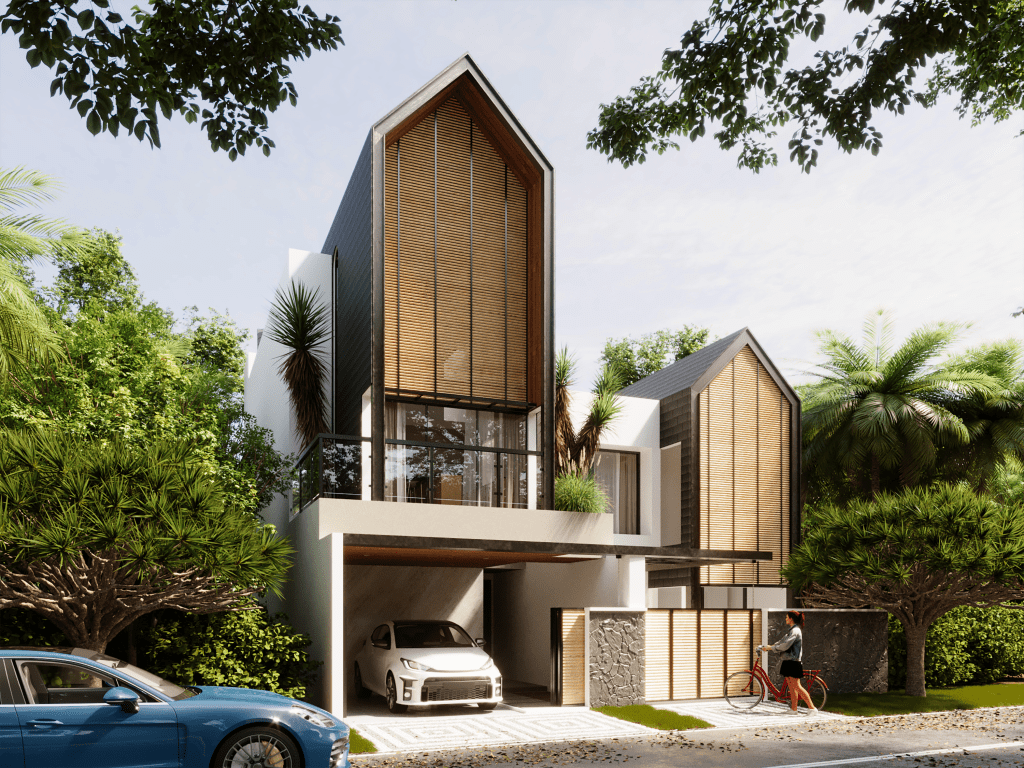
In today’s dynamic world, the boundaries between living and working are increasingly blurred. This has led to a rise in hybrid architectural designs. A three-story hybrid house office caters to modern needs for functional spaces. It allows for seamless transitions between personal and professional lives. Here’s how architectural principles and innovative design come together to create an inspiring and efficient environment.
Balancing Form and Function
The key to a hybrid design is striking the right balance between functionality and aesthetic appeal. For a three-story house-office, each level must serve its purpose while maintaining harmony:
Ground Floor: The entryway and shared spaces like a reception or meeting room should make an excellent first impression. Ample natural light and inviting materials, like wood or stone, create warmth while maintaining professionalism.
Second Floor: This level is ideal for office functions—private workspace, team collaboration areas, and a small pantry. To guarantee productivity, acoustically treated walls, and ergonomic designs are a must.
Third Floor: Reserved for residential spaces, this level offers privacy. Comfortable bedrooms, a living area, and a small terrace create a sanctuary away from the hustle of work.
Efficient Space Zoning
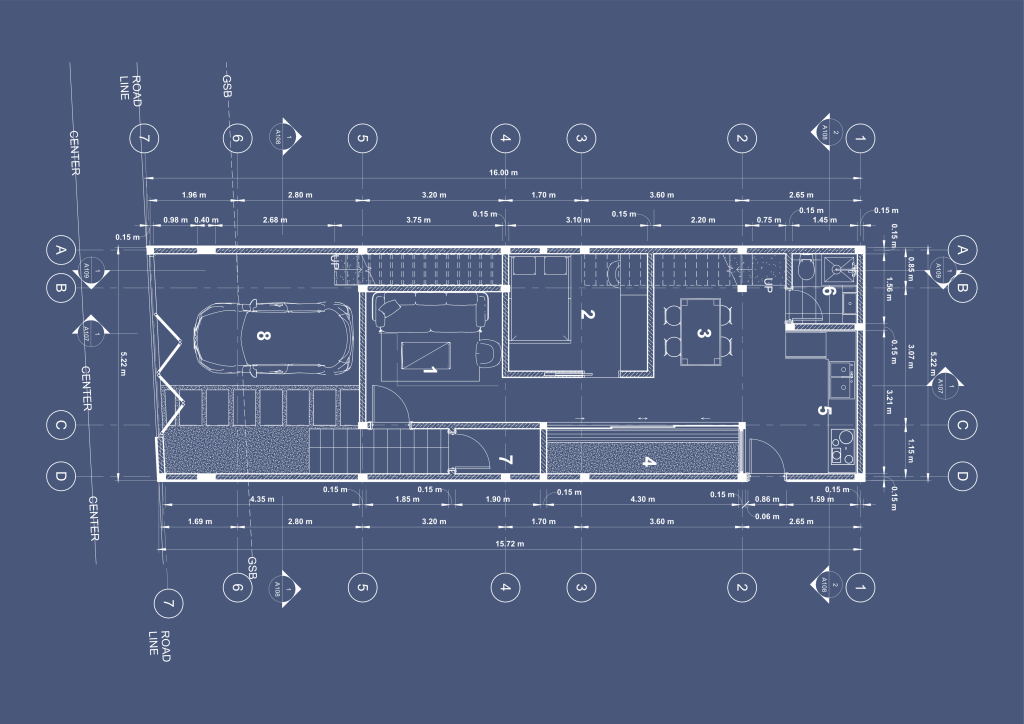
Separating public and private zones is essential in a hybrid design. This can be achieved with:
Dedicated Entrances: Separate doors for the office and home areas ensure privacy and smooth access for clients.
Vertical Partitioning: Using the natural separation of floors prevents overlapping noise and activity between zones.
Flexible Layouts: Multi-functional rooms, such as a guest room doubling as a home office, provide adaptability for future needs.
Aesthetic and Cultural Sensitivity
Incorporating local architectural elements can create a unique character. For example, in Indonesia, blending Scandinavian simplicity with Javanese accents—such as batik-inspired wall art or traditional joglo rooflines—can produce a design that resonates culturally and remains contemporary.
Sustainability as a Priority
Eco-friendly practices enhance the appeal and functionality of hybrid spaces. Here are some sustainable design strategies:
Passive Cooling and Lighting: Large windows and cross-ventilation reduce the need for artificial climate control.
Green Roof or Terrace Garden: A rooftop garden adds insulation, reduces heat, and creates a relaxing escape.
Recycled Materials: Incorporating recycled wood or repurposed bricks adds charm while minimizing the environmental footprint.
Technology Integration
Smart systems make hybrid living more efficient. Automated lighting, temperature controls, and security systems enable a seamless transition between living and working environments. Video conferencing facilities, high-speed internet, and ergonomic furniture ensure the office area meets modern demands.
Conclusion
Designing a three-story hybrid home-office is both an art and a science. By blending form, functionality, and sustainability, architects can create spaces that inspire productivity and promote well-being. Whether it’s for entrepreneurs, freelancers, or small business owners, a well-thought-out hybrid design transforms the way we live and work.
Ready to turn your dream hybrid space into reality? Let us help you design a house-office tailored to your lifestyle and needs.
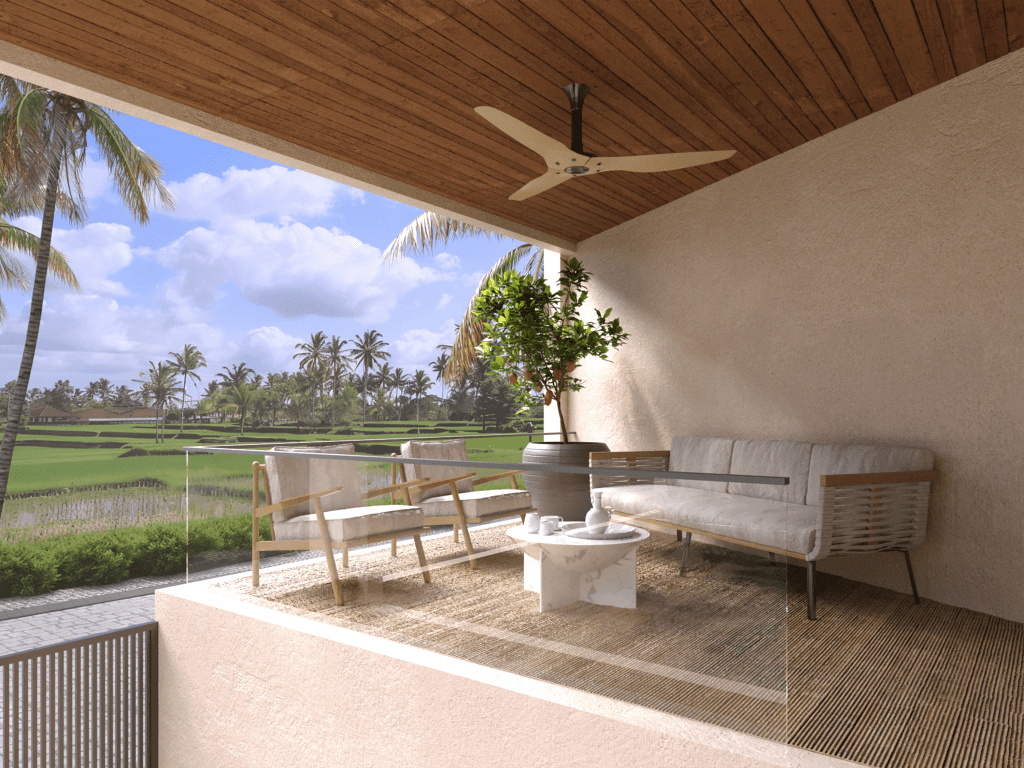
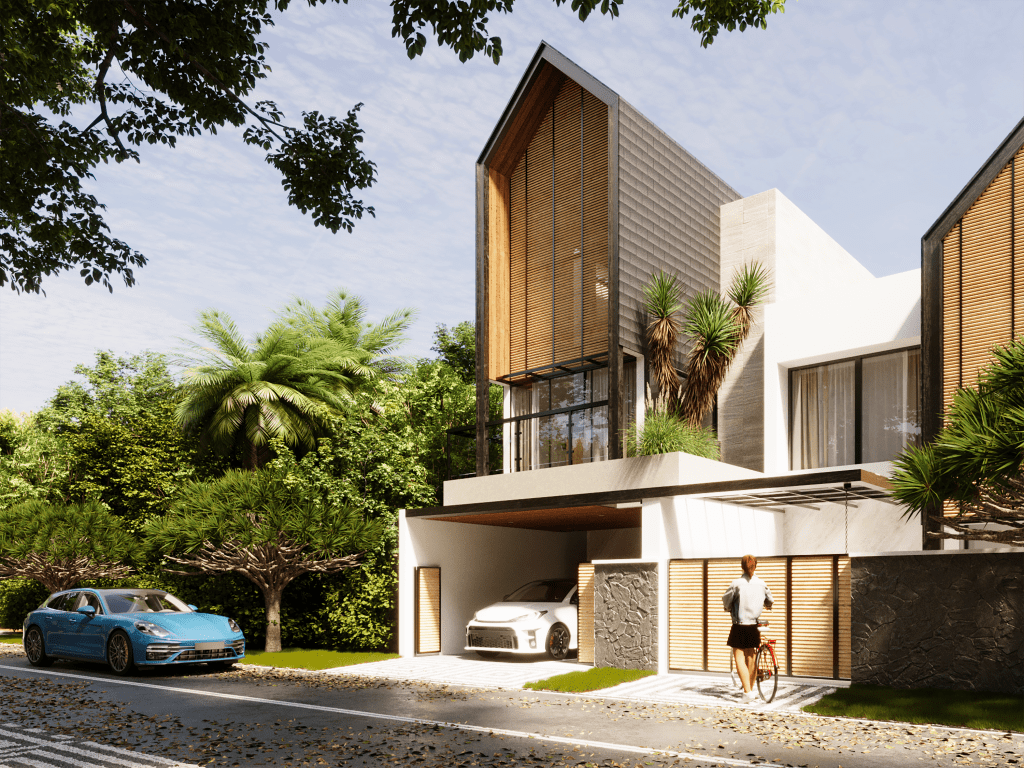
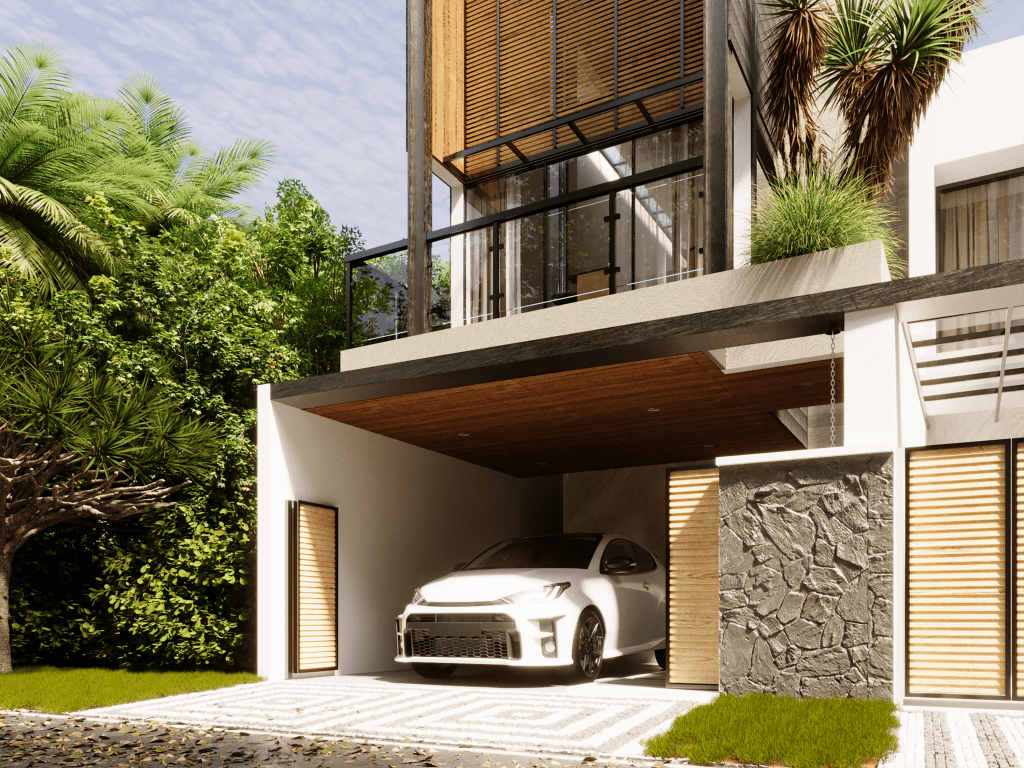
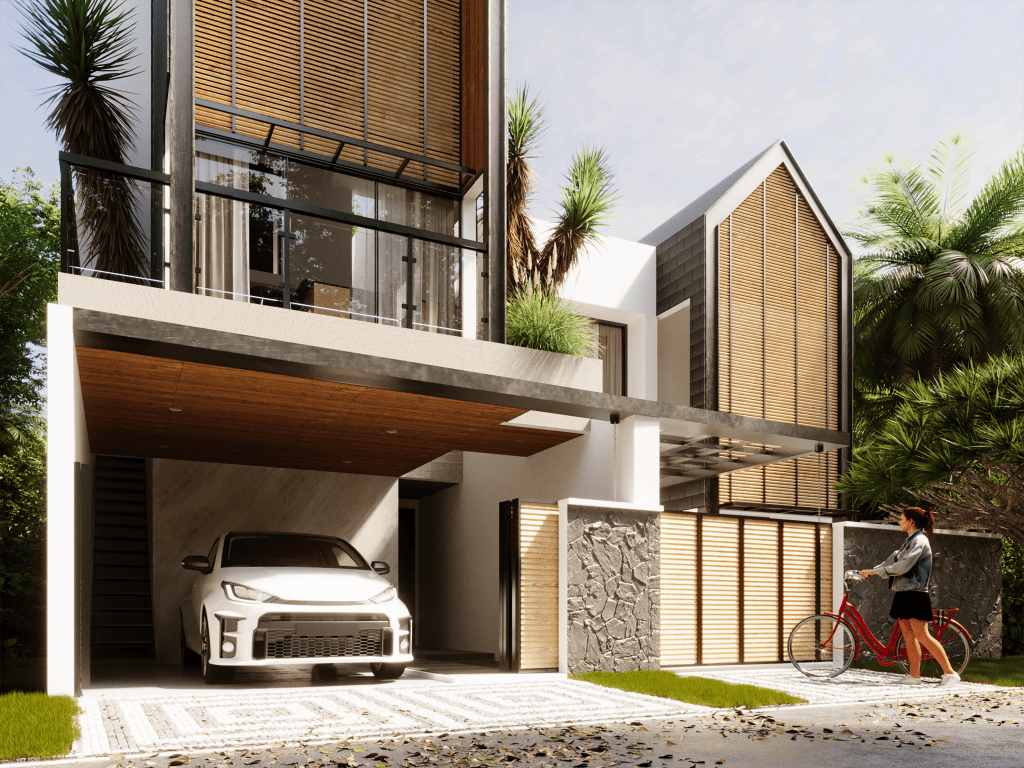
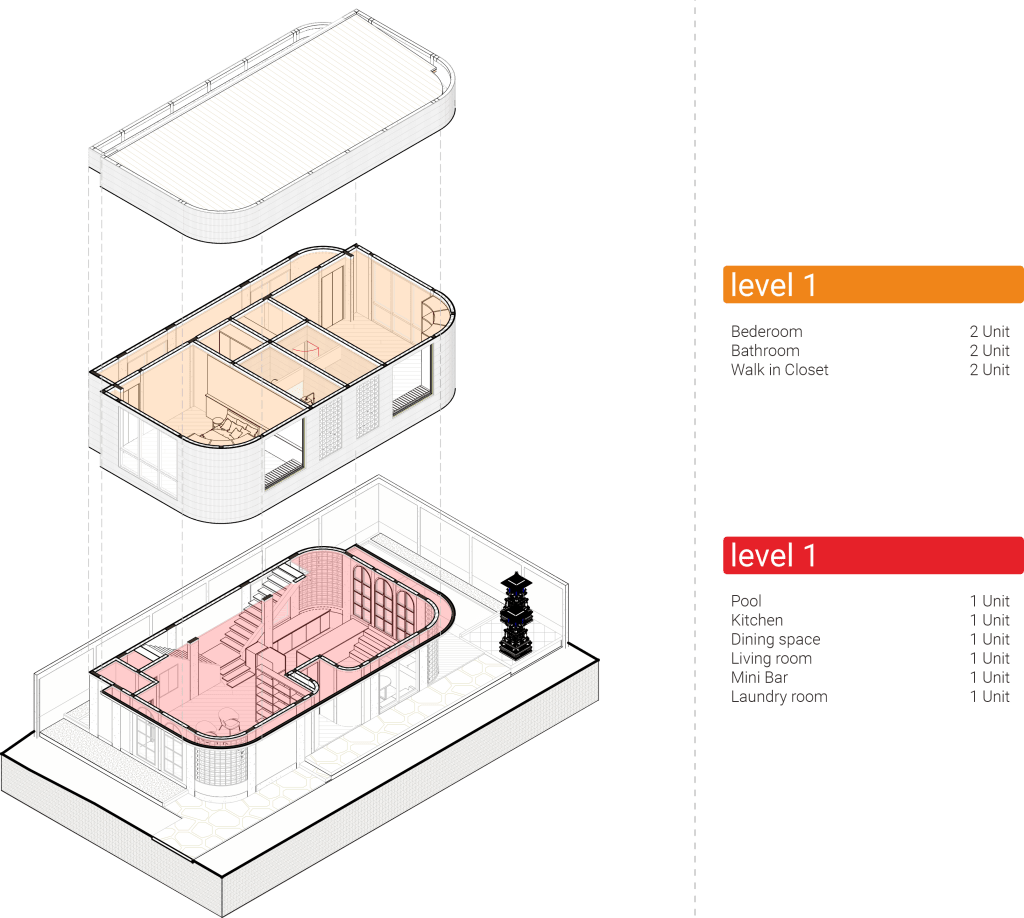
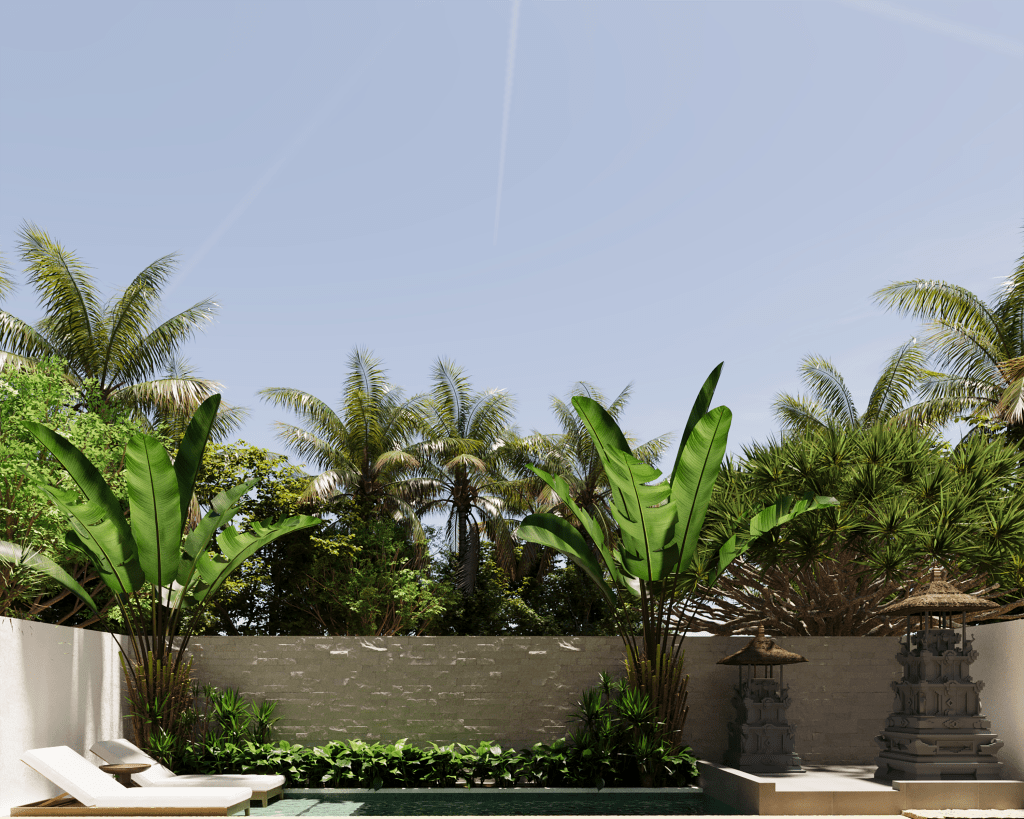
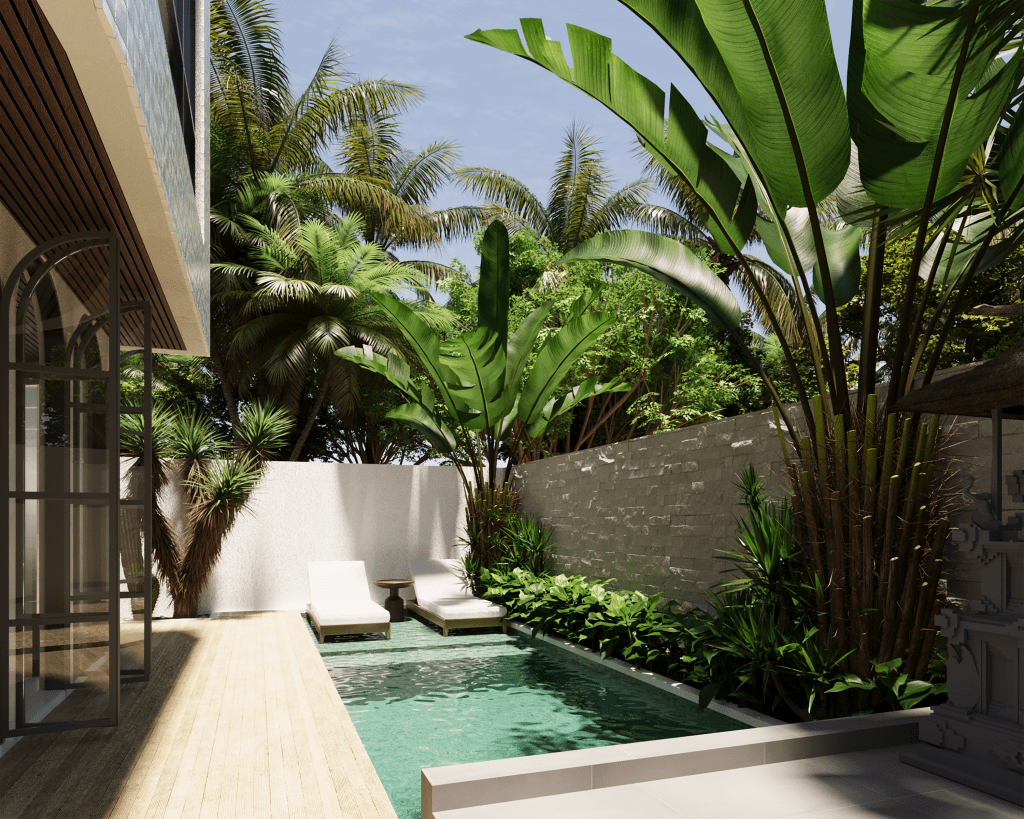
This project is a bespoke villa. It is designed for a client seeking a hidden retreat away from the main road. The villa is located in Seseh, Bali. The two-story villa offers both luxury and privacy, tucked near expansive rice fields that give a serene, natural backdrop. The villa features a swimming pool on the ground floor, creating a seamless connection between indoor and outdoor living.
Designed with two spacious bedrooms, each with its own en-suite bathroom, the villa prioritizes comfort and modern living. The first floor includes an elegant bar and a cozy living room, perfect for entertaining guests. The kitchen is uniquely designed on a lower level than the rest of the floor, adding a distinctive architectural touch.
The villa’s flexible layout allows it to be semi-indoor. This is ideal for enjoying Bali’s breezy climate. It can also be enclosed when the heat becomes too intense. This offers a cool and comfortable refuge.
With its tranquil location and thoughtful design, this villa harmonizes modern luxury with the beauty of Bali’s countryside, creating the perfect hideaway.
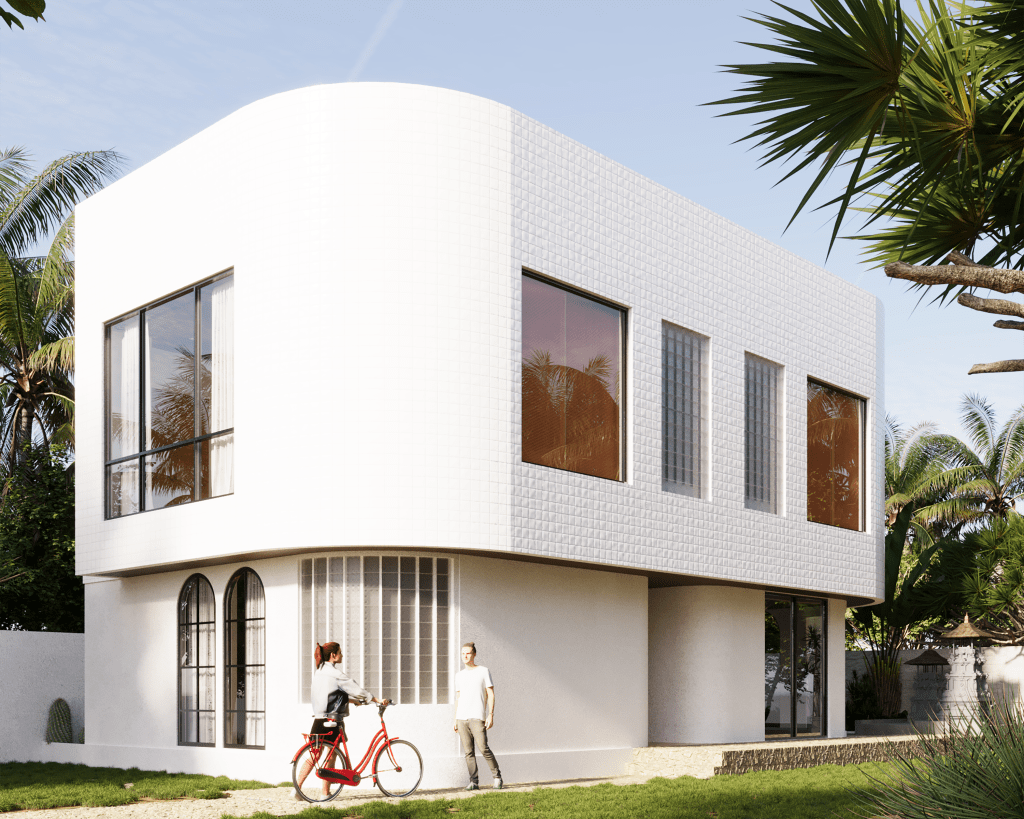
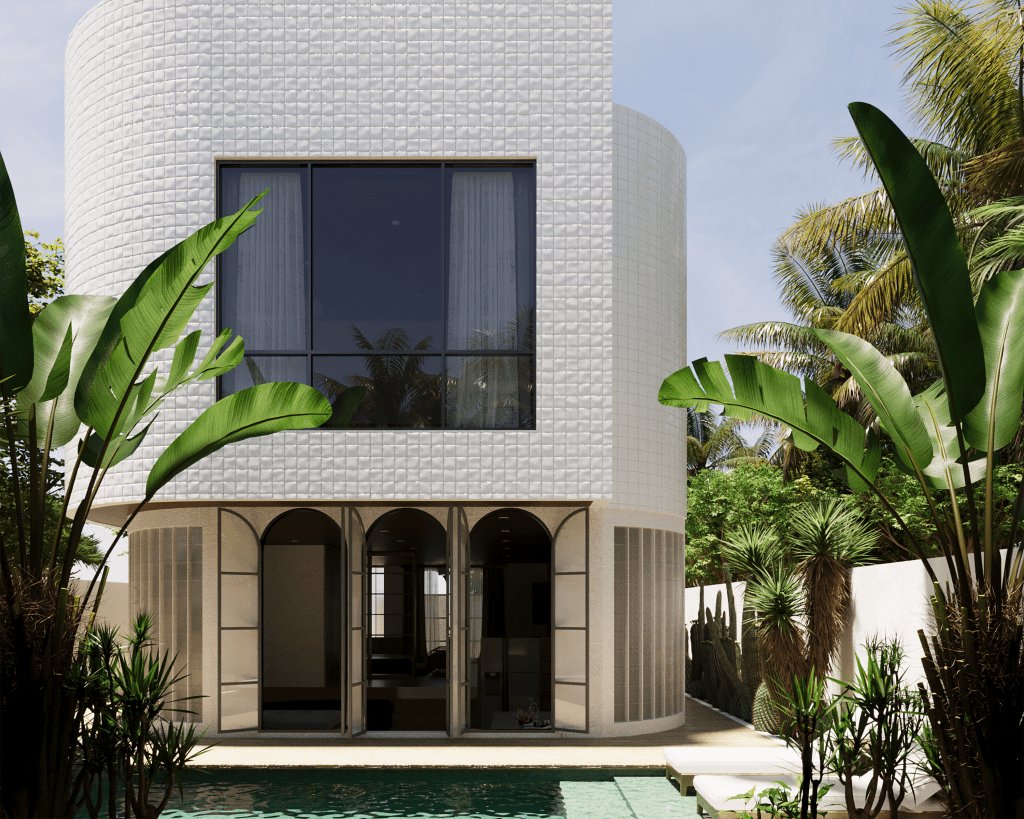
The exterior of the home is a masterful example of modern architecture, showcasing clean, elegant lines with a distinct curved shape. The building’s facade is composed of sleek, white tiles that reflect sunlight and add a crisp, fresh look to the structure. The curved corners and large, arched windows introduce softness to the otherwise minimal design, offering an interesting architectural contrast. The use of glass block detailing complements the curved architecture, allowing light to filter through while maintaining privacy. The design makes a strong statement of contemporary elegance, blending simplicity and sophistication in a way that feels both timeless and cutting-edge.
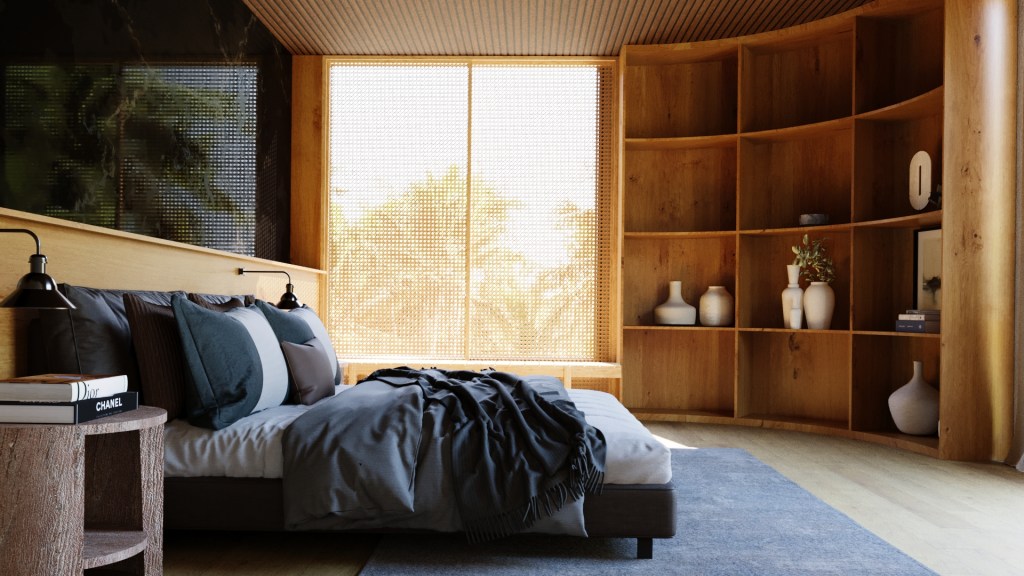
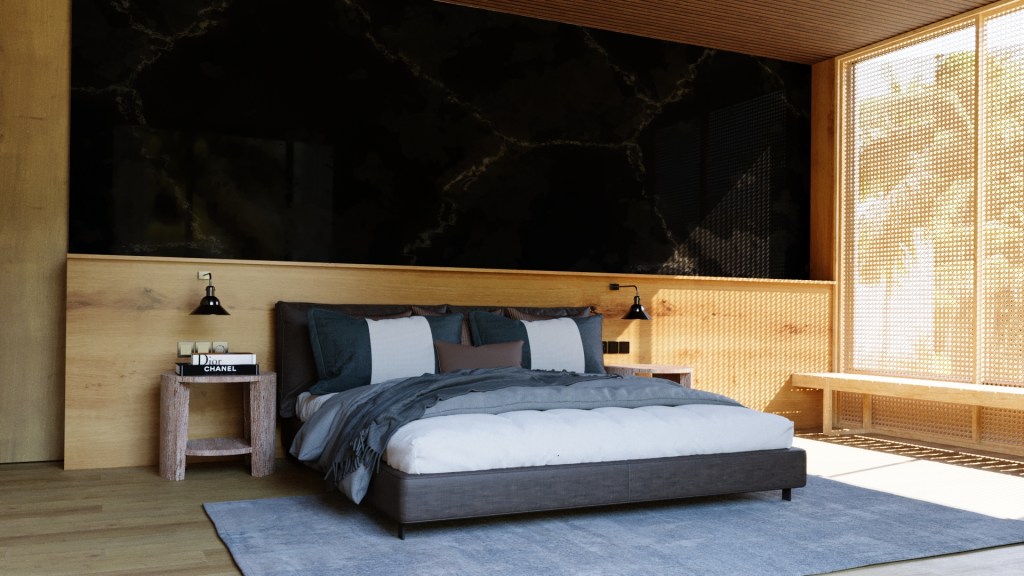
The bedroom depicted in the render exudes warmth and comfort, combining modern minimalism with a natural aesthetic. The use of wooden elements throughout the space creates an inviting atmosphere, while the large, curved built-in shelving unit adds functional beauty to the room. The oversized windows allow ample natural light to flood in, creating a calming ambiance perfect for rest and relaxation. Complementing the light from the windows, the dark, textured feature wall behind the bed adds a bold contrast, making the space feel both grounded and luxurious. The bedding, in its muted yet sophisticated tones, perfectly complements the wood and black accents throughout the room, completing the serene yet stylish design.
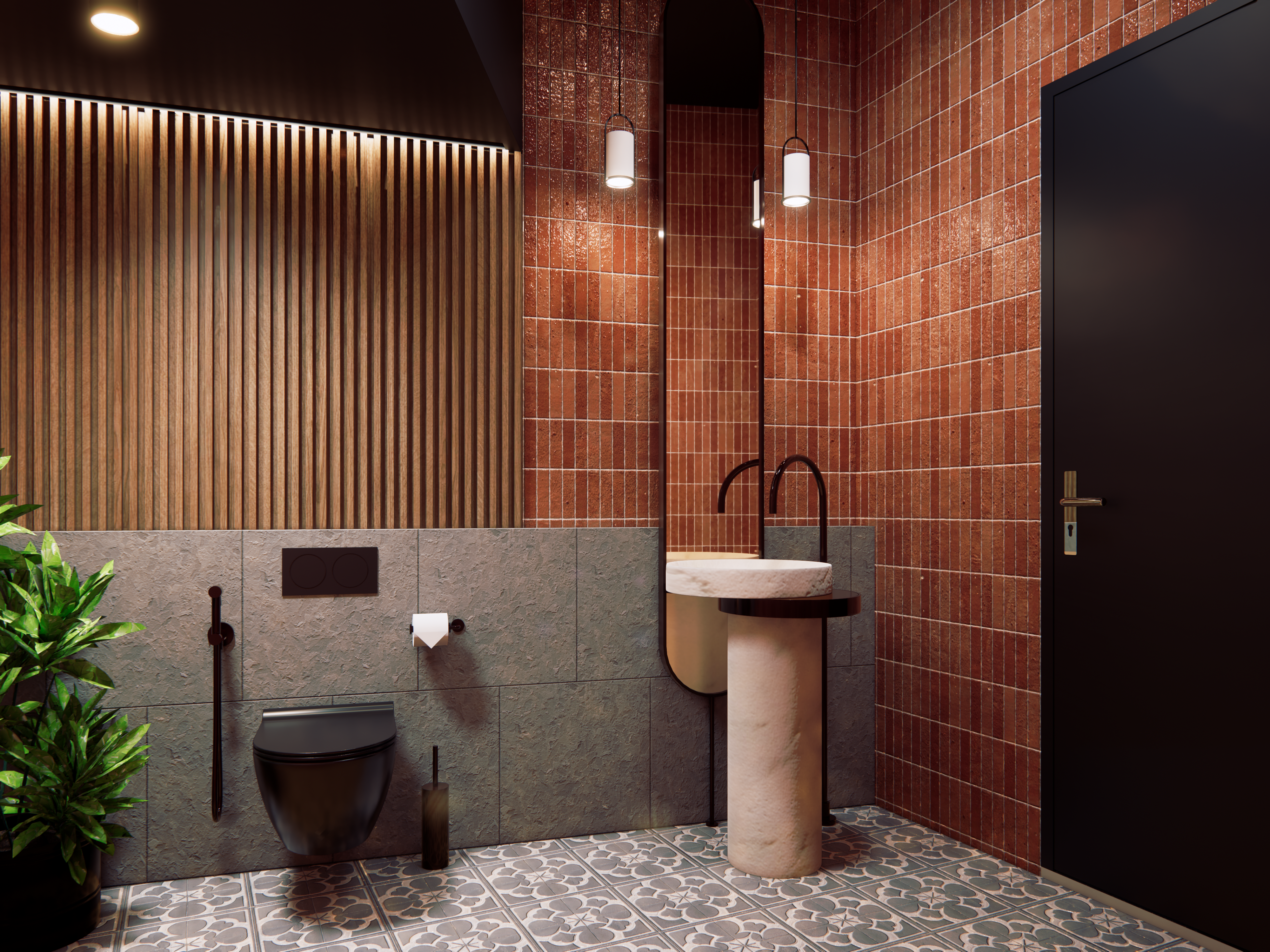
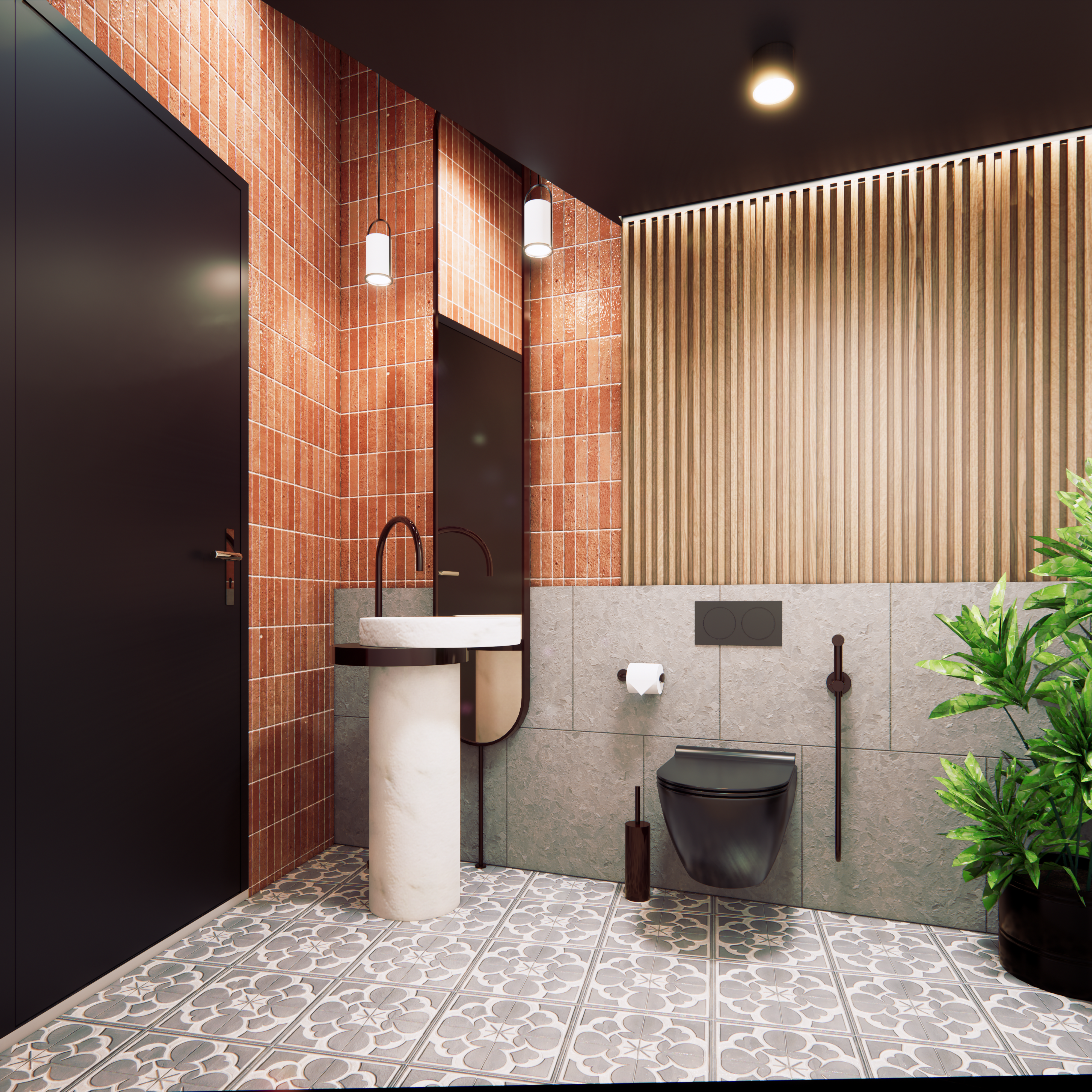
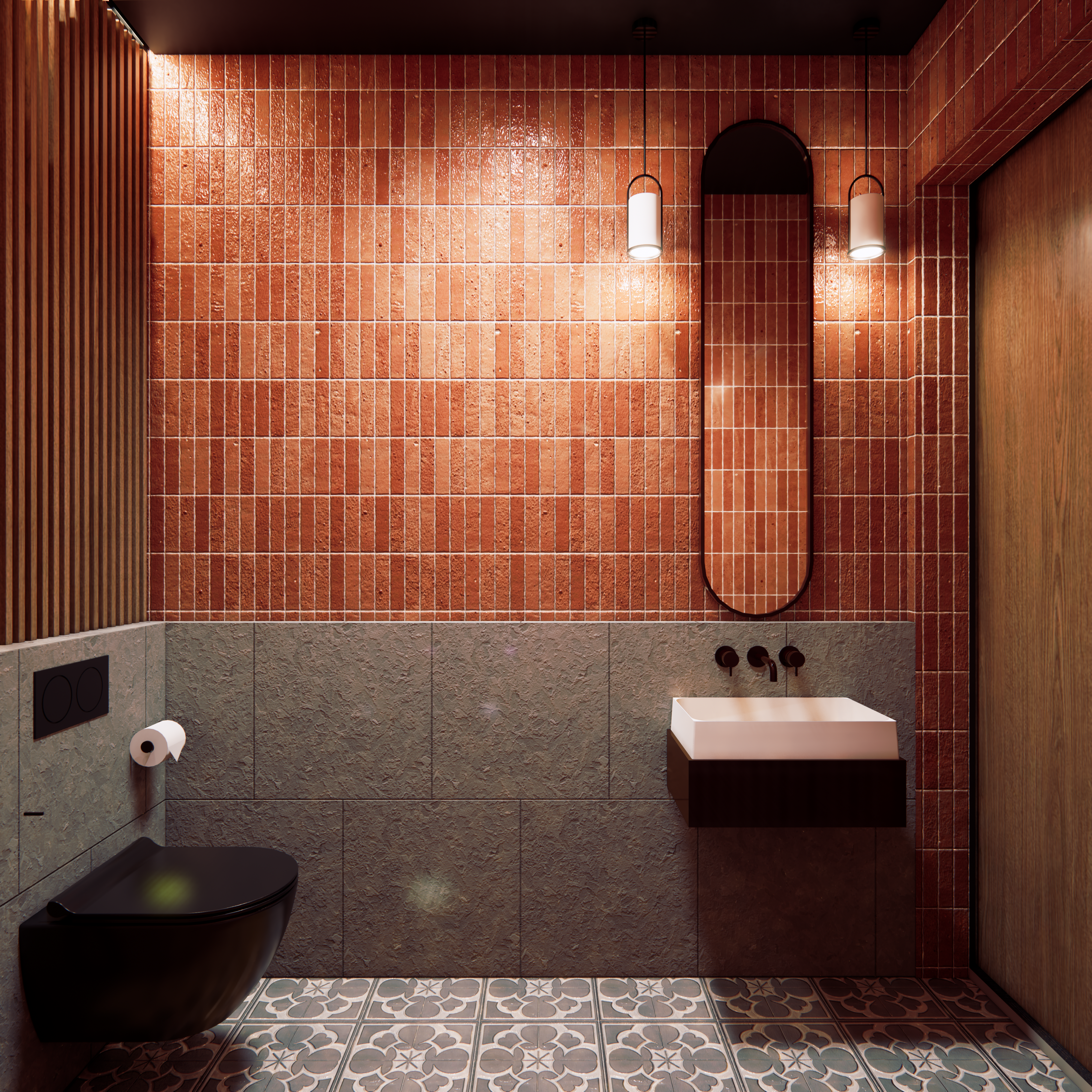
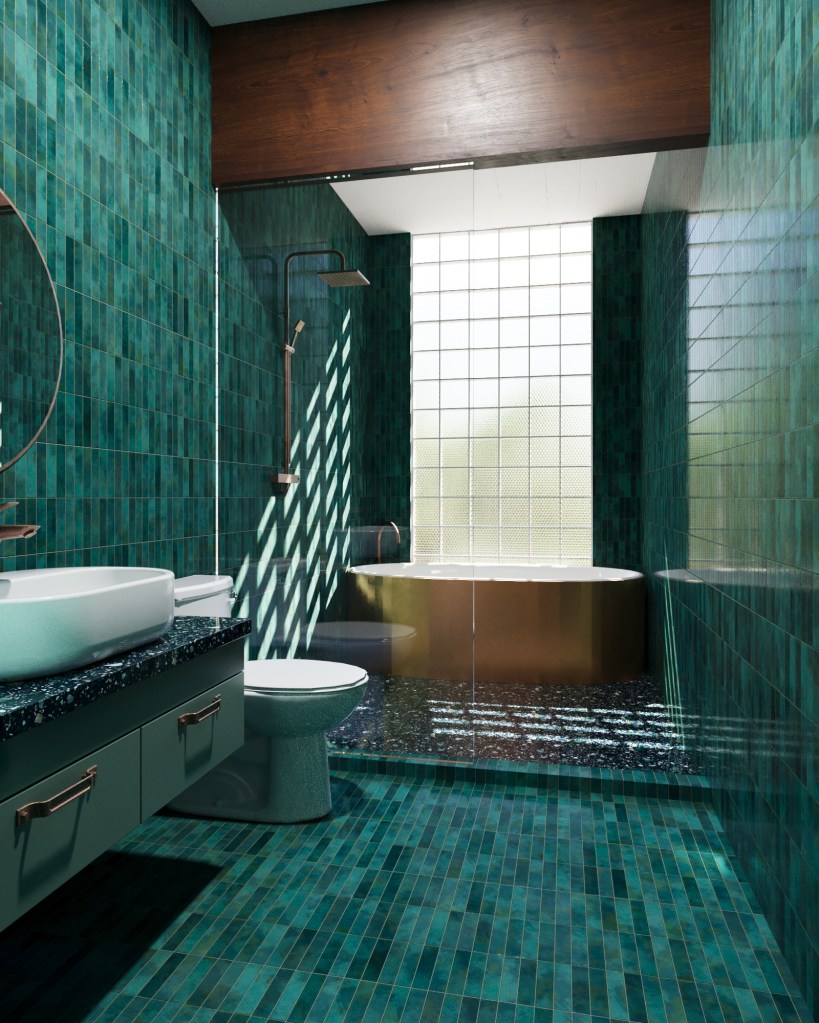
The bathroom design in the render takes a bold approach with deep green tiles that instantly create a rich, vibrant atmosphere. The glossy texture of the tiles reflects natural light from the large glass block window, making the space feel both bright and private. The sleek modern fixtures, including the wall-mounted sink and contemporary rain shower, blend functionality with style. The choice of gold accents, from the faucet to the bathtub, introduces a touch of opulence without overpowering the overall aesthetic. The green tones combined with the wood beam ceiling create a relaxing, spa-like experience in this unique and inviting space.
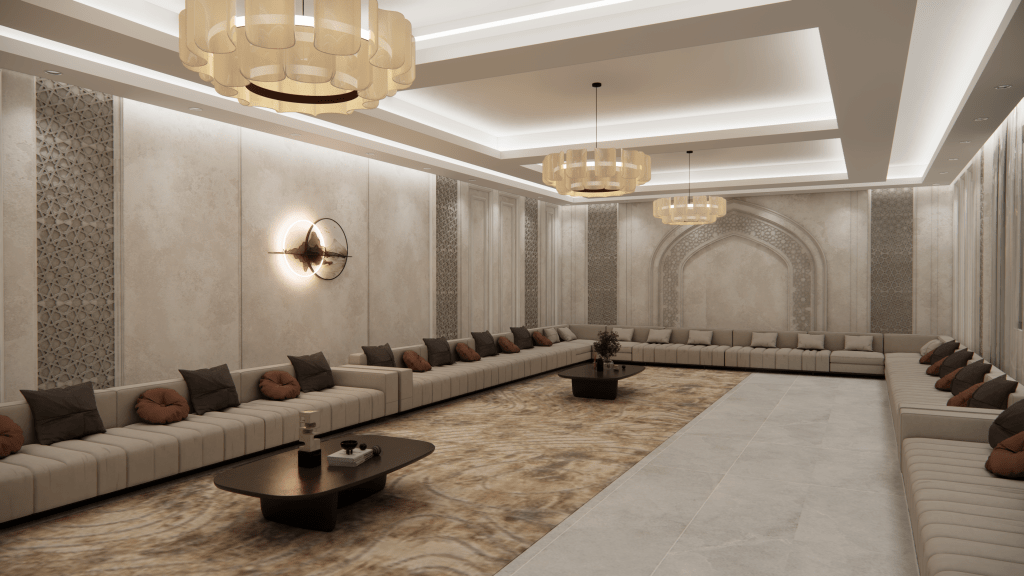
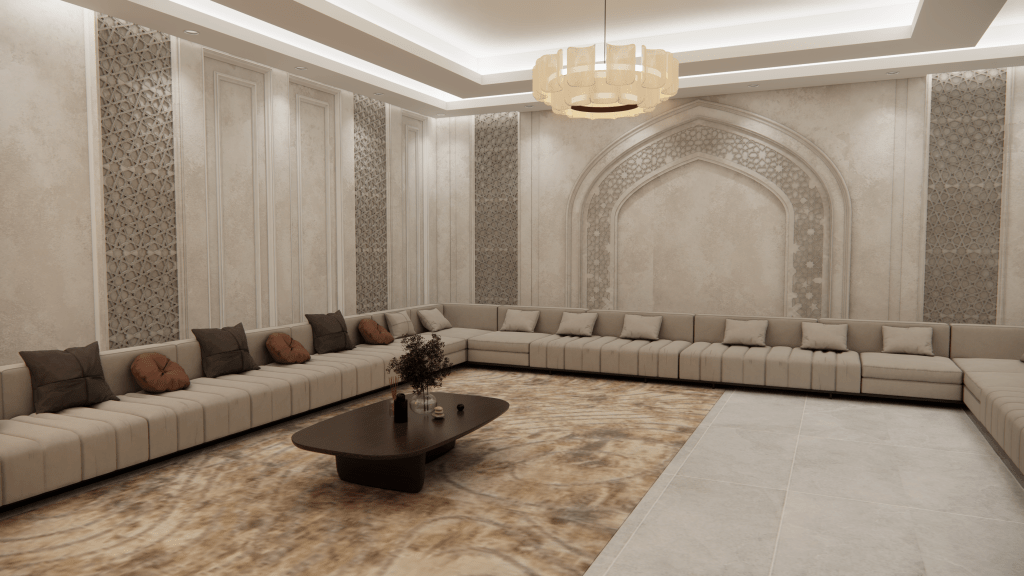
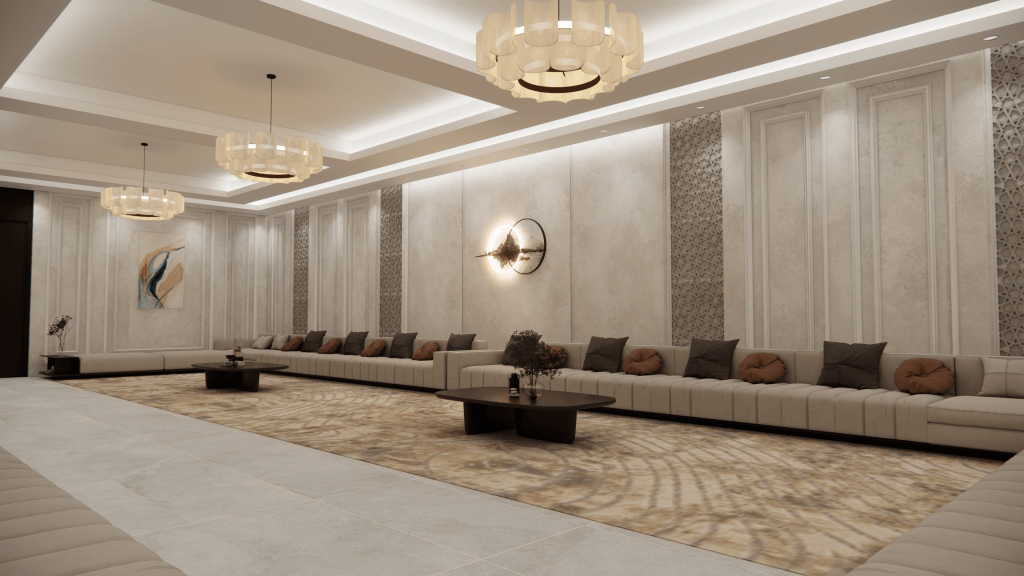
In the diwaniya, we’ve created a blend of tradition and modern design to craft a comfortable yet stylish gathering space. The room features a minimalist L-shaped sofa, maximizing seating along the walls while maintaining an open feel. The color palette is soft and neutral, with bright beige tones that enhance the spaciousness and lightness of the area.
The walls are designed with subtle geometric patterns and textured paneling, adding a touch of elegance without overwhelming the simplicity of the space. Lighting plays a key role, with layered soft lights from the ceiling and modern fixtures, creating a warm and welcoming atmosphere.
To tie the design together, the earthy-toned carpet mimics the look of marbled stone, complementing the walls and furniture, while organic wood coffee tables add a natural, grounded element. The overall design offers a balance of modernity and tradition, creating a serene and functional space for gatherings.
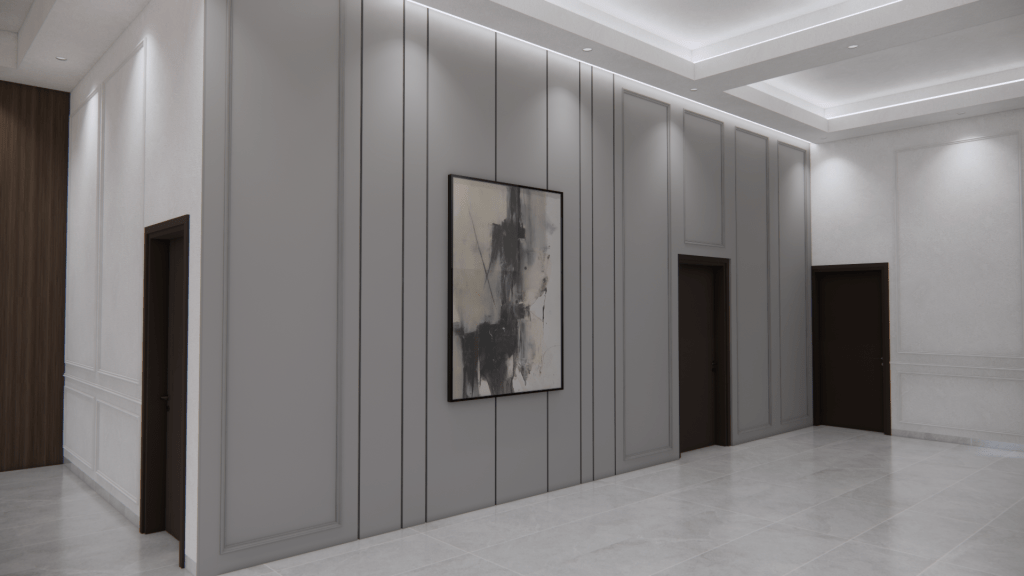
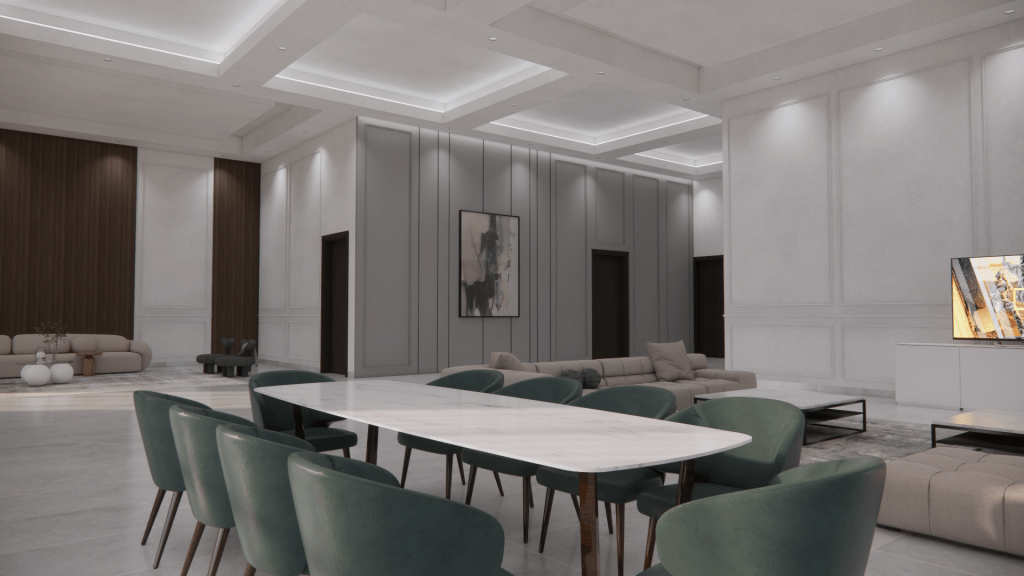
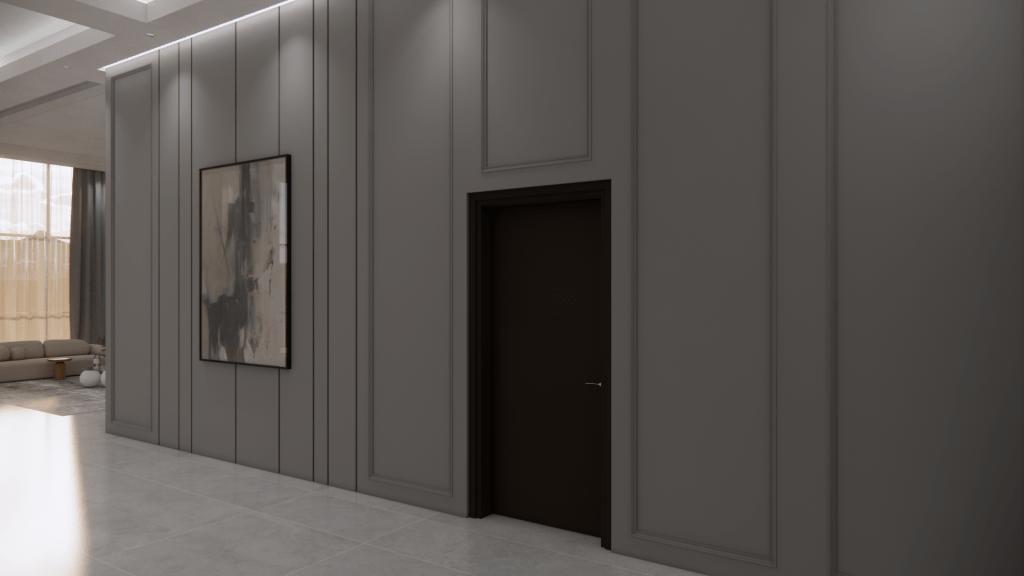
The hallway connecting the living room and diwaniya is designed with a minimalist approach, maintaining a seamless flow between the spaces. While the living room wasn’t part of our design, we focused on creating a clean, modern passageway using subtle yet impactful details.
The walls feature gray wood paneling with a slight offset pattern, adding depth and texture without overpowering the simplicity of the space. This subtle play on geometry keeps the design interesting while staying true to a minimalist aesthetic. To complement the understated elegance of the hallway, we added a simple painting that enhances the room’s calm and sophisticated atmosphere. The result is a sleek and stylish connection between key areas of the home, maintaining a cohesive and modern design language.
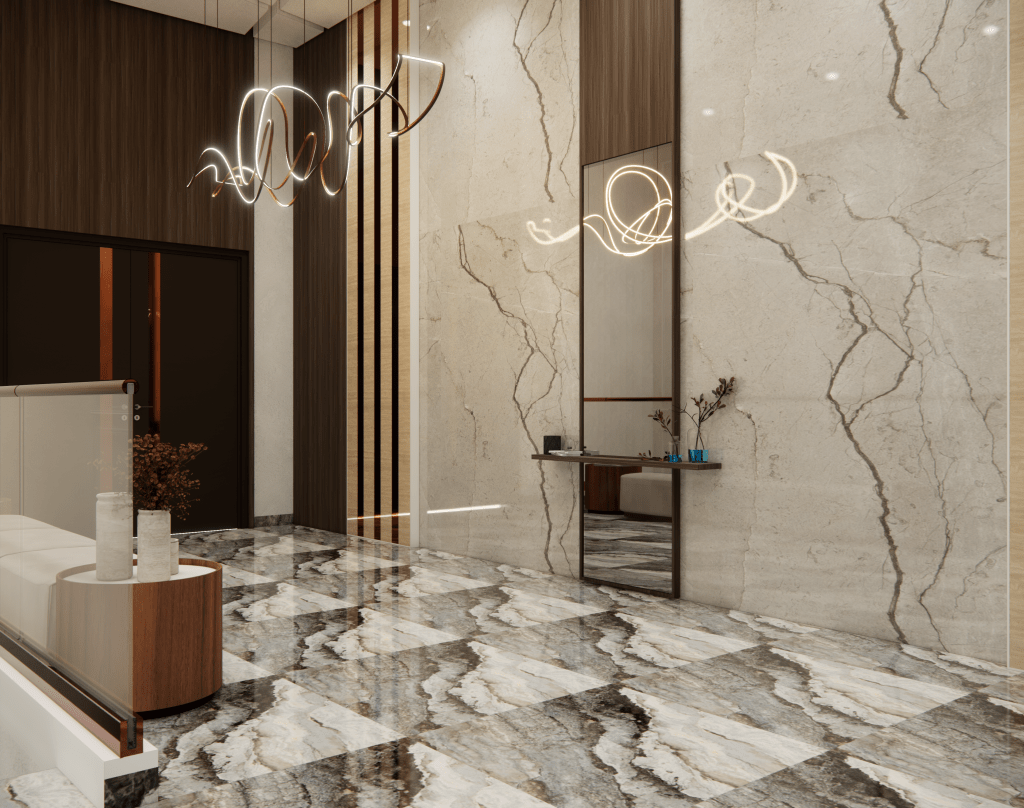
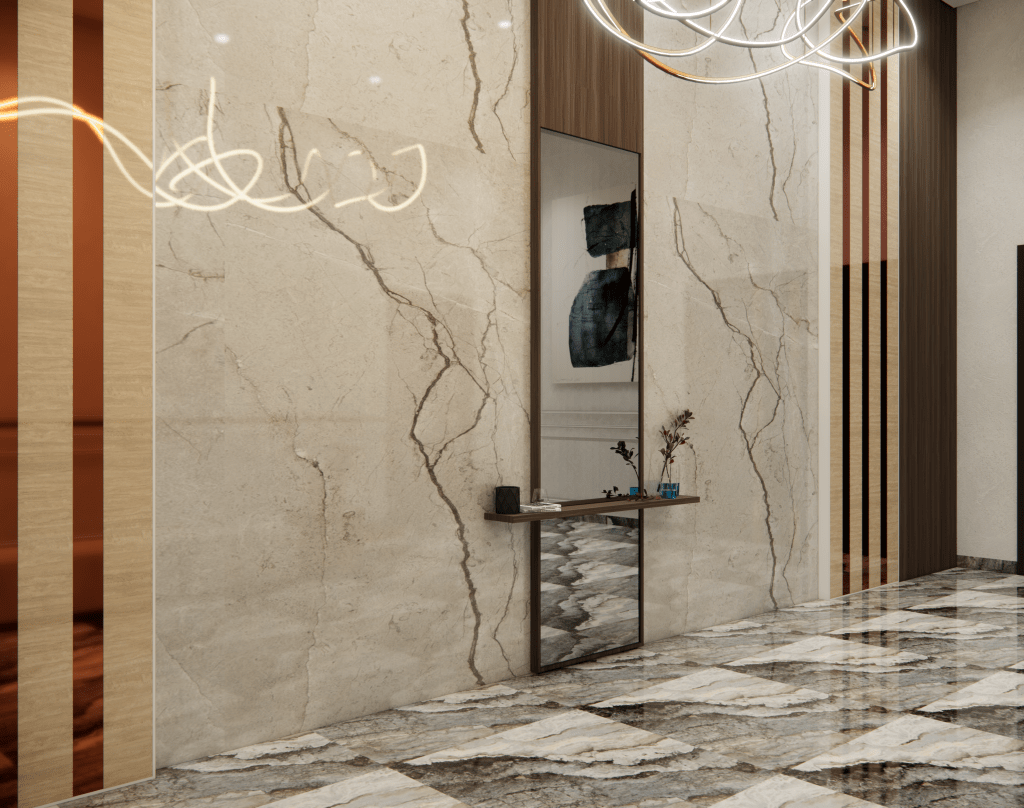
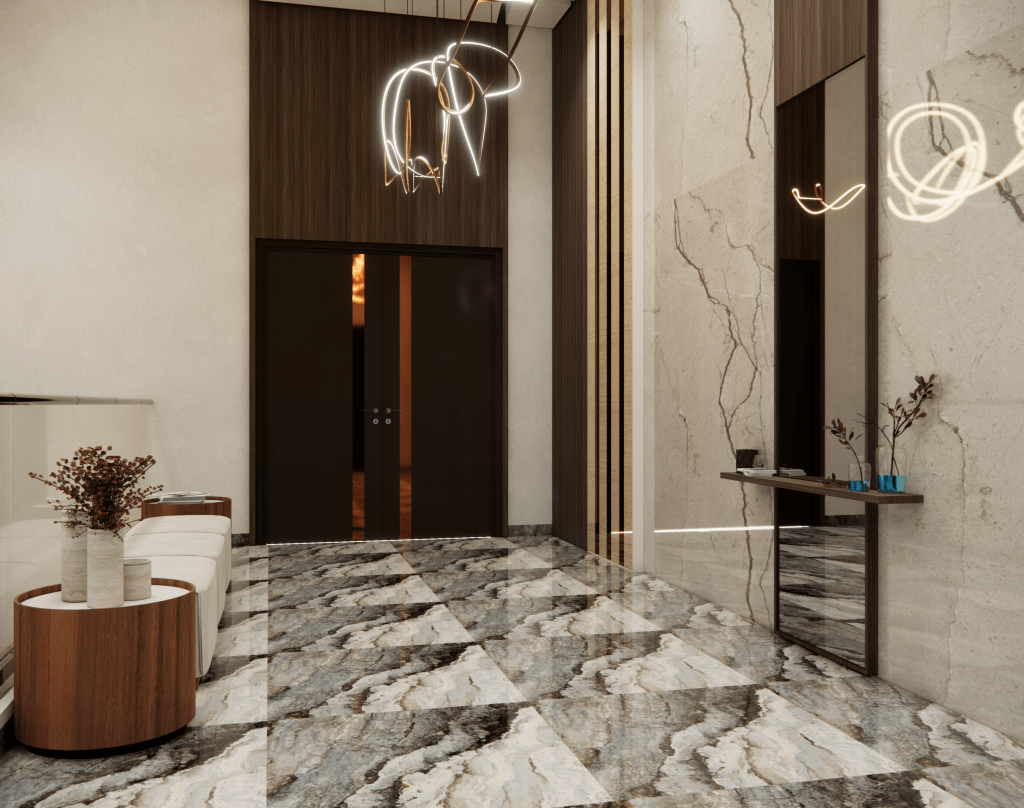
In the lobby/foyer, we’ve designed a welcoming space that serves as the central hub, leading to both the lower floor and the living areas on the ground floor. To create continuity with the rest of the house, we used polished granite as the primary material, which adds a sleek and elegant feel to the space. The glossy surface of the granite enhances the natural light and gives the room a refined, modern edge.
To soften the look and bring warmth, we incorporated wood accents, strategically placed to complement the natural stone. These touches of wood not only balance the sleekness of the granite but also tie in with the minimalist approach seen throughout the home.
For a more contemporary feel, we’ve added mirrors in key locations, which visually expand the space and enhance the modern atmosphere. The mirrors reflect both the natural and artificial light, adding depth and brightness to the foyer, making it feel more open and inviting.
Overall, the design of the foyer blends natural materials with modern elements, creating a sophisticated yet welcoming entrance that seamlessly connects the different sections of the house.
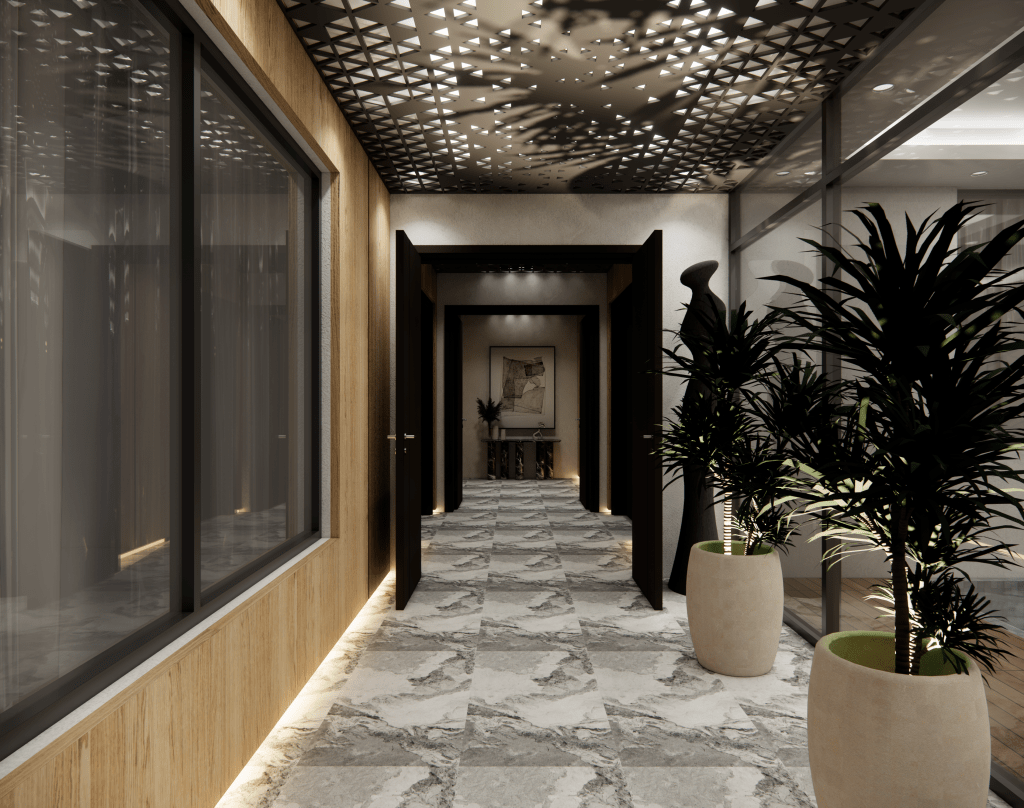
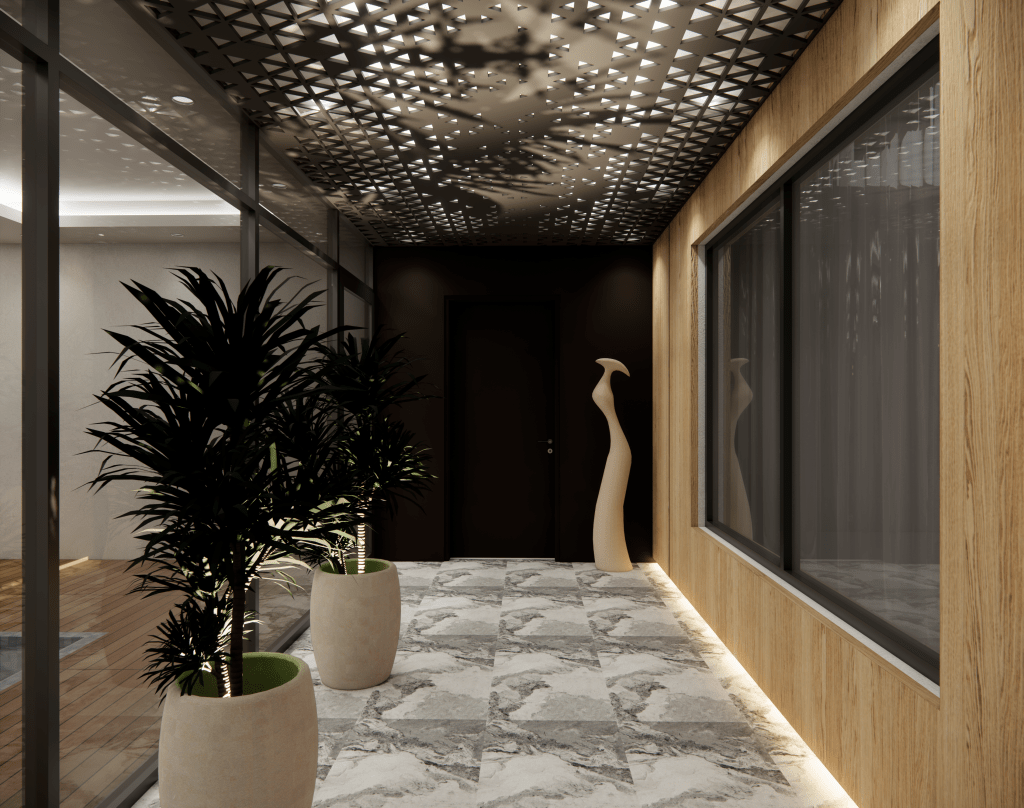
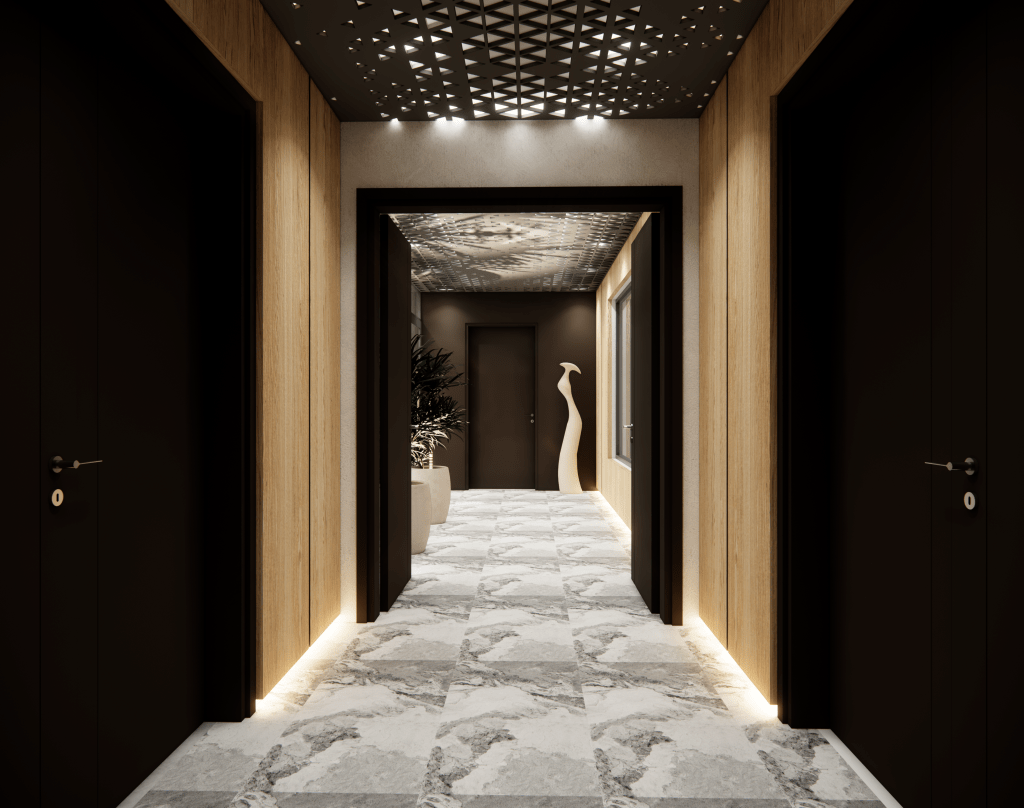
The hallway located at the back of the house serves as a transition between the living room and the lobby, while offering views of the pool and garden outside. This space is designed to provide a serene walking experience, enhanced by the surrounding nature, while maintaining a clean, minimalist aesthetic inside.
The walls are lined with bright-colored wood panels, giving the hallway a warm and inviting feel. The light tone of the wood brings an airy, open atmosphere that complements the natural light pouring in from the large windows overlooking the outdoor area.
The standout feature of this hallway is the secondary ceiling, crafted from a geometric-patterned cut board. This unique element not only draws attention but also allows light to filter through the intricate design, creating dynamic shadows and patterns on the walls and floor. The result is an engaging play of light that changes throughout the day, offering a visually stimulating experience as you walk through the space.
The combination of natural wood and the artistic ceiling design ensures that the hallway feels modern yet connected to the outdoors, while the geometric patterns provide a subtle sense of movement and rhythm to the overall design. This hallway isn’t just a passage, but a moment of interaction with the surrounding architecture and nature.
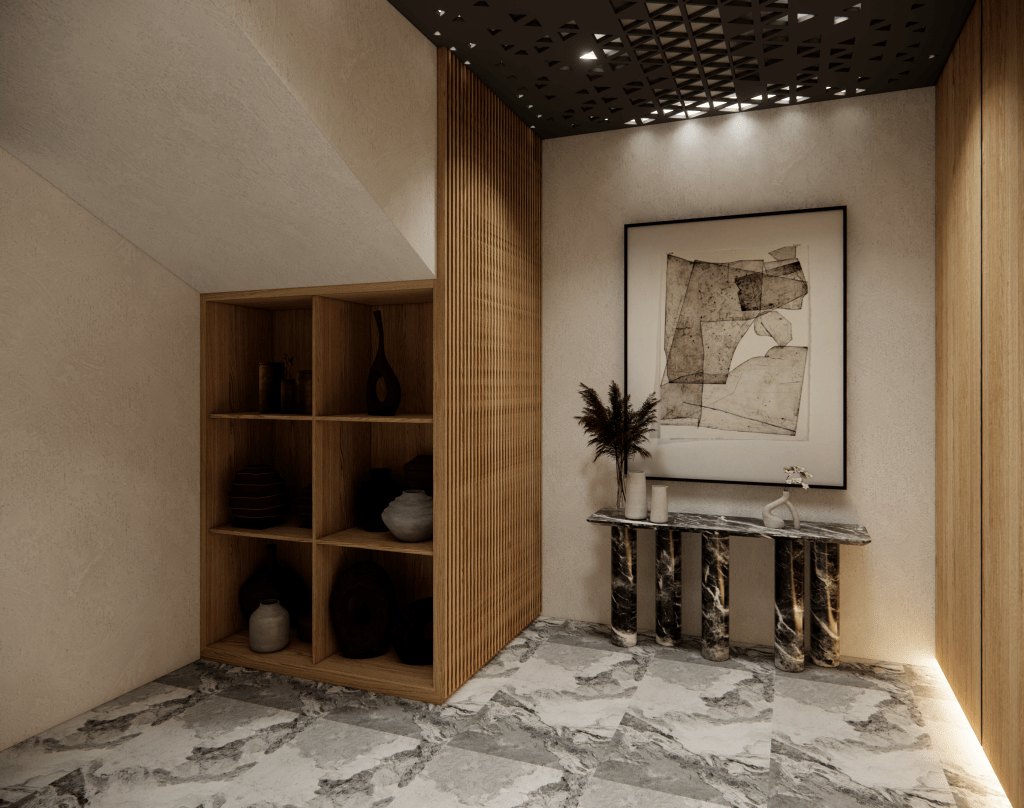
At the end of the hallway, we created a stylish finishing touch with built-in cabinets under the stairs, designed using warm wood tones that blend seamlessly with the rest of the hallway’s aesthetic. These cabinets offer functional storage while maintaining a clean, minimalist look, ensuring the design remains uncluttered.
In front of the cabinets, we placed a sleek table with a marble-patterned surface, adding a touch of luxury and contrast to the wood elements. The marble’s natural texture complements the surrounding materials while introducing a refined elegance to this transitional space.
Behind the table, a white-painted wall serves as a neutral backdrop, accentuated by a carefully selected painting. This artwork not only brings color and personality into the space but also breaks the simplicity of the white wall, adding visual interest without overwhelming the minimalist design. The combination of wood, marble, and art creates a sophisticated and balanced ending to the hallway, ensuring it feels complete and thoughtfully designed.
 Oneiros atelier