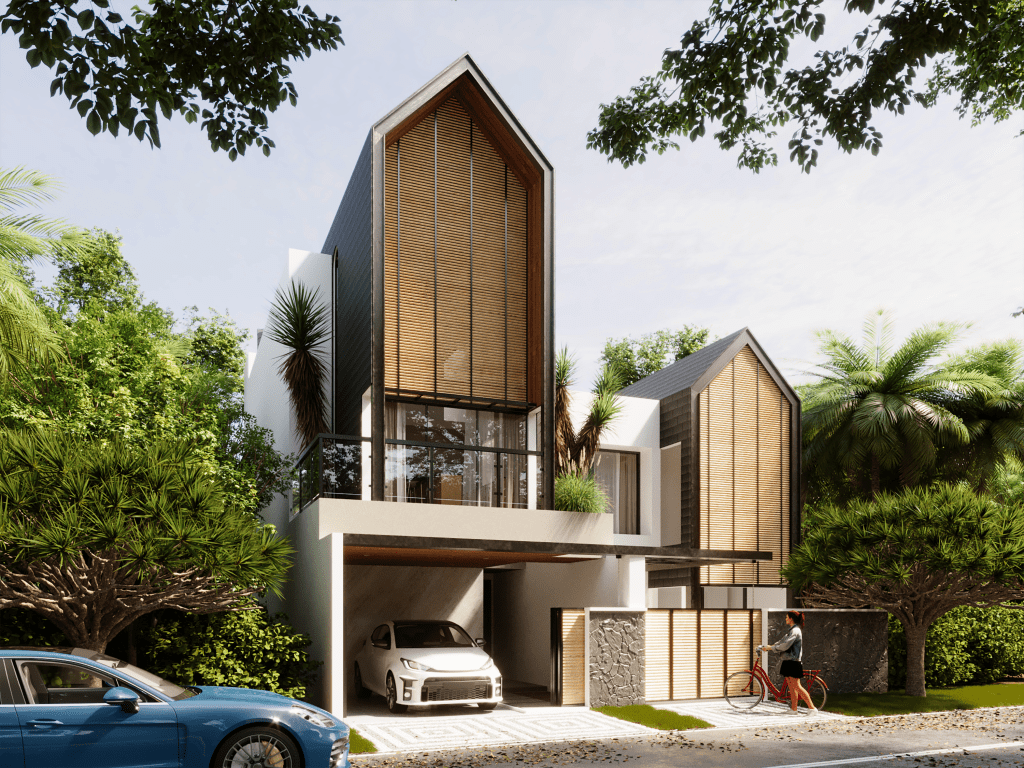
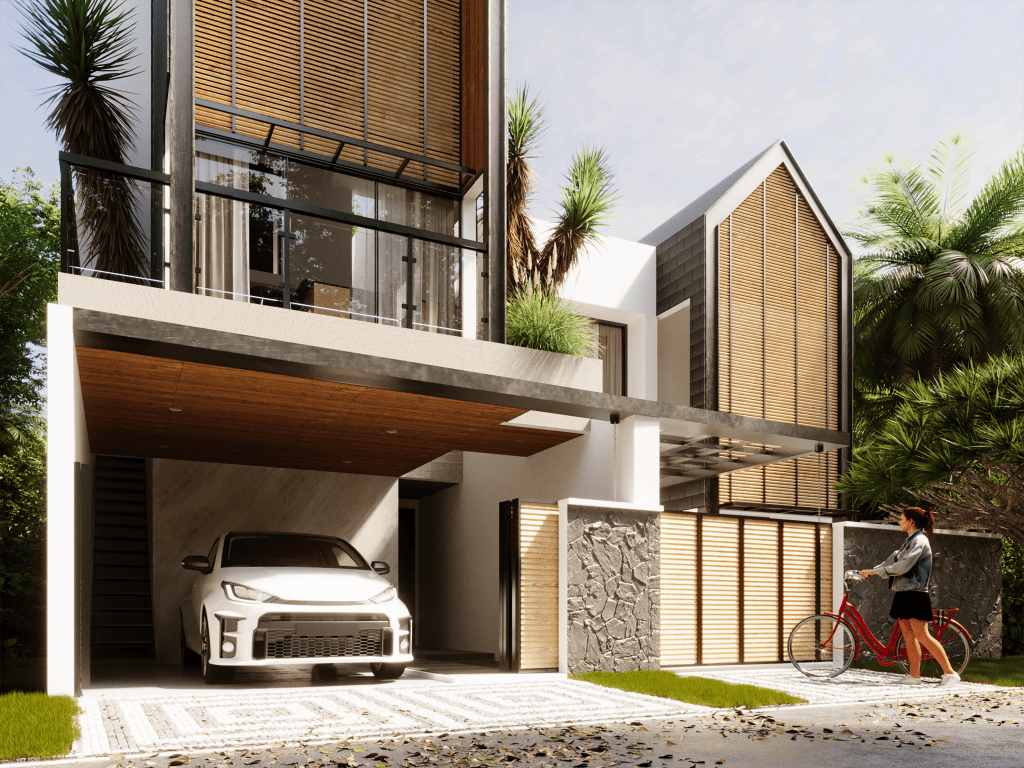
In today’s dynamic world, the boundaries between living and working are increasingly blurred. This has led to a rise in hybrid architectural designs. A three-story hybrid house office caters to modern needs for functional spaces. It allows for seamless transitions between personal and professional lives. Here’s how architectural principles and innovative design come together to create an inspiring and efficient environment.
Balancing Form and Function
The key to a hybrid design is striking the right balance between functionality and aesthetic appeal. For a three-story house-office, each level must serve its purpose while maintaining harmony:
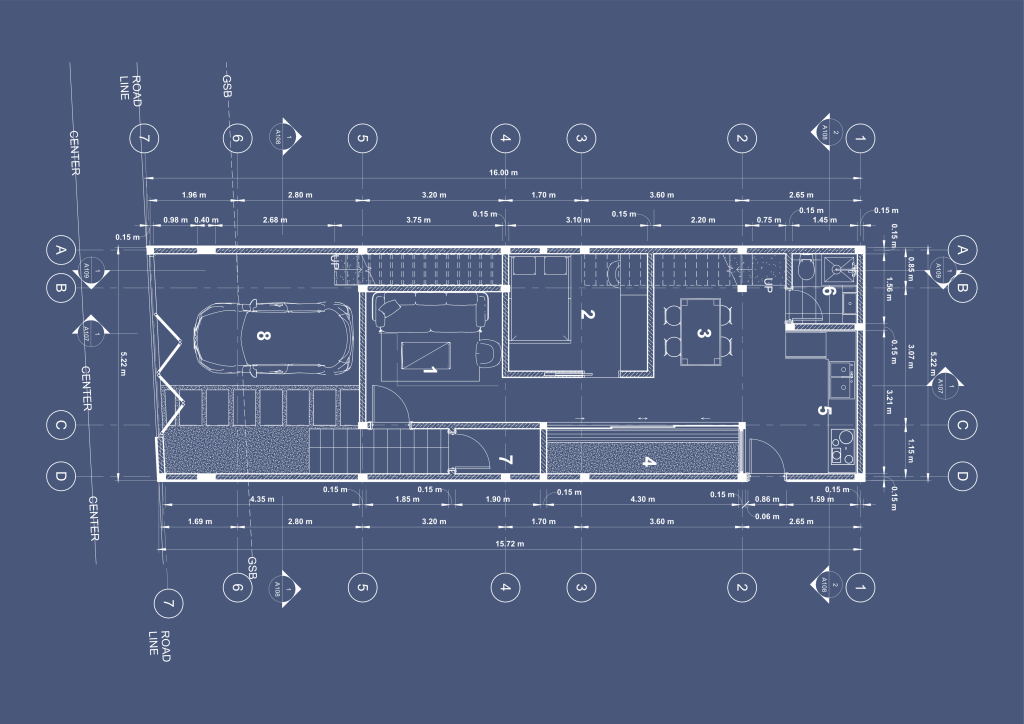
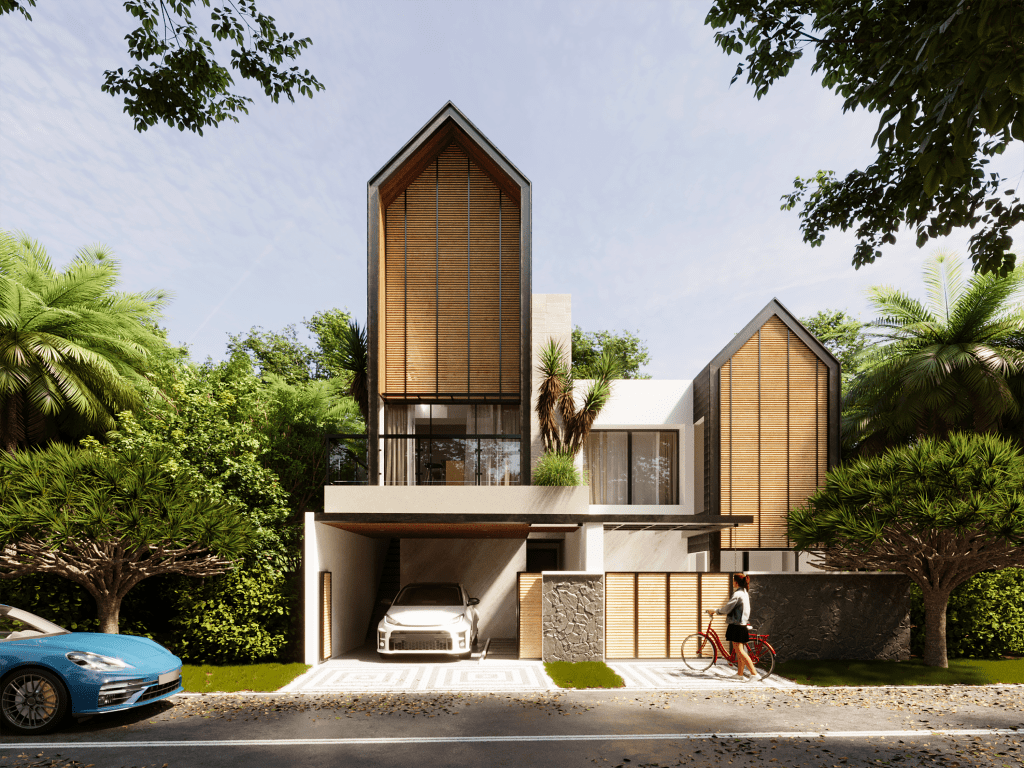
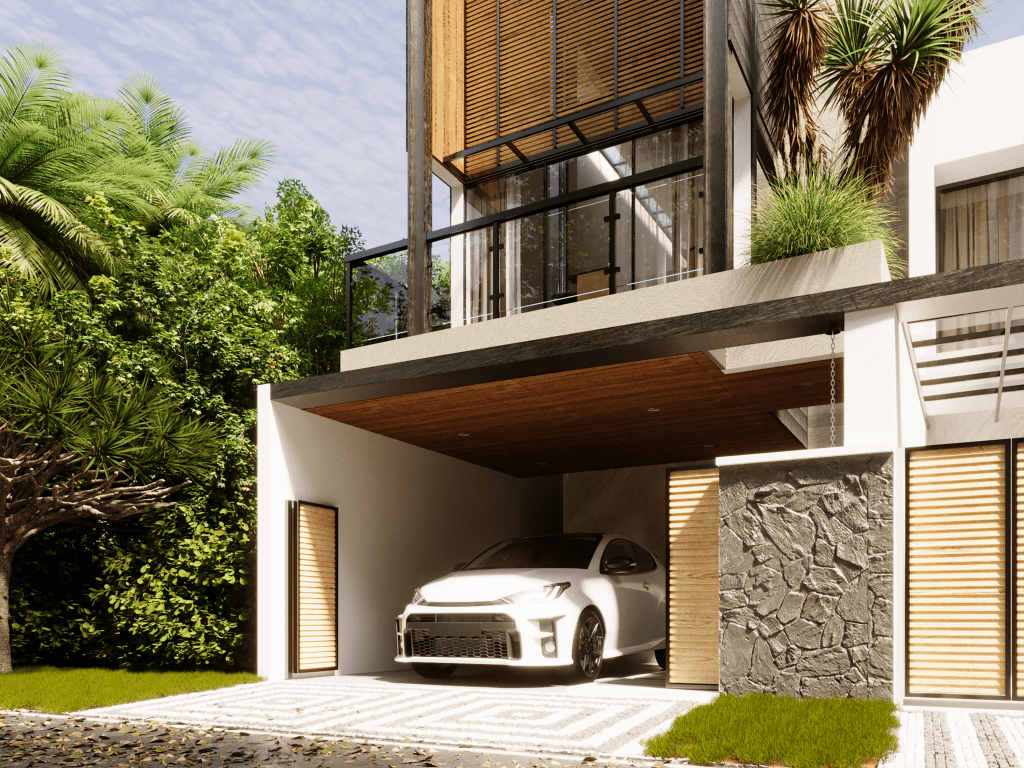
- Ground Floor: The entryway and shared spaces like a reception or meeting room should make an excellent first impression. Ample natural light and inviting materials, like wood or stone, create warmth while maintaining professionalism.
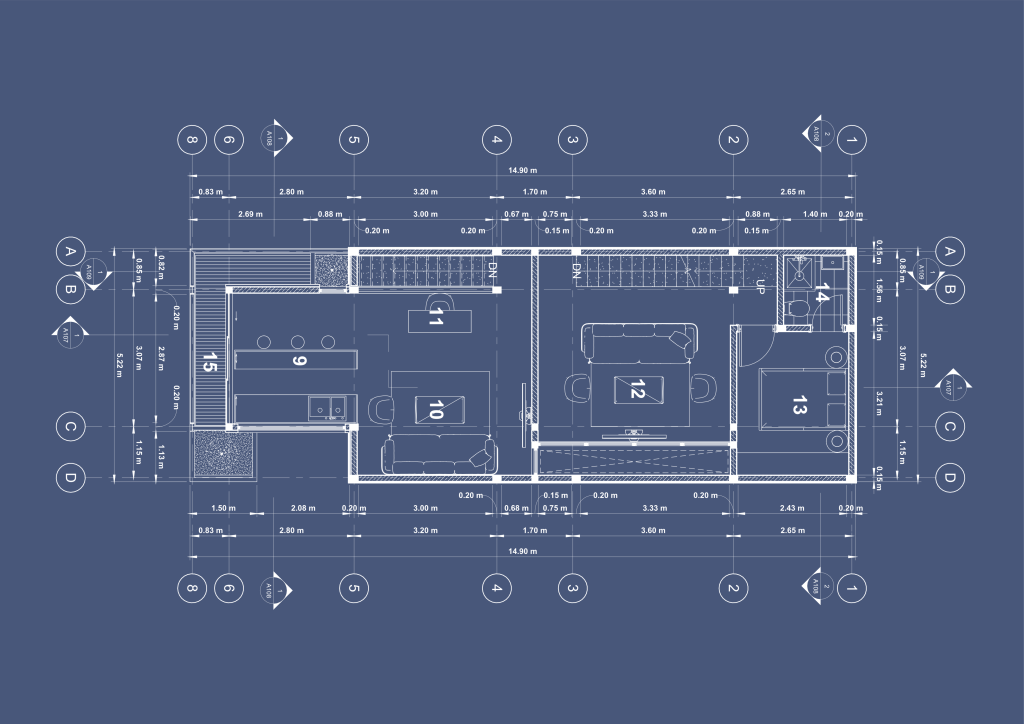
- Second Floor: This level is ideal for office functions—private workspace, team collaboration areas, and a small pantry. To guarantee productivity, acoustically treated walls, and ergonomic designs are a must.
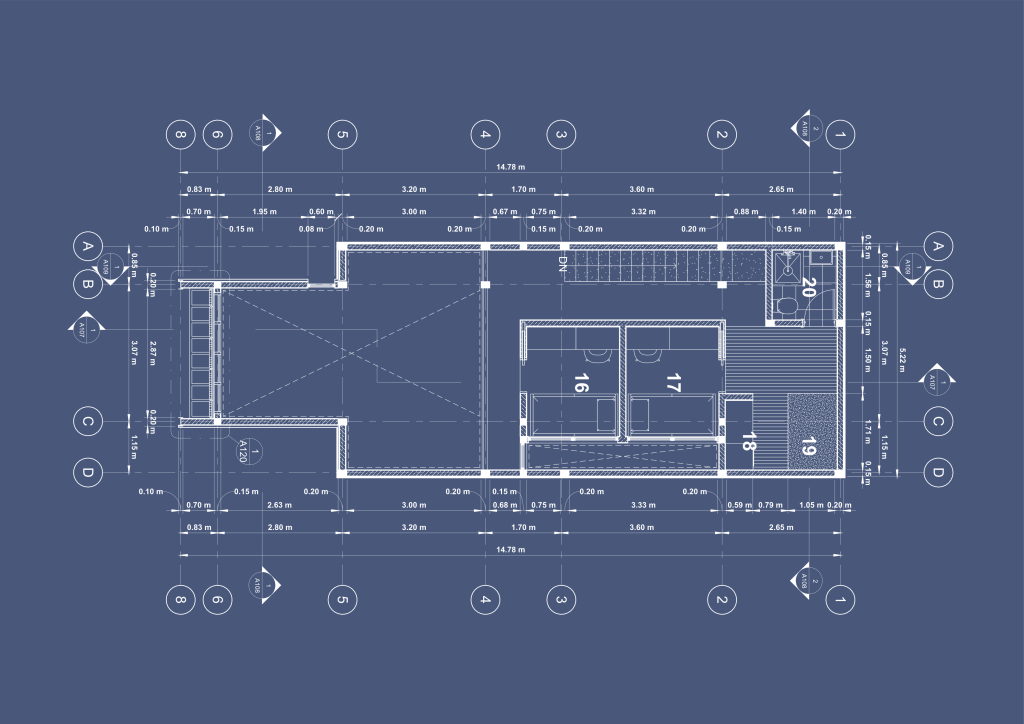
- Third Floor: Reserved for residential spaces, this level offers privacy. Comfortable bedrooms, a living area, and a small terrace create a sanctuary away from the hustle of work.
Efficient Space Zoning
Separating public and private zones is essential in a hybrid design. This can be achieved with:
- Dedicated Entrances: Separate doors for the office and home areas ensure privacy and smooth access for clients.
- Vertical Partitioning: Using the natural separation of floors prevents overlapping noise and activity between zones.
- Flexible Layouts: Multi-functional rooms, such as a guest room doubling as a home office, provide adaptability for future needs.
Aesthetic and Cultural Sensitivity
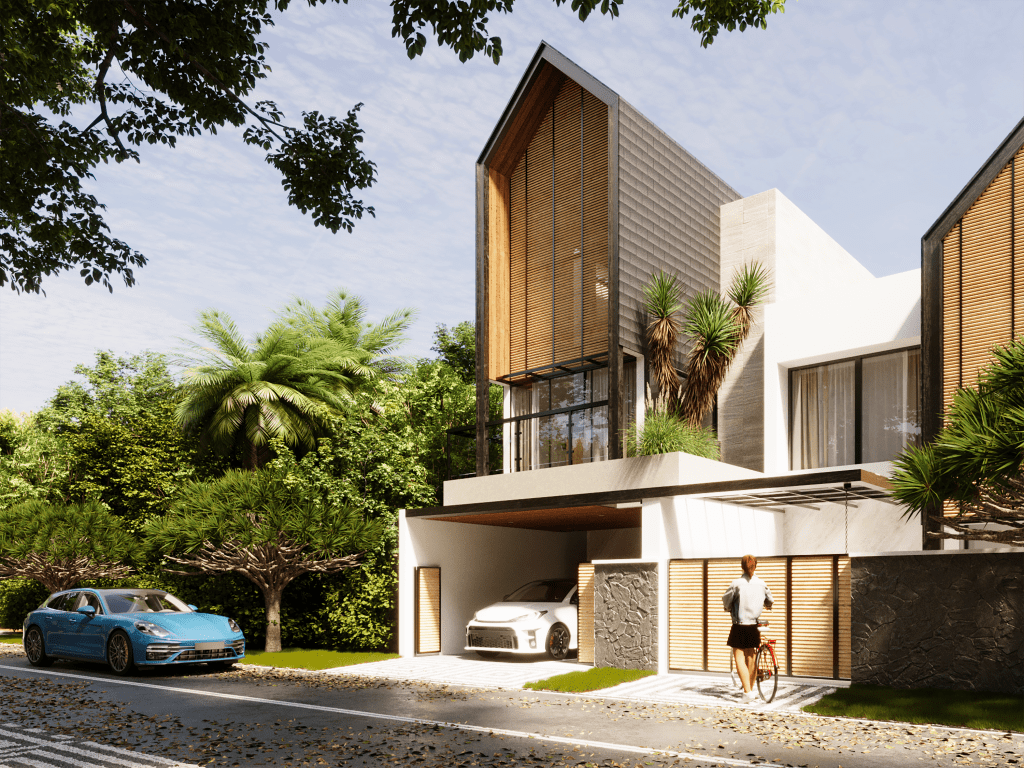
Incorporating local architectural elements can create a unique character. For example, in Indonesia, blending Scandinavian simplicity with Javanese accents—such as batik-inspired wall art or traditional joglo rooflines—can produce a design that resonates culturally and remains contemporary.
Sustainability as a Priority
Eco-friendly practices enhance the appeal and functionality of hybrid spaces. Here are some sustainable design strategies:
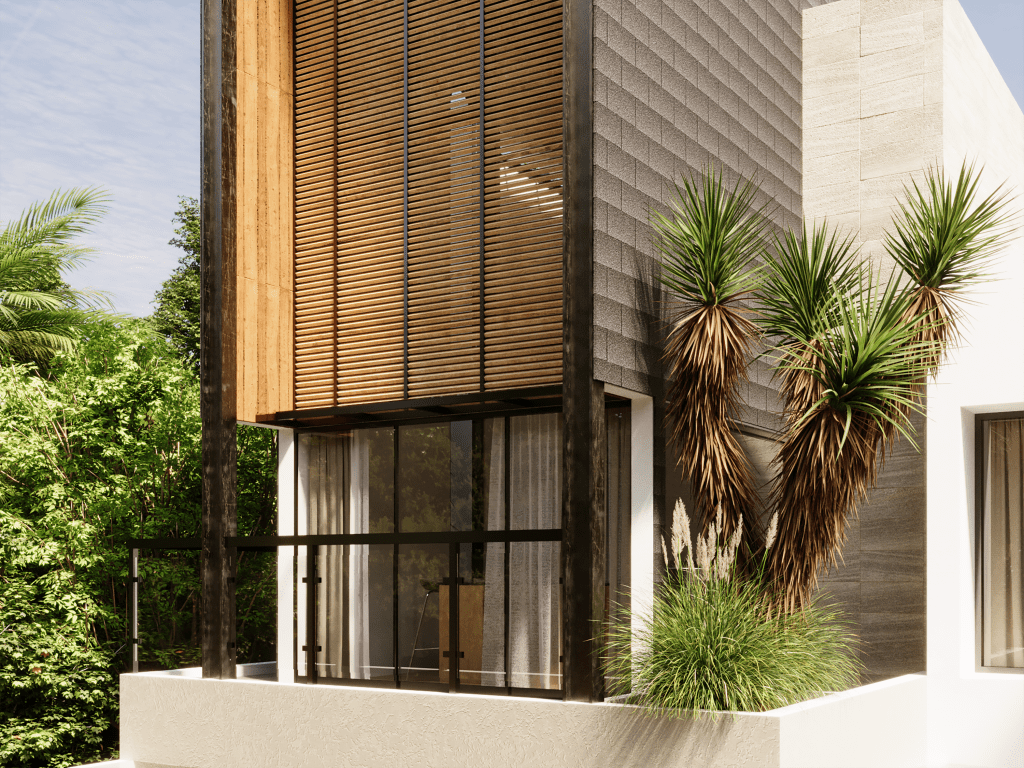
- Passive Cooling and Lighting: Large windows and cross-ventilation reduce the need for artificial climate control.
- Green Roof or Terrace Garden: A rooftop garden adds insulation, reduces heat, and creates a relaxing escape.
- Recycled Materials: Incorporating recycled wood or repurposed bricks adds charm while minimizing the environmental footprint.
Technology Integration
Smart systems make hybrid living more efficient. Automated lighting, temperature controls, and security systems enable a seamless transition between living and working environments. Video conferencing facilities, high-speed internet, and ergonomic furniture ensure the office area meets modern demands.
Conclusion
Designing a three-story hybrid home-office is both an art and a science. By blending form, functionality, and sustainability, architects can create spaces that inspire productivity and promote well-being. Whether it’s for entrepreneurs, freelancers, or small business owners, a well-thought-out hybrid design transforms the way we live and work.
Ready to turn your dream hybrid space into reality? Let us help you design a house-office tailored to your lifestyle and needs.
 Oneiros atelier
Leave a comment