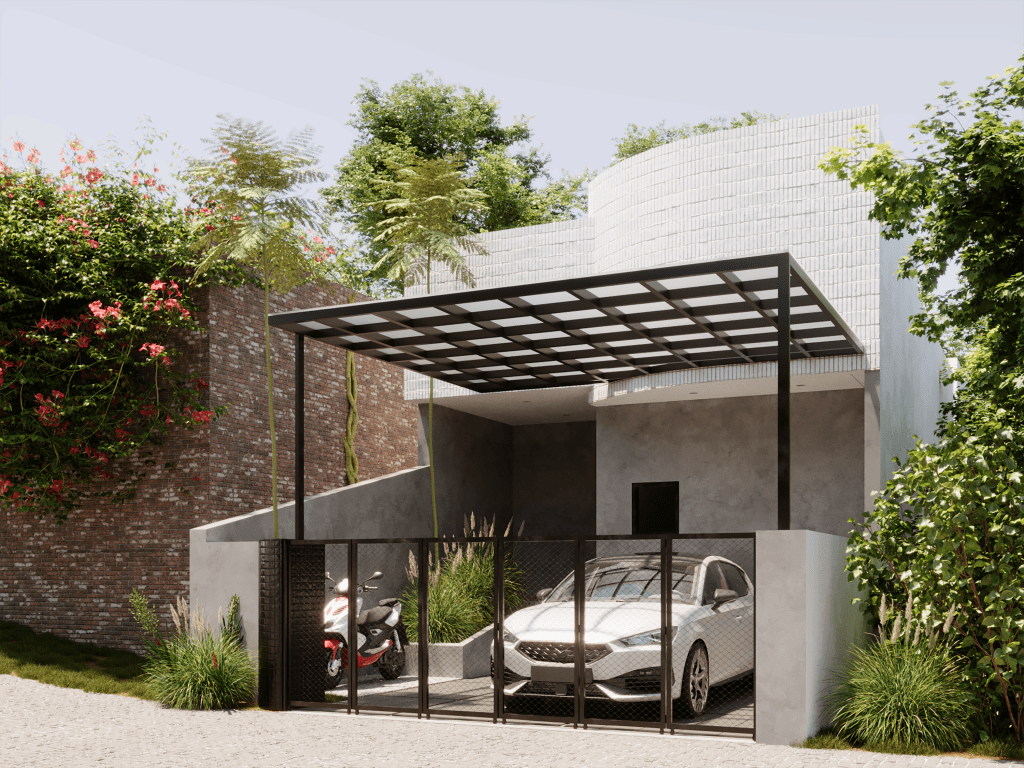
In recent years, minimalist architecture has risen as a timeless trend in residential design. This one-story house exemplifies the monochrome minimalist concept, embracing simplicity, functionality, and elegance while respecting its natural surroundings. Let’s take a closer look at how this design balances modernity and practicality.
Design Philosophy
The monochrome minimalist concept strips architecture to its essentials. This house reflects a blend of neutral tones—primarily whites, grays, and blacks. These colors, combined with clean lines and a focus on open spaces, foster an aesthetic that feels calming yet sophisticated.
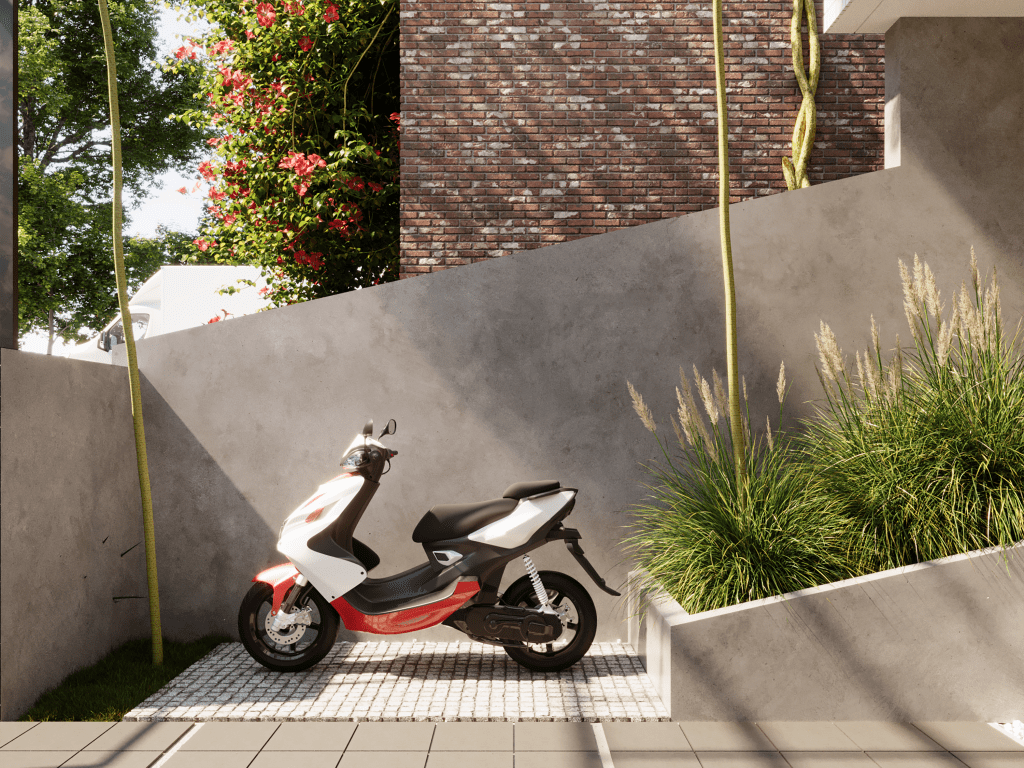
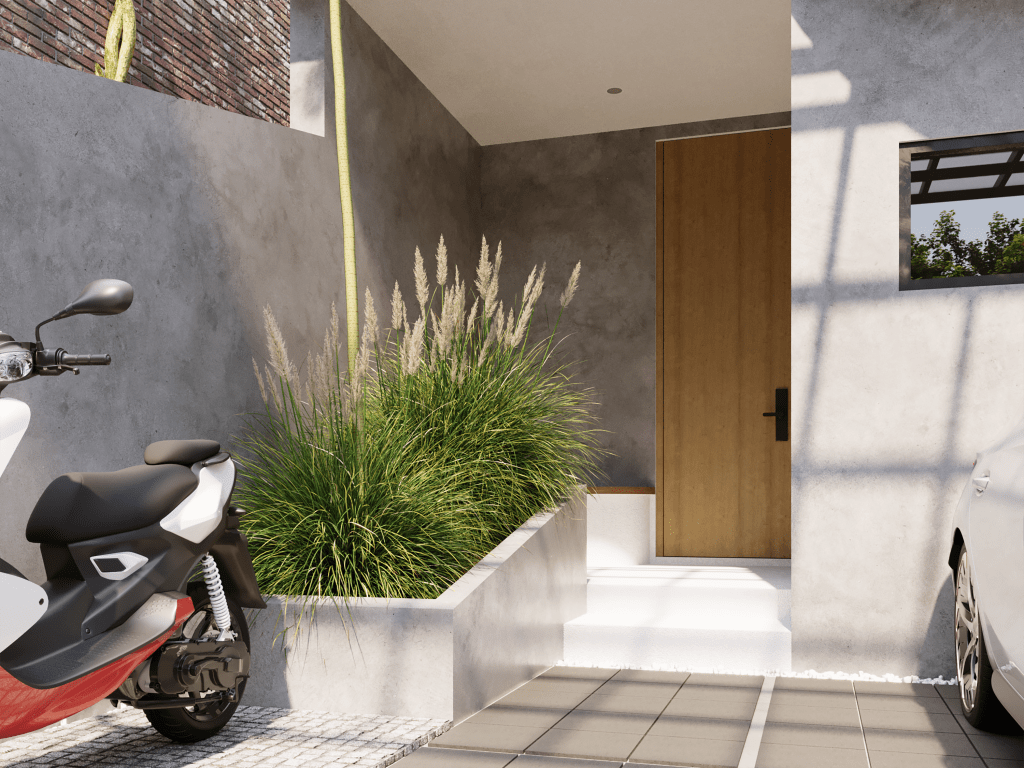
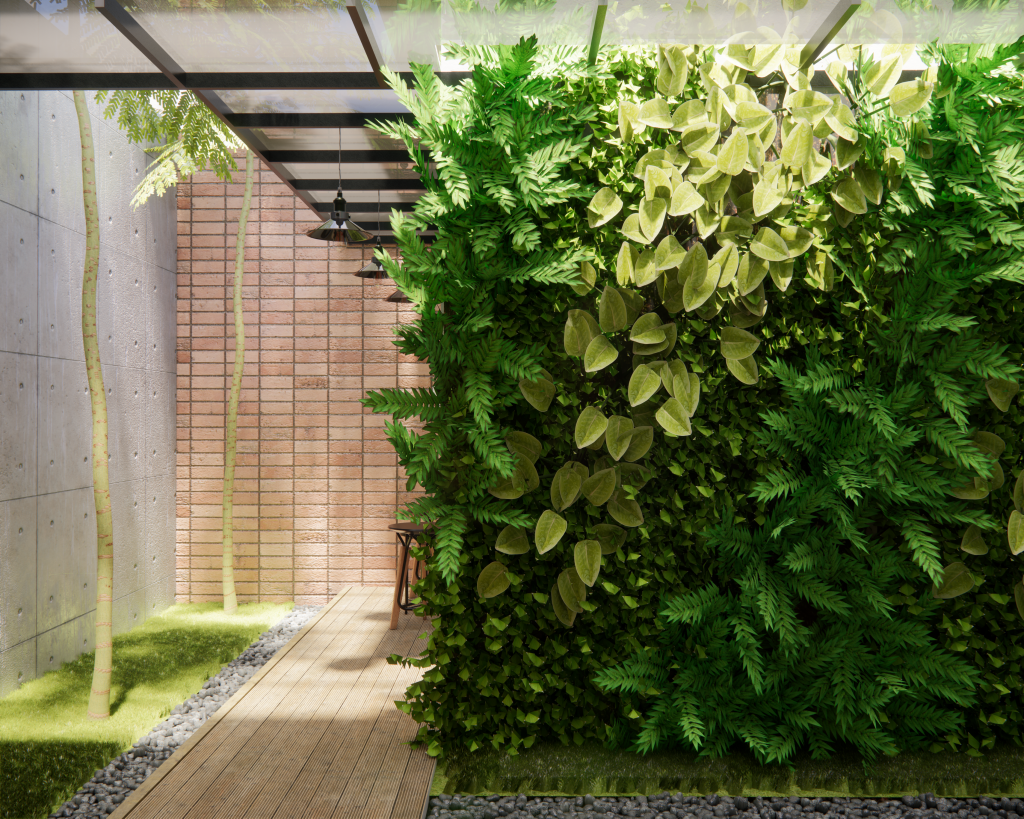
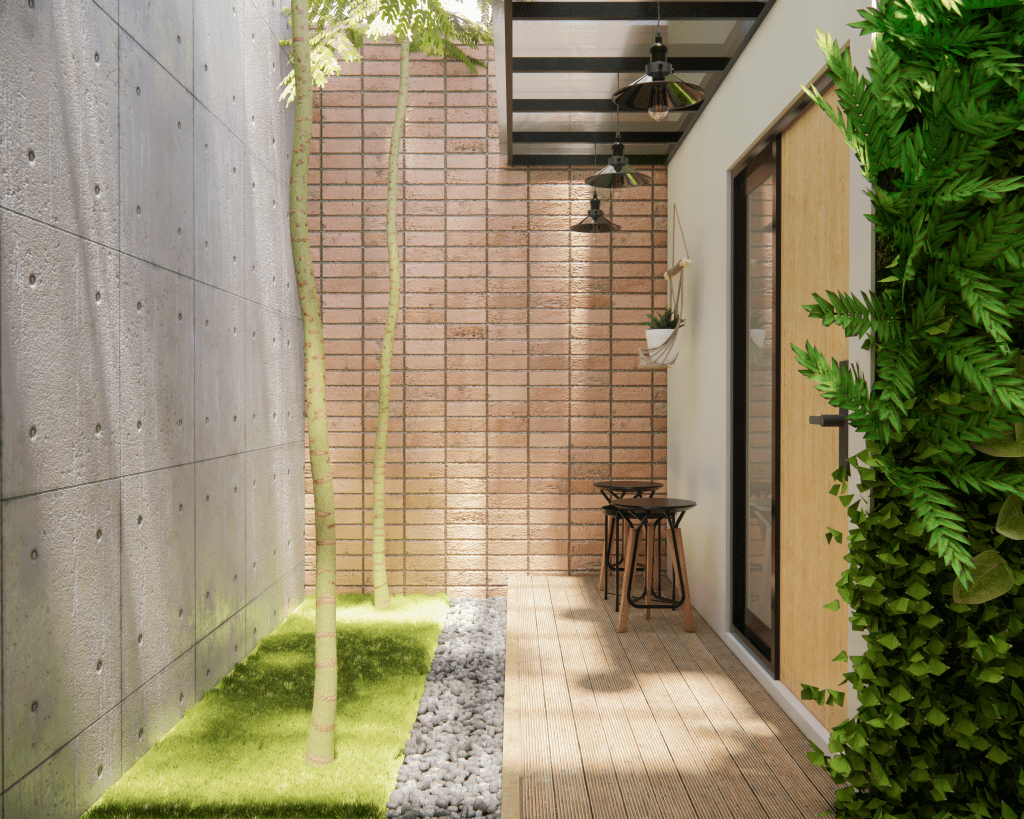
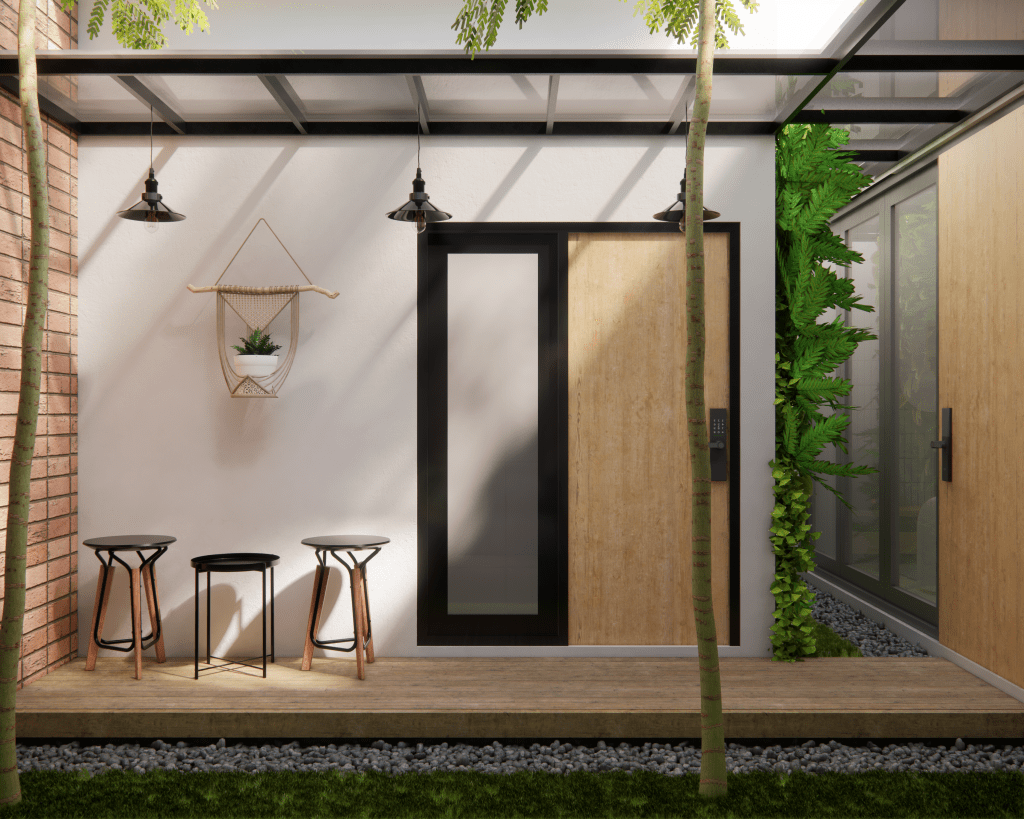
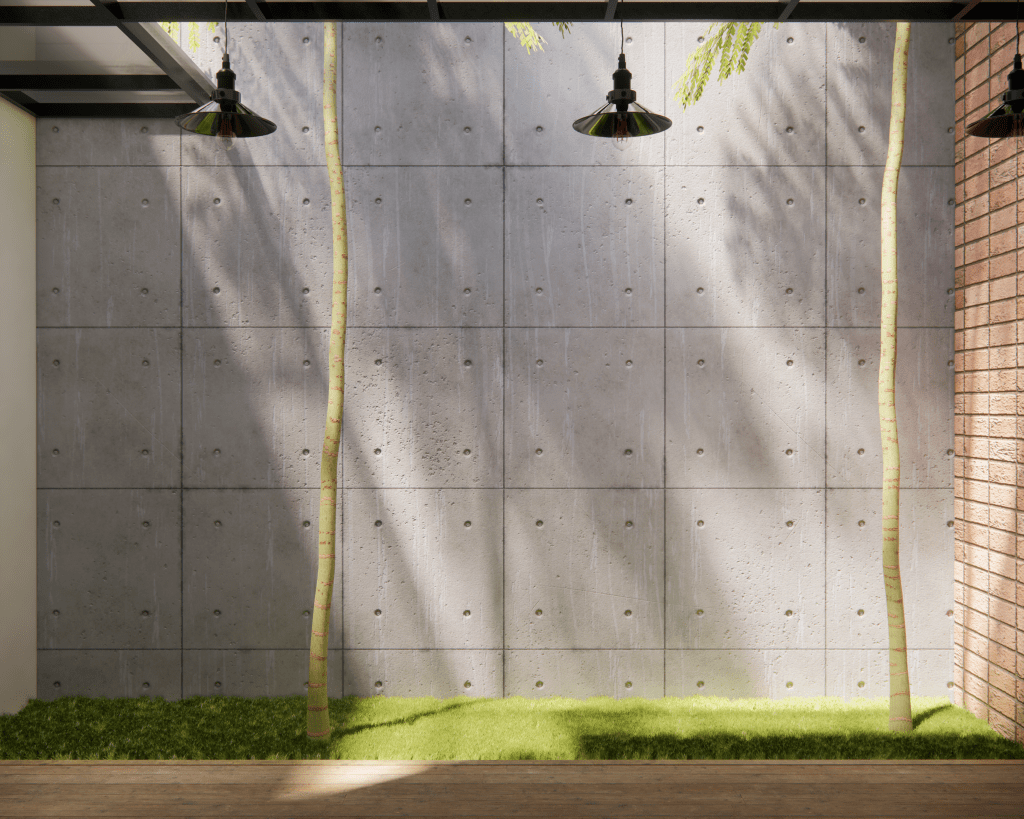
This particular design uses materials such as raw concrete, bricks, and metal, emphasizing texture over color. The subtle interplay of natural light with these materials enhances the minimalist tone without appearing dull or lifeless.
Key Features of the Design
- Sleek Exterior
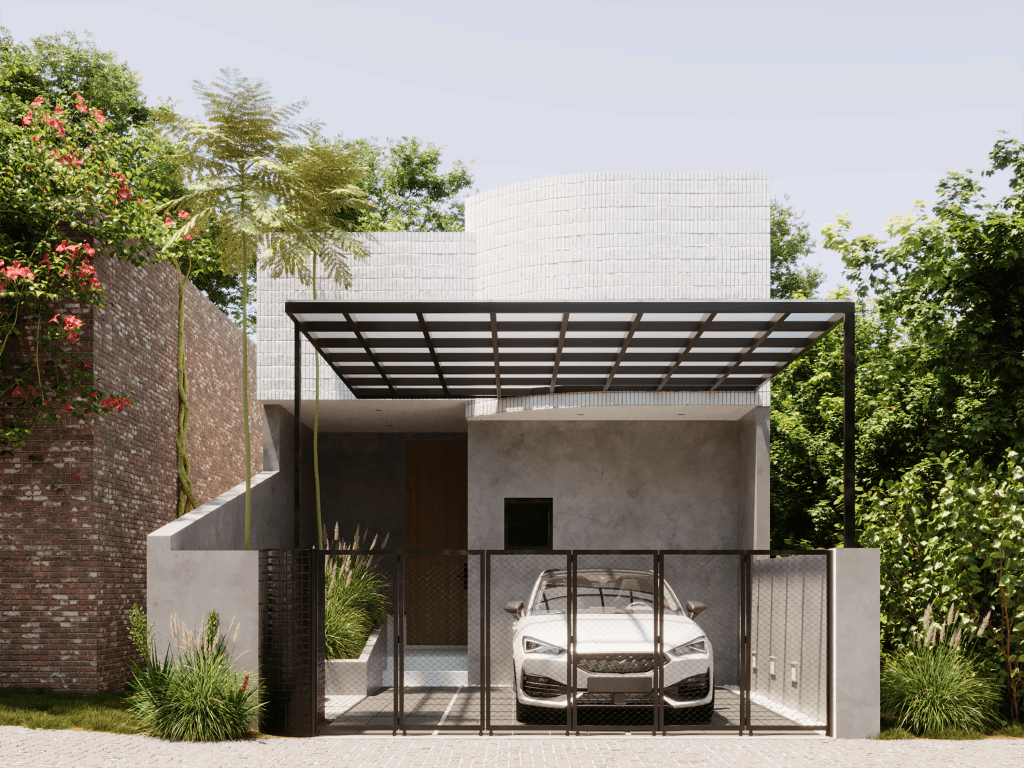
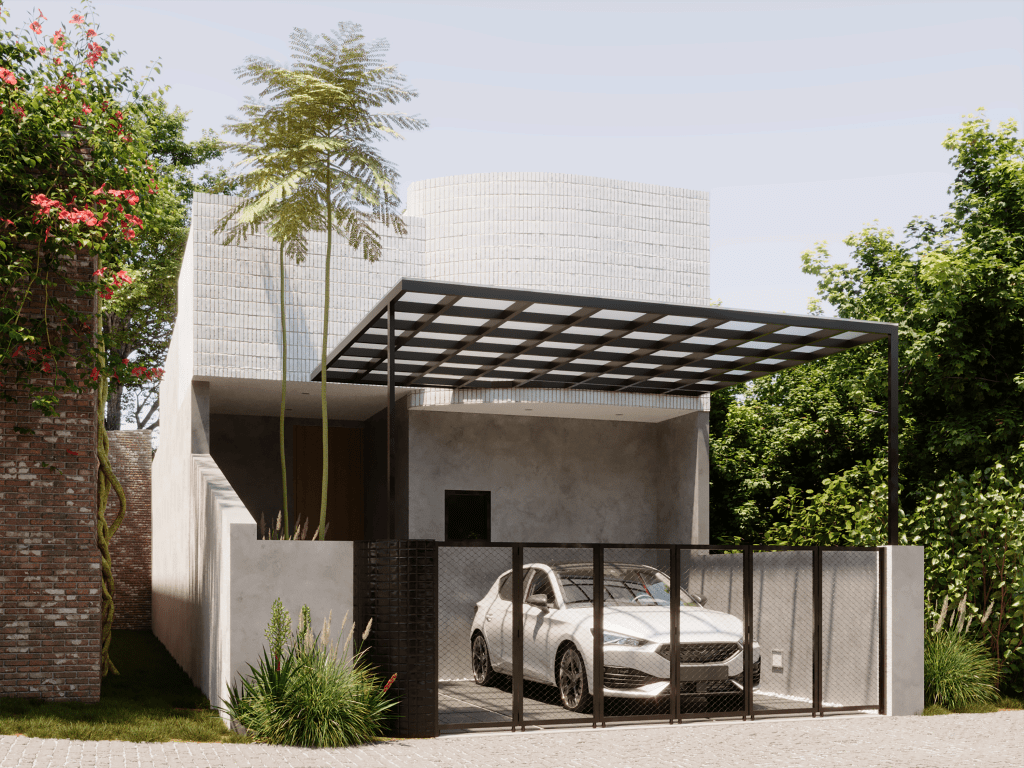
The house features a façade that combines raw concrete walls and a grid-patterned carport canopy. The black metal accents on the fence and roof structure provide a stark contrast, reinforcing the monochrome palette. Landscaping with lush greenery and minimalist plant arrangements softens the starkness, blending modernity with nature. - Open Layout
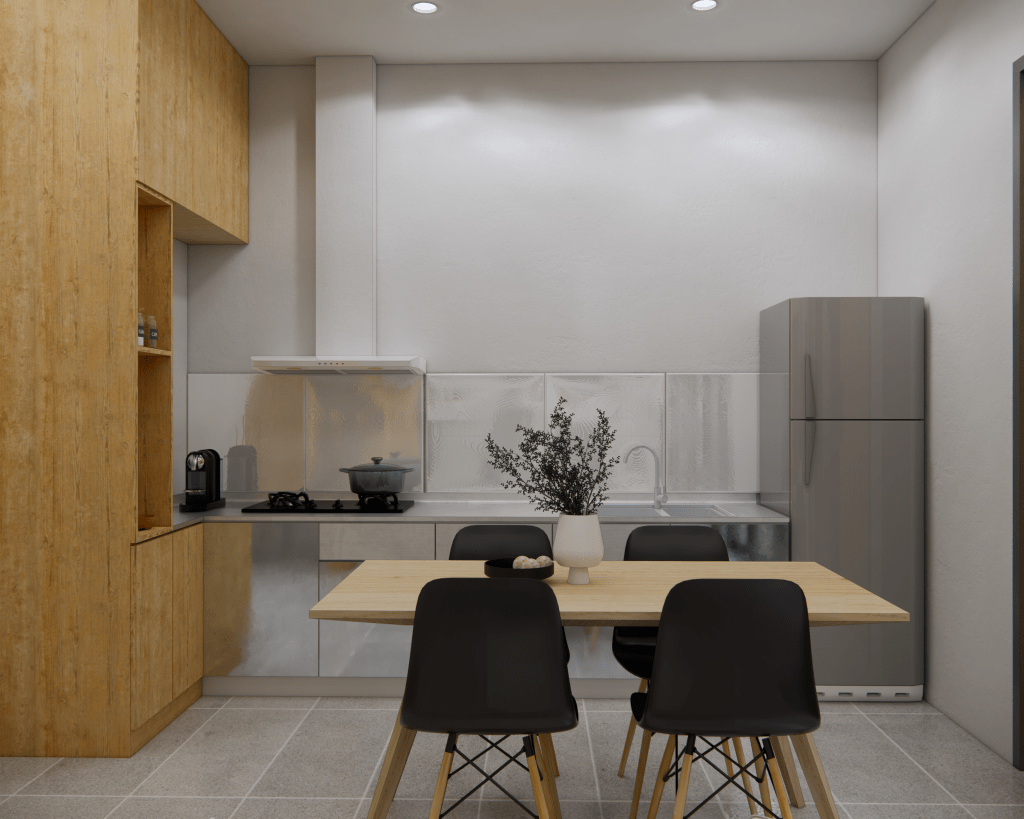
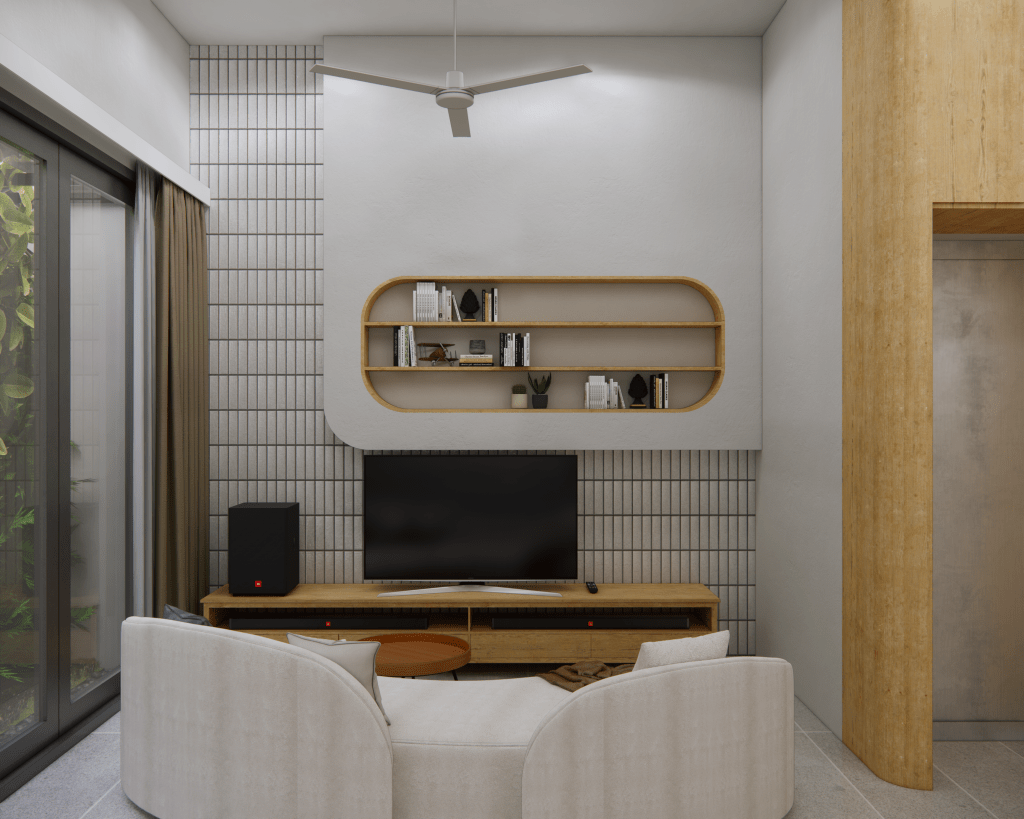
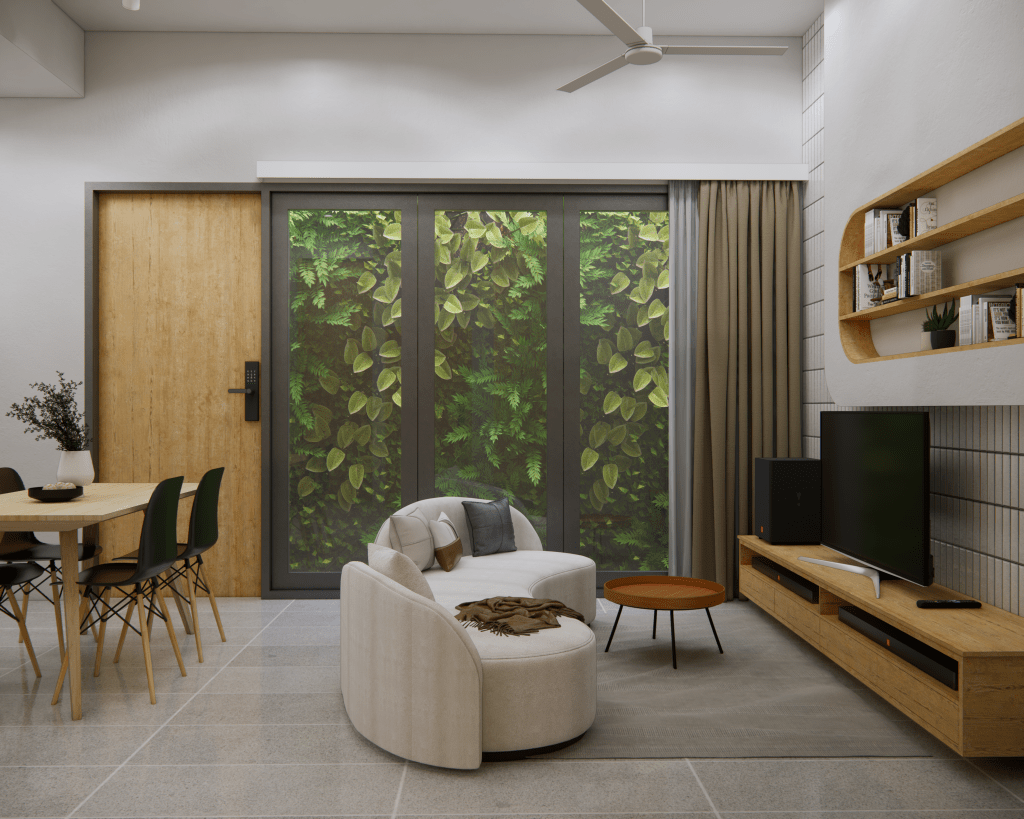
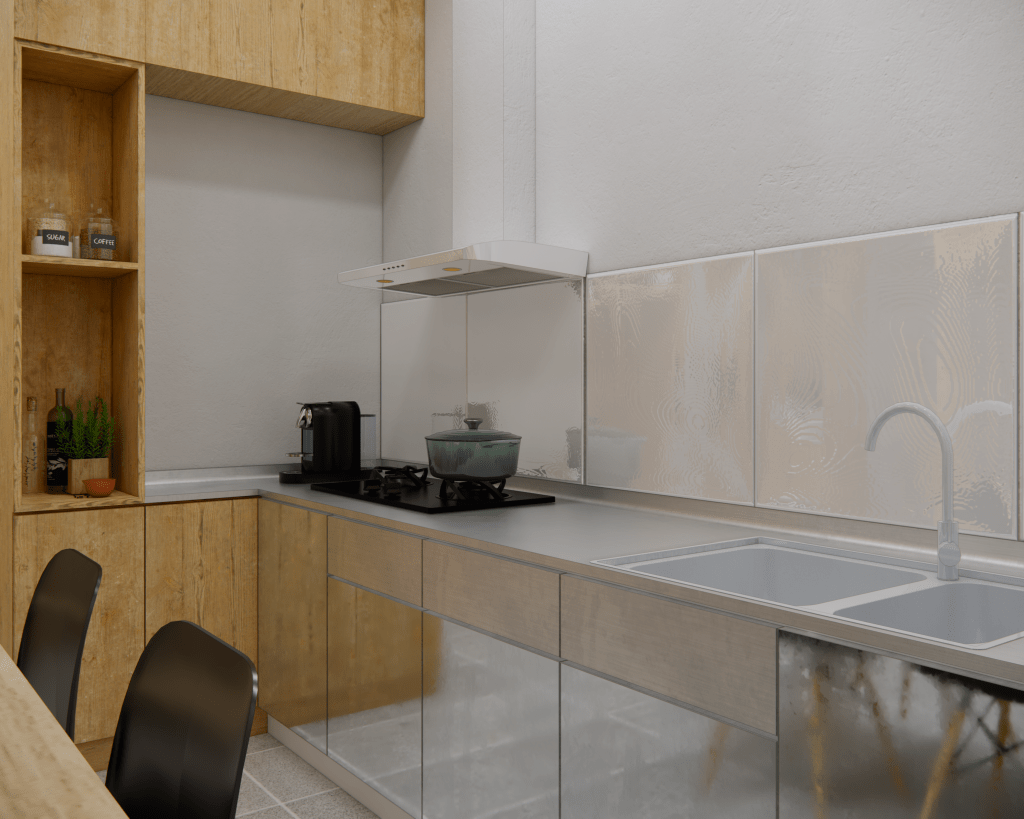
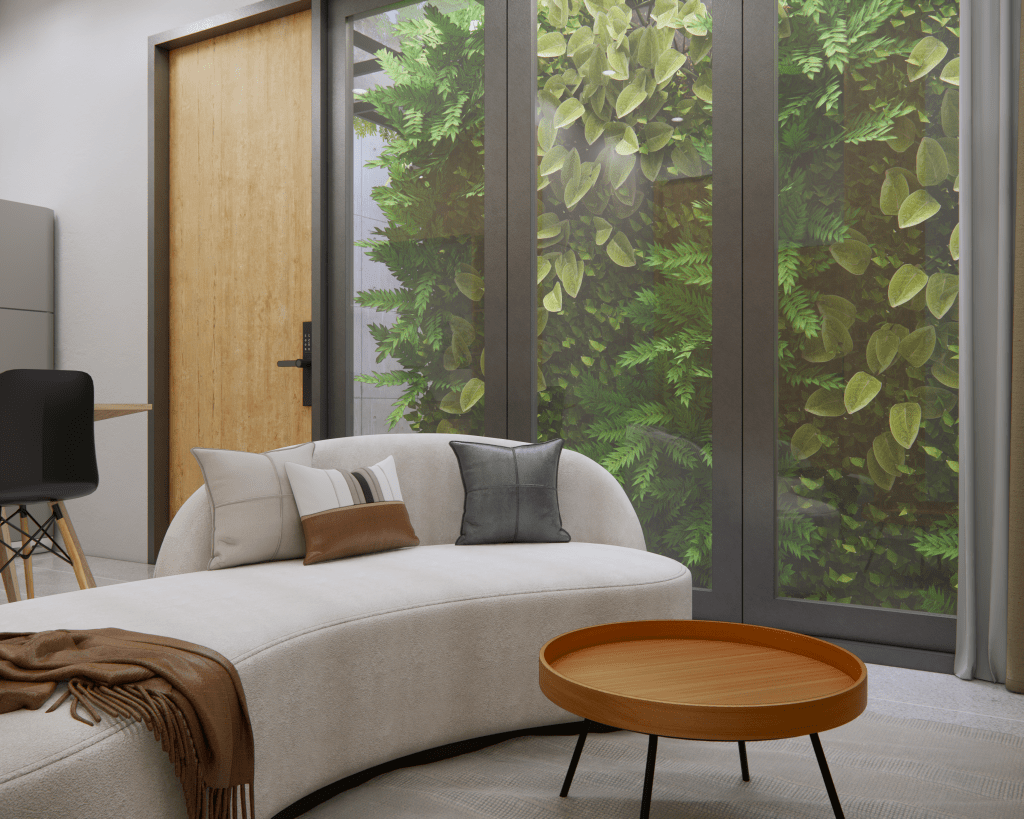
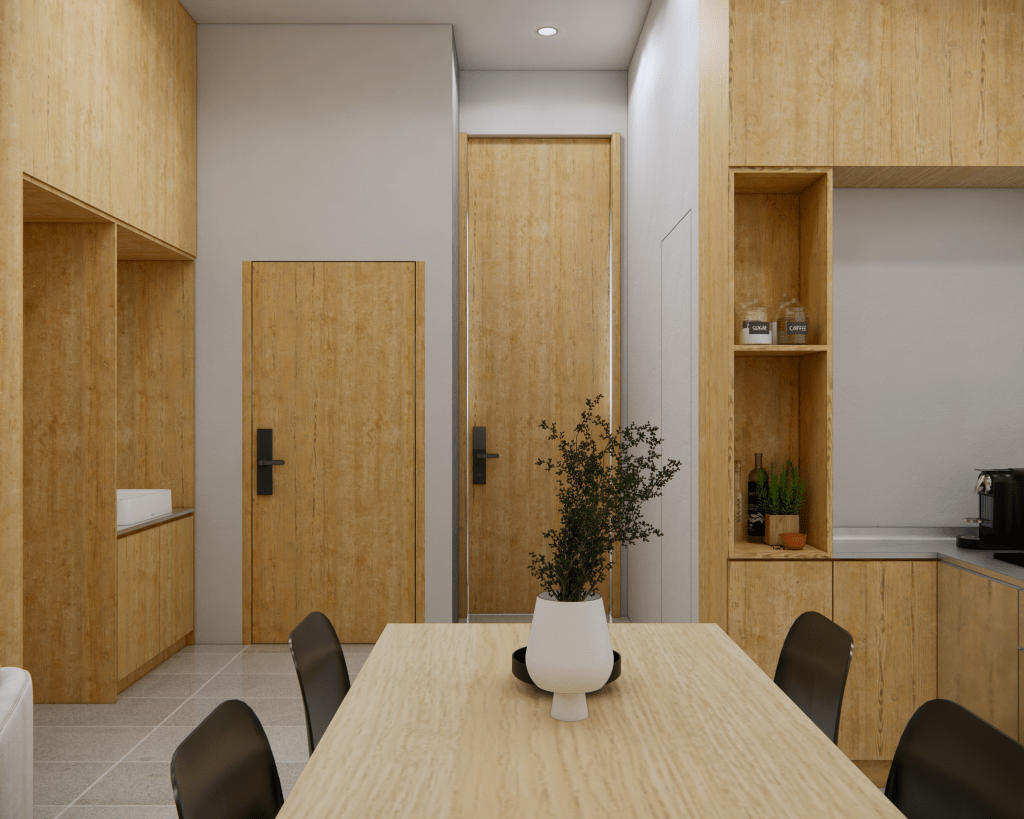
While the exterior appears modest, the interior prioritizes space optimization. Open floor plans are a hallmark of minimalist design, ensuring that every square meter serves a purpose. Large glass panels invite natural light, creating an airy and welcoming ambiance. - Functional Carport
The carport is designed with both aesthetics and functionality in mind. The transparent roofing material allows sunlight to filter through, ensuring the space feels open while providing protection for vehicles. - Sustainable Design
Sustainability is a critical part of minimalist architecture. This house integrates passive cooling techniques, like cross-ventilation and the strategic placement of windows, reducing the need for artificial cooling. The materials used—brick and concrete—are durable and low-maintenance, adding to the building’s eco-friendliness. - Minimal Ornamentation
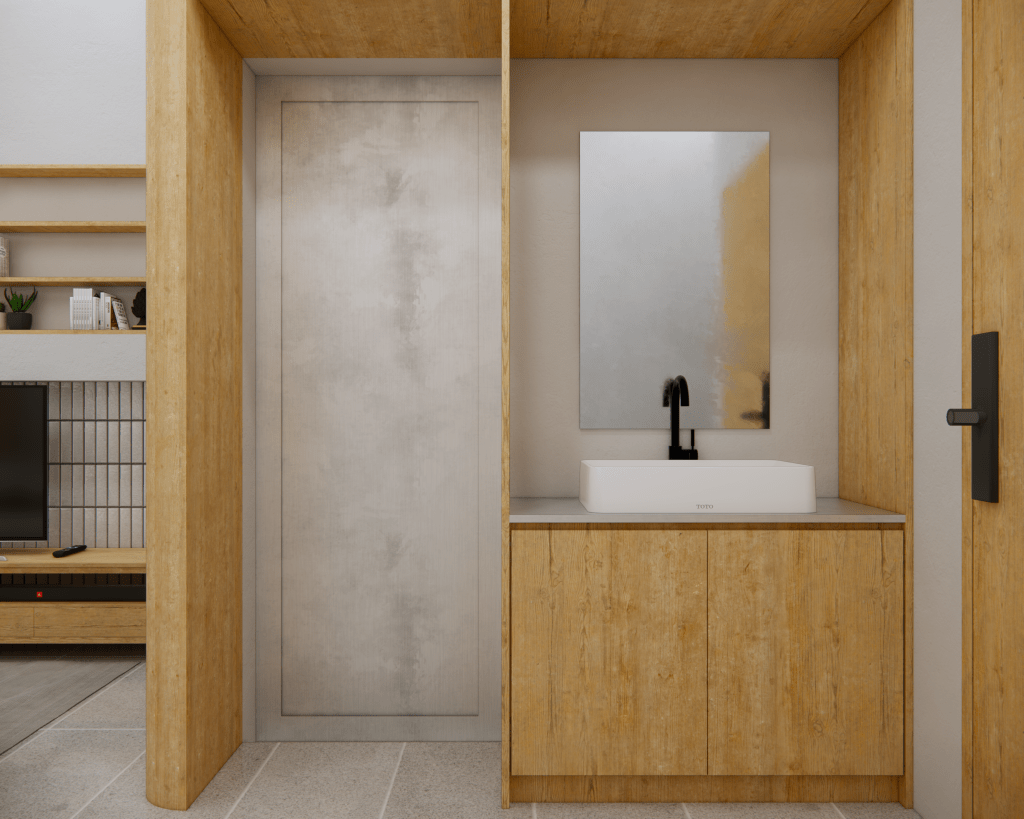
True to its minimalist roots, the house avoids unnecessary embellishments. Instead, it focuses on structural details and finishes, such as the vertical grooves on the concrete wall and the brick accents that subtly break the monotony.
Why Monochrome Minimalism?
The monochrome minimalist concept appeals to those who value simplicity, organization, and a clutter-free lifestyle. The neutral tones provide flexibility for interior decor, allowing homeowners to personalize the space with furniture or art without overwhelming the design.
This house also caters to urban dwellers seeking a retreat from the chaos of city life. Its clean design provides a sense of calm, making it a perfect sanctuary.
Conclusion
This one-story house showcases how minimalist architecture can be both functional and stylish. With its monochrome palette, raw materiality, and thoughtful landscaping, it redefines modern living by creating harmony between architecture and nature.
Whether you’re a fan of minimalism or simply looking for inspiration, this design proves that less truly is more.
 Oneiros atelier
Leave a comment